Sapa Rice Terrace Trekking with Hmong Guide: A Rare Window into Vietnam’s Highlands
Move over fog, we’re bringing that California sunshine.
At least, that’s what we told ourselves as we rolled into the famously mist-soaked hill station of Sapa.
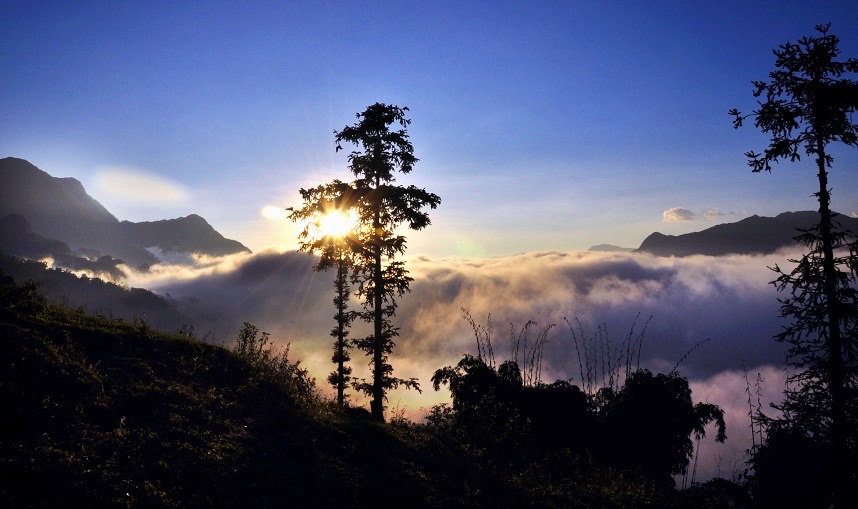
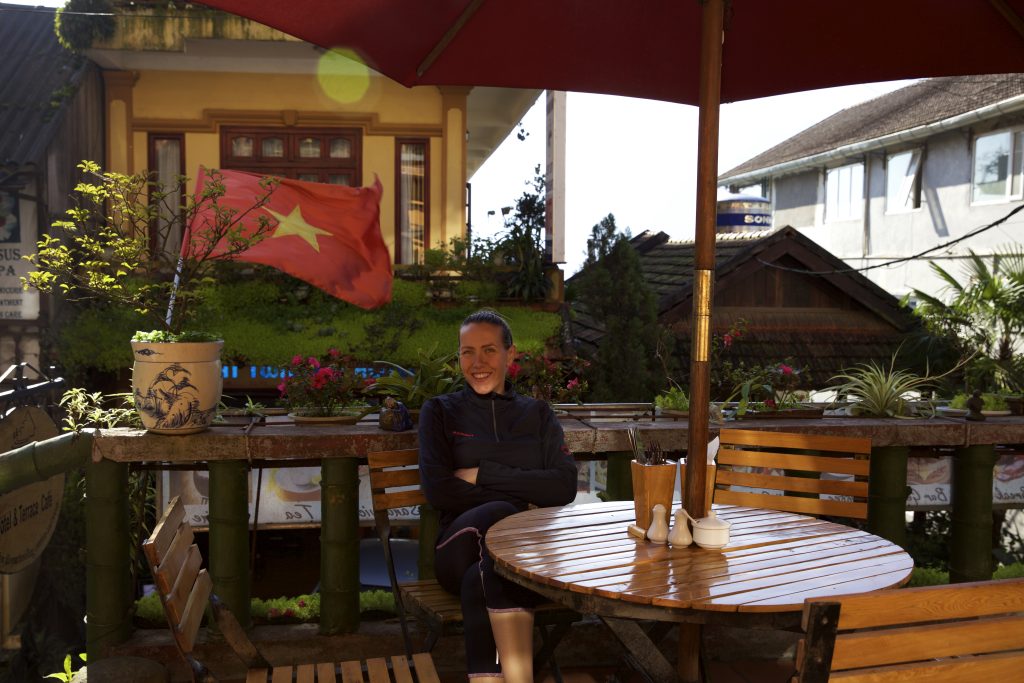
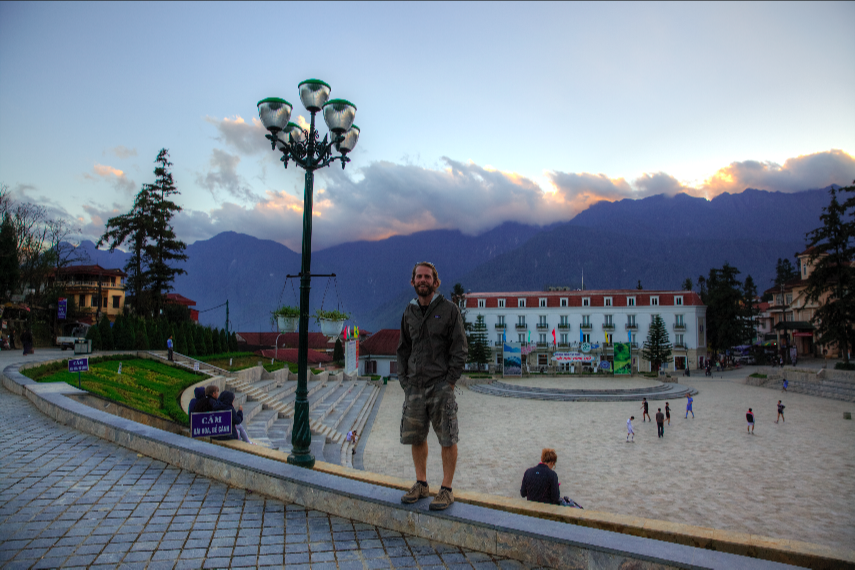
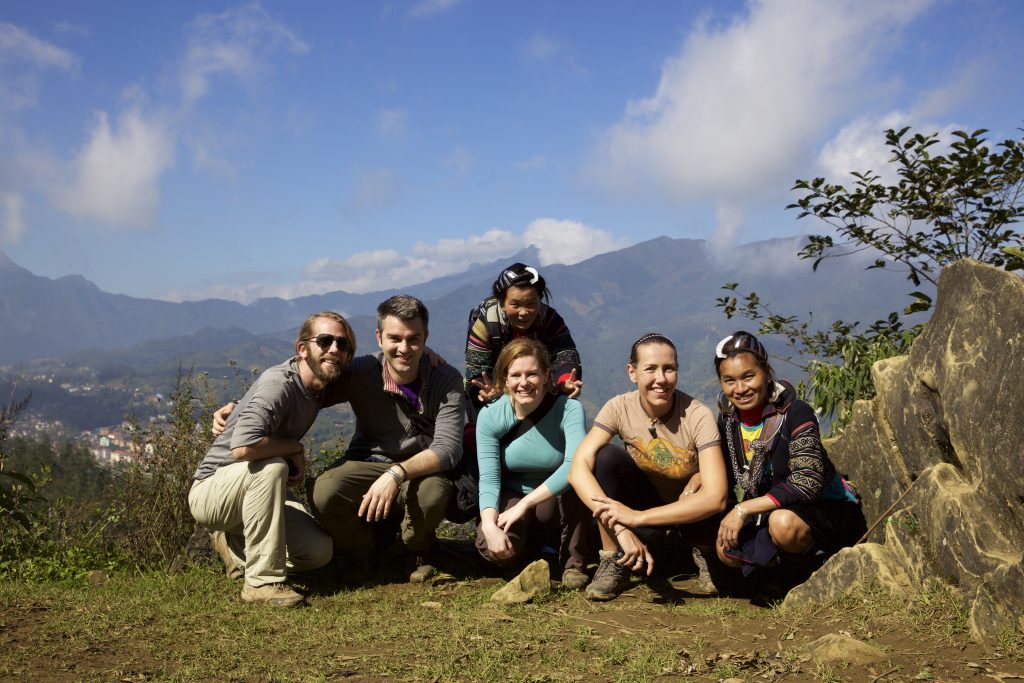
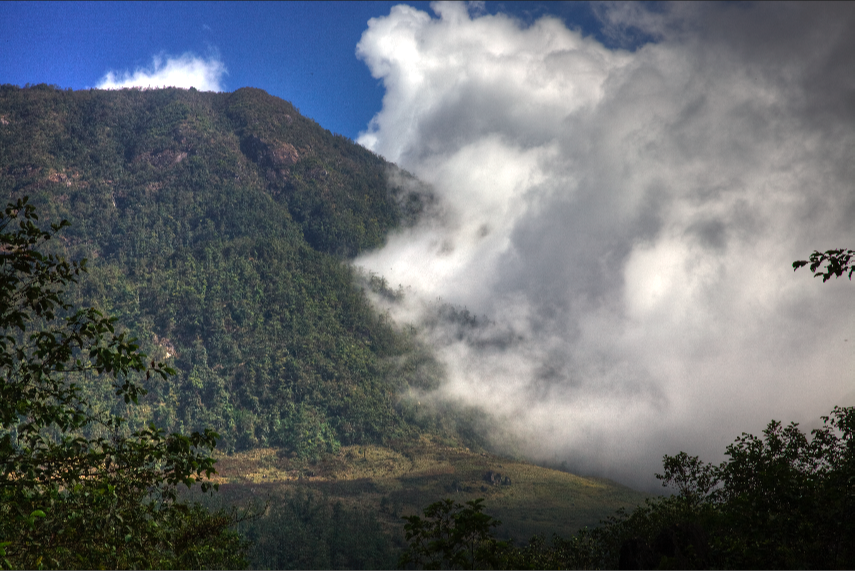
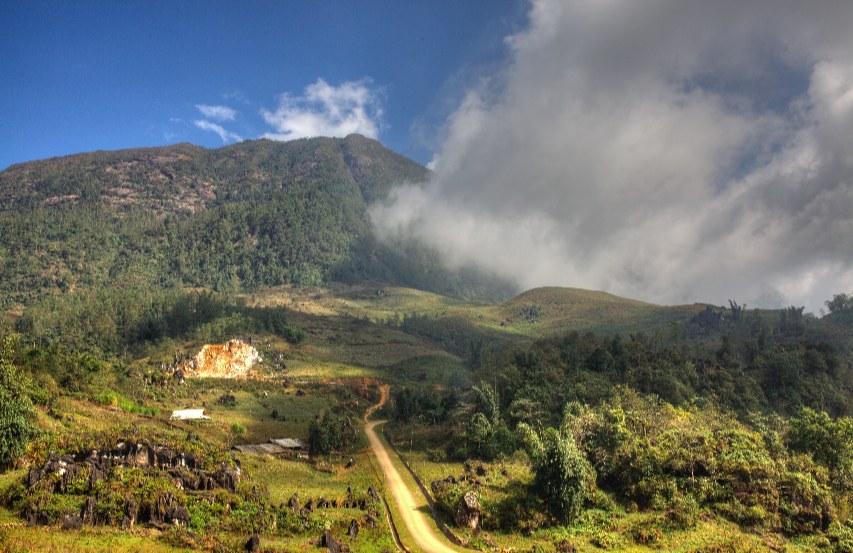
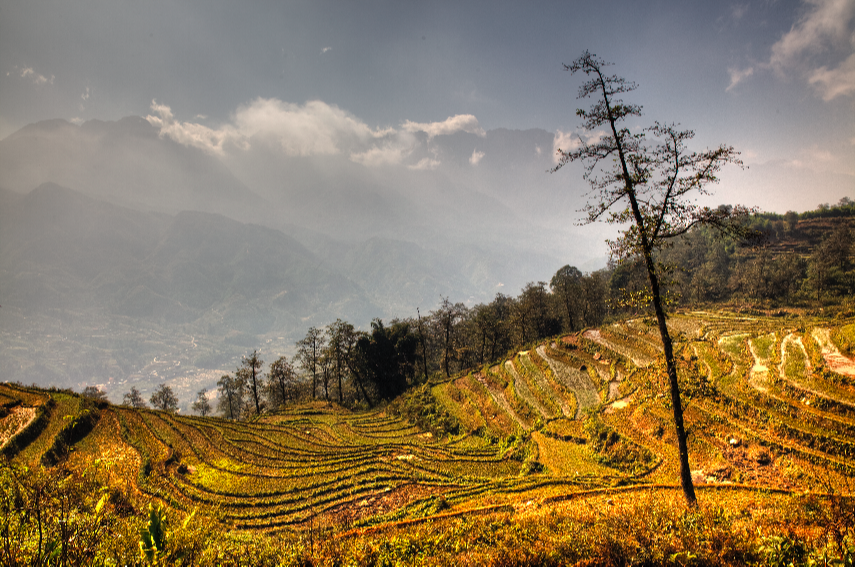
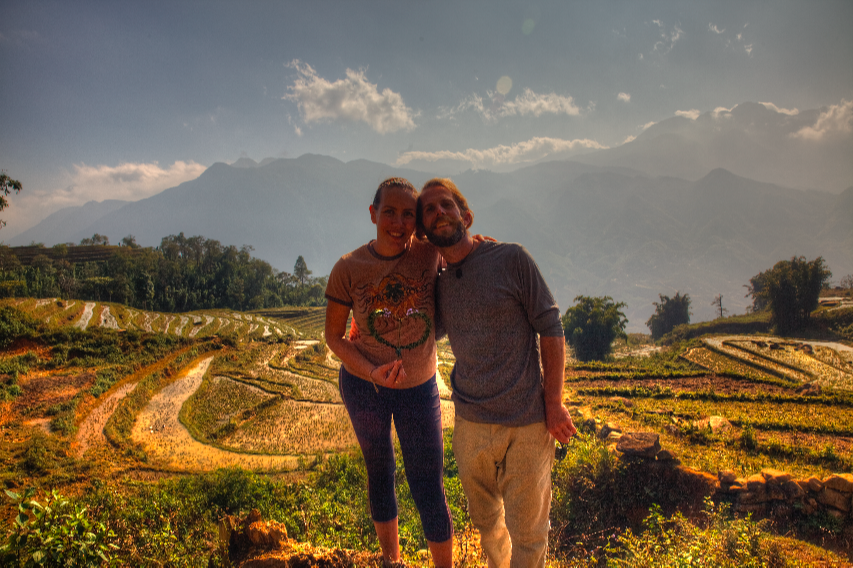
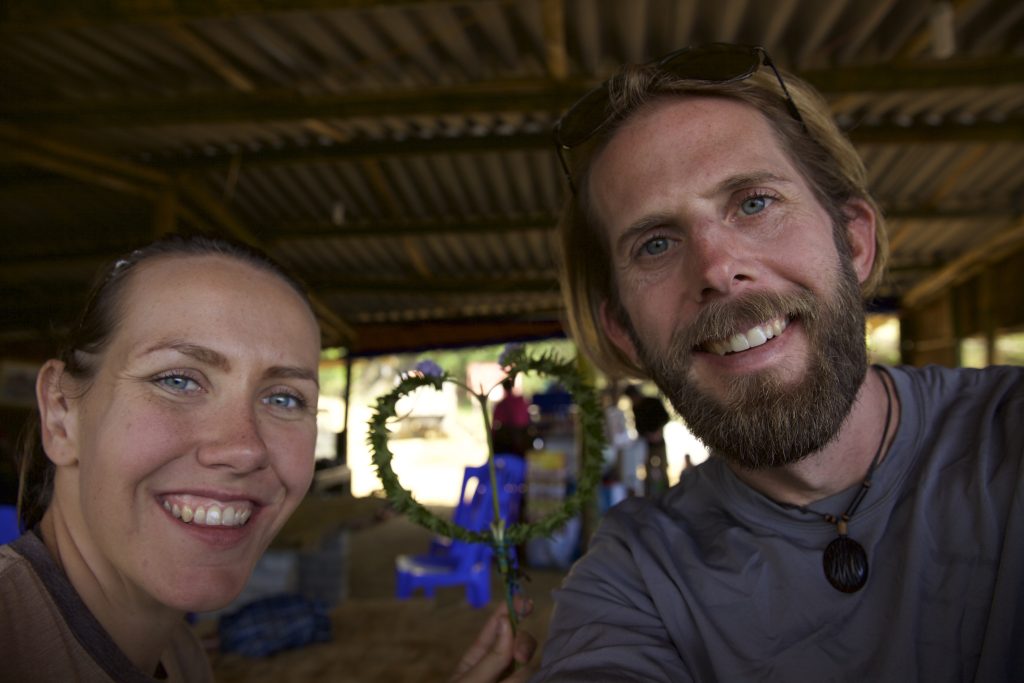
Known for its postcard-perfect rice terraces, Sapa had been trapped in weeks of near-mythical fog — the kind where you can’t even see across the street. But then the Cali kid arrived, rocking Ray-Bans, a milky white tan, hippie hair, and a beautiful babe named Marii on his arm, demanding the mist part to reveal these so-called majestic views. Abracadabra. Blue skies, warm air, and b-e-a-utiful sunshine. A long-winded way to say: we got lucky.
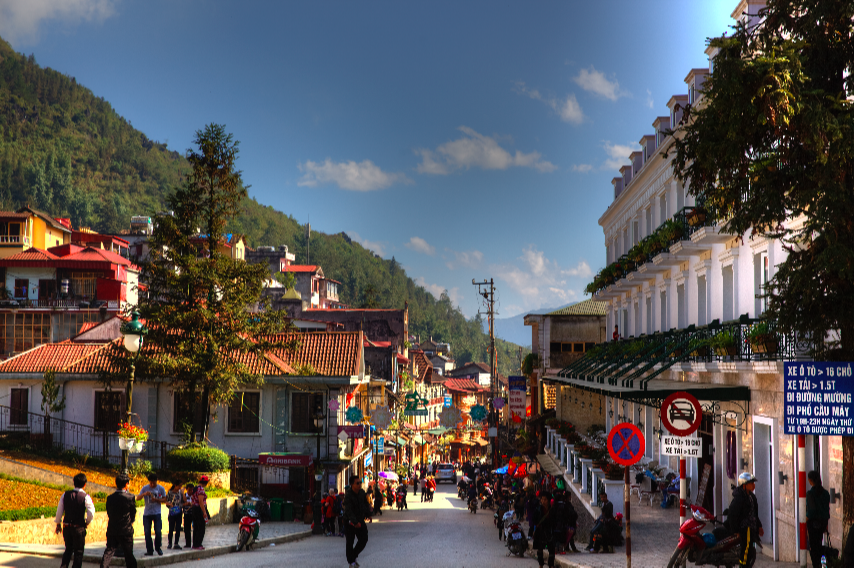
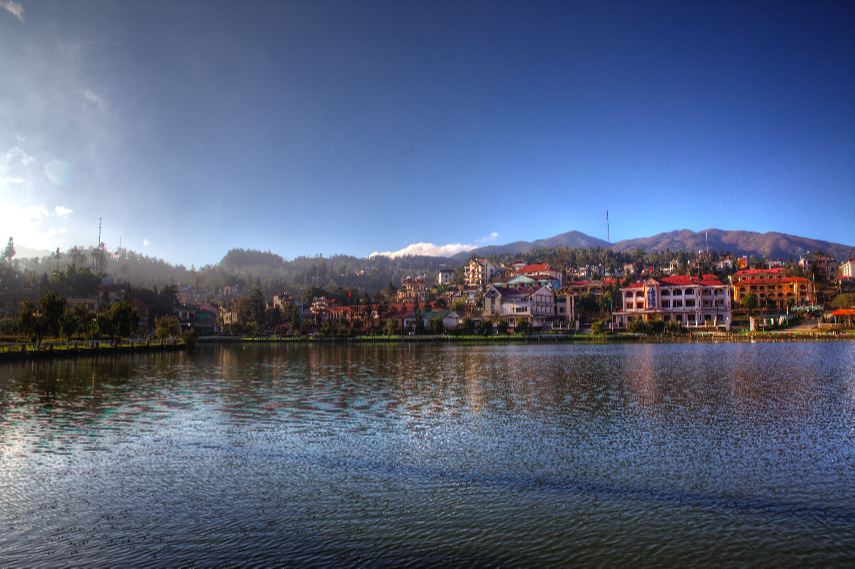
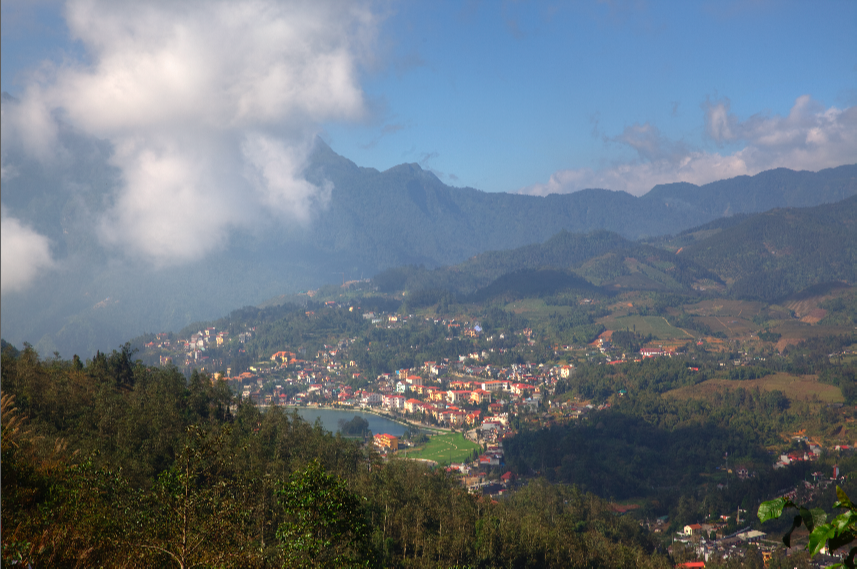
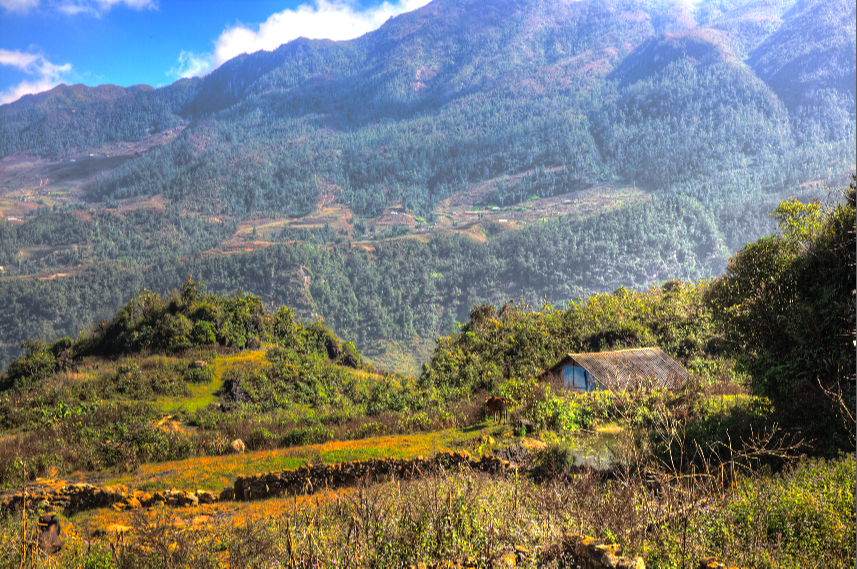
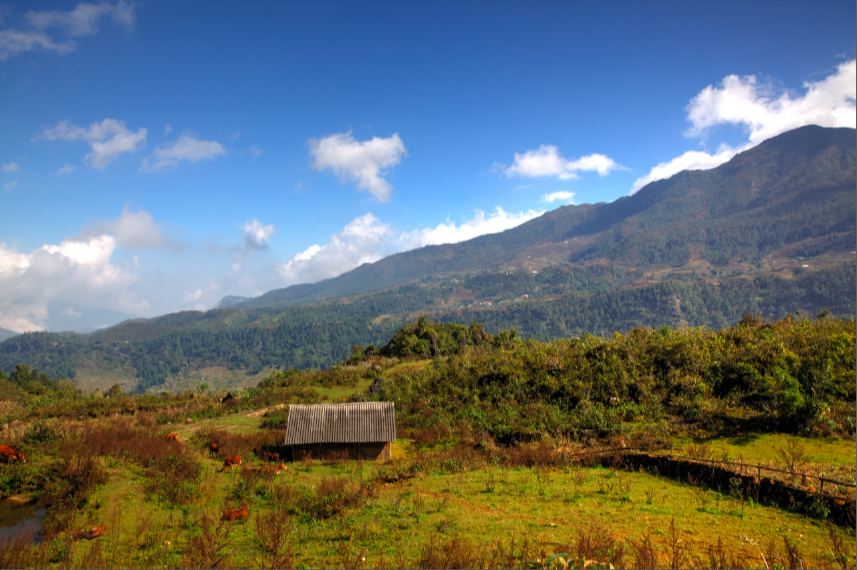
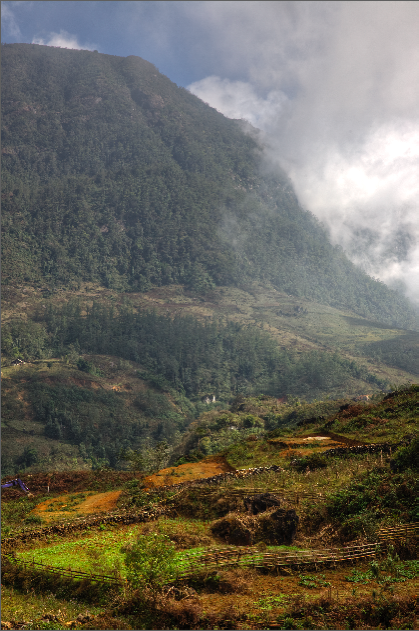
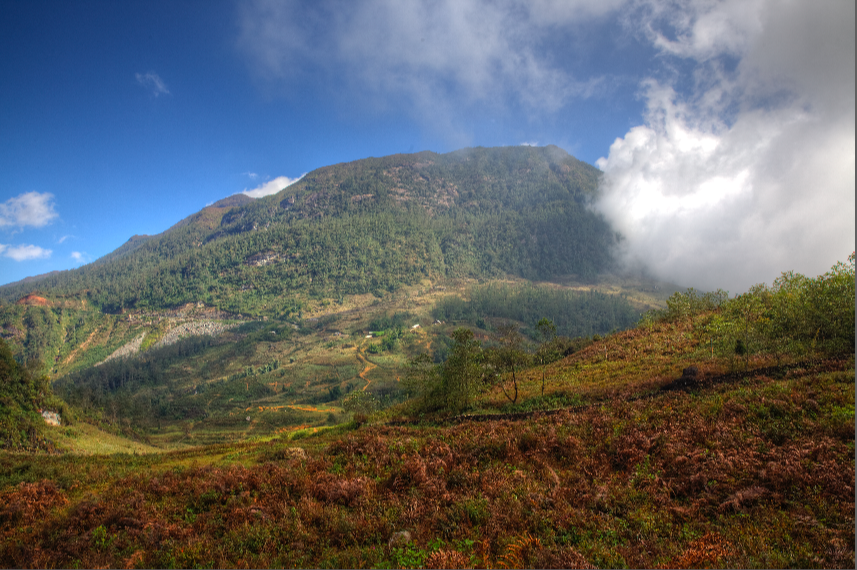
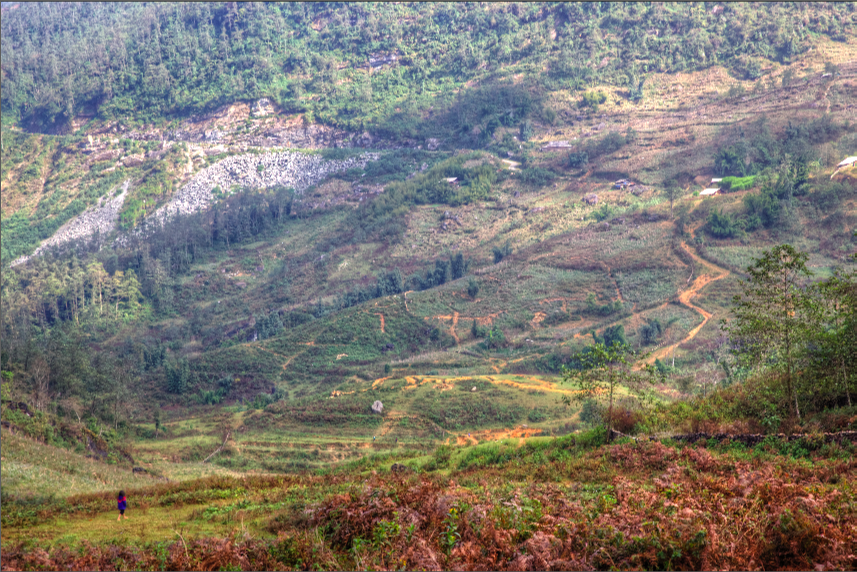
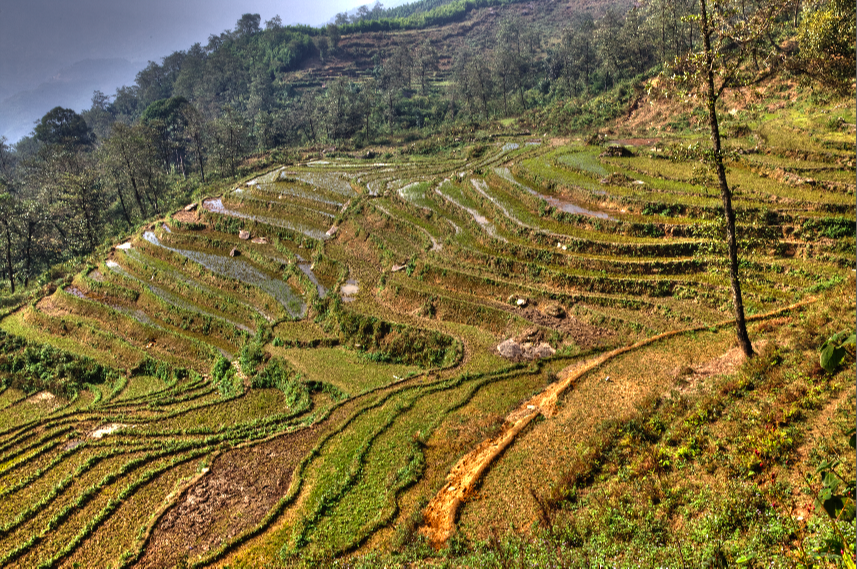
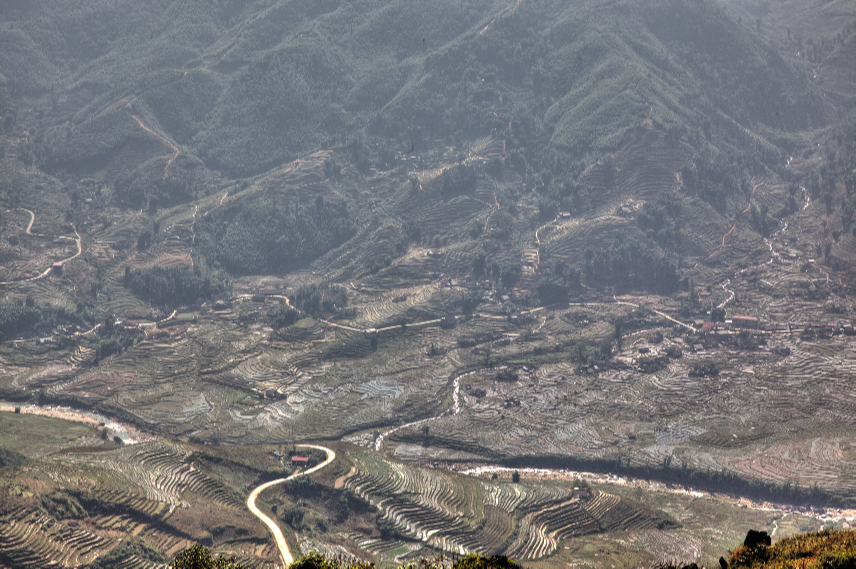
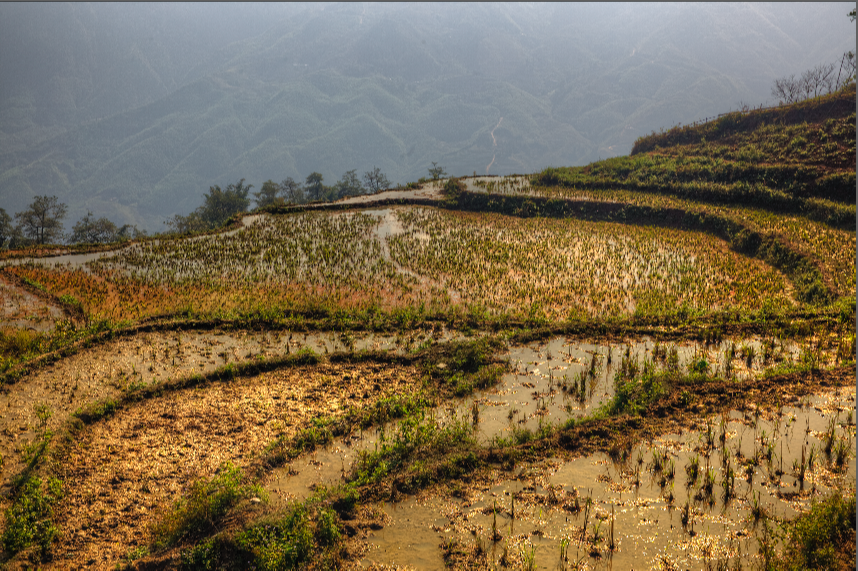
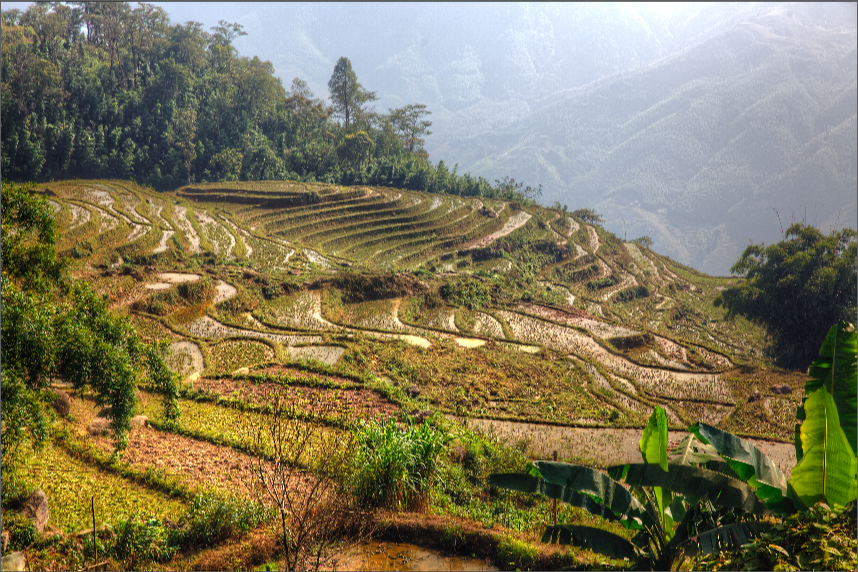
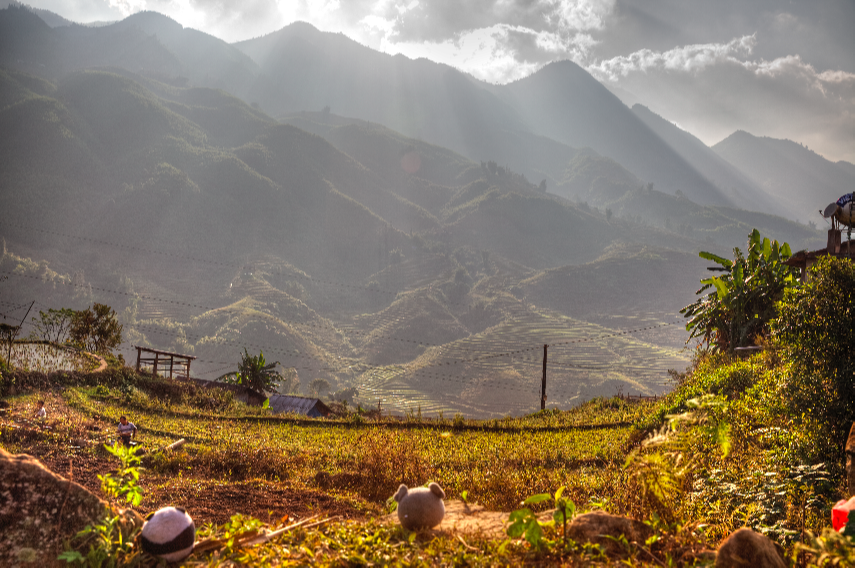
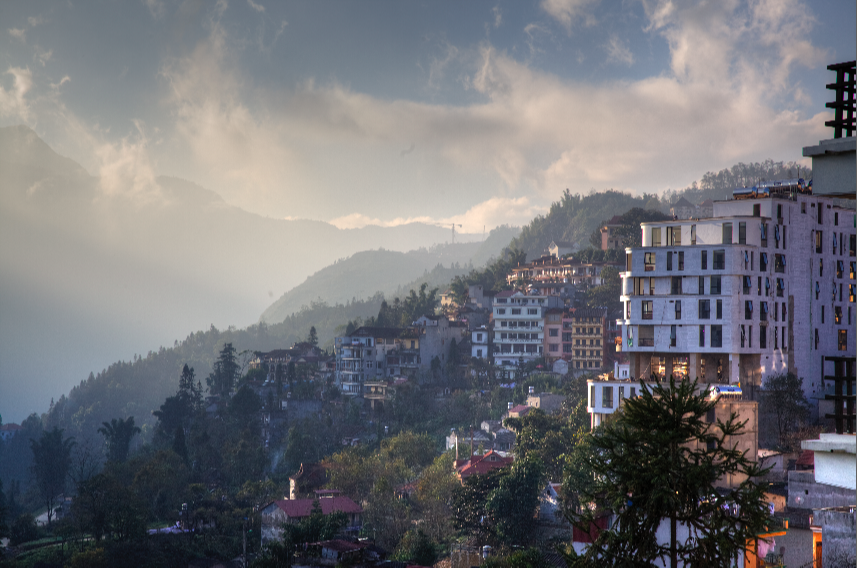
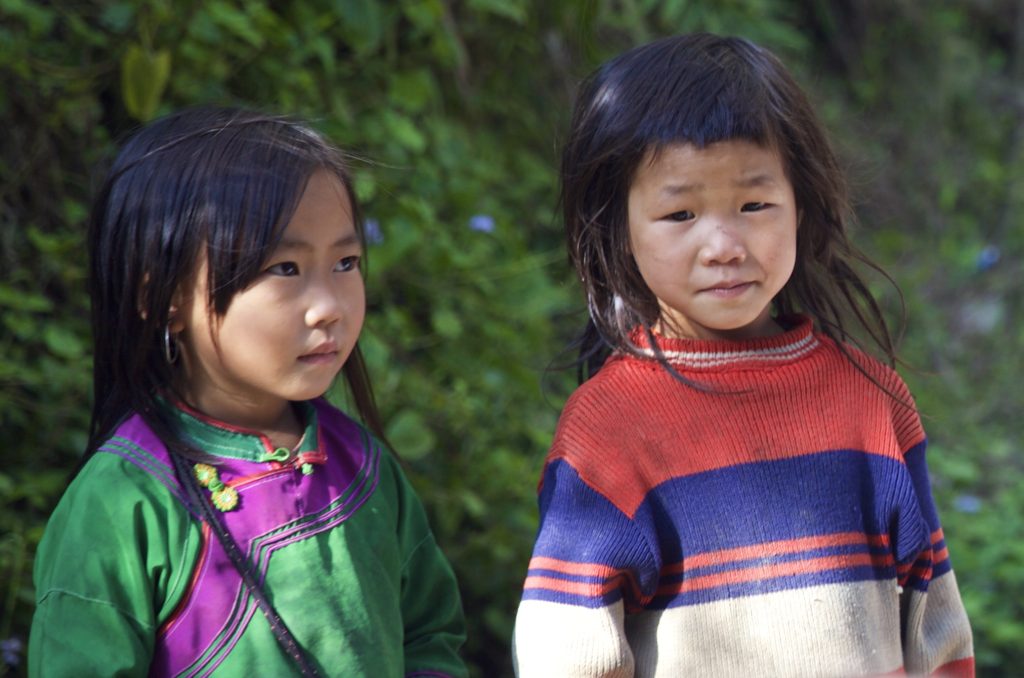
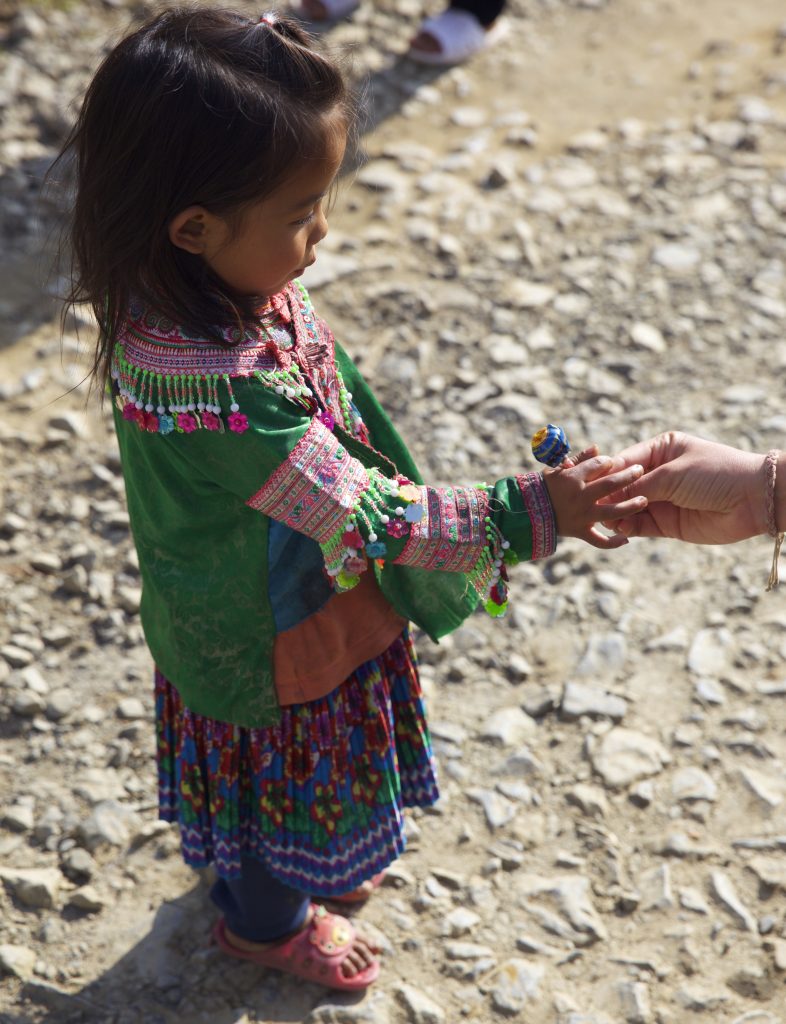
When you can actually see Sapa, it’s a stunning hillside town overlooking ridiculous, jaw-dropping rice terraces, surrounded by local Hmong tribes. It’s easy to understand why it’s become as touristy as it has — and despite that, it’s still absolutely worth visiting. Reminiscent of Da Lat, just without decades of foreign money poured into it, we settled in for what turned out to be a great two days.
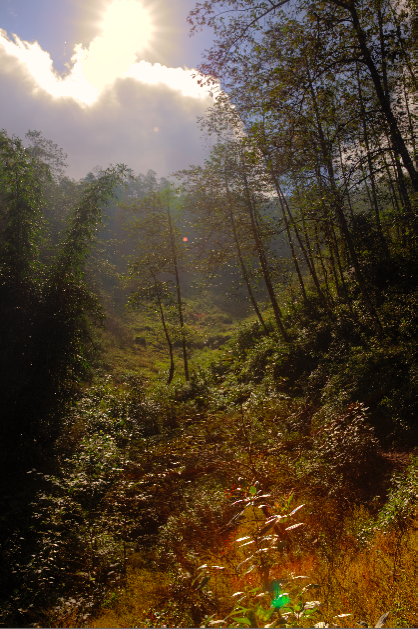
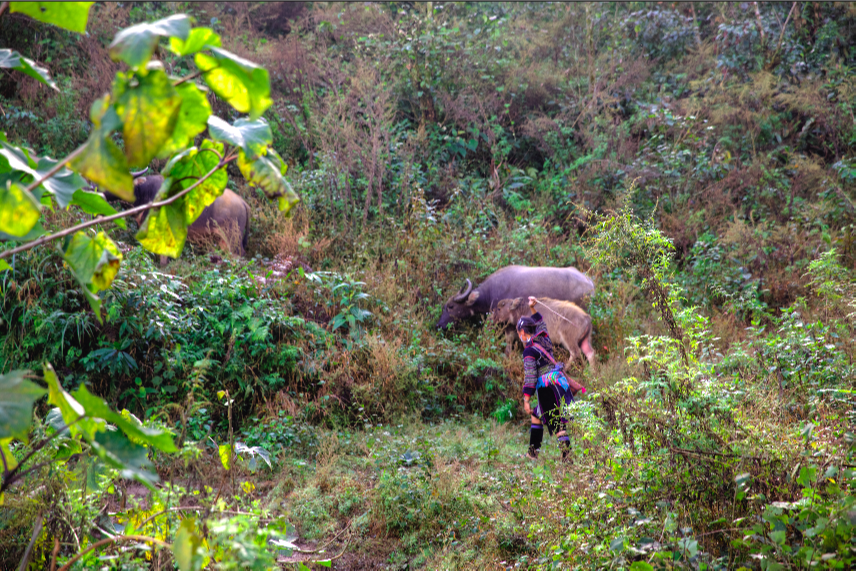
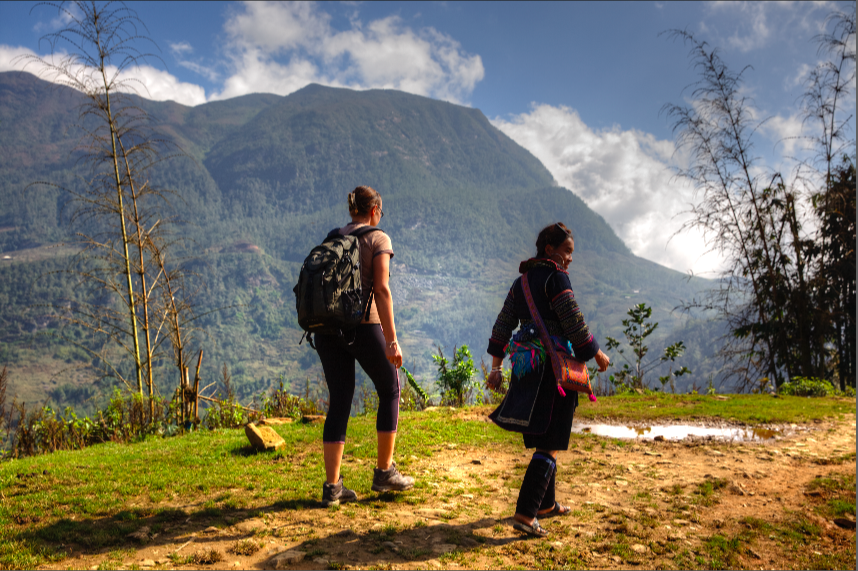
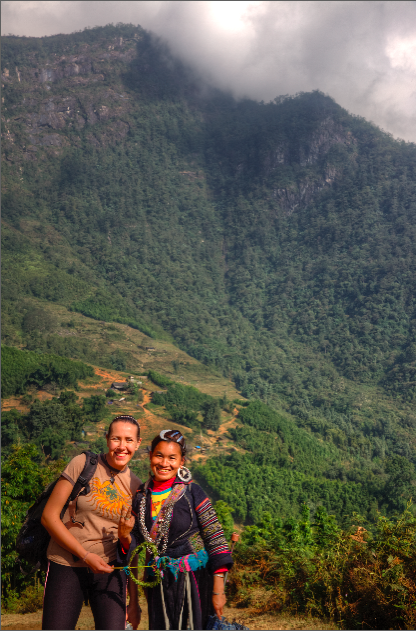
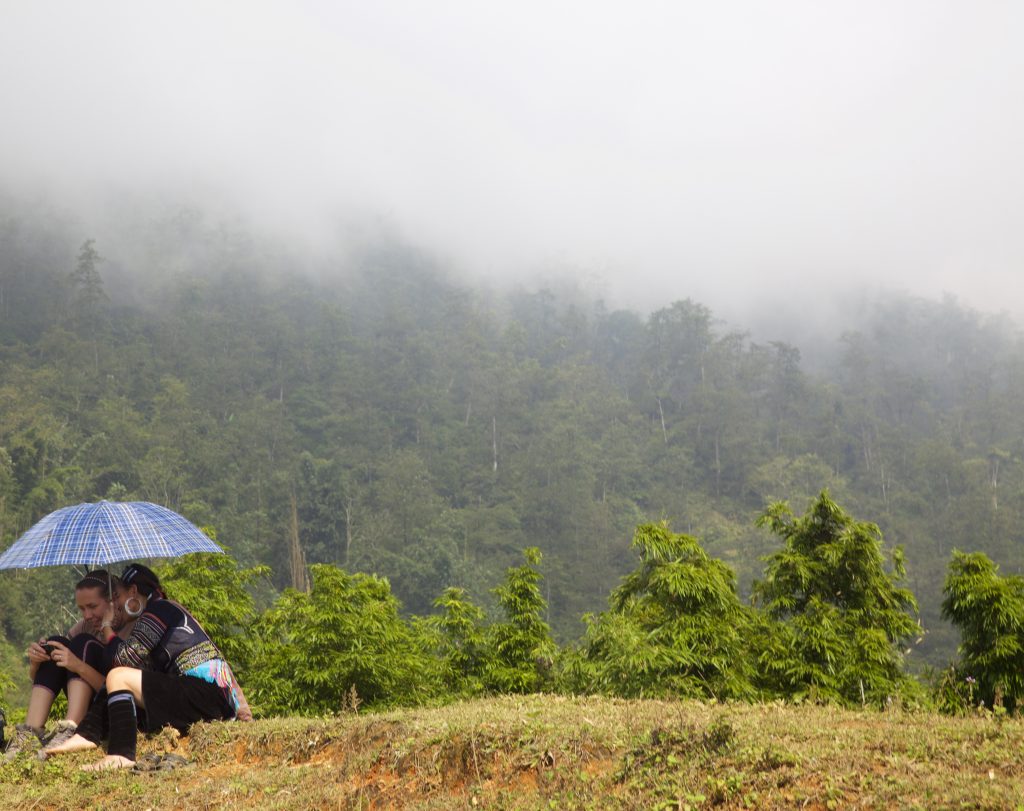
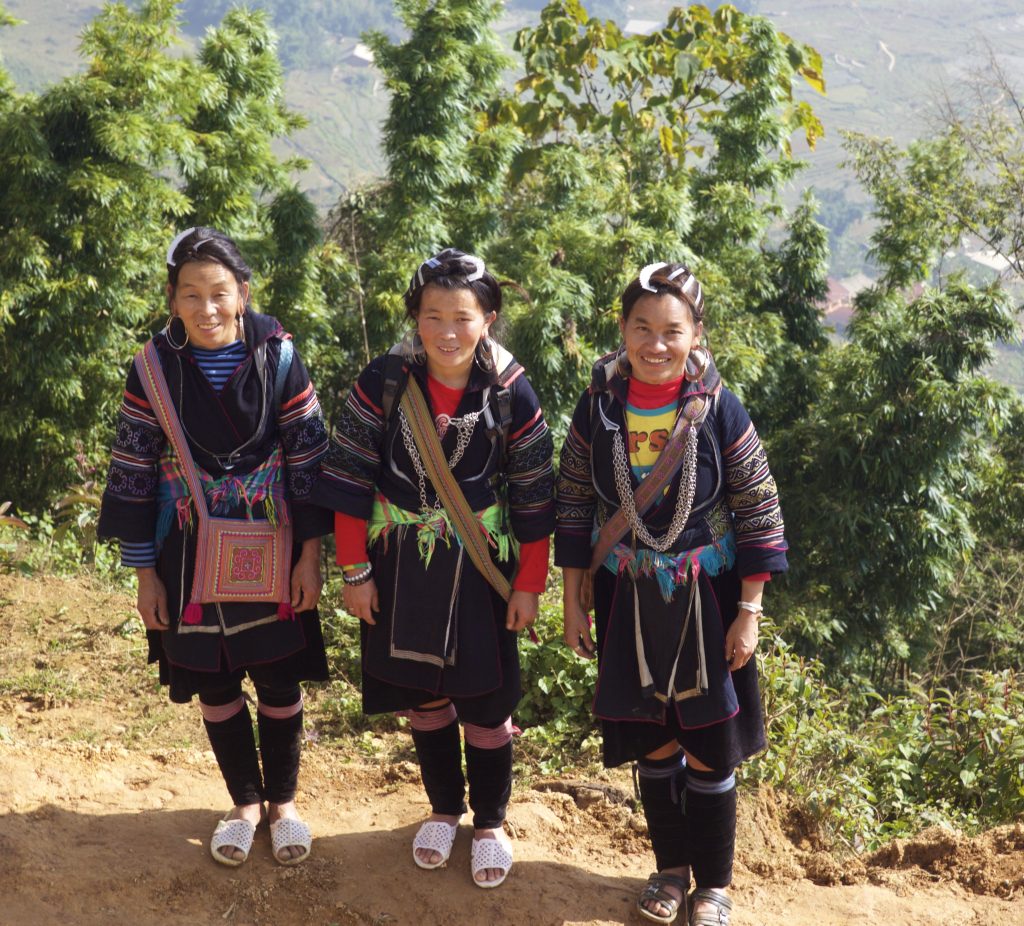
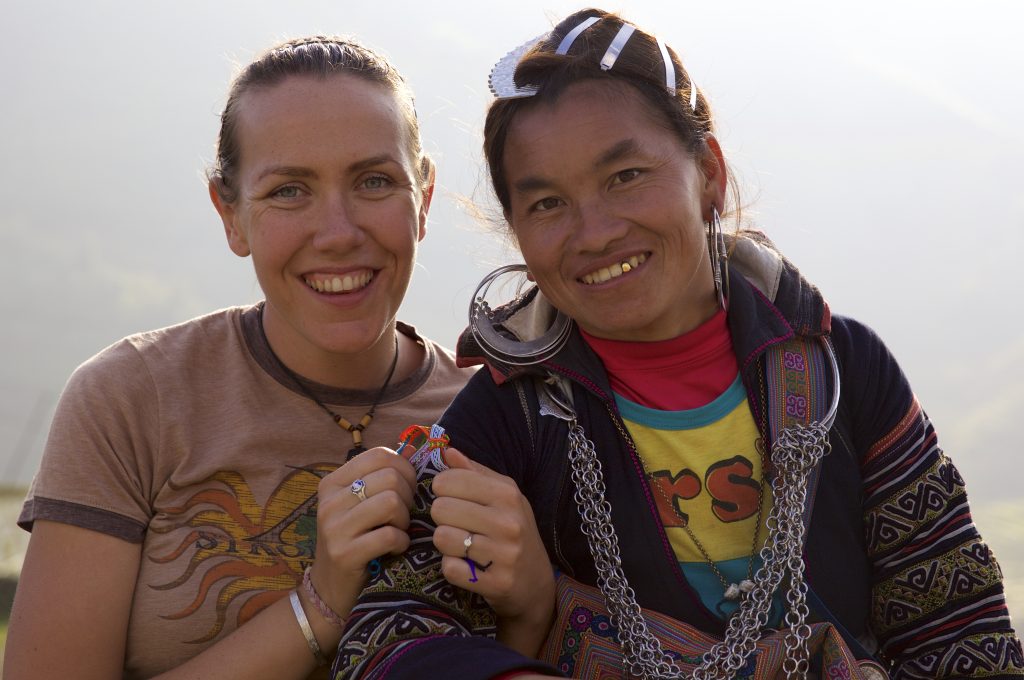
Most people come here for the outdoors. If you’re not buying under-priced North Face gear, you’re trekking in it. Warm and toasty during the day, bitterly cold at night — like a Gemini, Sapa shows both sides of its personality. Some opt for motorbikes; we chose to go on foot, wanting to feel the countryside rather than roar through it. Armed with what we believed to be the most genuine local Hmong guide we could find — Su — we set off on our one-day trek, assuming it would be warmer than staying overnight in her hillside village. Had we known how real, sweet, and kind Su was, we would have braved the cold just to spend more time with her — our insides would’ve been warmed by her heart alone.
Despite the personal feel of trekking with a local guide, it’s nearly impossible to avoid other travelers unless you either splurge on a car-based tour far outside Sapa or commit to a longer multi-day trek in another direction. One or two days in and you’ll run into familiar faces — sometimes two, sometimes twenty, sometimes thirty, depending on the season. Normally that would distract from the peace of nature, but Sapa’s landscape commands your attention so completely that you forget you’re being shadowed by fellow wanderers. The views are priceless, the company is great, and the locals friendly — there wasn’t much not to like about our day out.
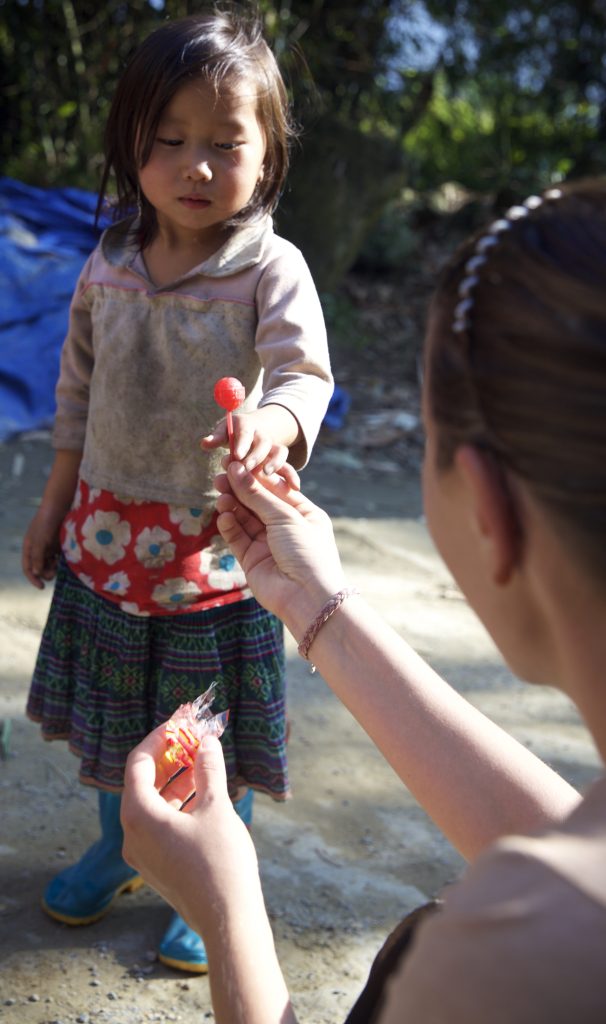
When we weren’t trekking, we were fending off the local Hmong in town, rhythmically chanting “buy something,” to which “no thank” is not considered a valid response.
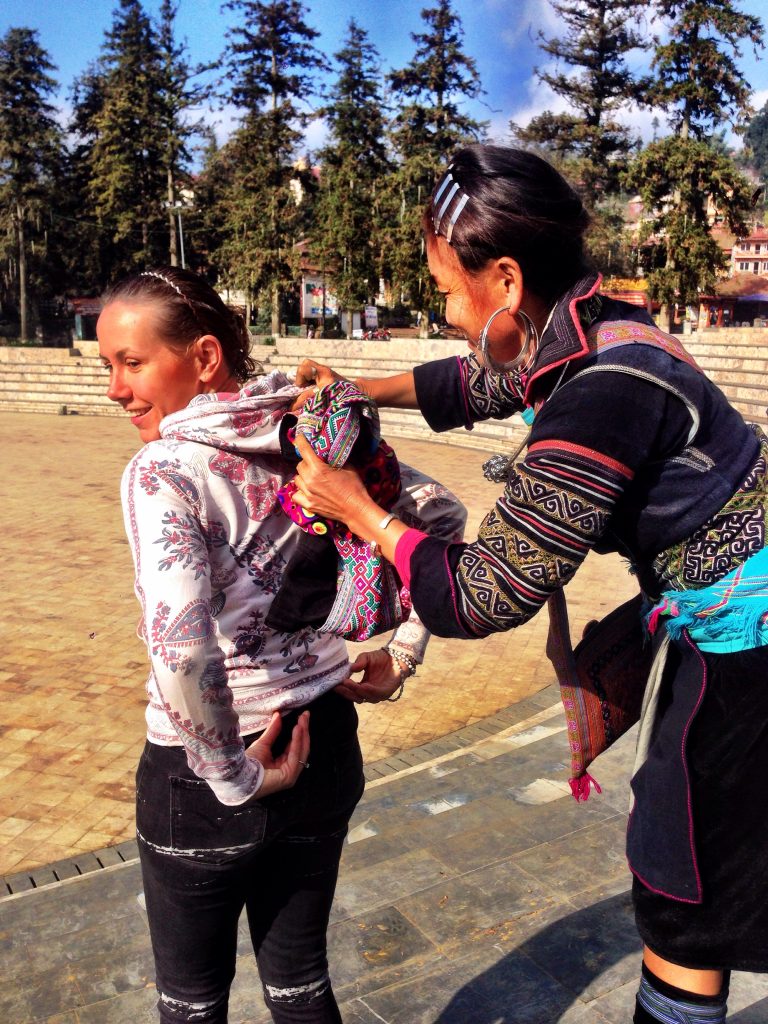
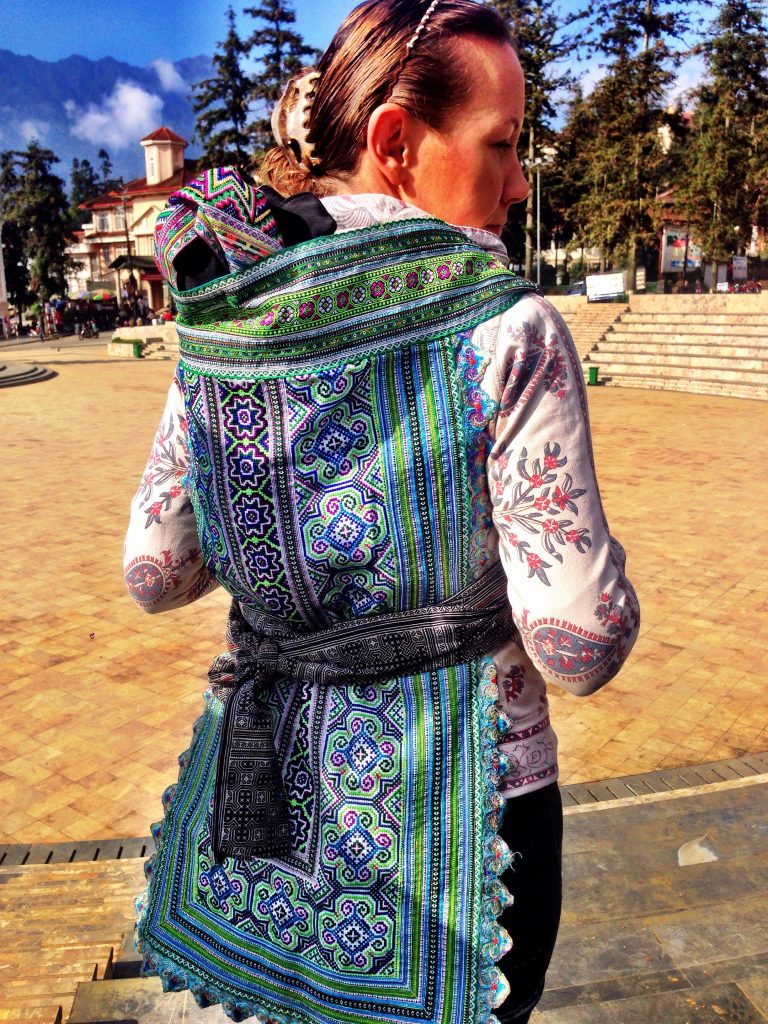
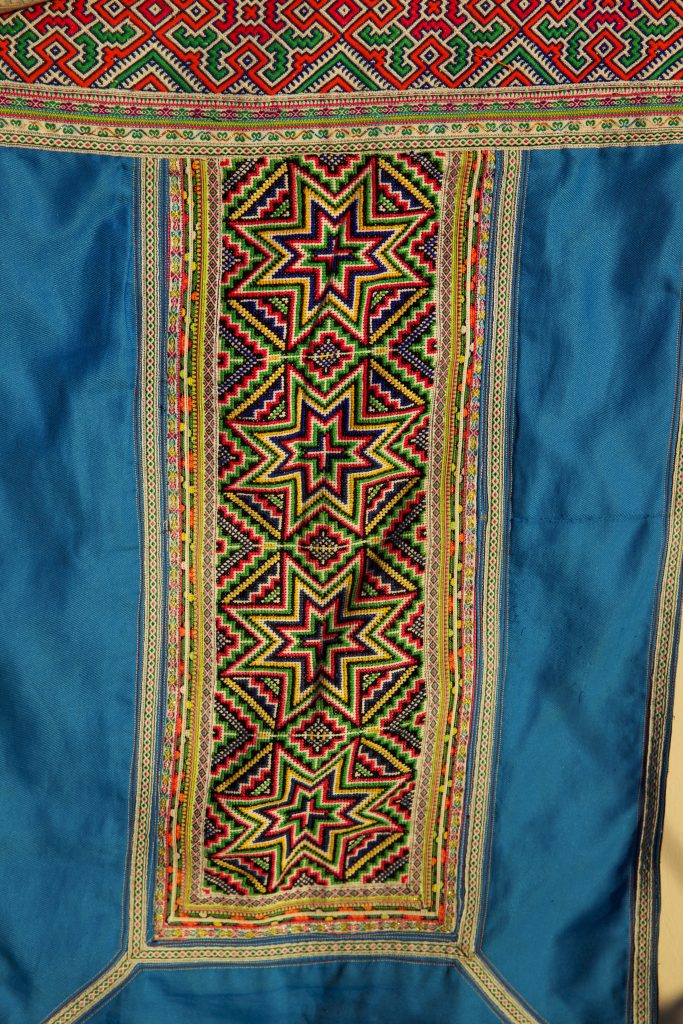
Feeling like we’d missed out by not seeing Su’s family or her handicraft work — something most Hmong women excel at — we asked if we could buy something from her directly. With limited bag space, we rarely buy souvenirs unless there’s a personal connection to the maker. In this case, we found a home for one of two items Su brought from her house the next day: a funky, intricately hand-stitched baby backpack carrier.
No, this is not a secret pregnancy announcement — though that would’ve been sneaky. It’s just something we thought we’d use in the future, something Su happened to make and offer. Now we have a tangible connection to her, our travels, and maybe even future generations of Stratters. It just needs one small alteration from Johannah Berger… you game?
Our final real experience in Vietnam before heading back to the land of enchantment — Laos. One quick stop at a border town and our time here will be complete in a country that has surprised us, treated us, fed us, and entertained us for a month.
We leave Sapa happy campers — more than satisfied with our experience and endlessly thankful for the perfect weather. Sometimes you win with weather. Sometimes you lose. This time, we won.