Bac Ha Sunday Market Experience: Culture, Chaos, and Confronting Reality
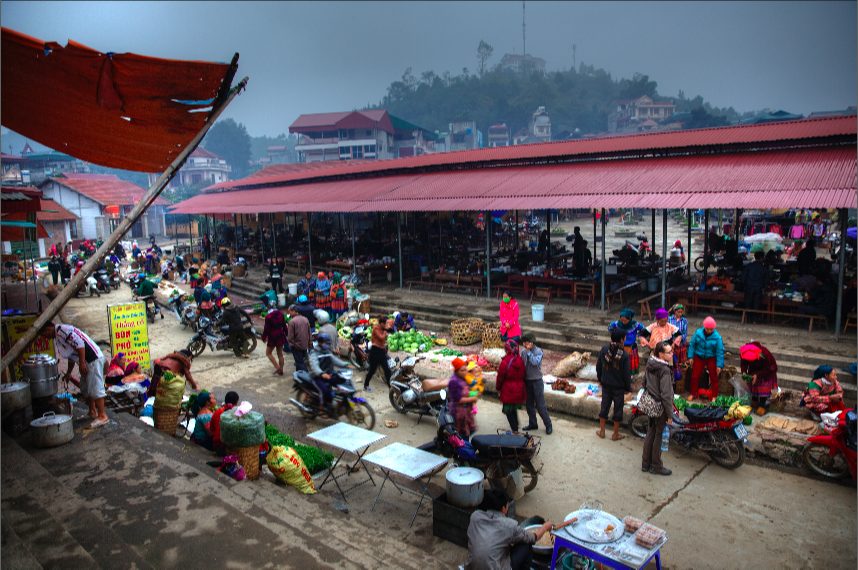
Every Sunday, from Sound-of-Music-style hillsides, the now-modernized local tribespeople motorbike their way into Bac Ha to take part in one of Northern Vietnam’s biggest markets. Sounds like something we need to witness.
Arriving a day early was meant to prep us for beating the crowds that would surely pour in from Sapa on their day tours—because let’s be honest, nobody wants to take photos of a market full of other tourists. But that raises the question: in a small town of only 5,000 people, how do you occupy yourself on a non-market day?
The short answer: you try desperately to avoid the other tourists who are attempting to do exactly what you’re doing—because they read the same page in Lonely Planet about how to avoid the big crowds.
Note to Lonely Planet: you can’t tell tourists how to avoid “other tourists,” because the moment you publish that advice, what you suggest becomes… touristy.
Our first attempt was to rent a motorbike and visit a more local hill market on Saturday. Result: fail. Rain. Next idea: stay inside the hotel. Also a fail—packed with other travelers chasing the same “authentic” experience. How about a walking trek to a nearby village, since most people were either in town or at the distant markets? Another fail—busloads of French tourists getting dropped off at the so-called “authentic” village, which felt more like a local zoo where tourists buzz around photographing how people live.
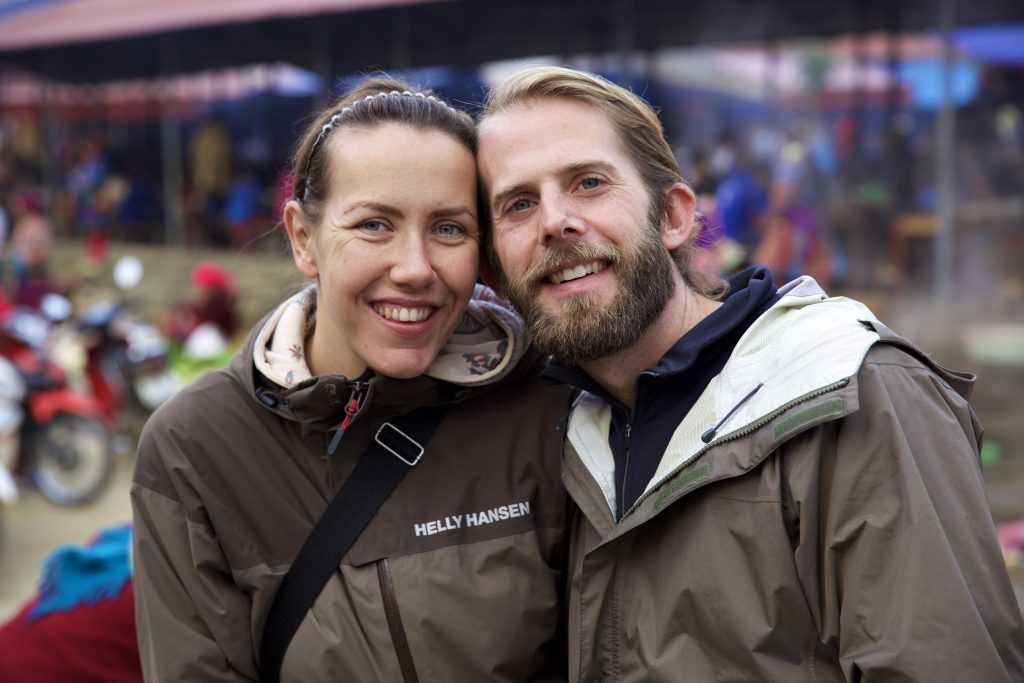
I know what you’re thinking: You’re tourists. True. Valid. But we try, whenever possible, to blend in rather than consume—to interact rather than observe behind a lens, to engage rather than treat locals as exhibits. That usually means putting the camera away and attempting to understand, share, and participate instead of documenting from a distance.
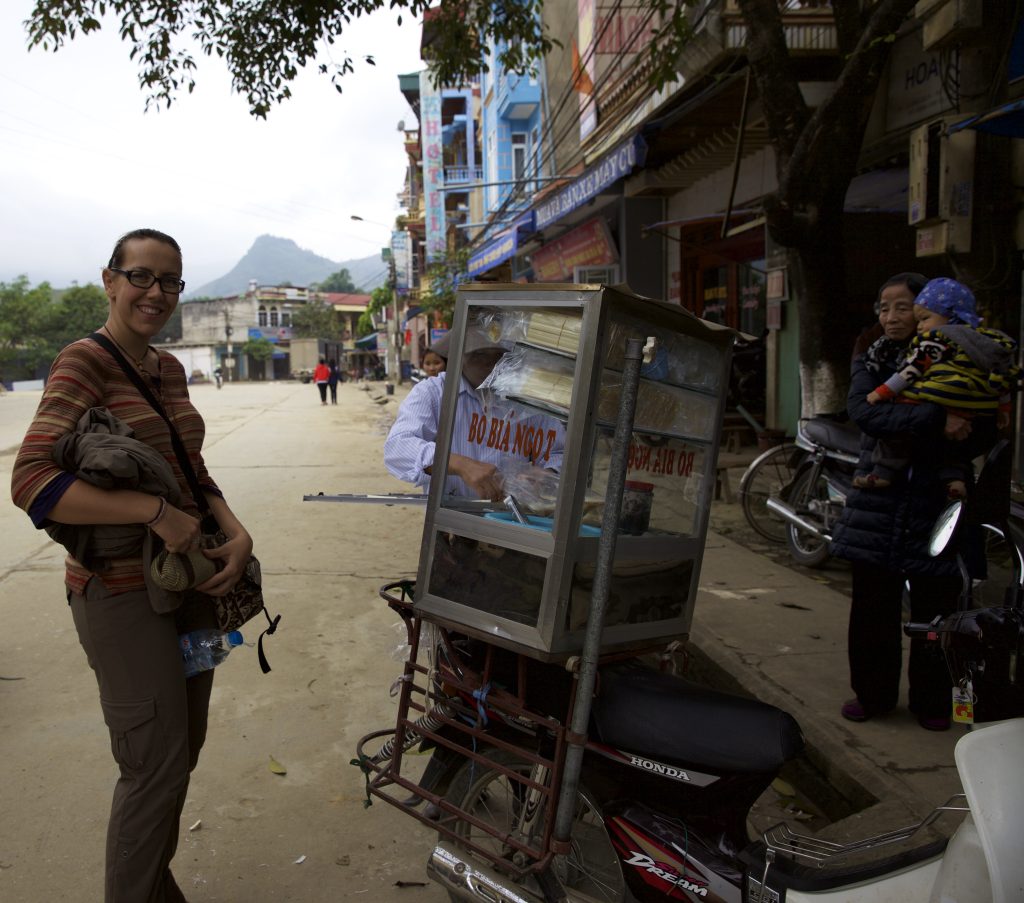
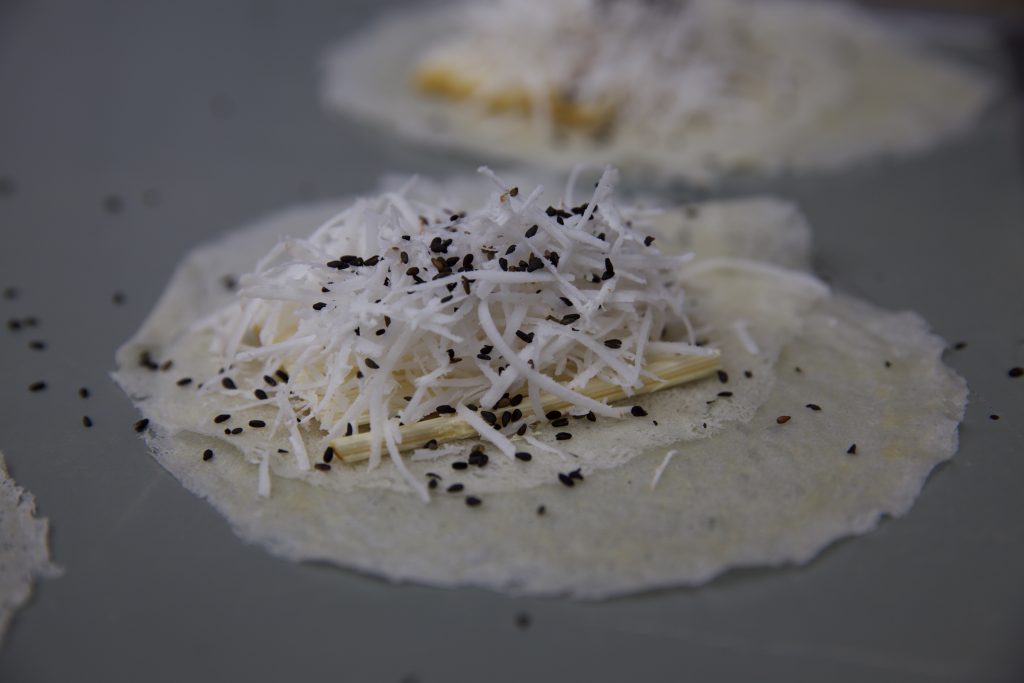
So if the hotel was out and the villages were out, there was only one option left: do what we do best—find local food. And suddenly, no tourists. Success.
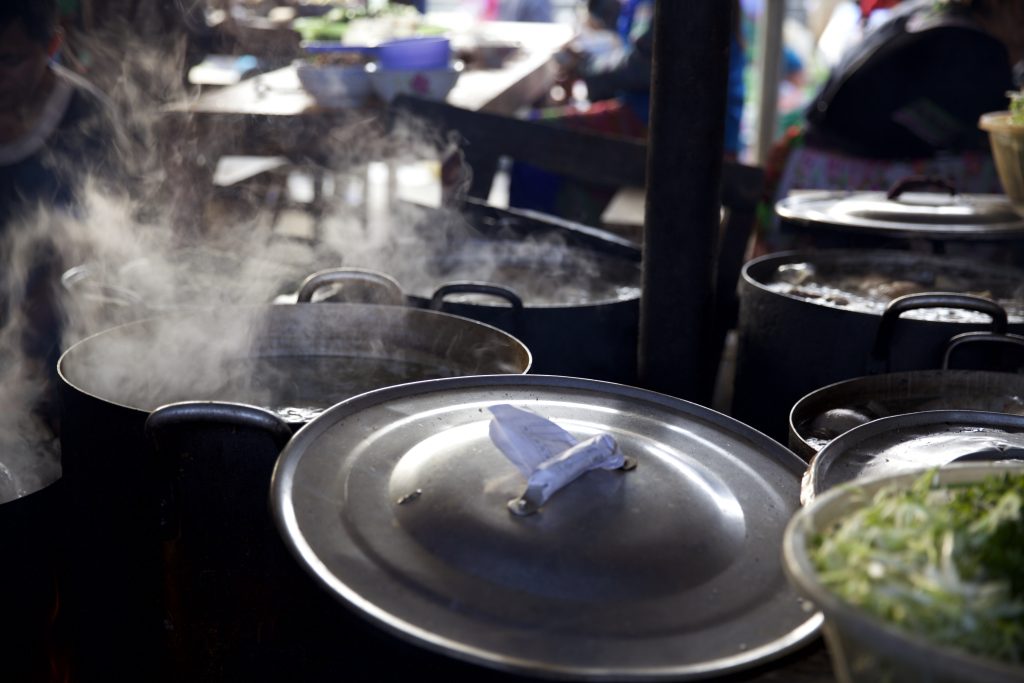
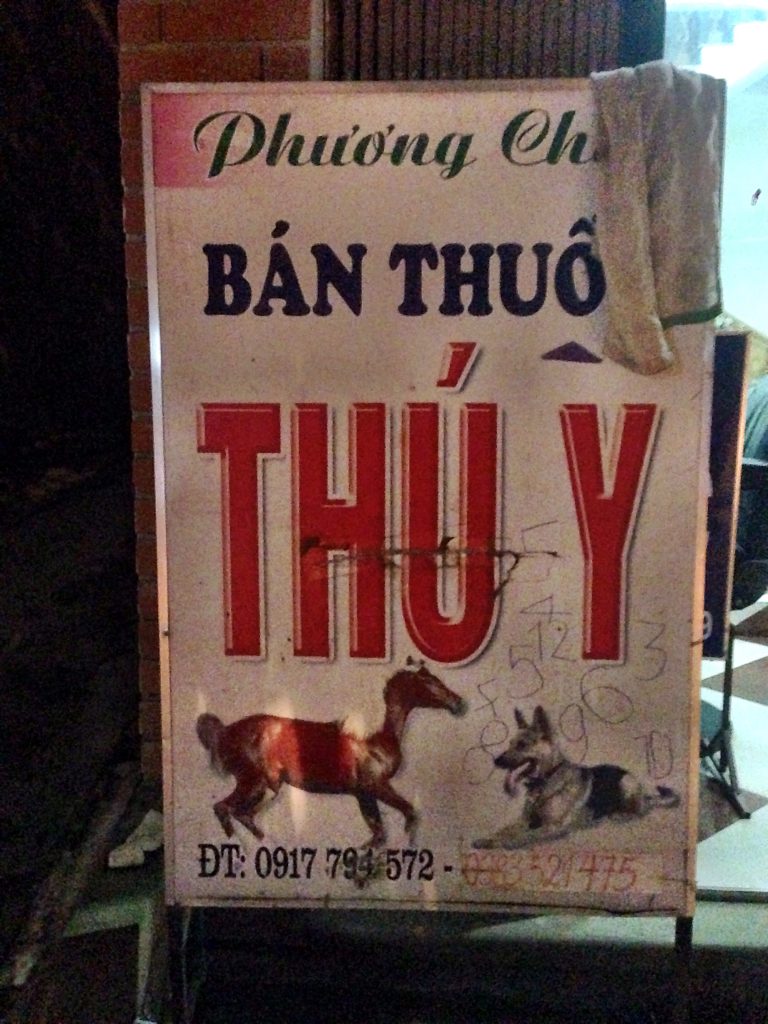
If there’s one thing many travelers avoid, it’s interacting with locals without a guide or a tour-bus buffer, which makes our familiar red plastic chair hangouts the perfect refuge. Drinking “Happy Water” with locals, navigating menus that may or may not include dog, horse, or some other Western-deemed “too cute to eat” creature, and soaking in as much culture as possible without spectacle.
Which brings us neatly to the topic of eating dog. Well, we didn’t—at least not as far as we can tell. But being this close to the northern border, signs of it were far more visible. And then came Sunday market.
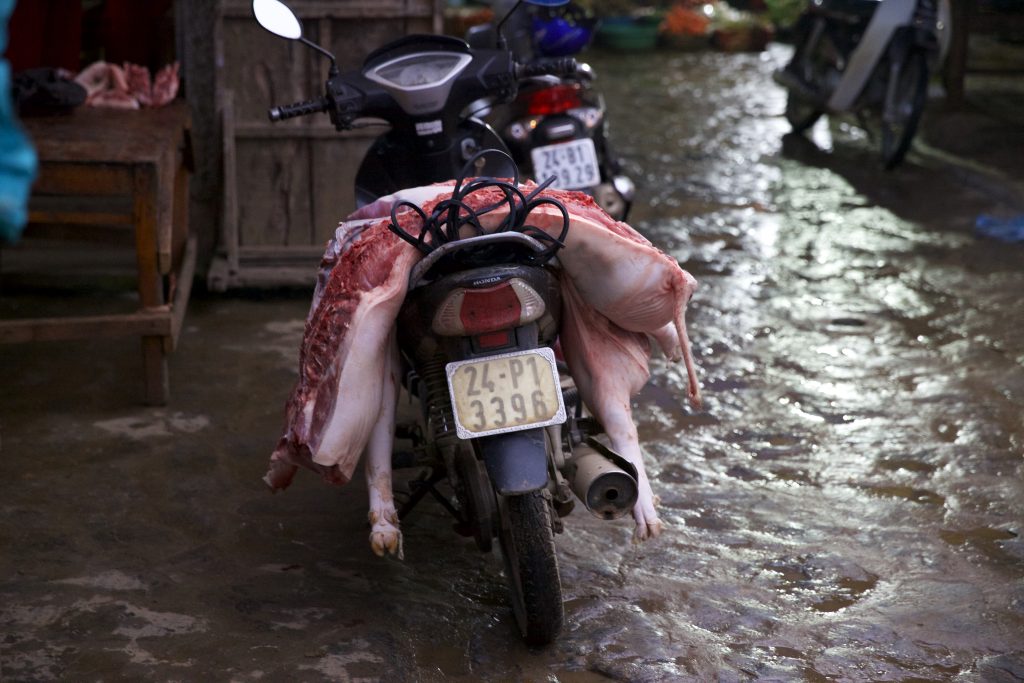
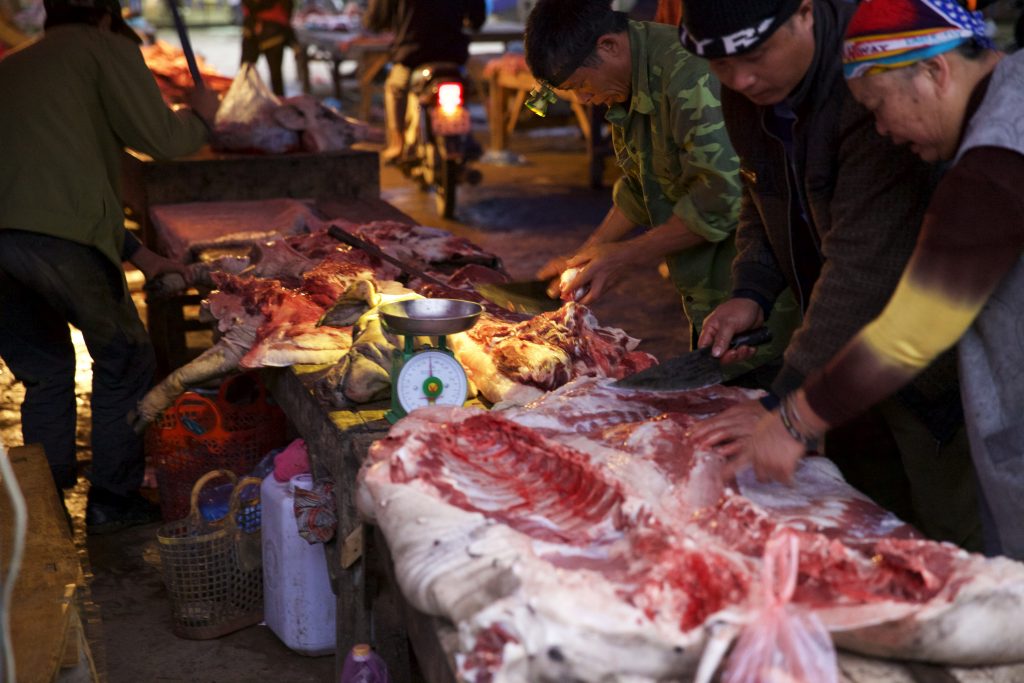
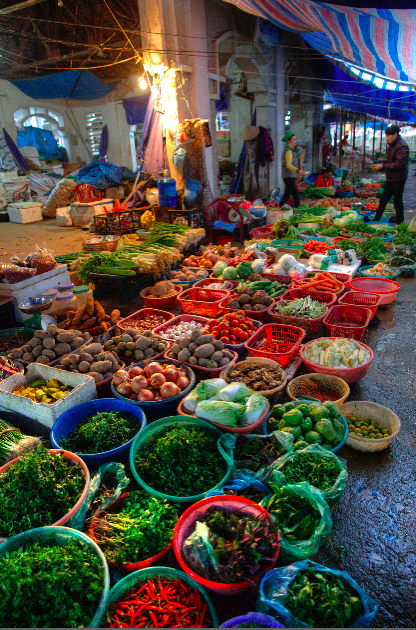
Determined to beat even the local tourists, we were out the door by 5:45 a.m. and in the market by 6. The best time to see any market is before it becomes one. Food vendors in the meat section negotiated over the best cuts of pork from swine that had been alive moments earlier. Saleswomen arranged booths in anticipation of the tour crowds from Sapa. And us—the only travelers wandering around—watched it all come to life.
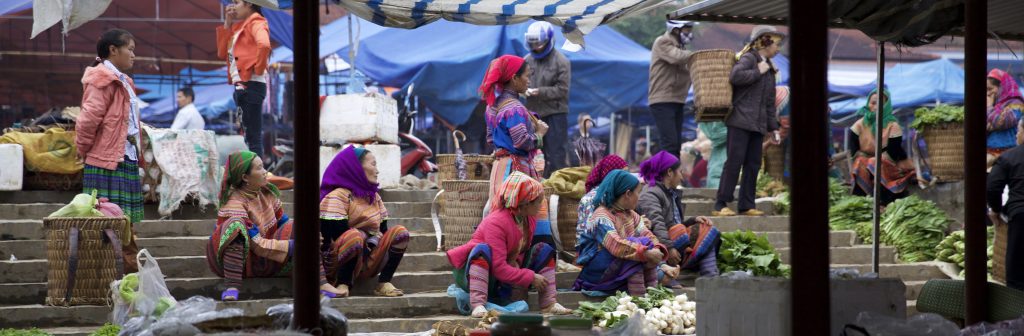
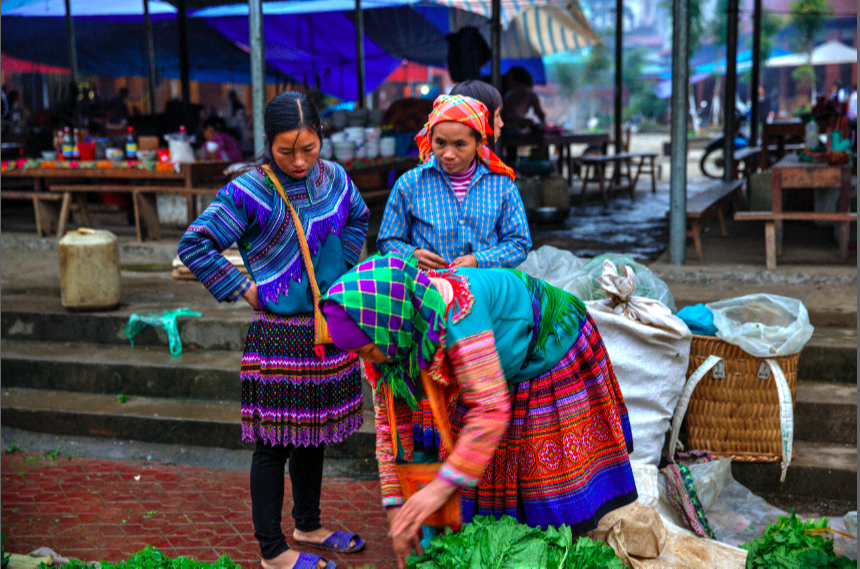
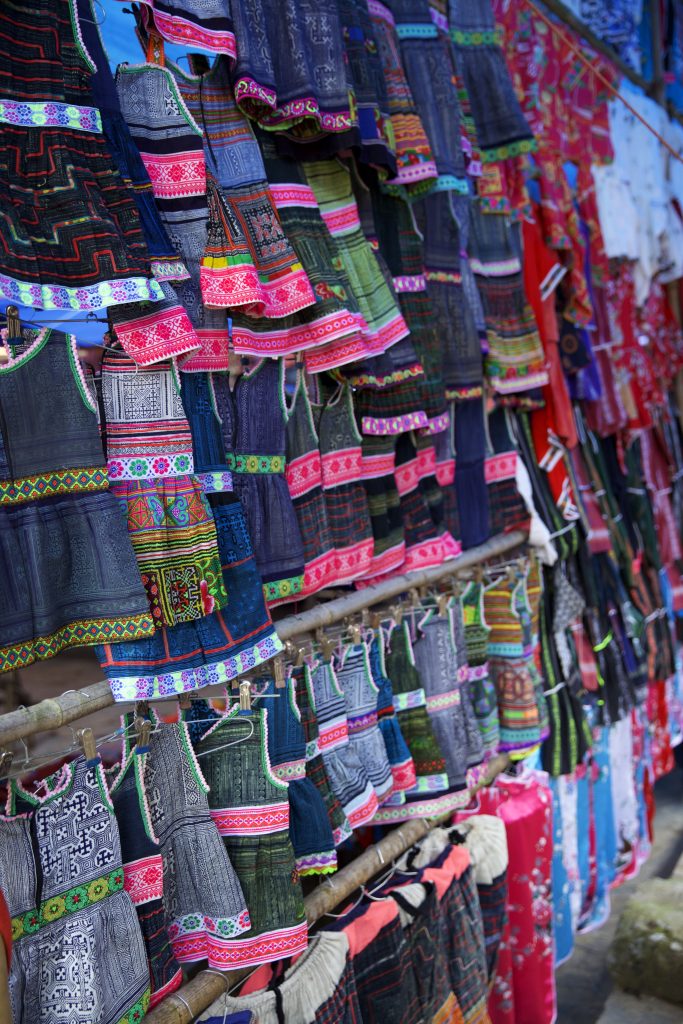
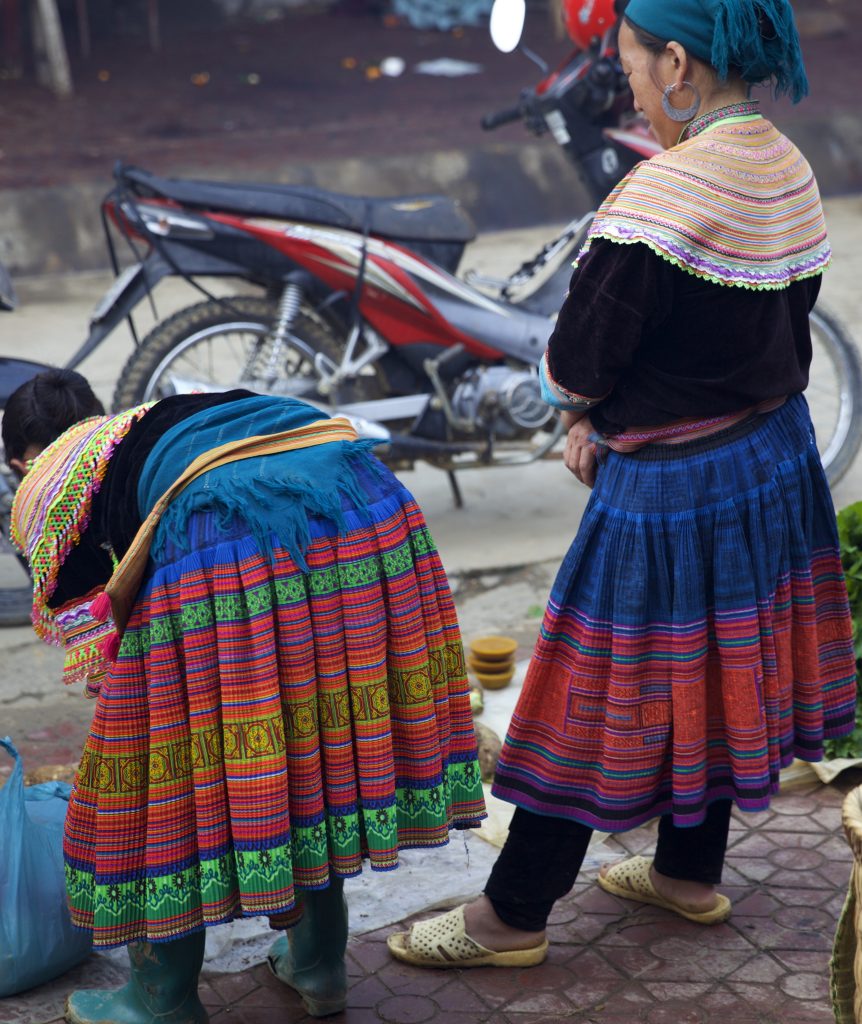
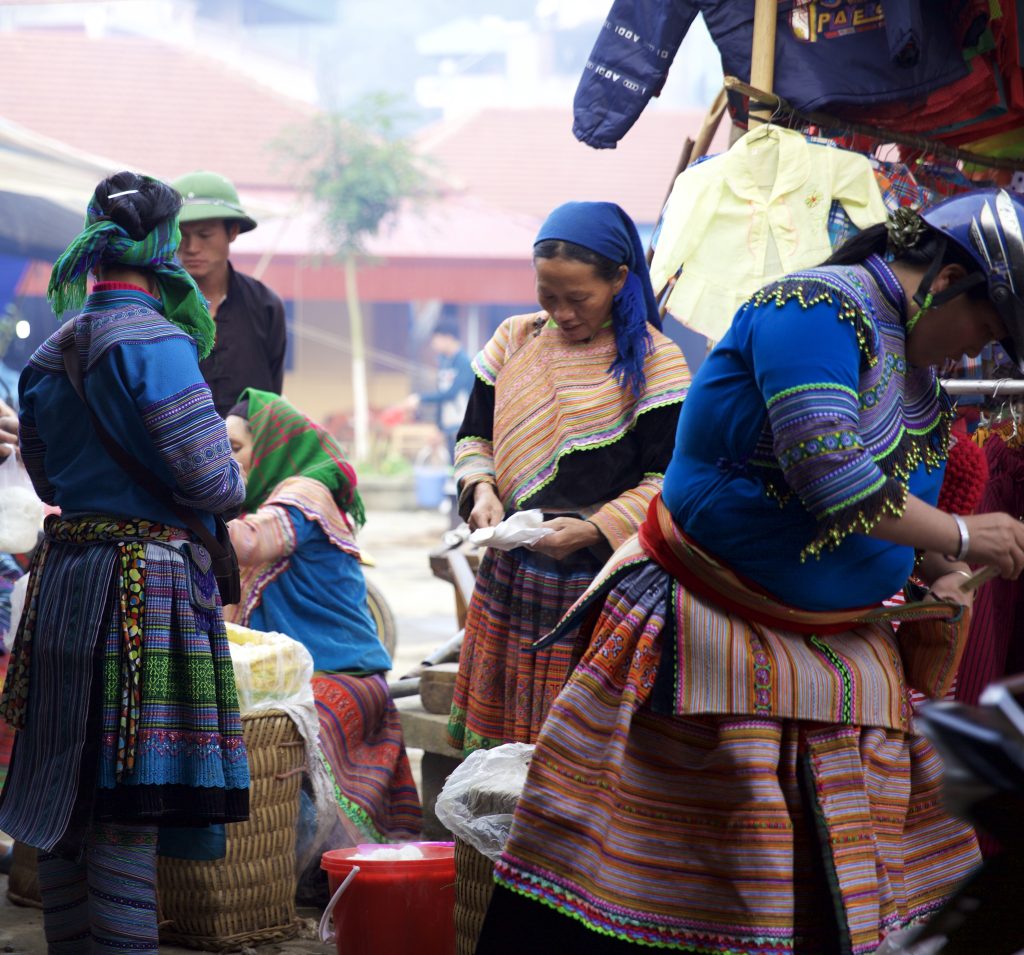
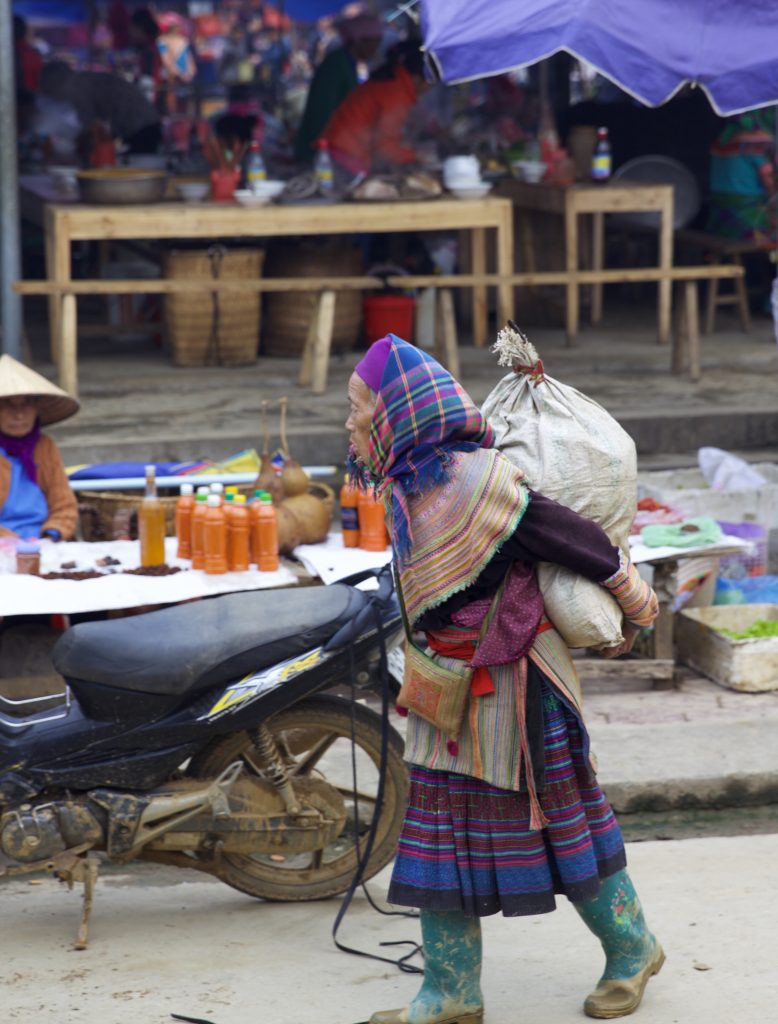
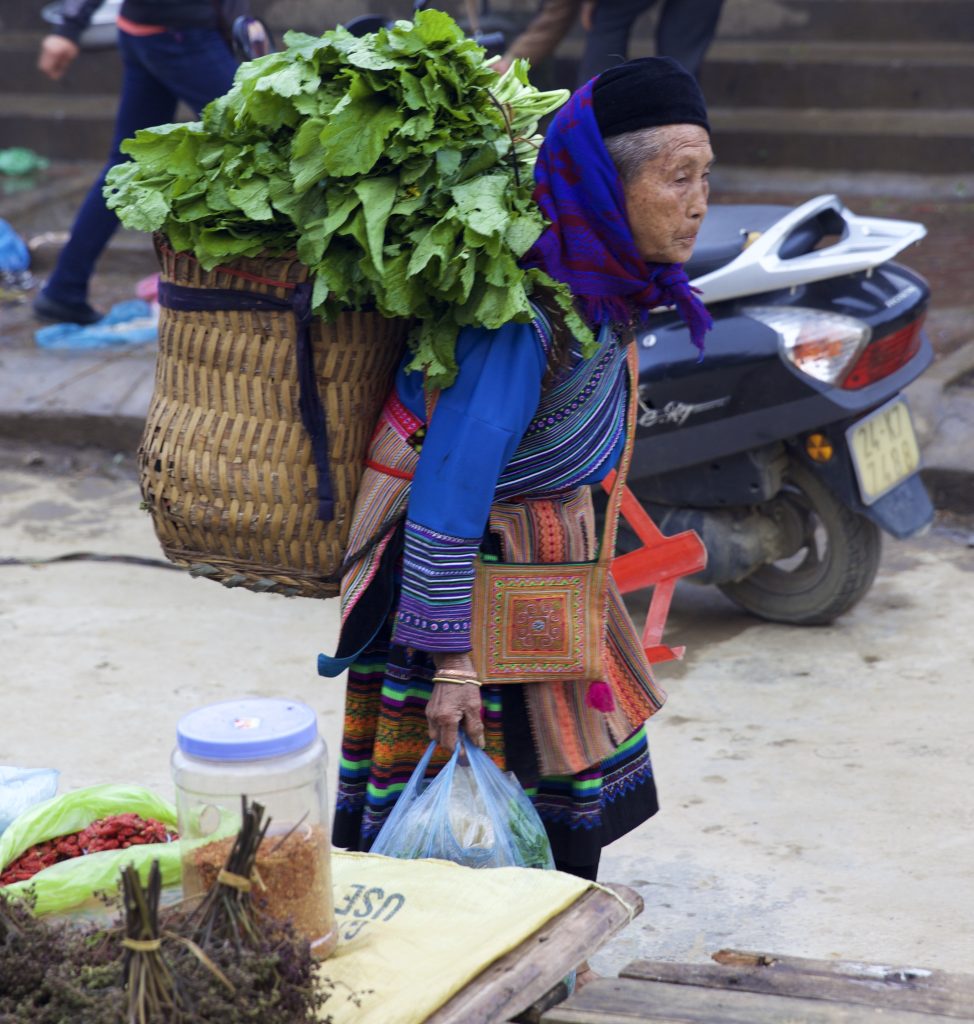
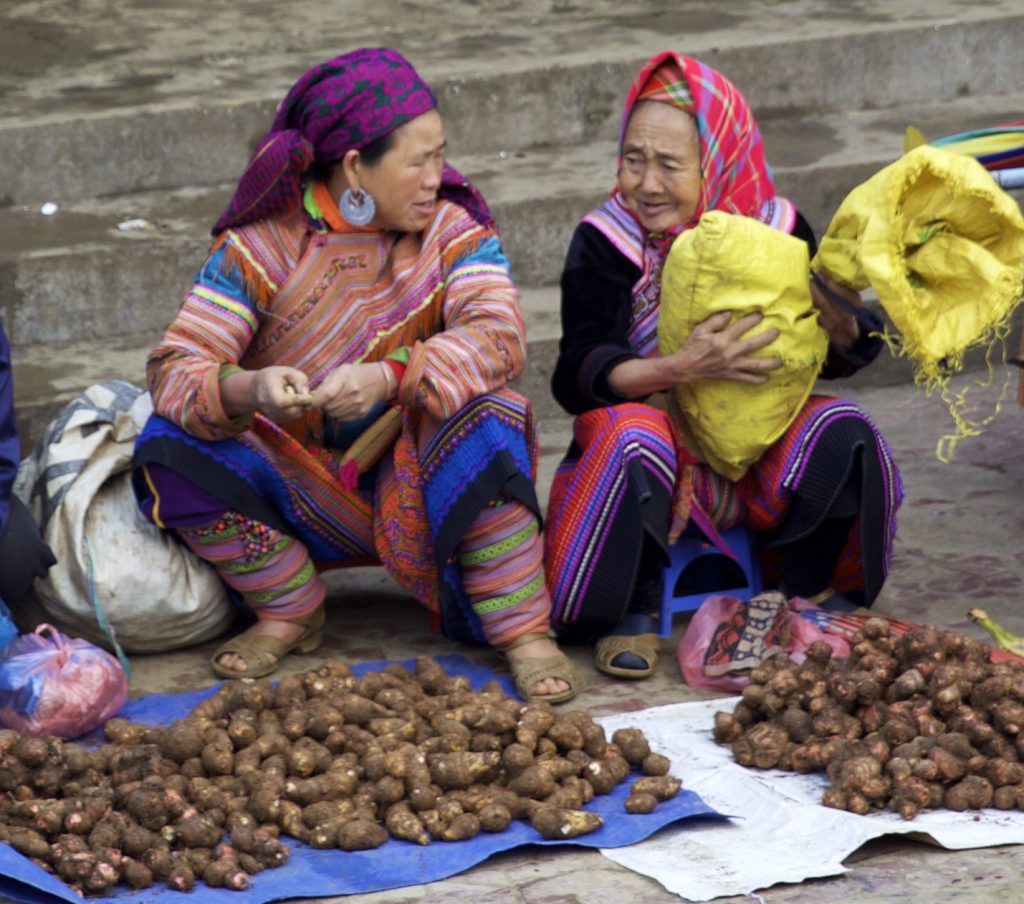
That early hour was the most fascinating part. Once the sun rose and the crowds arrived, the market transformed into something more familiar, just with the added bonus of beautifully dressed hill tribe women in traditional gowns selling unidentifiable root vegetables to unsuspecting foreigners.
And then there was Puppy Alley.
Which I refused to walk down once I realized what it was: rows of irresistibly cute puppies being sold—not as pets, but to be fattened and slaughtered. I understand cultural differences. I understand that food is food. But that doesn’t mean it’s easy to witness.
As if that weren’t enough, our minivan back to Sapa delivered the final reality check: three young puppies, newly purchased, caged beneath our luggage, squealing in confusion or fear for two straight hours.
Good times.
It’s easy to claim we’re more humane in the West—but how different is it really? What kind of lives do our cows, pigs, and chickens lead? Do animals deserve protection based on fluffiness? Should we eat rabbits? Chickens? Pigs but not dogs?
Travel has a way of stripping away comforting assumptions and forcing uncomfortable questions. And this was just one more moment where being elsewhere reminded us that culture, morality, and food are far more complex than what fits neatly into a menu or a guidebook.
“Dog is a mans best friend!!”
But so can a cow or a pig be somebodys friend. I understand your dilemmas.
My wife would have freaked out seeing dog alley, maybe a blessing in disguise deciding to skip Bac ha
Probably,I freaked. However you did miss Sapa, which was worth it.