Exploring the Essaouira Fish Market and Coastal Moroccan Life
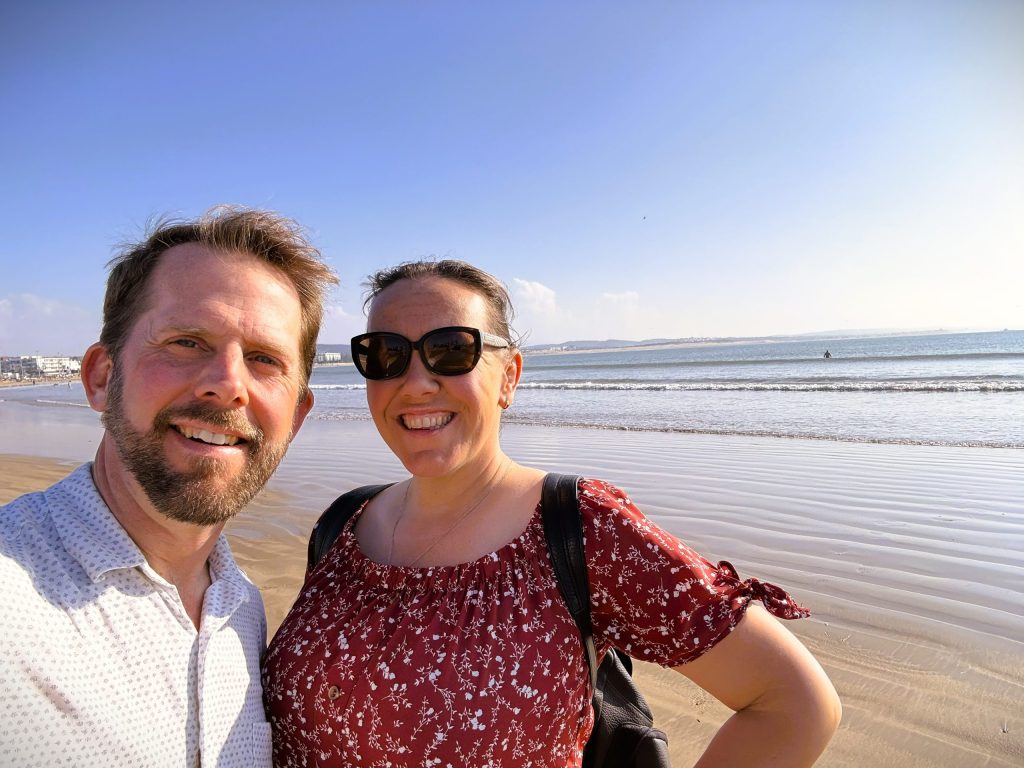
For our last overnight, we decided to head to Morocco’s Atlantic coast, hoping to balance the intense hustle of Marrakech with a bit of beachside respite before returning home. For me, travel demands presence at every step. Whether you’re waiting for transportation or simply riding in it, there’s always an opportunity to absorb, observe, and learn from a new culture.
One thing worth noting is how construction presents itself in developing countries. It’s nothing like the United States, where cranes dot skylines and workers are visibly building upward. Here, construction shows up as torn-up walkways, piles of concrete, dirt, and brick, or rebar jutting skyward from unfinished structures. You’re left unsure whether things are coming down or going up. You rarely see anyone actively working, yet the entire country feels like a project in progress.
Later, our guide helped explain it: developers often buy land, build a rough cinderblock wall, and then sell it as “build-ready.” Suddenly, it all made sense. Everything is perpetually in progress. We’ve seen this pattern across many non-Western countries, and once you notice it, you can’t unsee it.
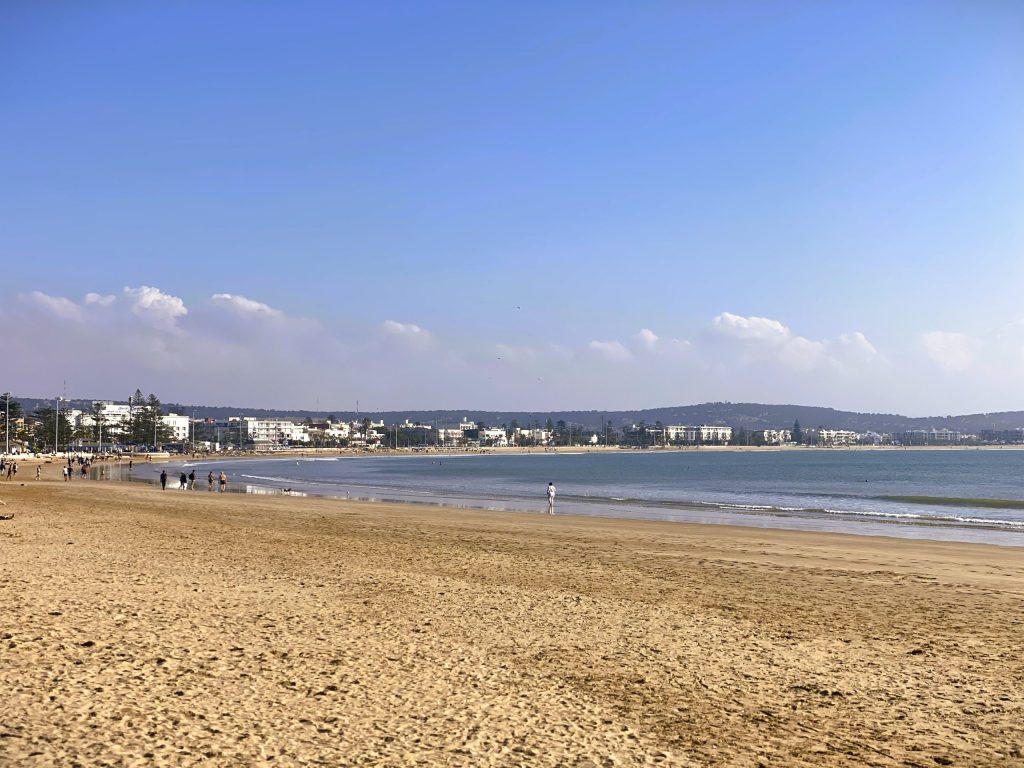
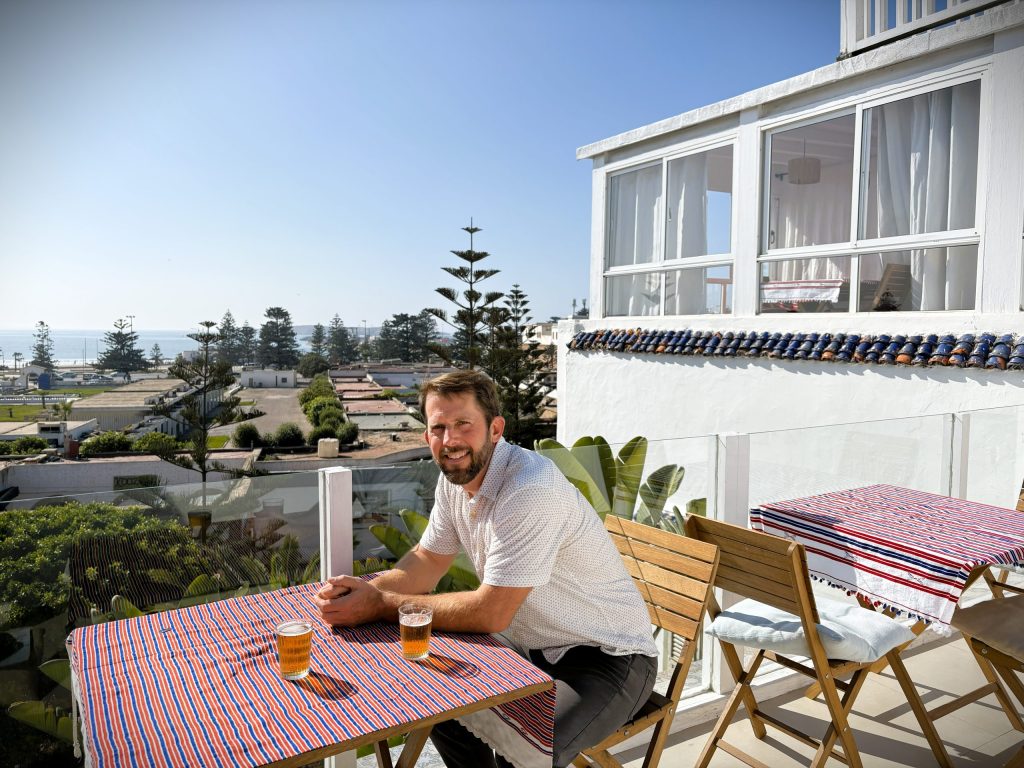
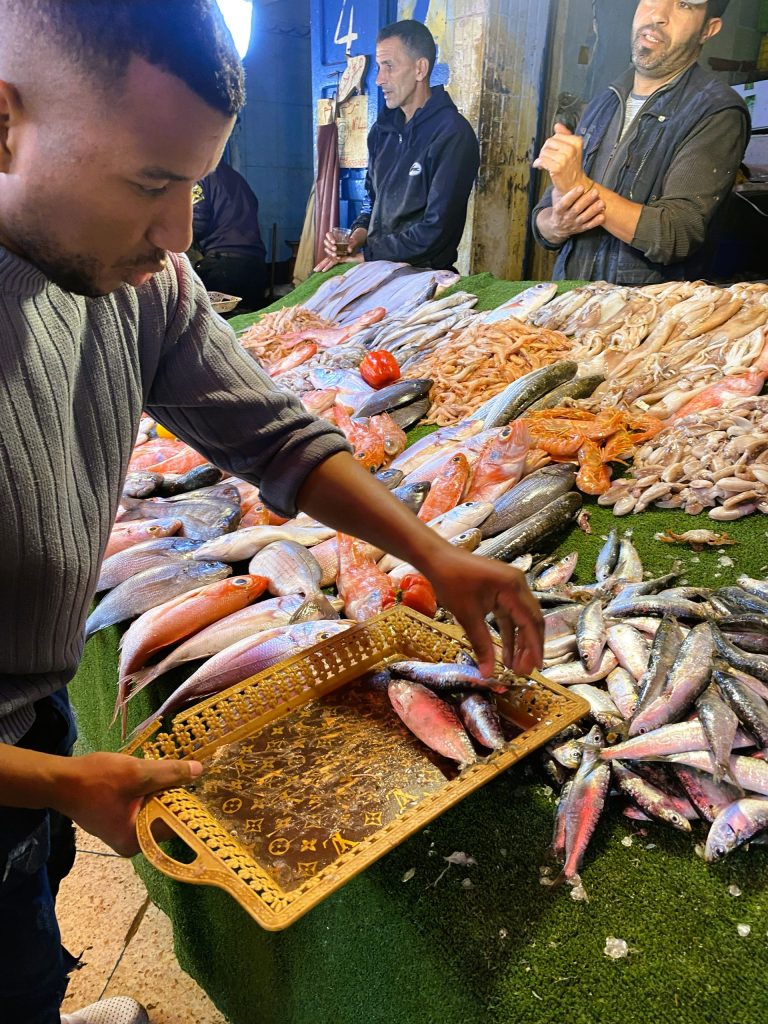
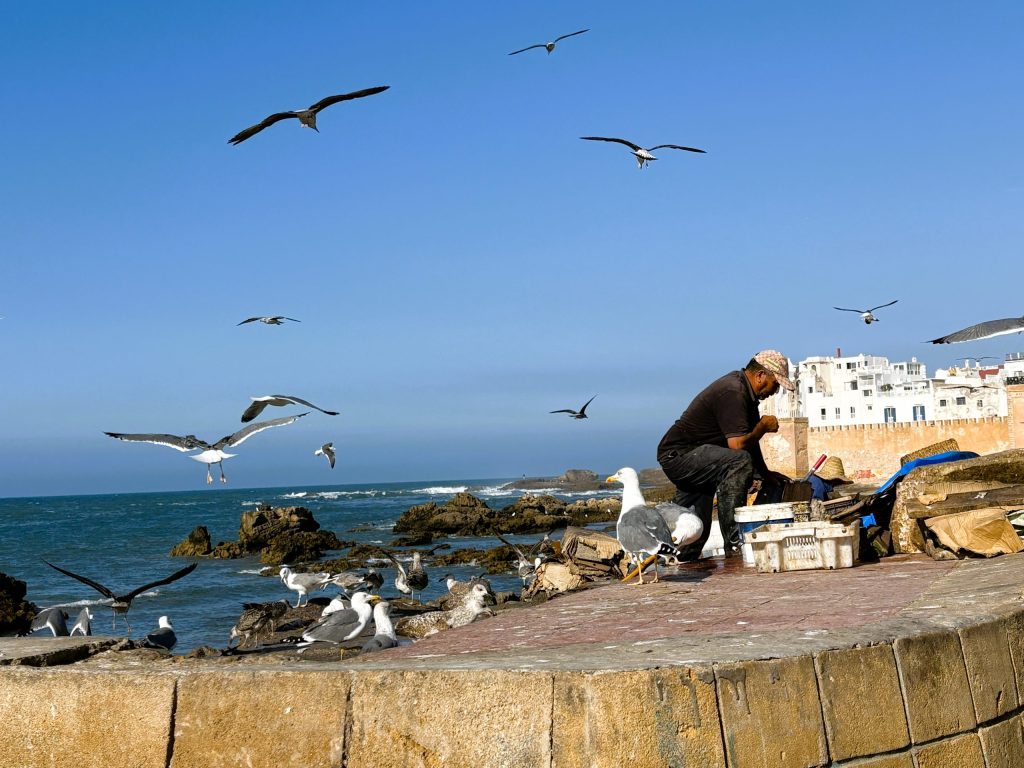
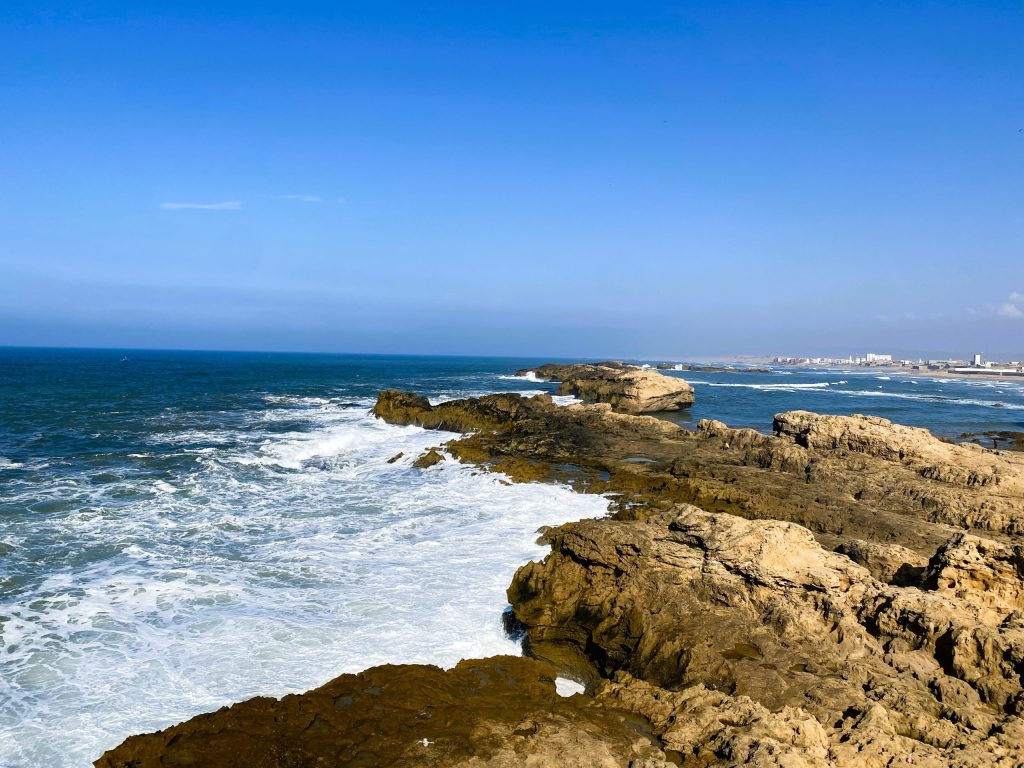
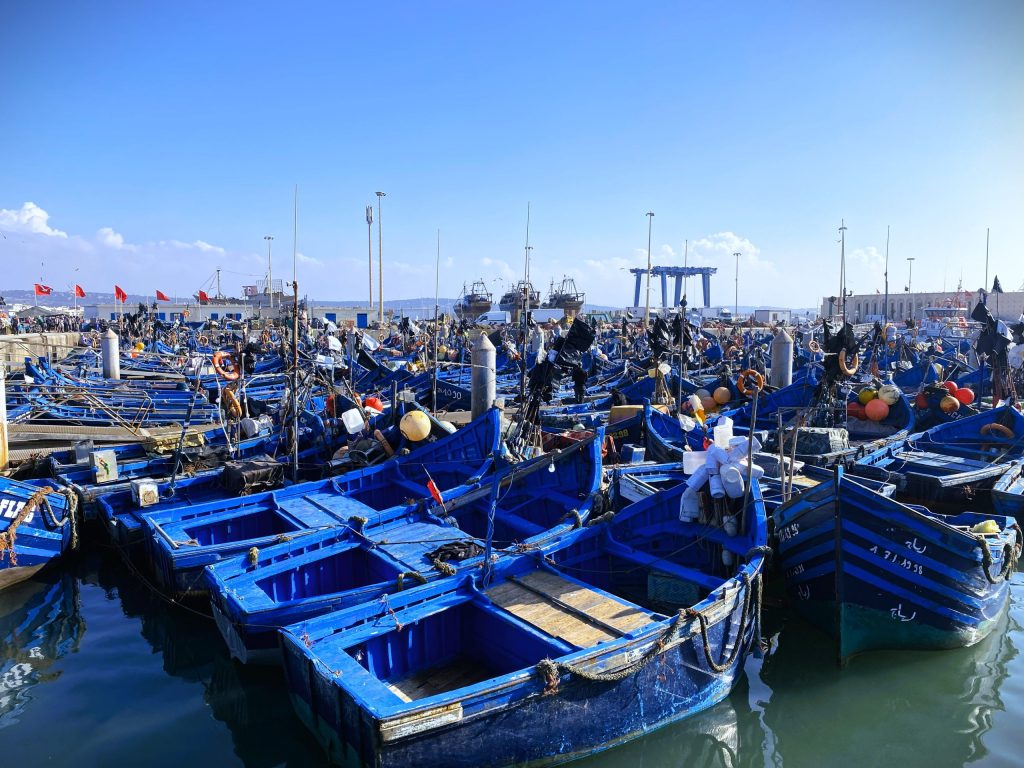
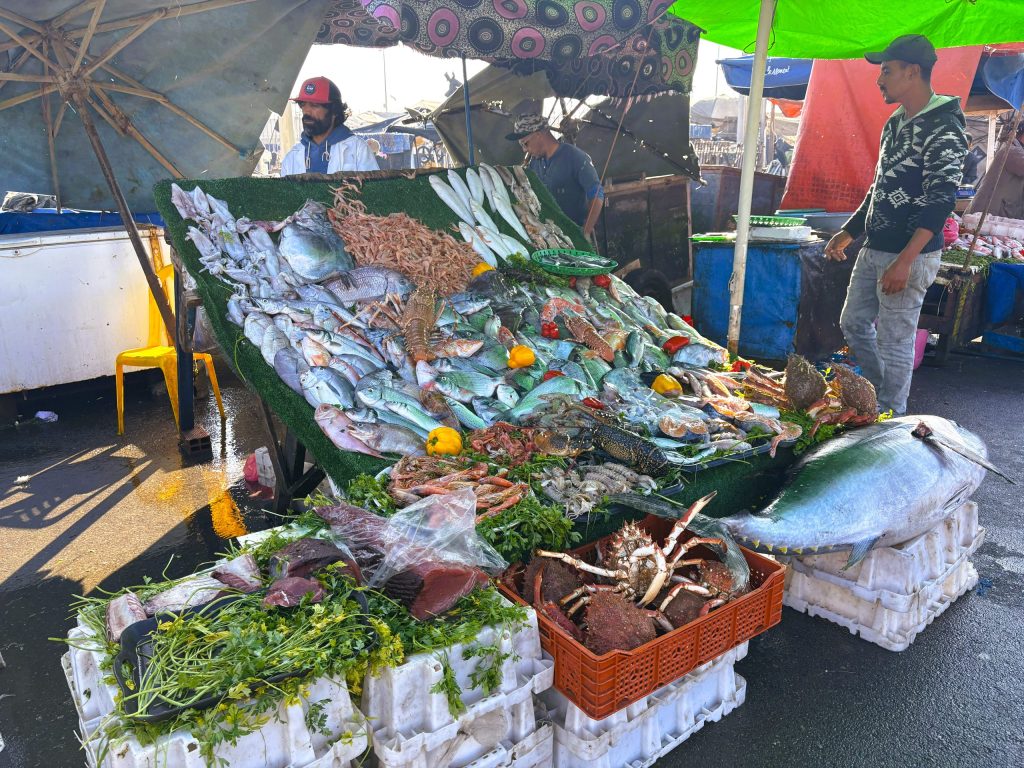
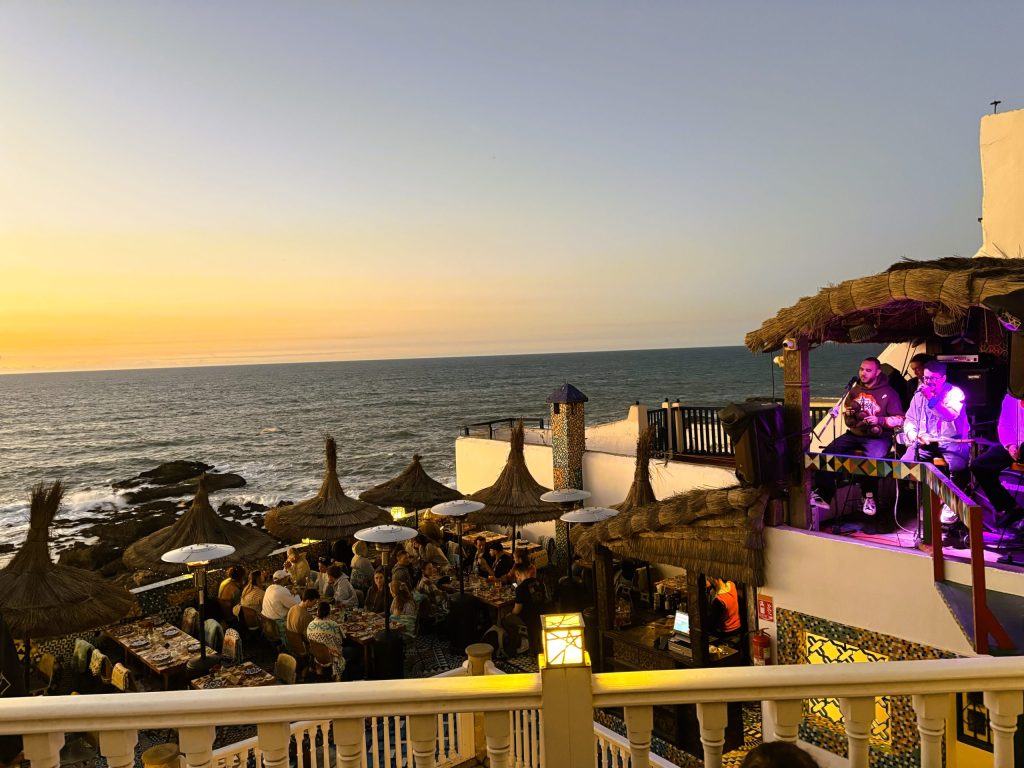
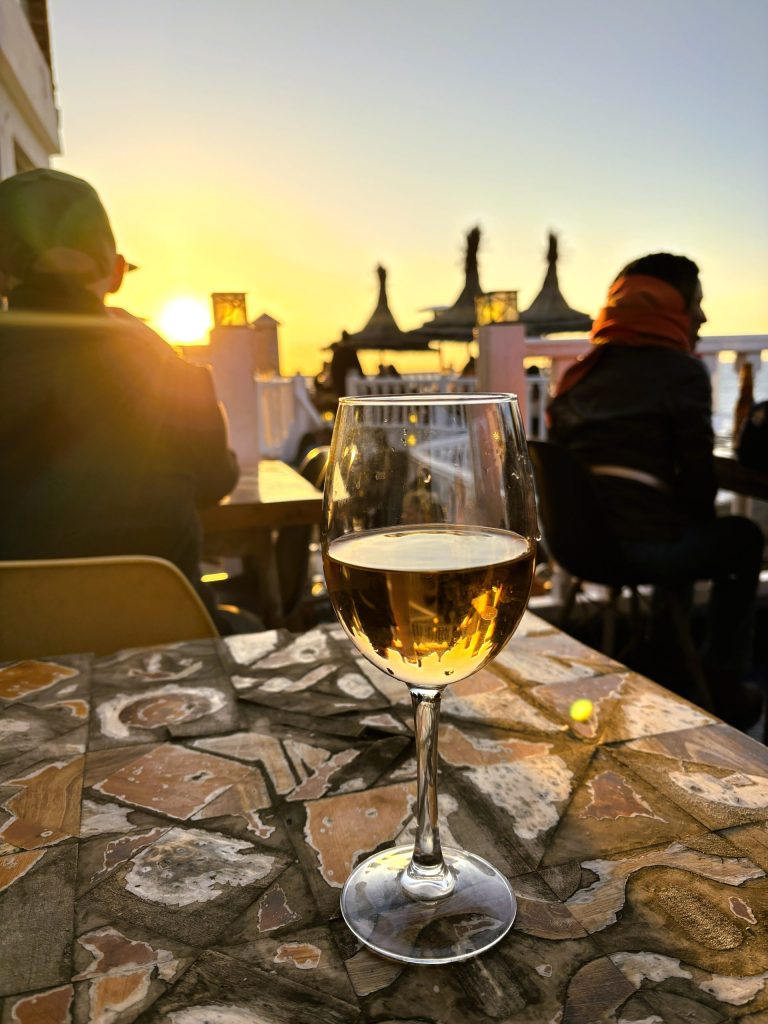
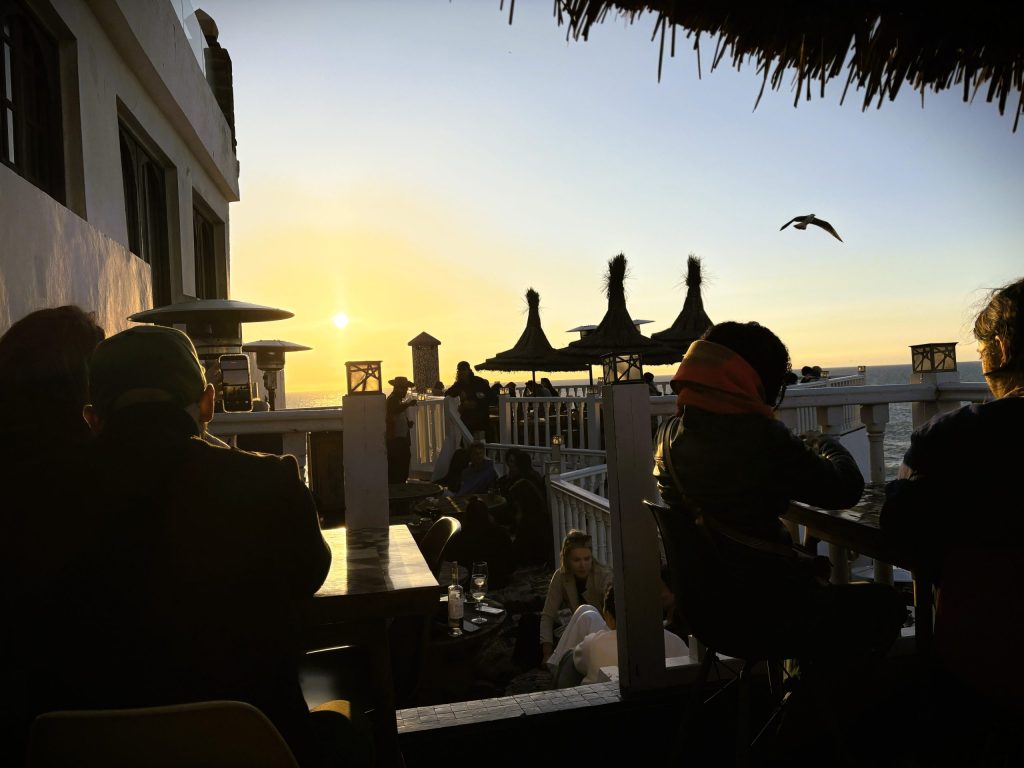
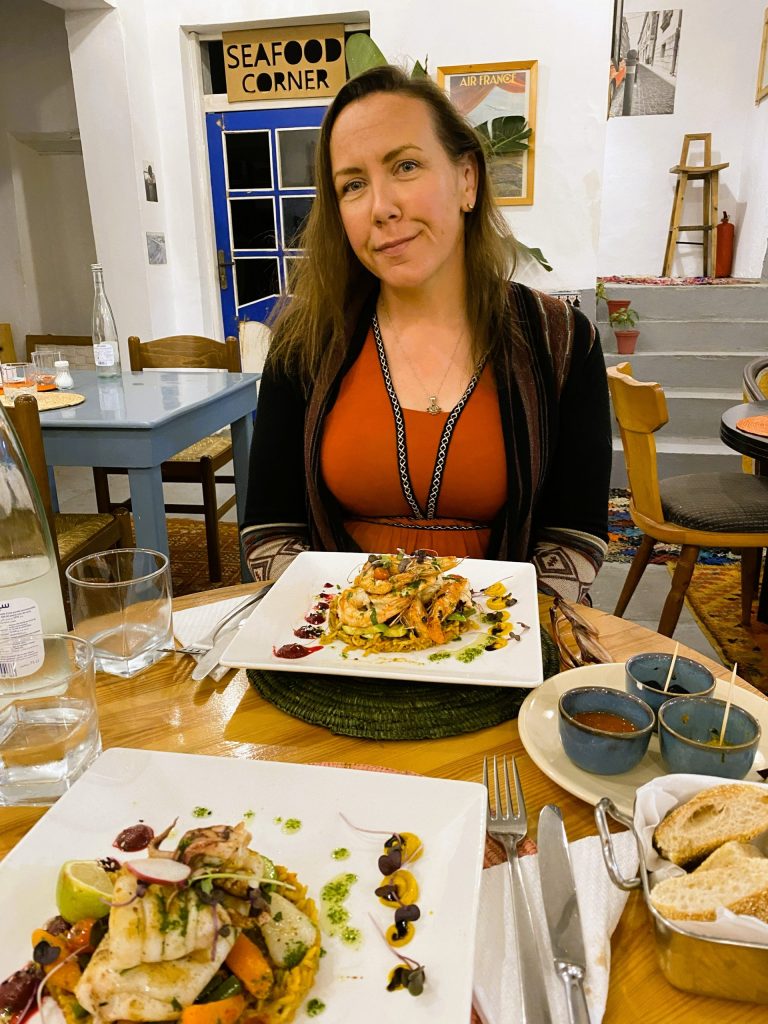
Arriving in Essaouira, the vibe instantly shifted. There’s something about being near the ocean that demands you slow down and breathe. Coastal cities also promise one thing we always look forward to: fresh seafood. A popular tourist ritual is heading to the fish market, choosing freshly caught seafood, and having it grilled on the spot by the neighboring stall. Cheap, easy, and usually dripping with local authenticity.
Little did we know — this is where we’d get got.
Traveling with a guide has its benefits. It offers deeper cultural insight than you’d likely gain during a short seven-day visit. But there’s a downside too: it dulls your instincts. Without constant interaction with locals, your travel “Spidey sense” softens, making you an easier target for a well-practiced scam.
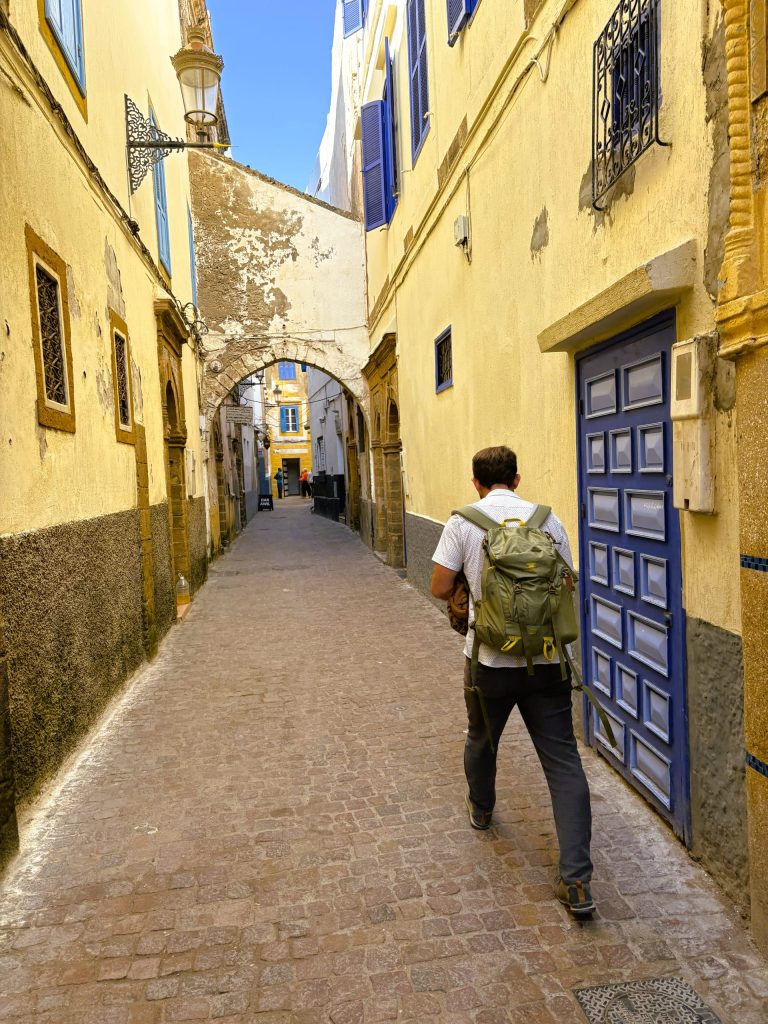
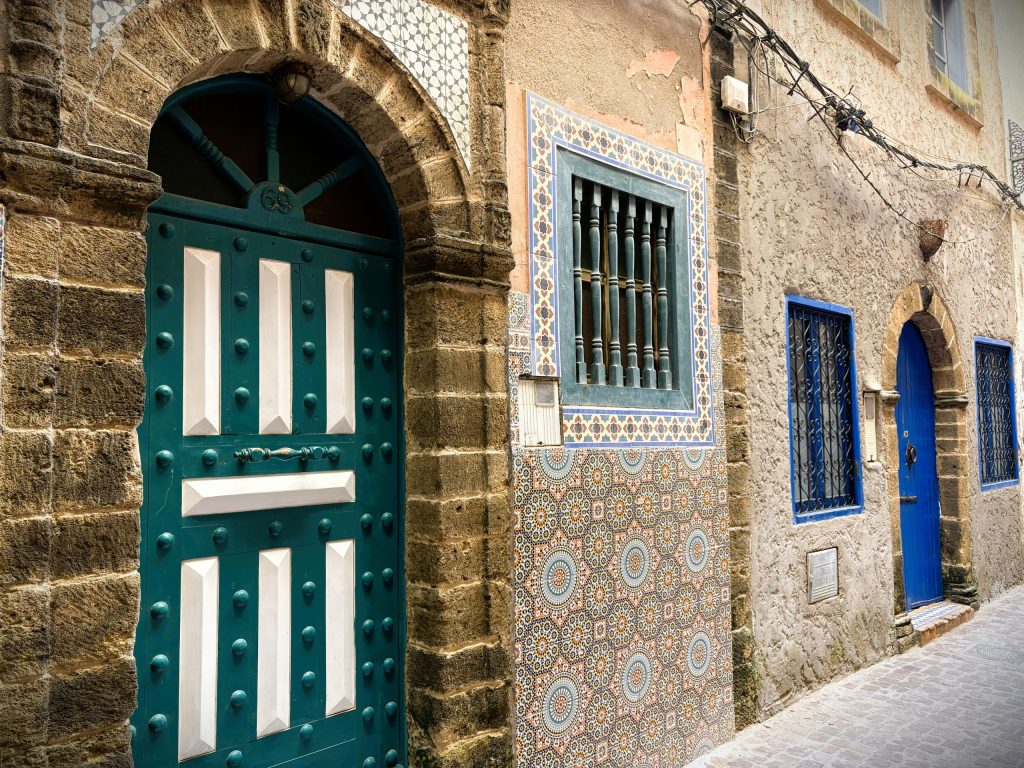
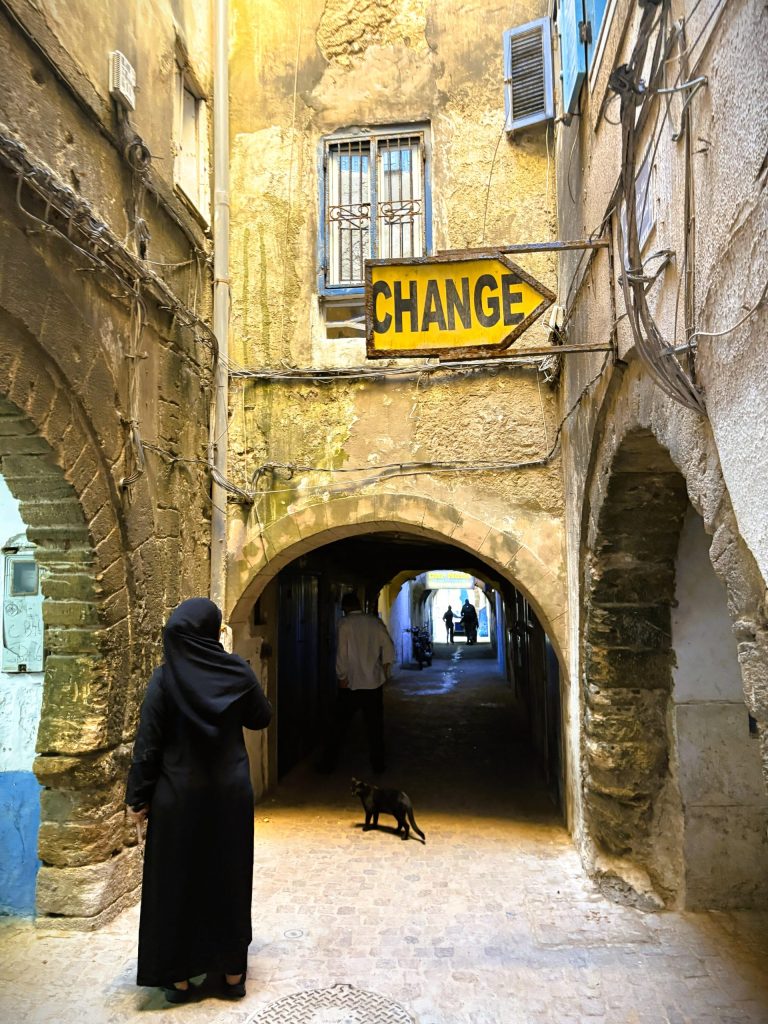
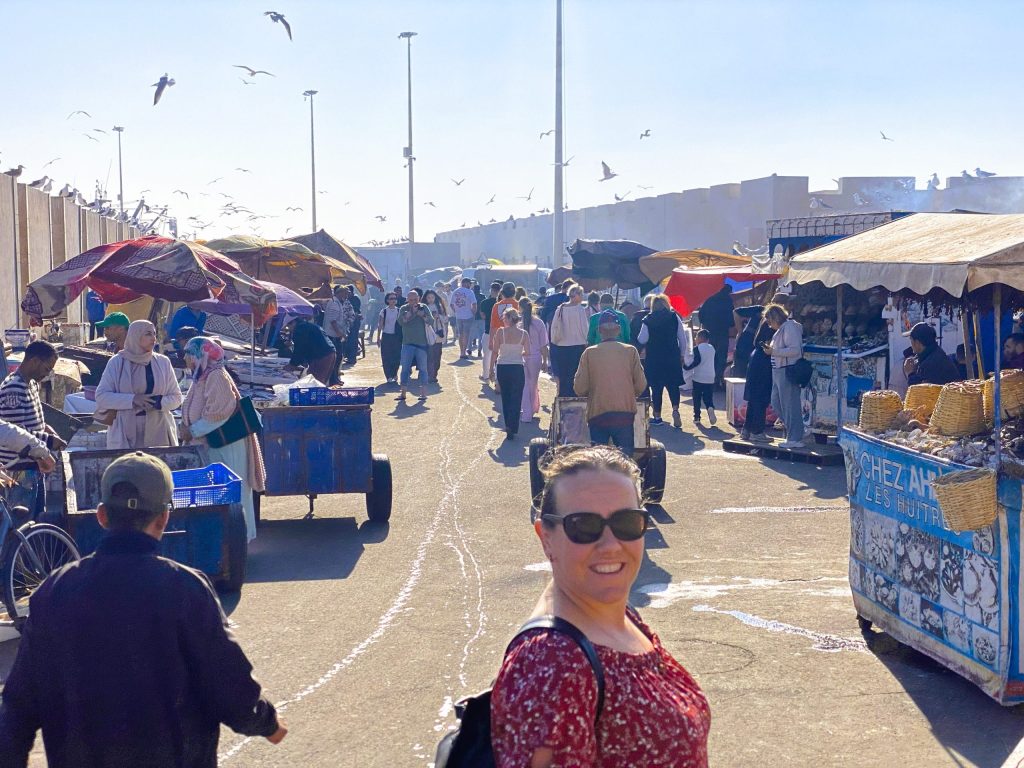
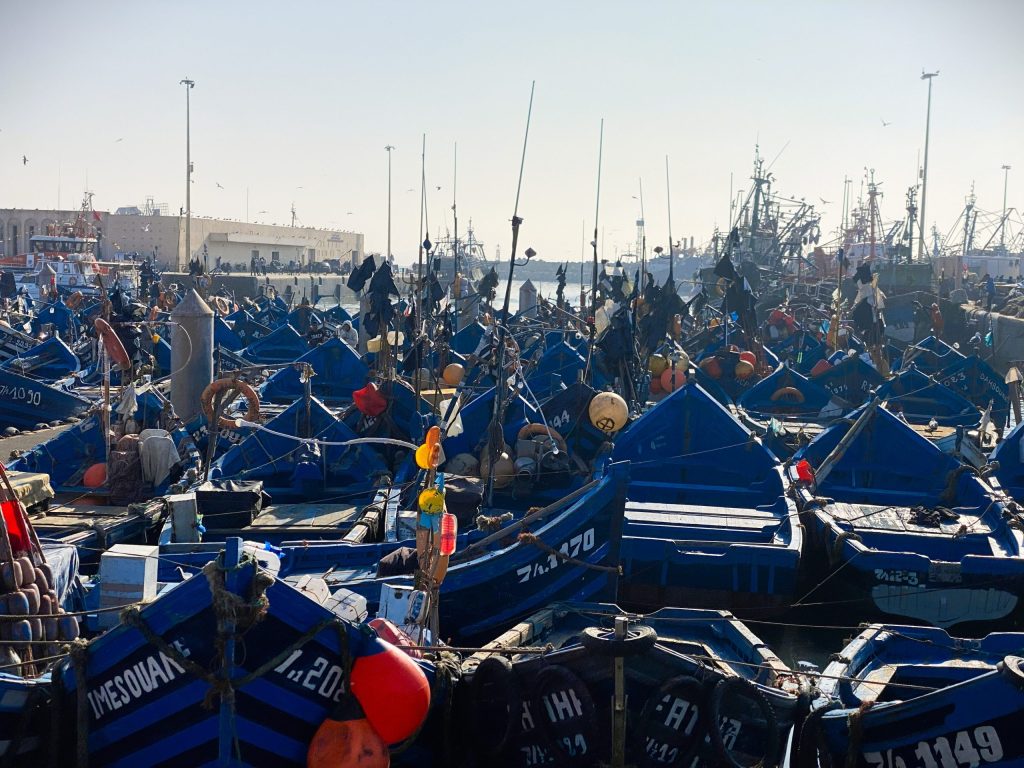
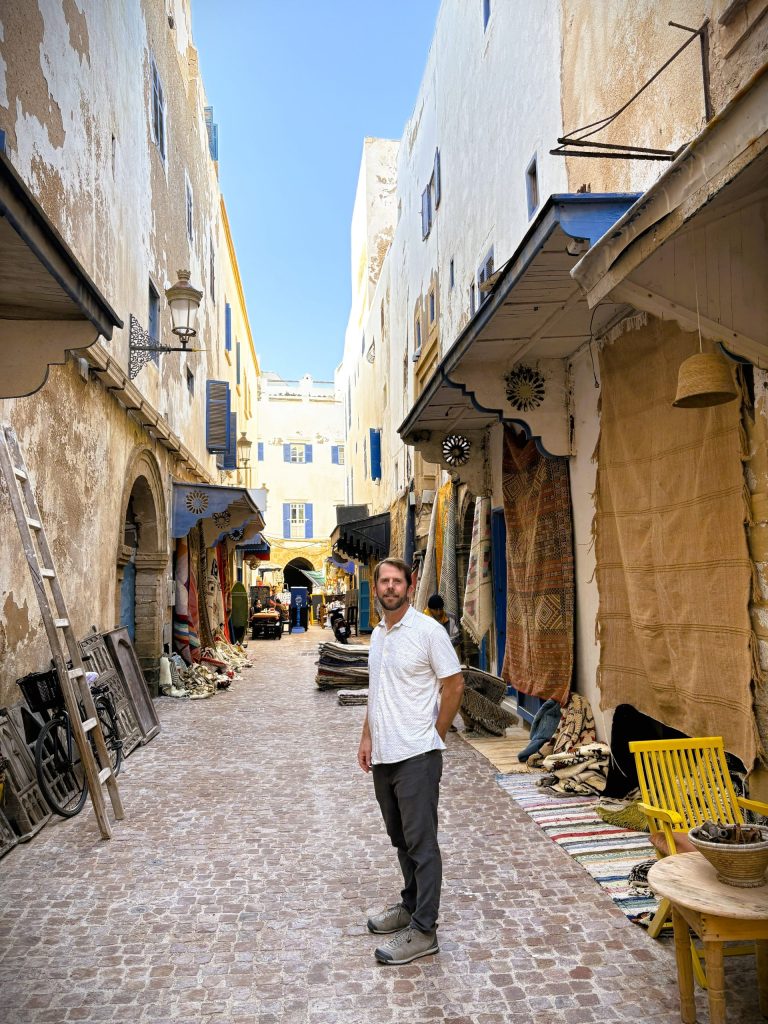
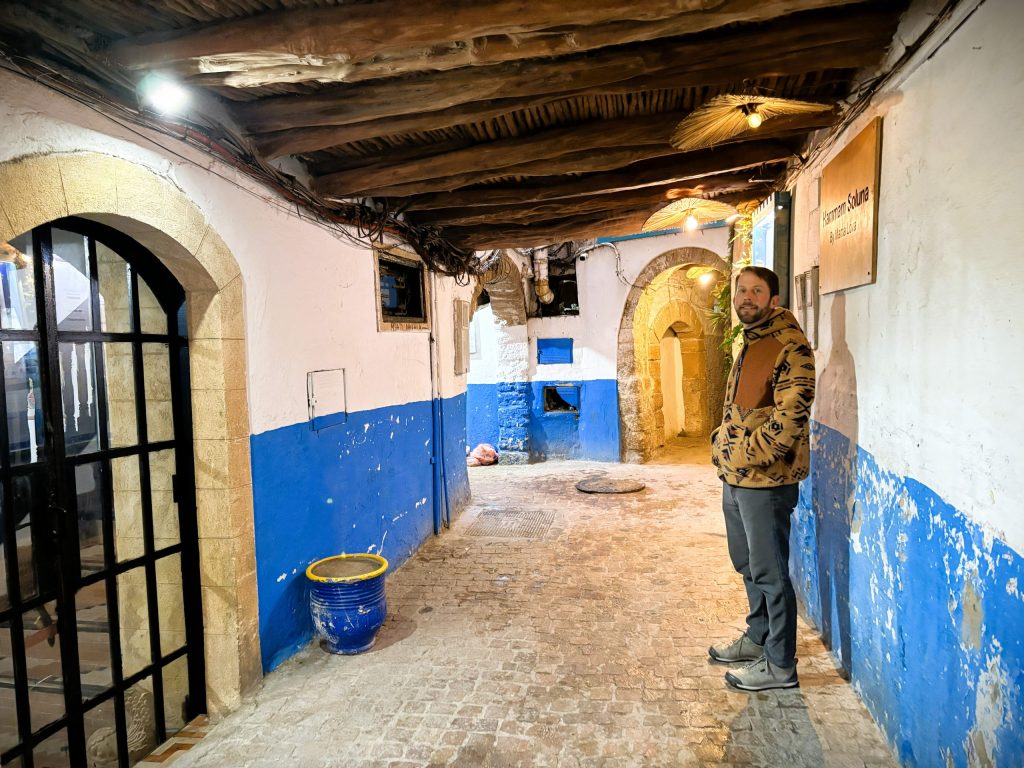
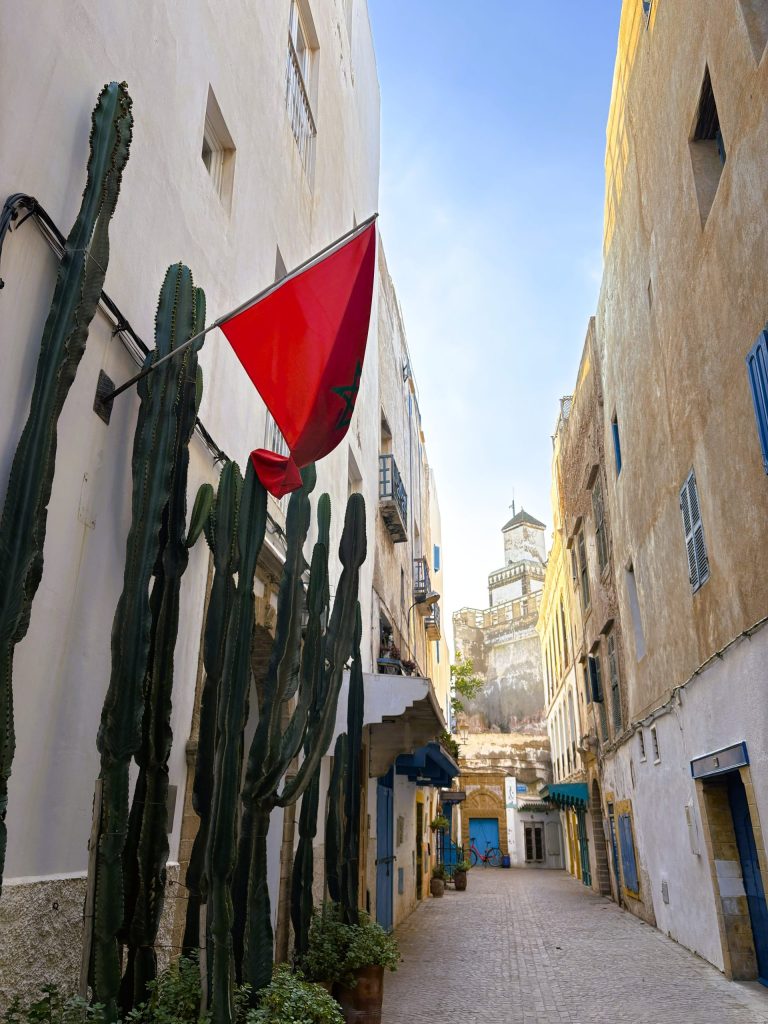
Based on our hotel manager’s advice — that the “locals” go to the fish market in the town center rather than the port — we set out on foot through the quieter streets of Essaouira’s Medina. After a few failed attempts to navigate the alleyways, our noses did what our maps couldn’t. The smell of a fish market is unmistakable, often enough to turn people away before they even consider dinner.
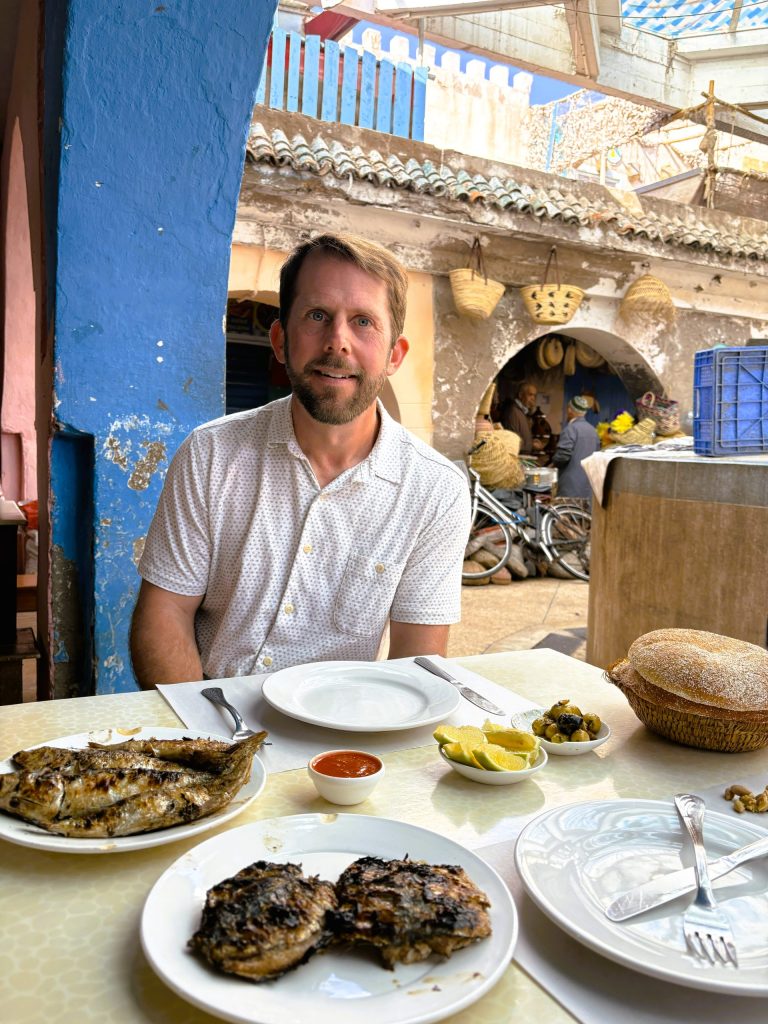
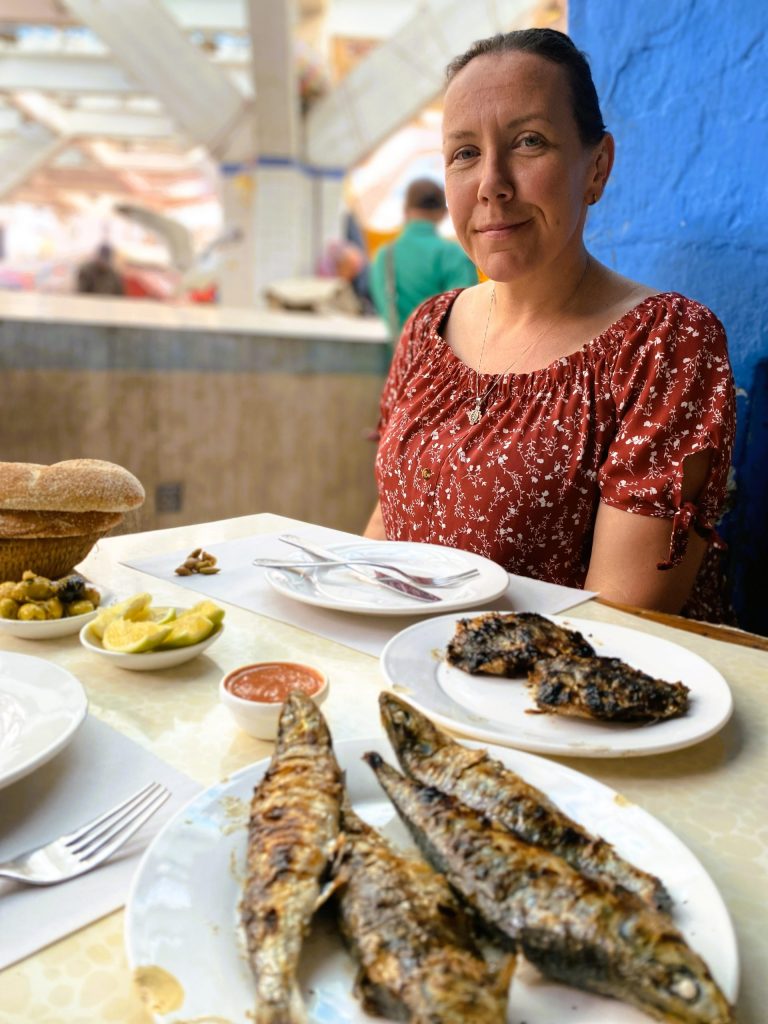
We were shopping with our stomachs, not our minds — and it showed. English-speaking fixers positioned throughout the market immediately clocked us as their next opportunity. After a quick, friendly exchange, we were guided, handled, and ultimately swindled into paying roughly ten times the going rate for a handful of sardines.
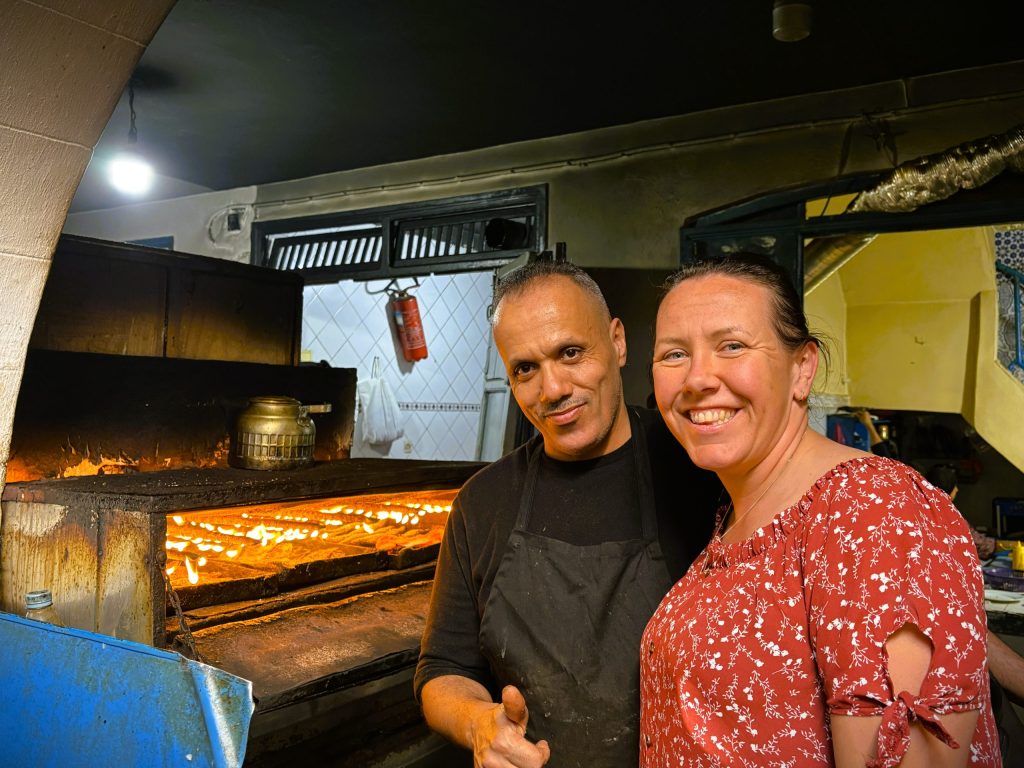
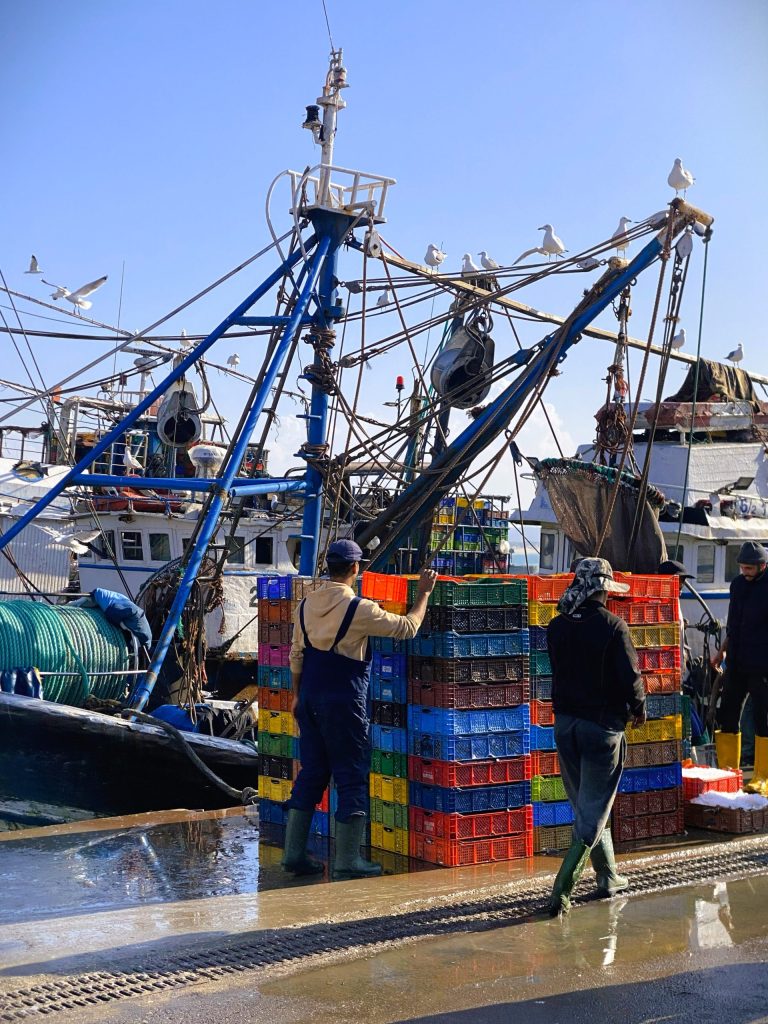
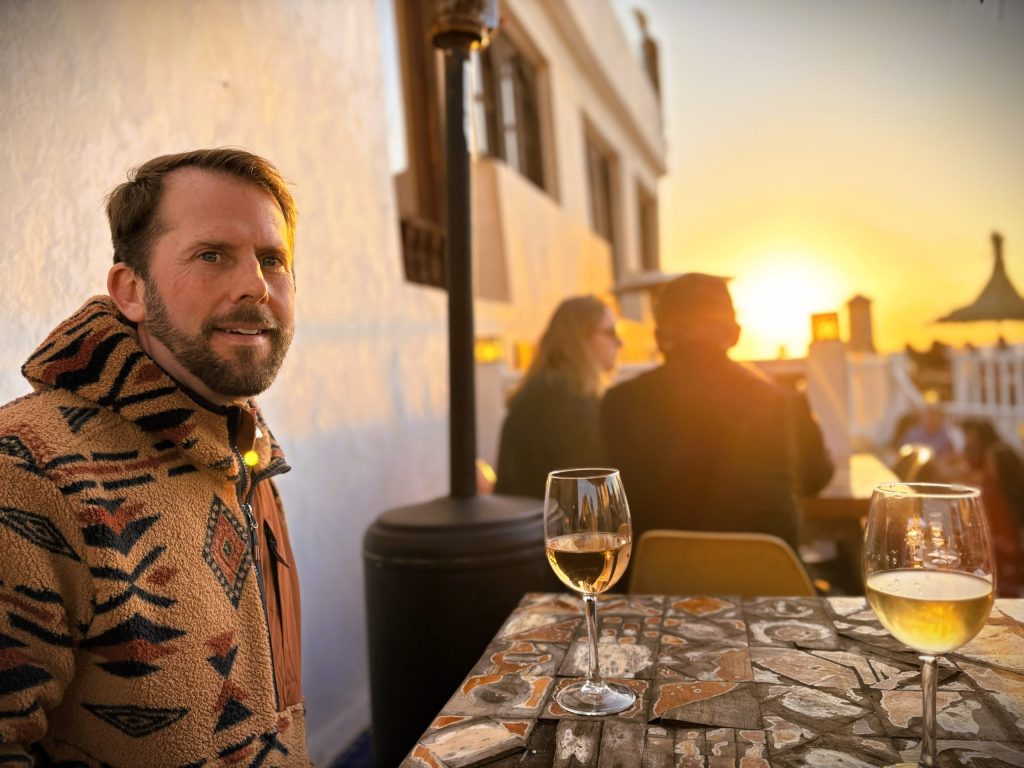
We knew it in the moment. And when we later confirmed prices at the port market, it was undeniable. Still, the actual damage amounted to maybe ten euros. Not our favorite way to spend money, but not exactly devastating either. We accepted the loss, sat down, and happily crunched through salty, freshly grilled fish.
When it came time to leave Morocco, our emotions were mixed. There’s always that strange sadness when travel ends just as it feels like it’s hitting its stride. But there was also gratitude — for stepping onto a new continent, meeting warm and generous people, experiencing an entirely new culture, and feeling connected to a place we previously knew very little about.
We left with reasons to return: unexplored regions, unfinished conversations, and an open invitation from our guide to stay in his home village someday. Travel does something unlike anything else I’ve experienced — it compresses growth, humility, and learning into an incredibly short window of time.
We’ll be back.