High Atlas Mountains Morocco
After spending what feels like the better part of our journey crisscrossing the country by vehicle, you start to pick up on a few things. A quick flash of headlights from oncoming traffic is a signal. What follows is the unspoken code of the road: a peace sign or the number two means police ahead, a quick wave means the road is clear. In a country full of checkpoints, this system becomes surprisingly useful.
Another thing you notice is that there’s always a parking guy. Unregulated by the government and loosely sanctioned by local councils, it’s a way to extract a few coins here and there—directing you where to park and how to safely pull out. At first, you might think, Wow, that’s really nice. But it’s more akin to the guy who insists on washing your windshield at a freeway exit: once in a while it’s fine, but every single time gets old quickly.
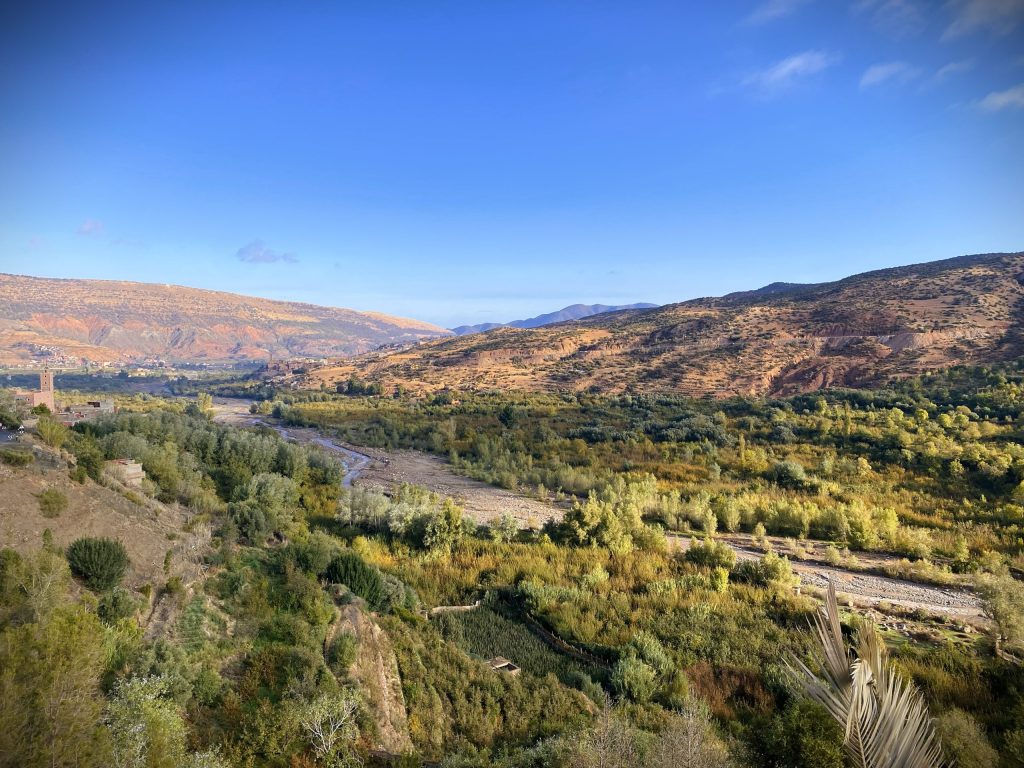
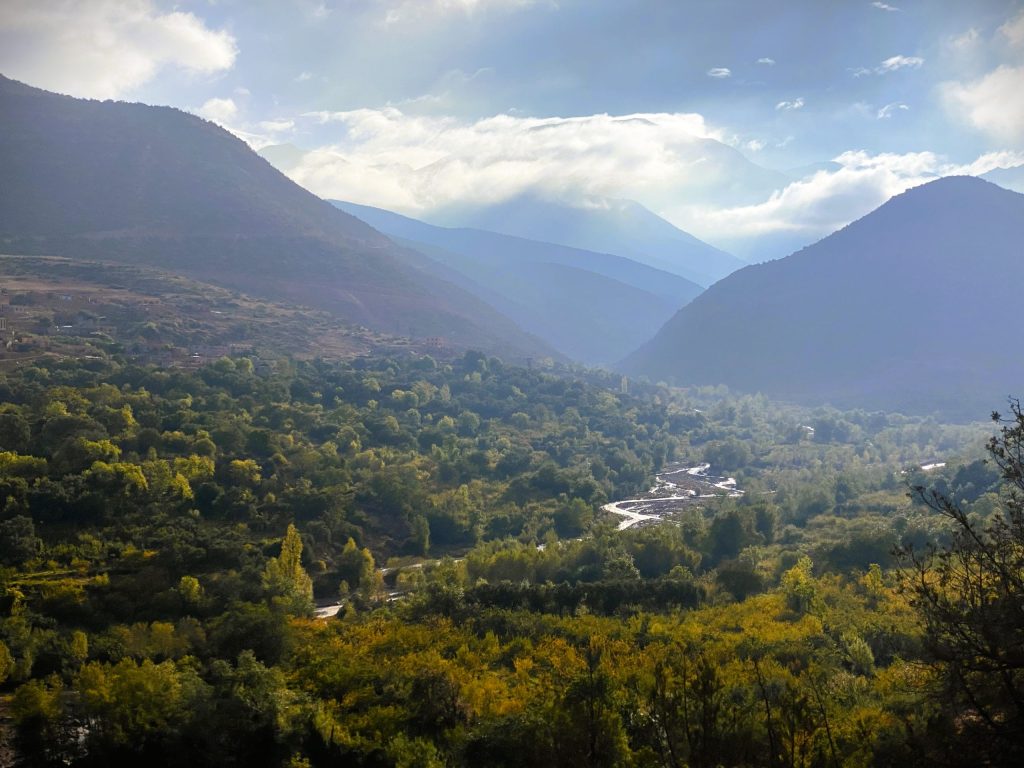
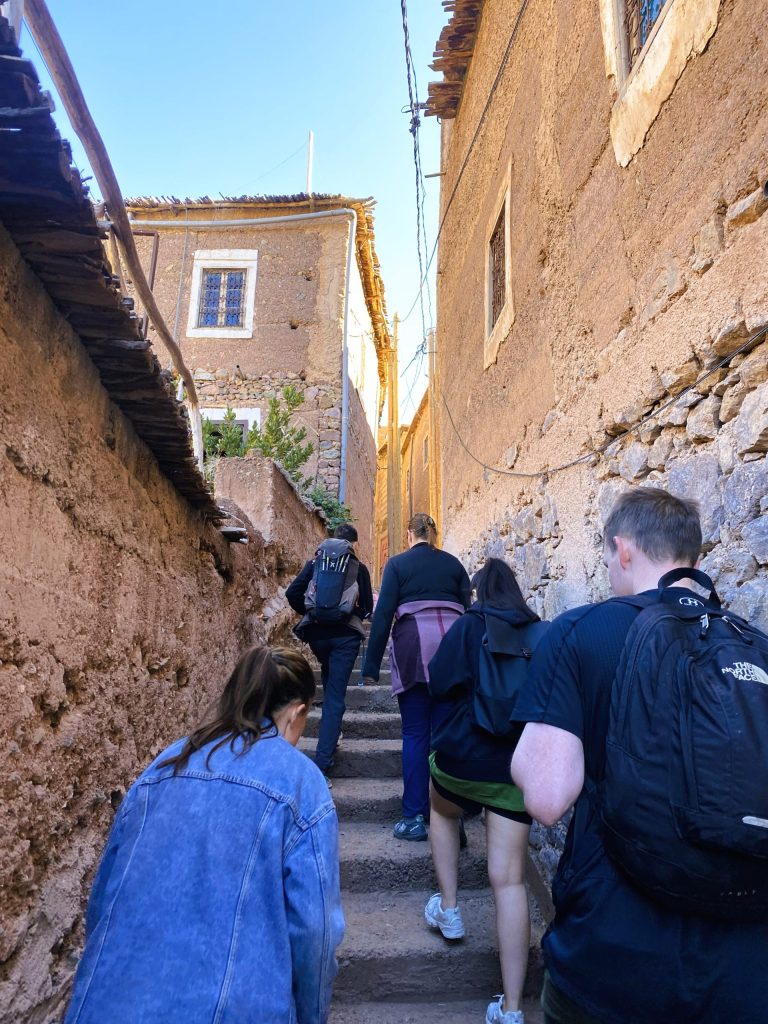
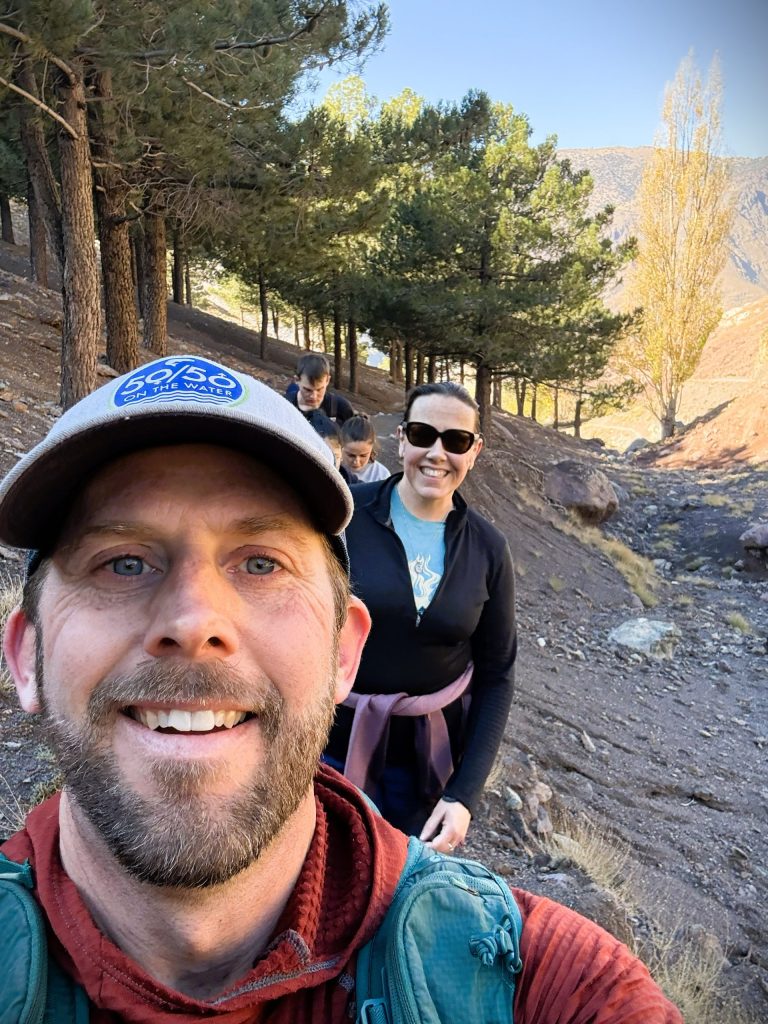
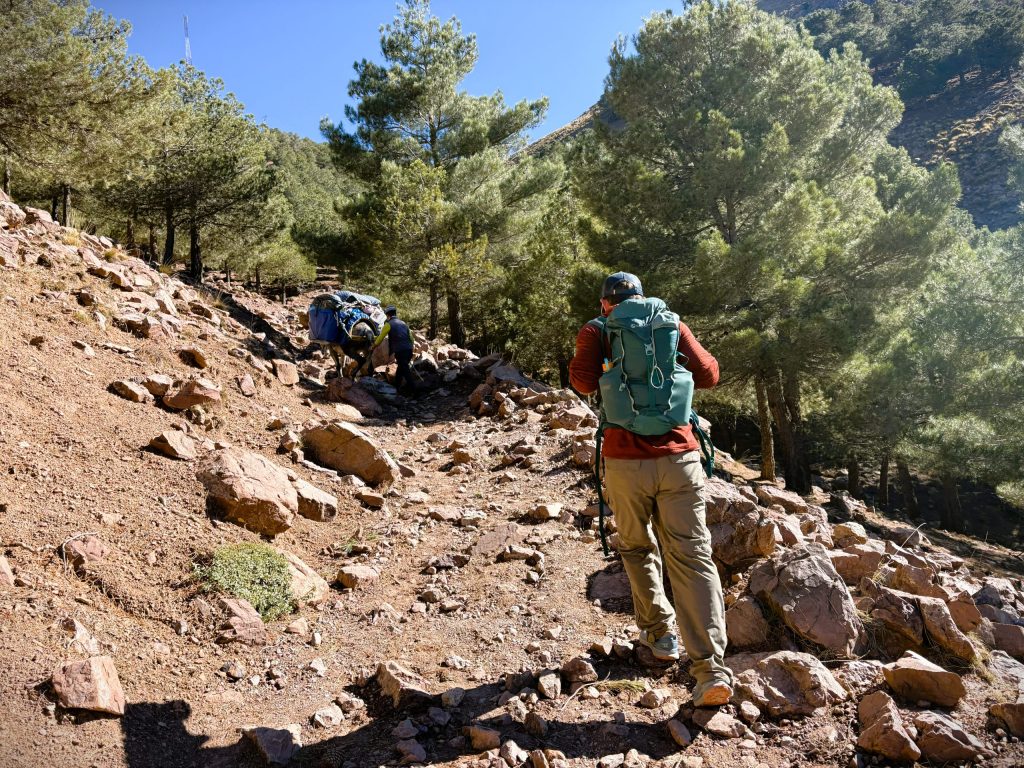
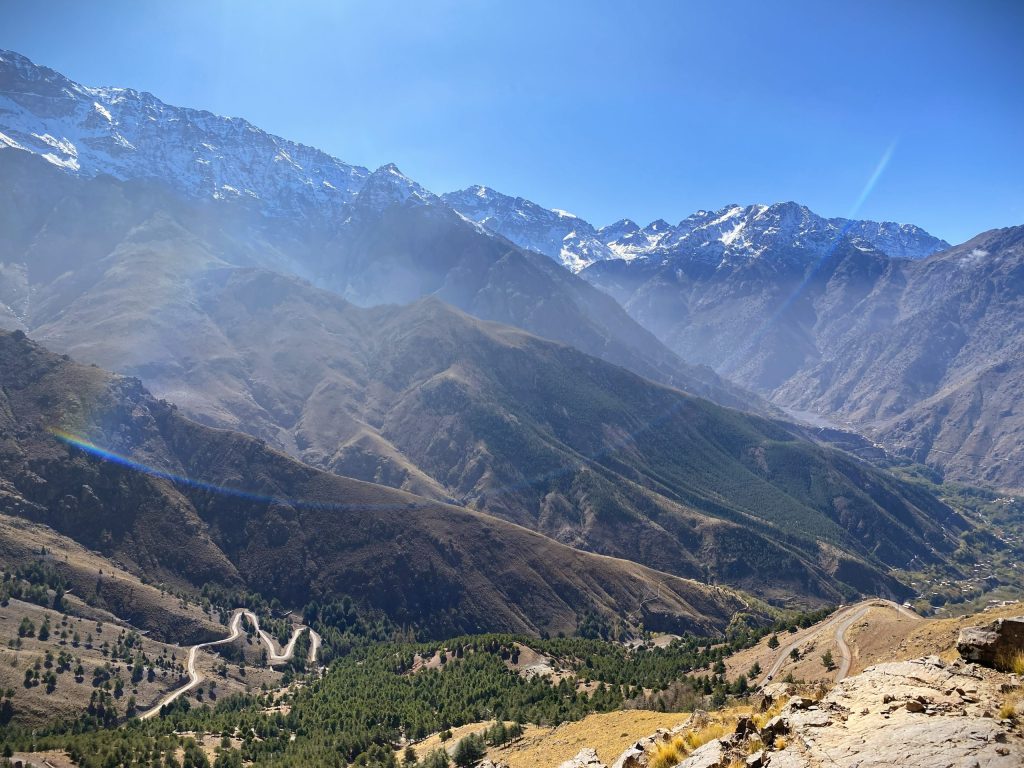
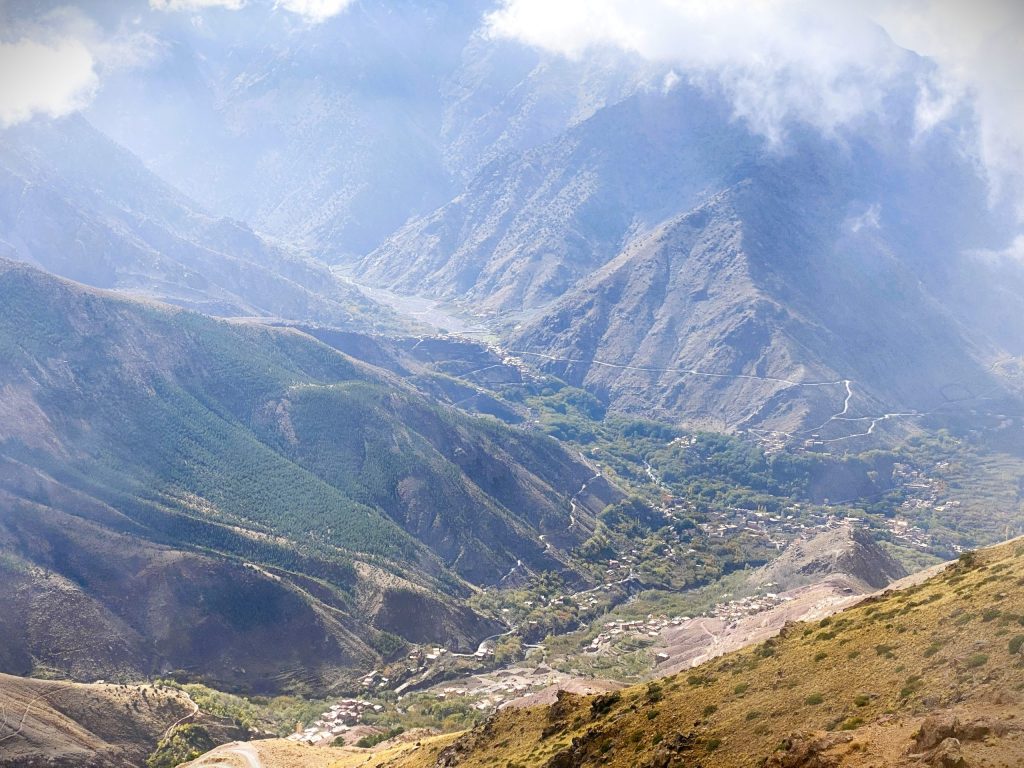
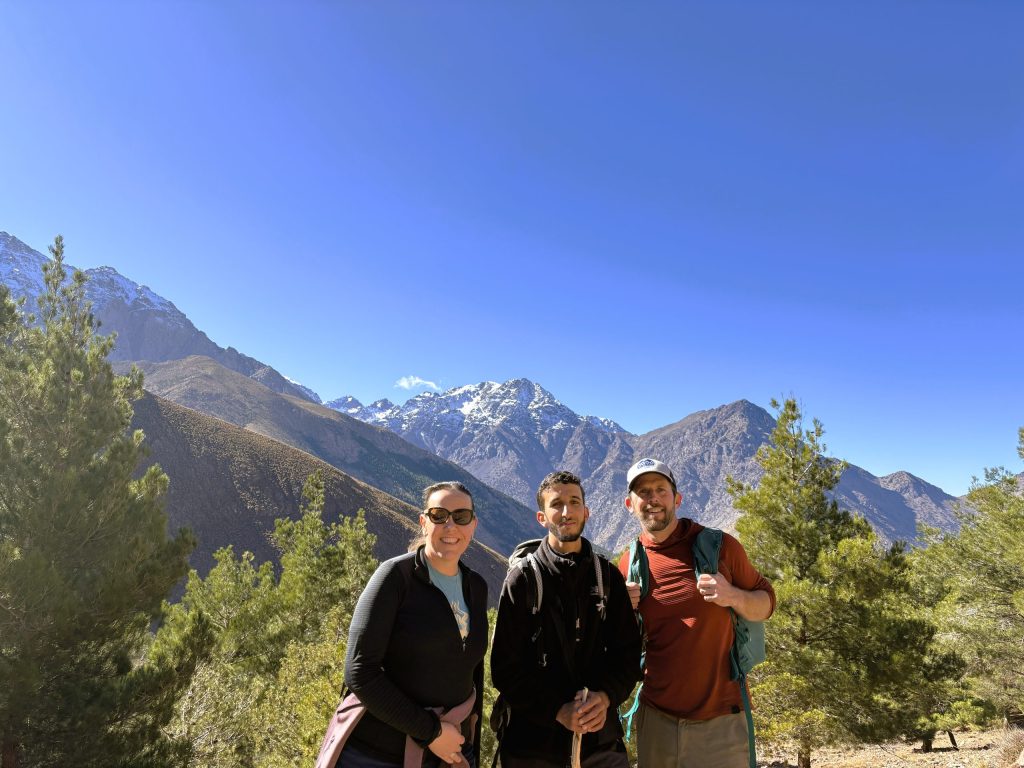
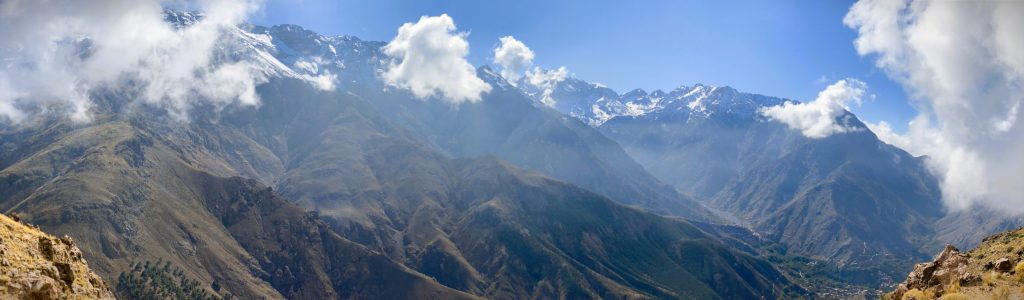
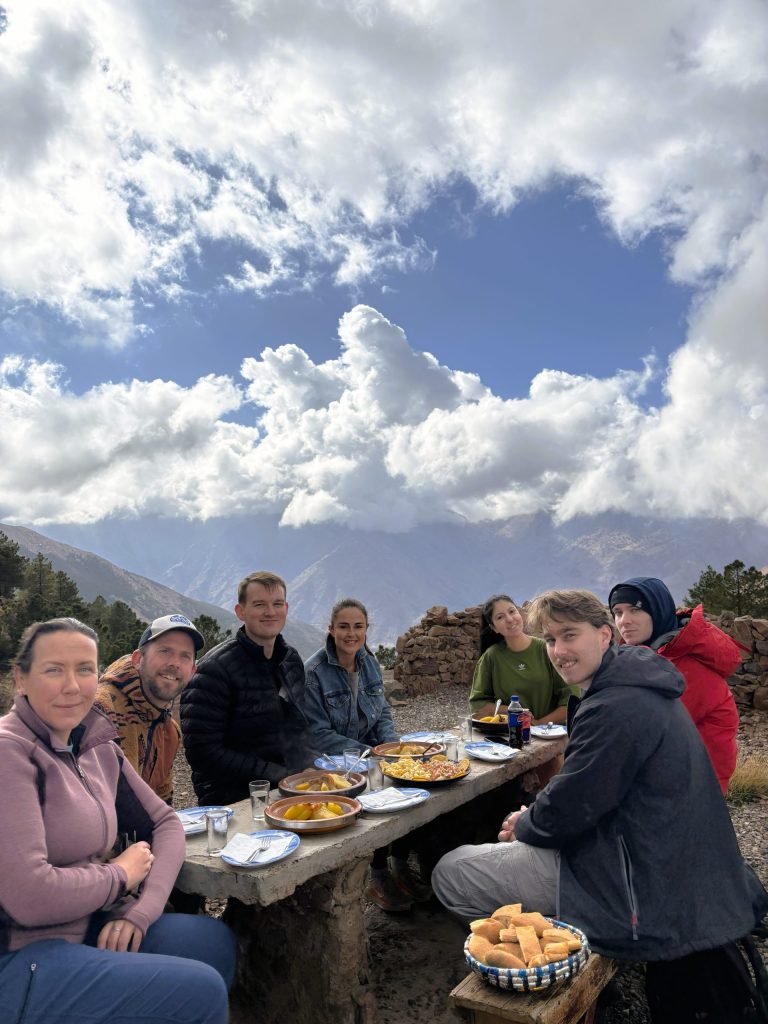
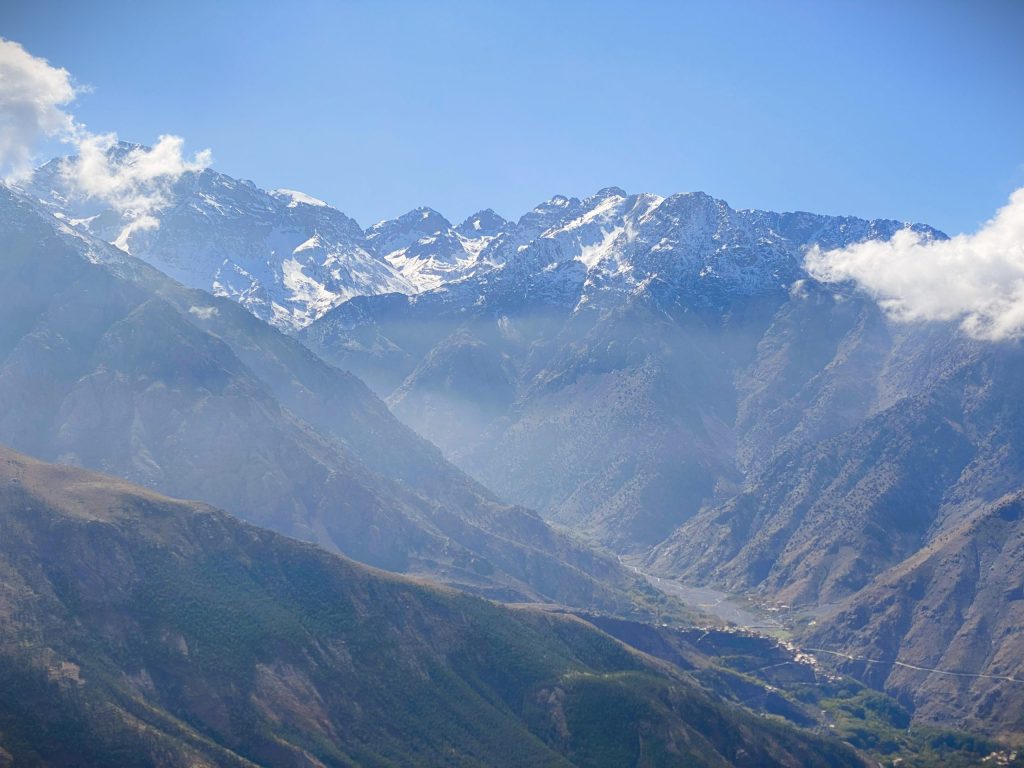
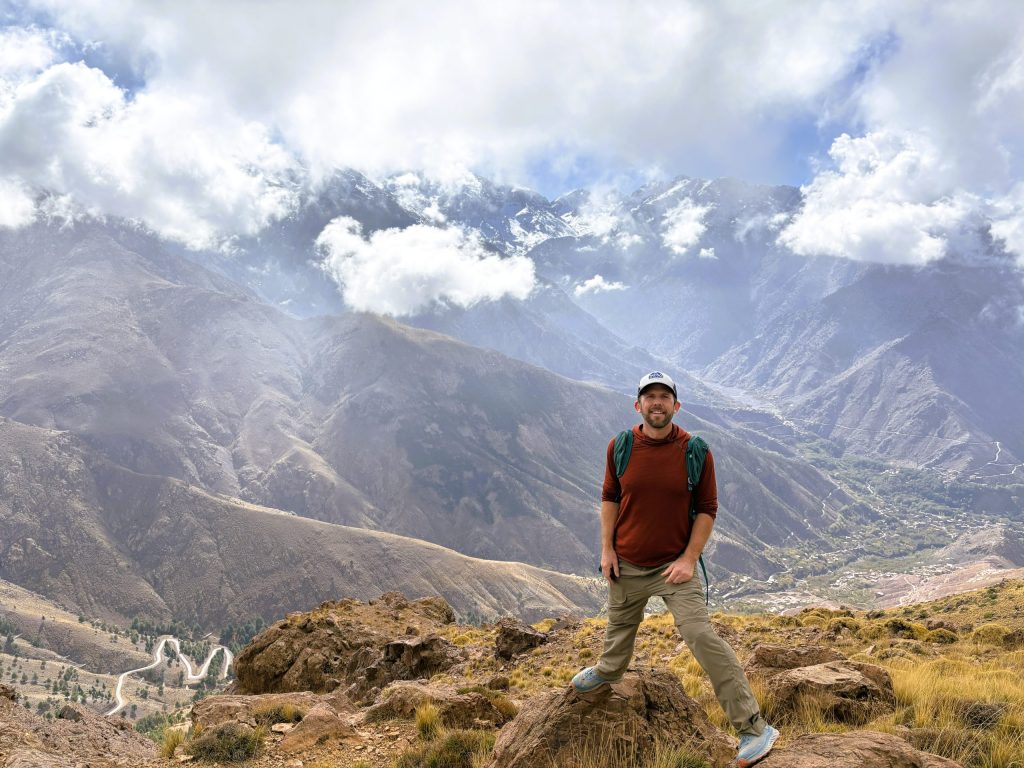
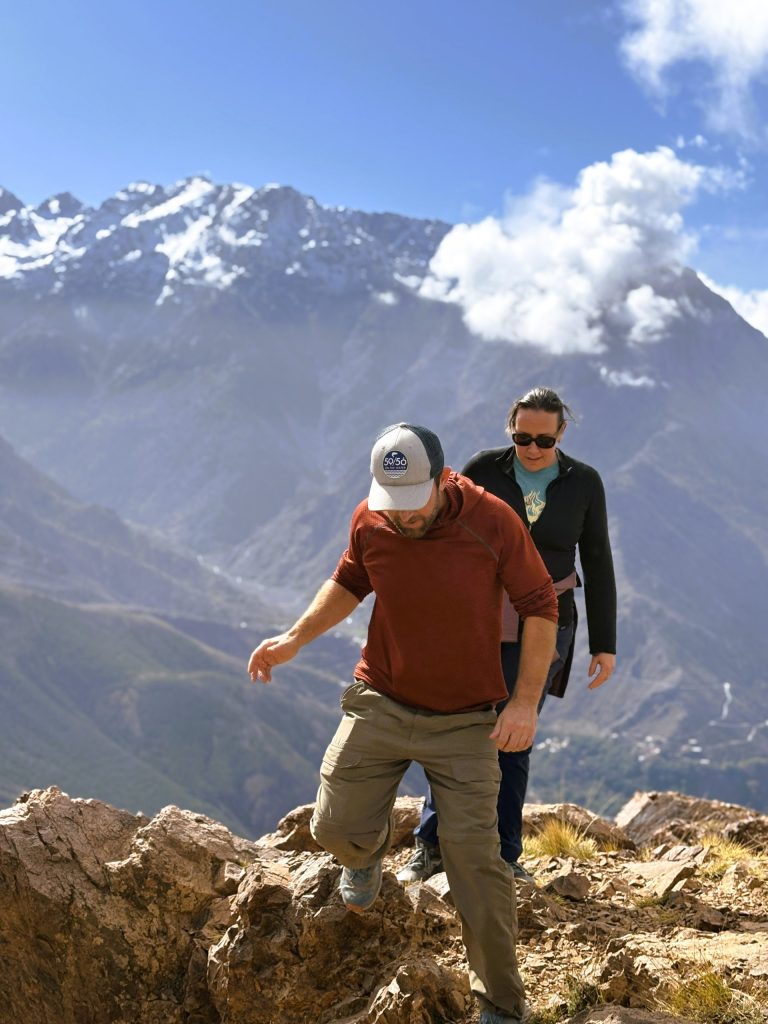
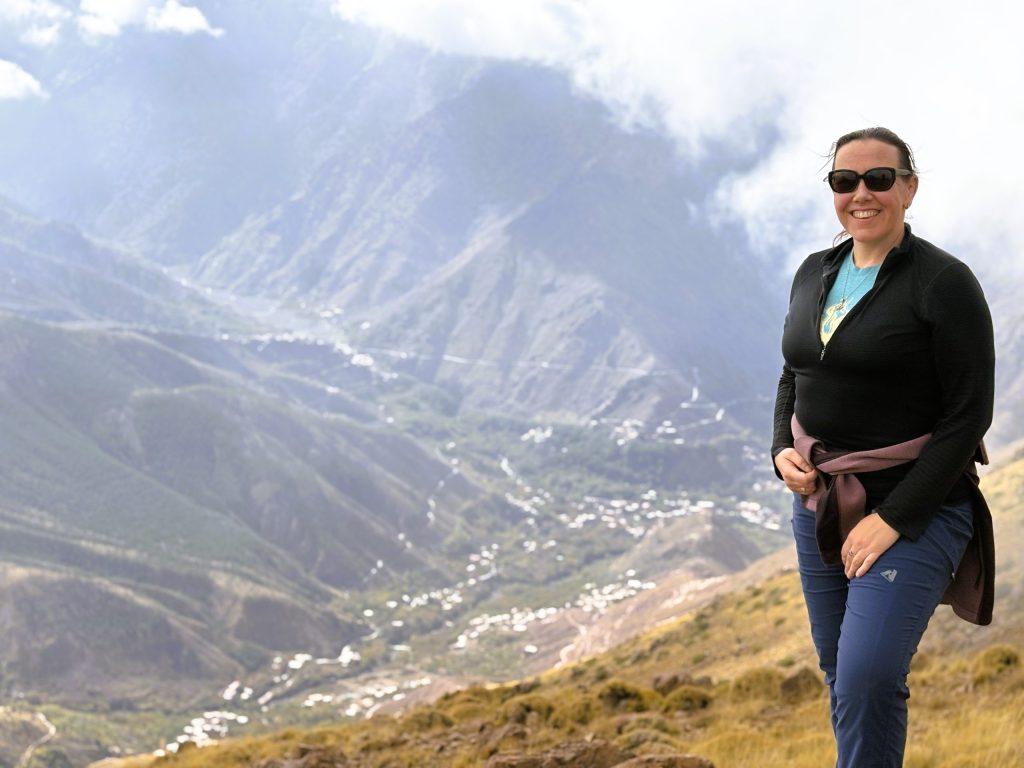
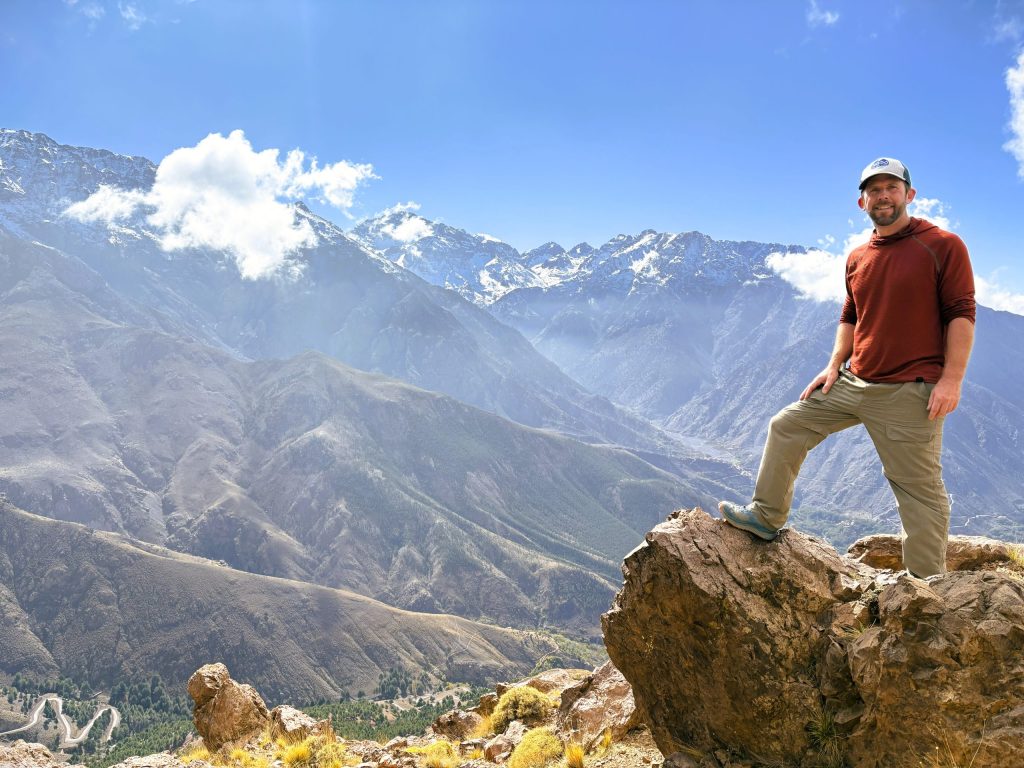
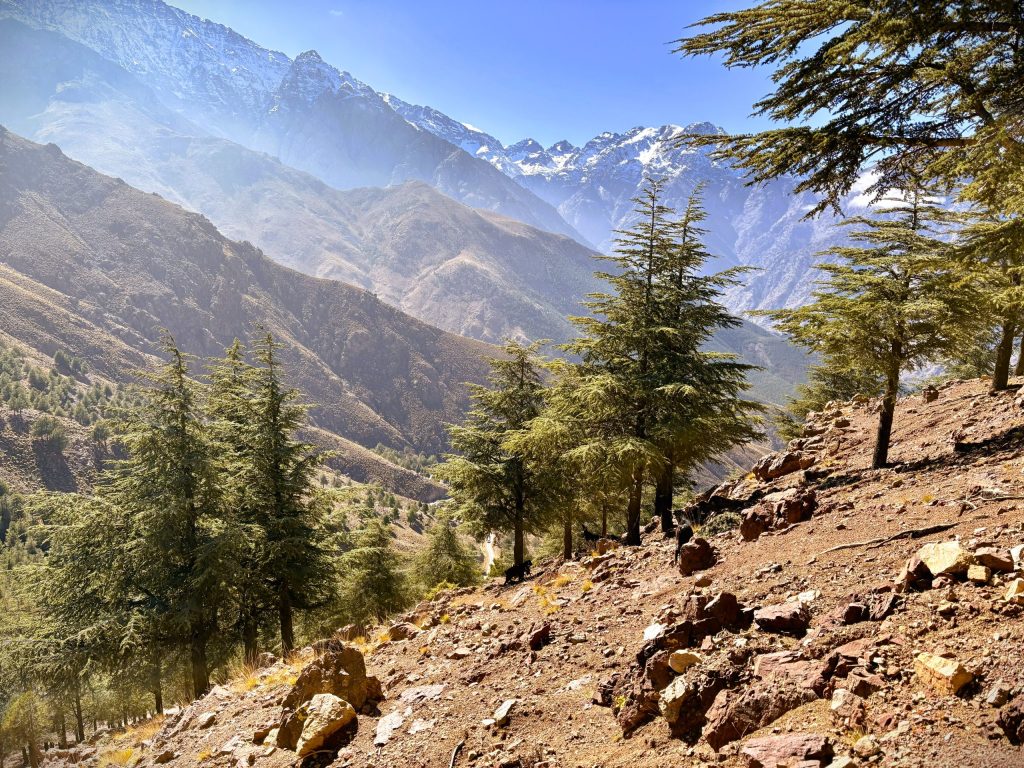
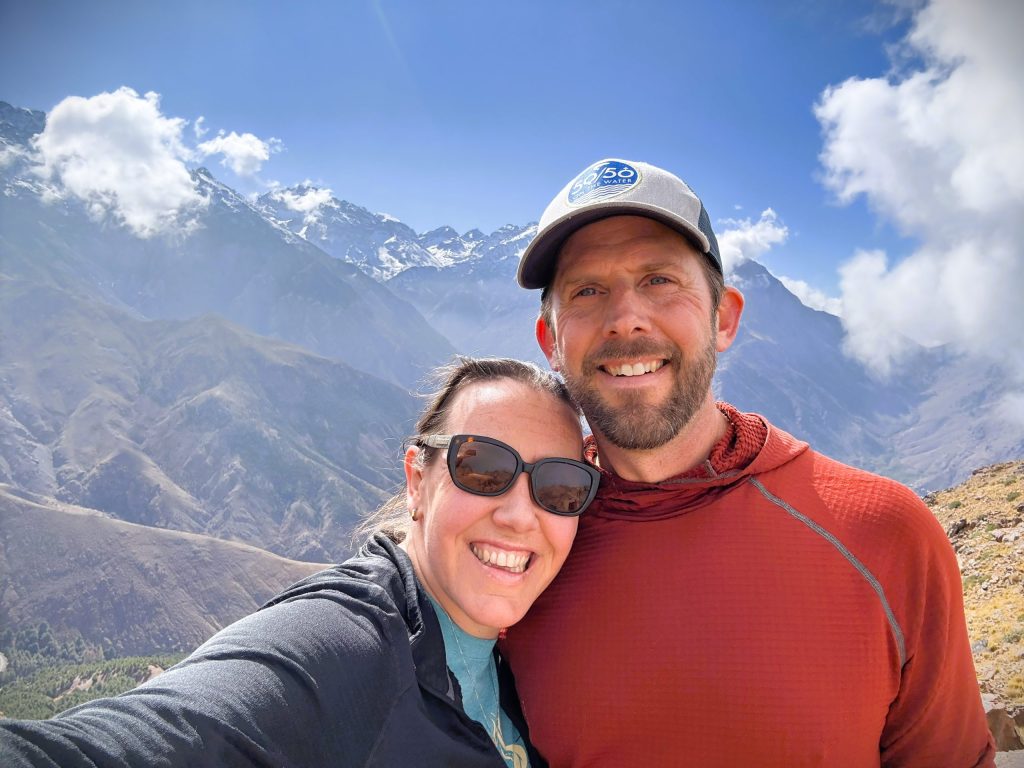
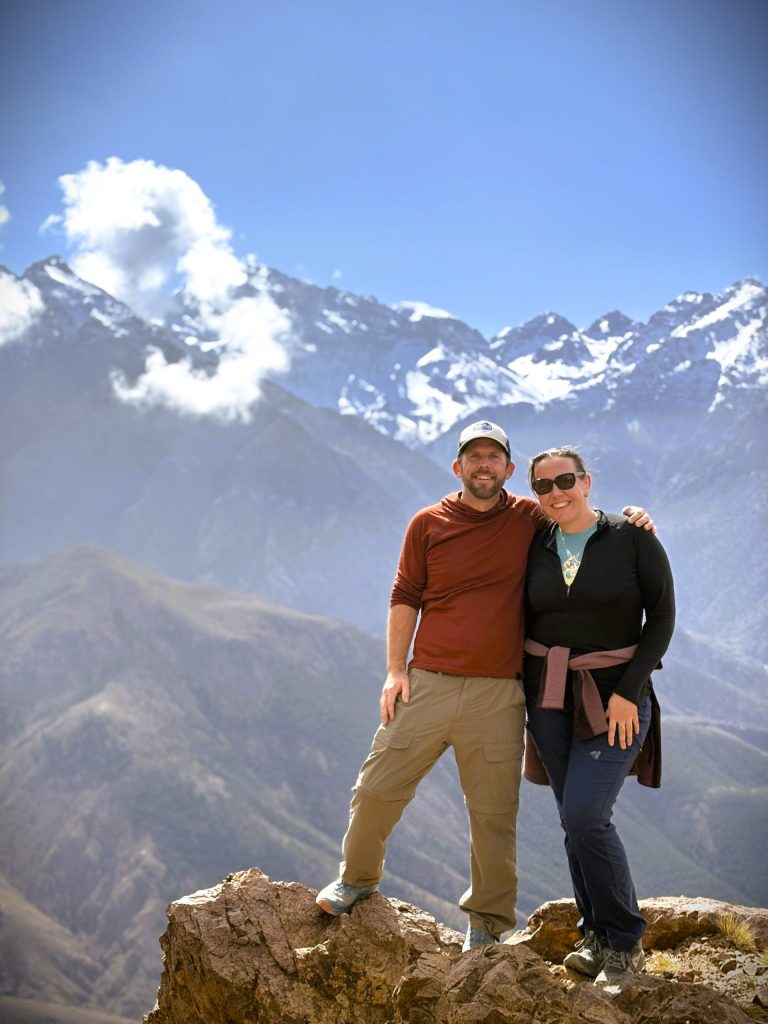
And so, once again, we found ourselves in a transport—this time winding into the High Atlas Mountains Morocco, arriving in the small town of Imlil, perched at 5,900 feet and serving as the gateway for treks into the High Atlas Mountains. This range is home to North Africa’s highest peak, Mount Toubkal, rising to 13,671 feet. For us, this wasn’t that kind of trip. We hadn’t brought the gear, nor did we have the time to commit to a multi-day climb. Instead, we opted for a smaller nearby summit—one that offered sweeping views of the surrounding valleys with Toubkal looming dramatically in the background.
When I think of Morocco, high-altitude mountains aren’t what come to mind. I picture desert, palm trees, scrub brush, and kasbahs. So being transported back to something that felt eerily like Idaho was unexpected, to say the least. Similar rock formations. Apple, cherry, and apricot trees growing everywhere. Even the familiar demeanor of mountain people.
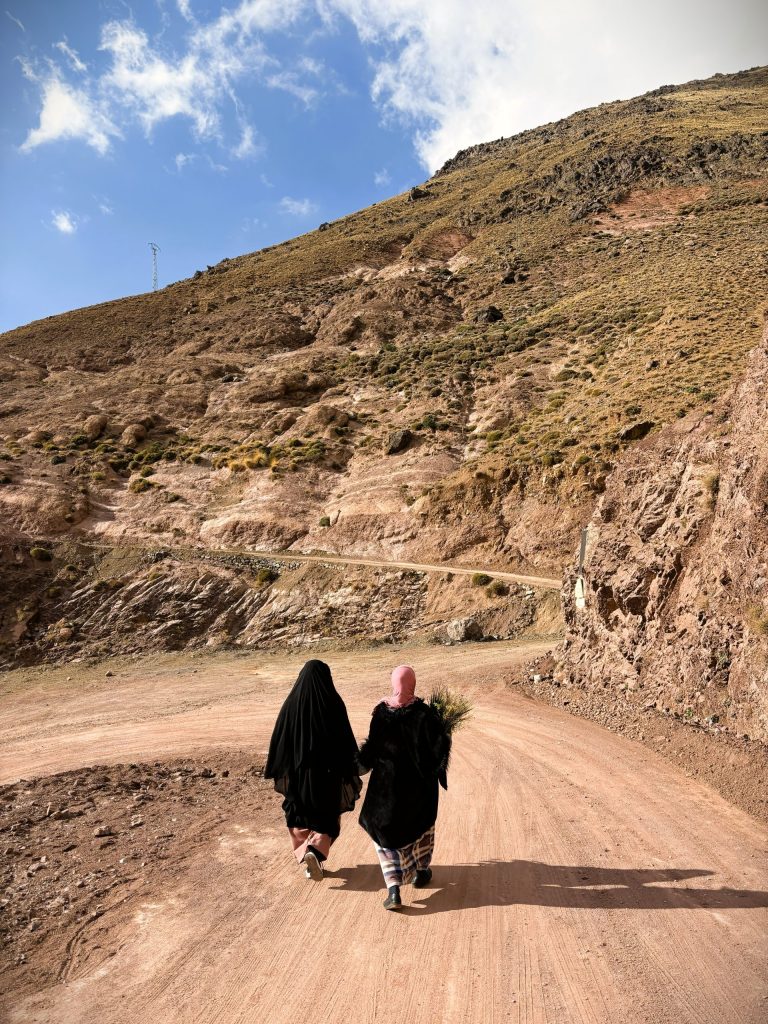
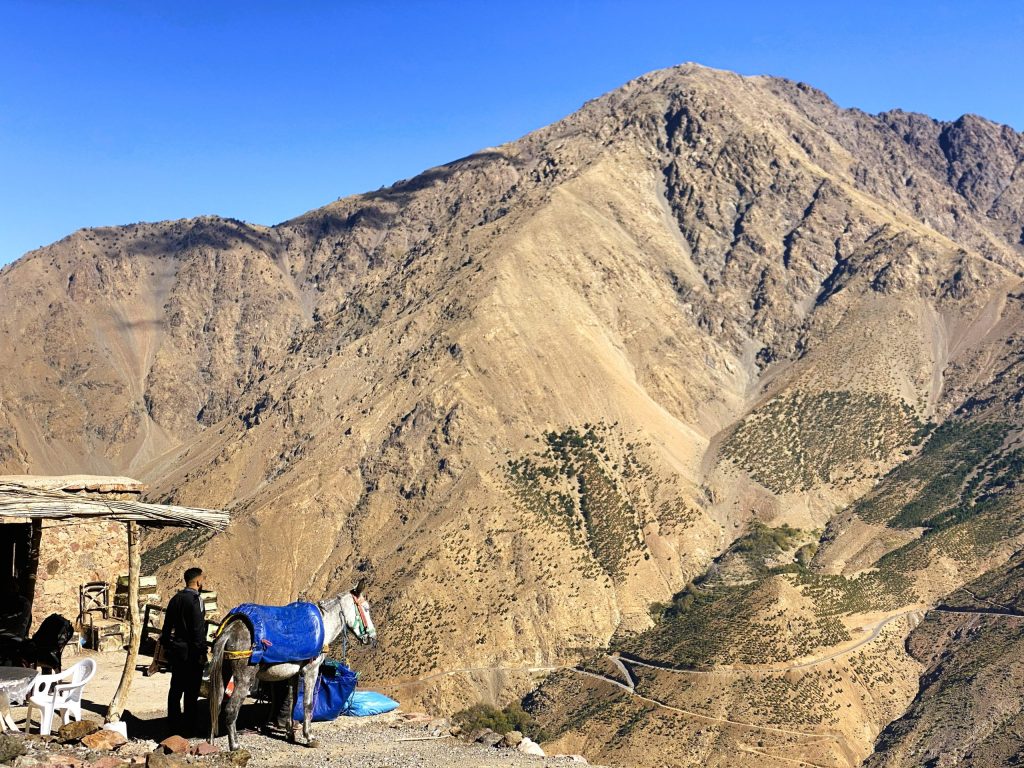
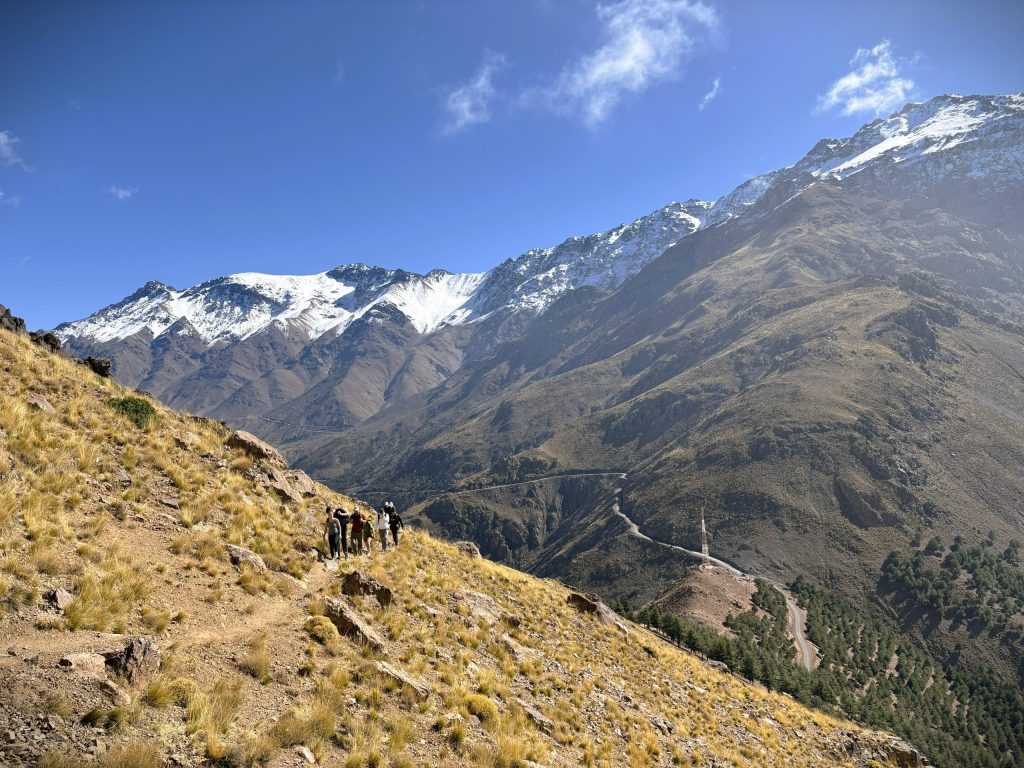
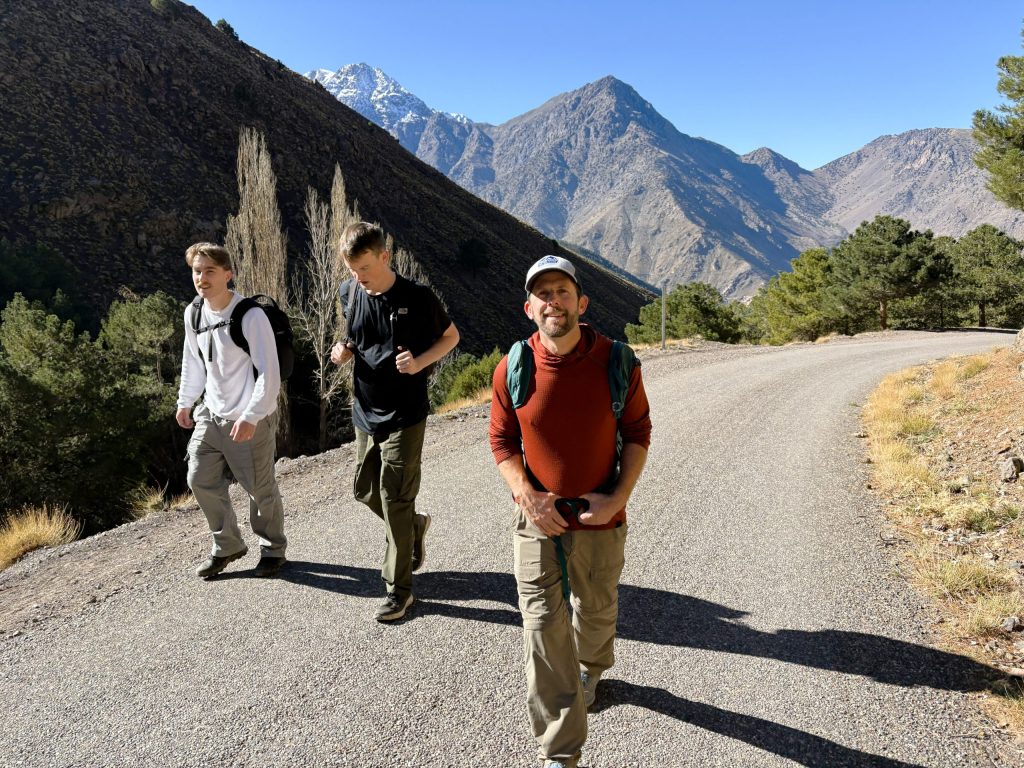
There’s no formal government or provincial department maintaining these trails. They exist because they always have—paths carved by locals moving between valleys to trade goods long before roads replaced them. Now, tourism keeps them alive. Guides and locals maintain the trails because clean, navigable routes mean visitors, and visitors mean income.
What stood out immediately was how pristine the area felt. Clean trails, little litter—something noticeably different from much of the rest of the country, where garbage often lines roads for miles, spills down cliffsides outside homes, or even finds its way into the seemingly untouched Sahara. For those who haven’t traveled extensively, it can be jarring to realize that “Leave No Trace” isn’t a universally shared philosophy.
After being gifted perfect weather in the Atlas Mountains, we headed back to Marrakech for one of our final nights before leaving for the coastal town of Essaouira the next day. But before shifting gears into beach mode, we stumbled into a moment of pure serendipity.
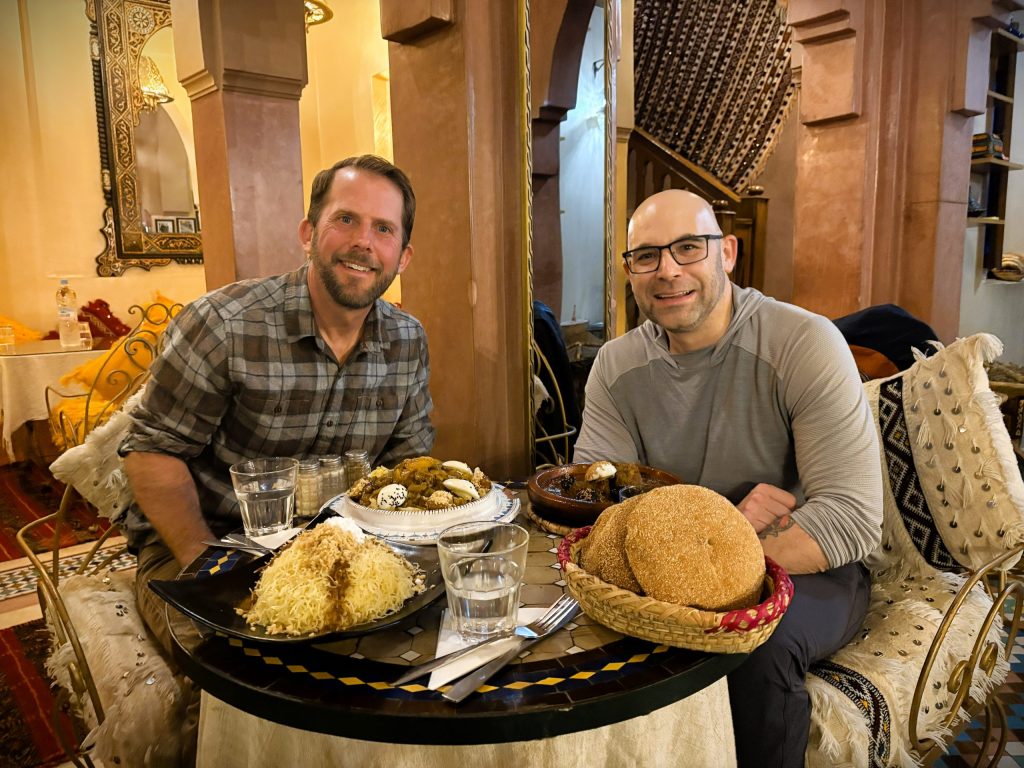
In Marrakech, of all places, we crossed paths with a travel friend. Dustin—a former coworker of my brother—had traveled across Asia just behind Marii and me, using this very blog as a loose guide. After a year of near-misses and failed meetups across continents, we finally found ourselves in the same city, at the same time.
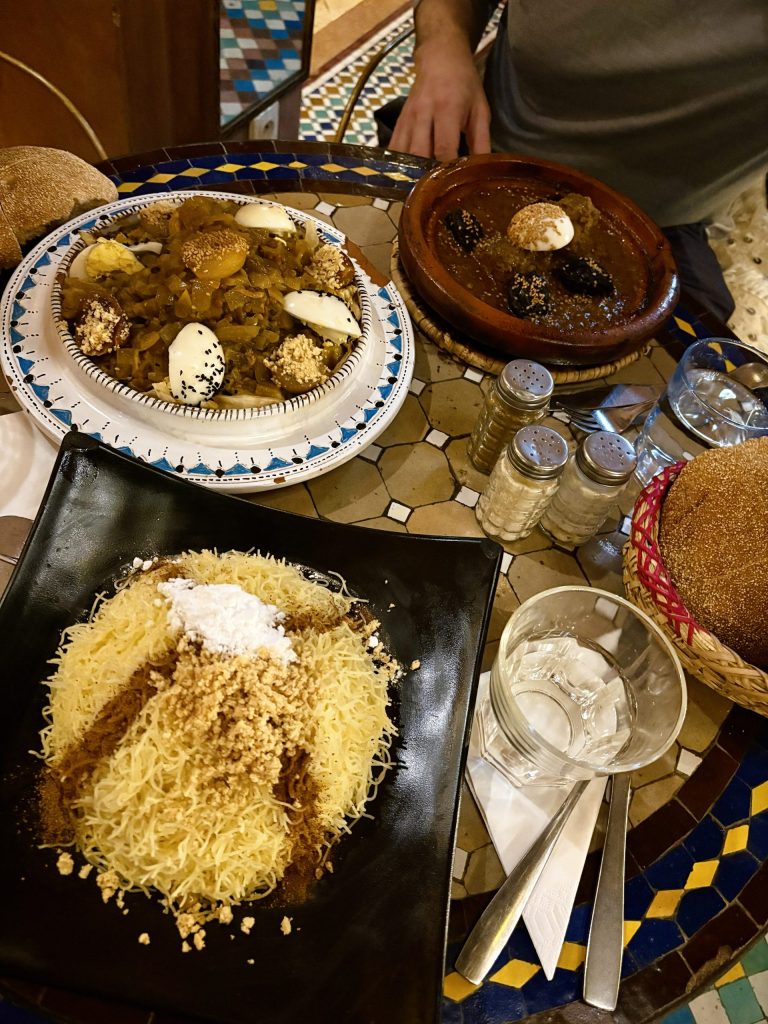
Over a traditional Moroccan meal, we reconnected and added another chapter to a friendship with a truly strange and fitting origin story—this time, in Africa.