Witnessing the Muang Ngoi Laos Tourism Impact Firsthand
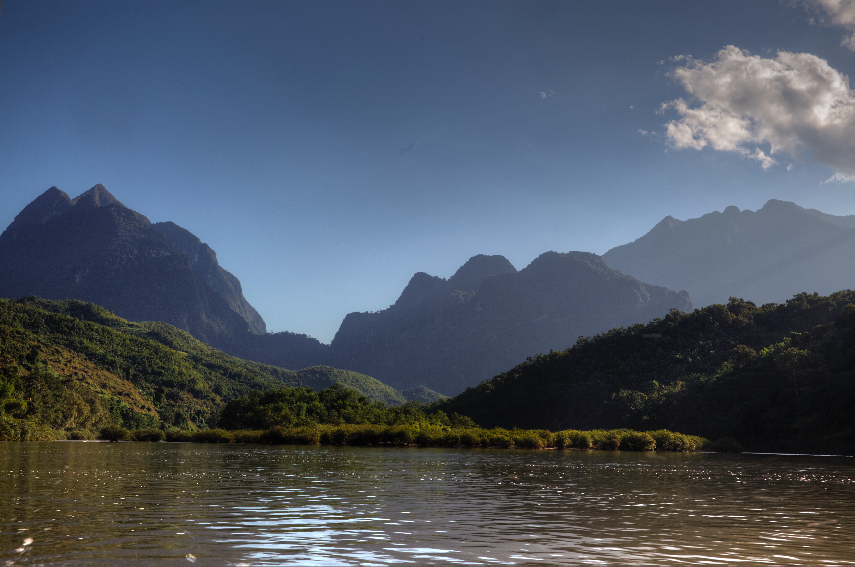
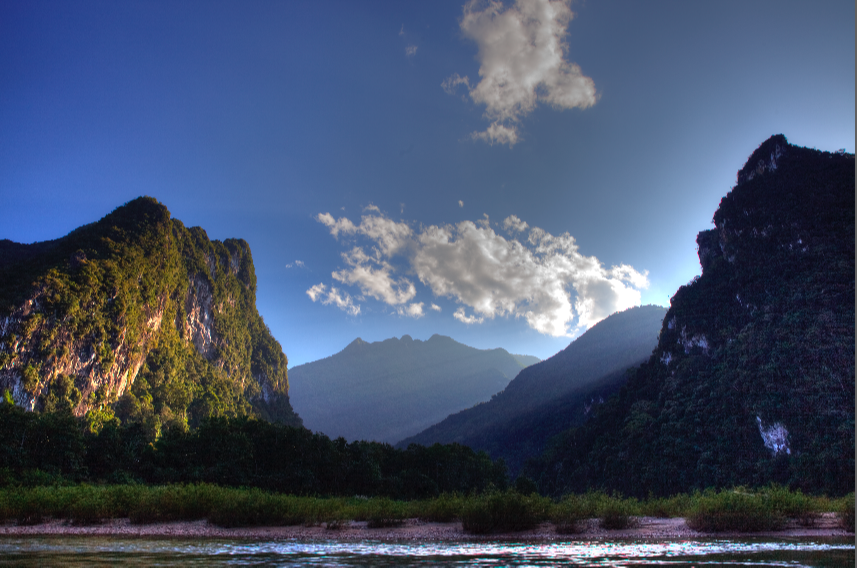
Cloud-covered green peaks, reserved smiles, indistinguishable signs, simple houses, simple lives — I know this place. I’m familiar with this place. I enjoy this place. Somewhere around kilometer marker six, we must have entered Laos. Being back here is like slipping into a familiar old pair of slippers: worn down, perfectly molded to your feet, complete with that annoying last thread teasing the top of your foot — the kind you’re afraid to pull for fear it might end their entire existence. Much the same goes for Laos. Once we change something that doesn’t need to be changed, we risk ending an entire way of life — something we quickly discovered in Muang Ngoi, our first stop in the northern districts of this beautiful country.
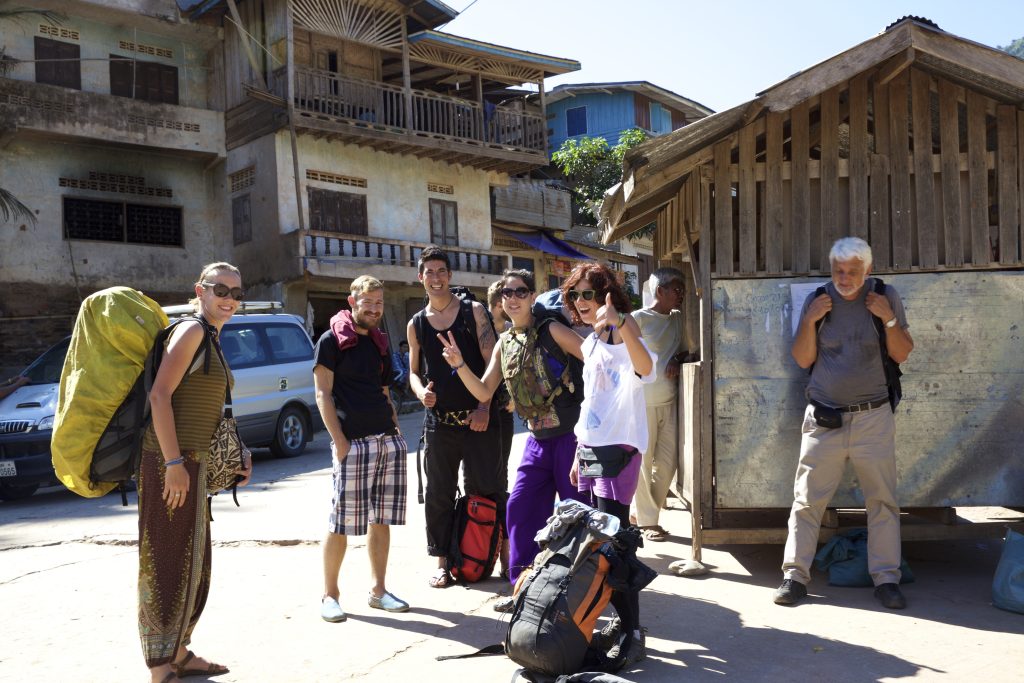
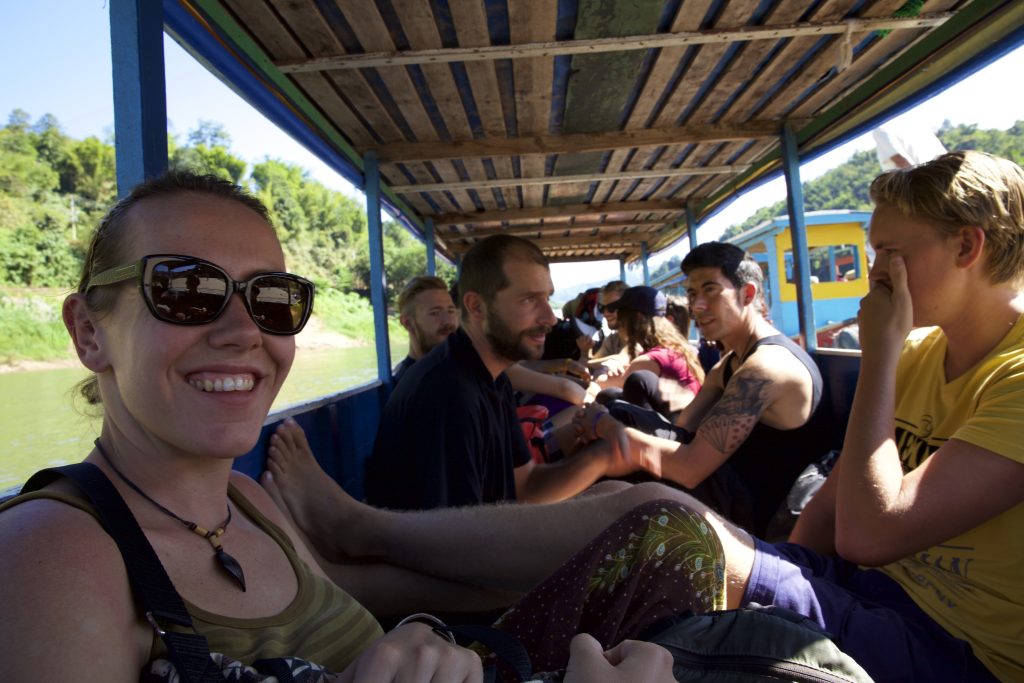
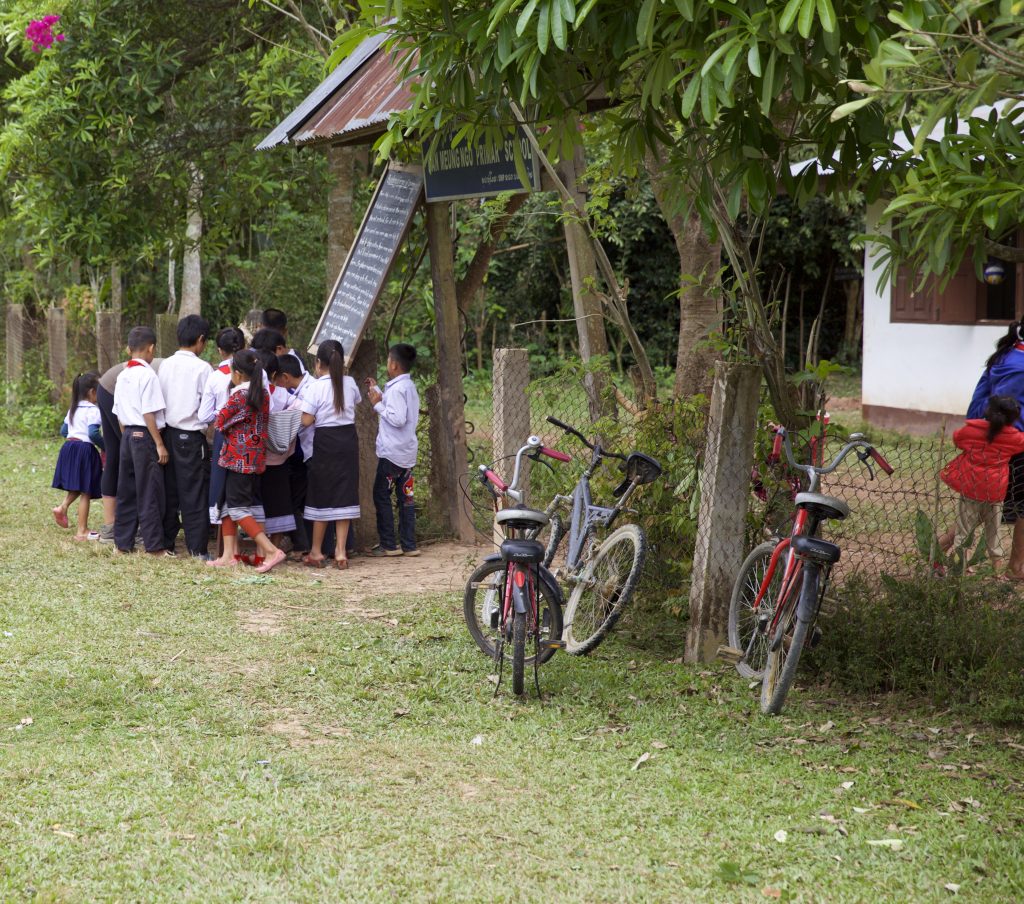
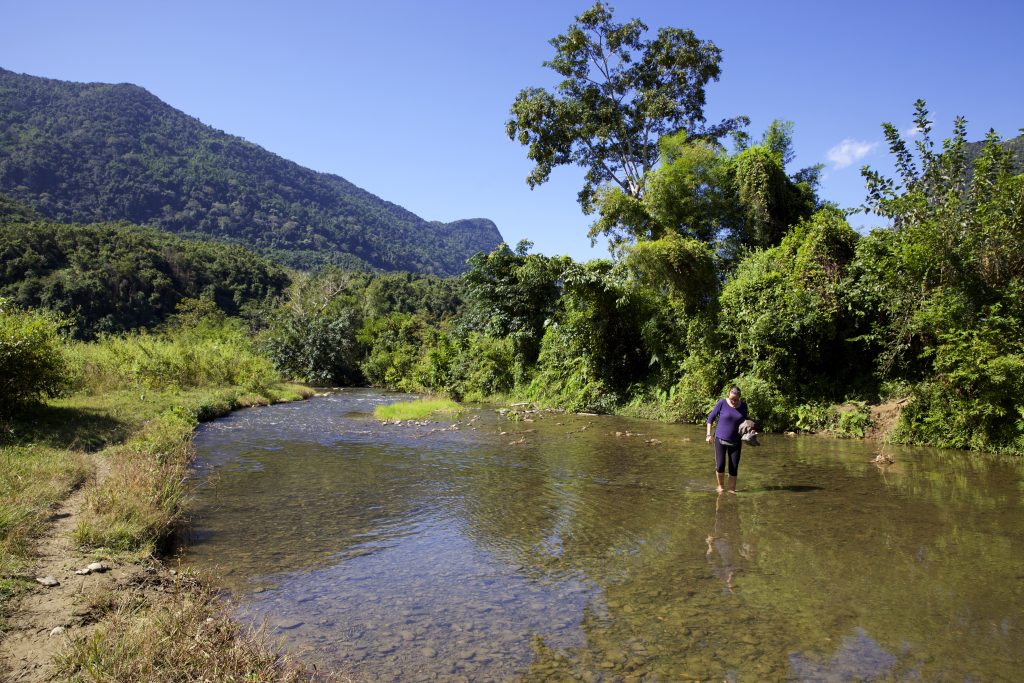
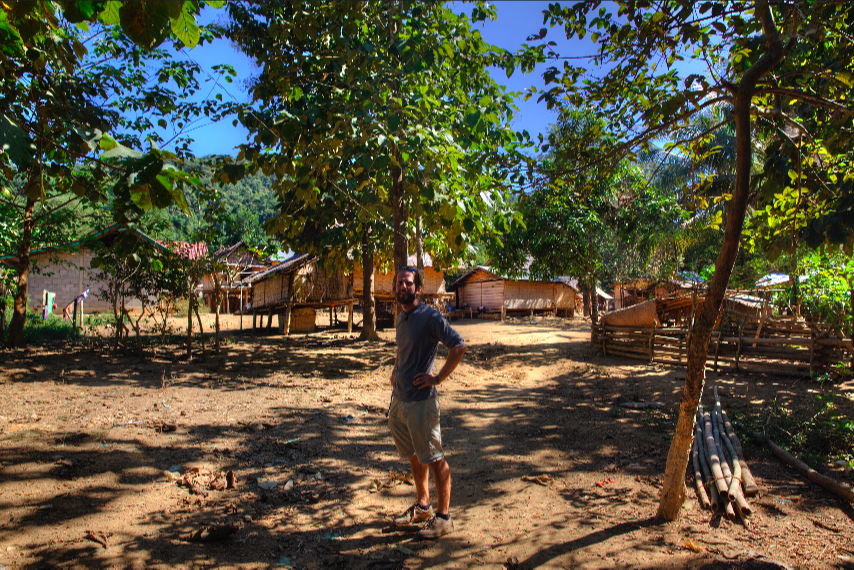
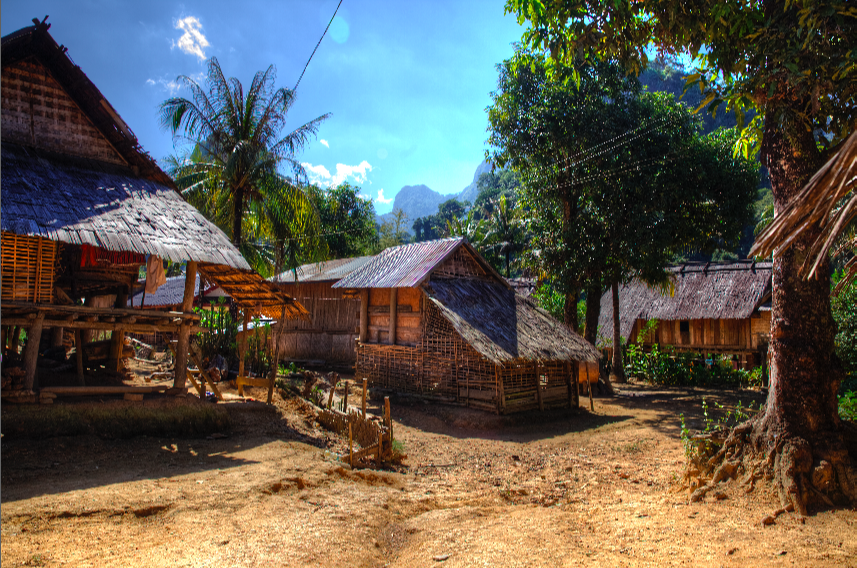
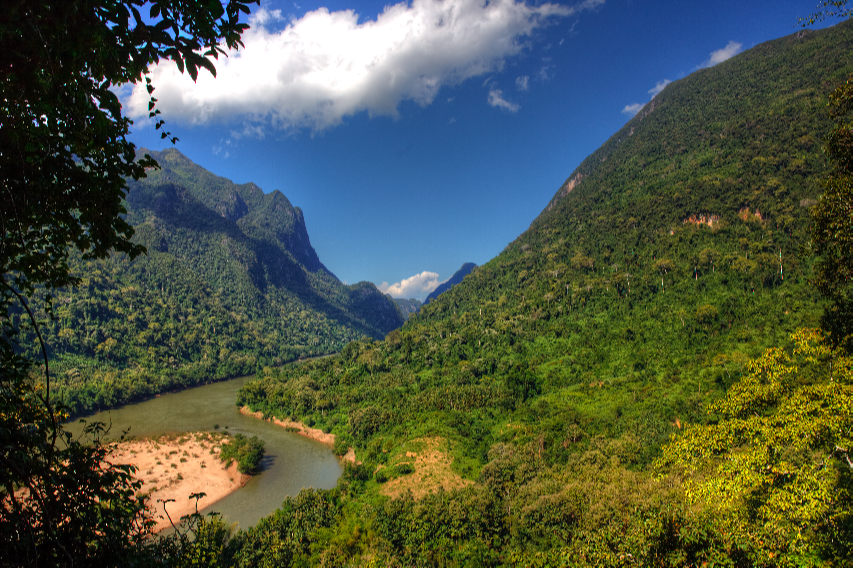
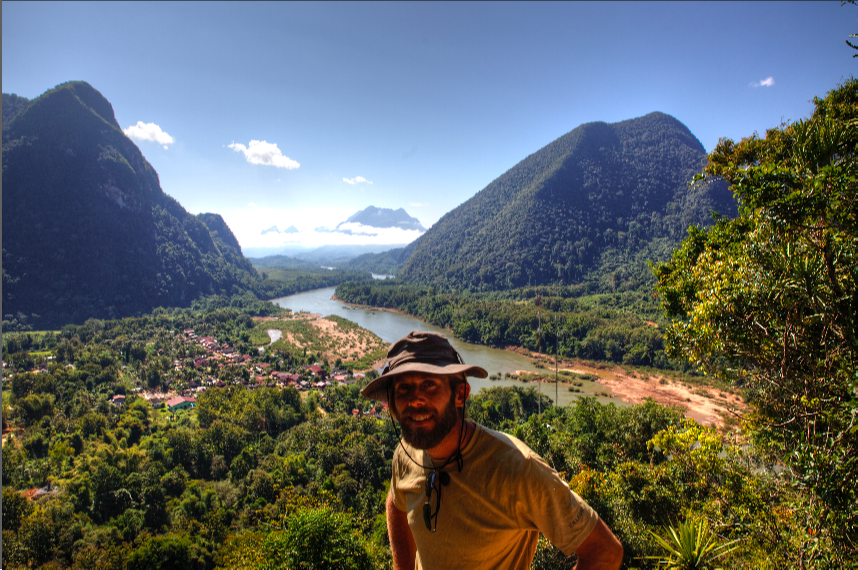
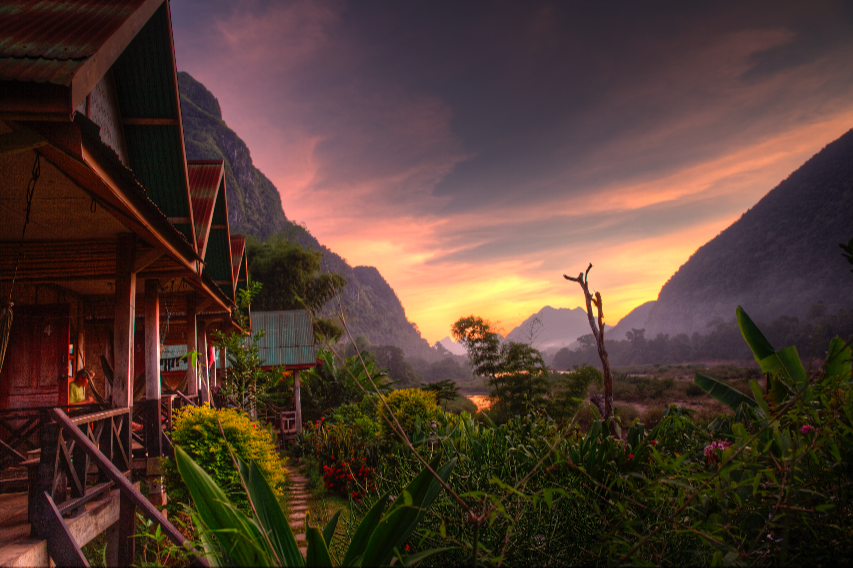
Muang Ngoi is — or rather, was — a sleepy little village along the Nam Ou River. Its charm lay in its rustic simplicity, nestled beside limestone-green hills and accessible only by river, keeping cars — and for years, the Banana Pancake Trail — at bay. But recently, with the overflow of travelers from its more tourist-heavy downstream sister city, Nong Khiaw, Muang Ngoi has begun struggling to adapt. Electricity arrived just one year ago, and with it, the constant arrival of boats full of North Face-clad, trekking-minded tourists, eagerly anticipating a “local experience” while lounging riverside enjoying views locals have known their entire lives.
For the first time on this journey, I felt we were on the inside of witnessing change happen — and it was everywhere. The motivated, business-minded Lao embraced it as opportunity: setting up bungalows, boat rentals, breakfast buffets. Juxtaposed against them were poorer locals resistant to the change, fighting the evolution of their village down to their very core — expressed through cold stares, unanswered hellos, and a general disinterest far beyond the aloofness I’d come to associate with Laos. Something was different. These people wanted a village back that was no longer theirs, lost to the clutches of Lonely Planet, forever altered.
Saddened by this, we walked through the village trying — perhaps naively — to “change” minds: believing openness to new cultures could mean growth, education, a reminder that the world is small and we all face similar struggles. But try as we might, our smiles and greetings were met mostly with reluctant replies and icy stares.
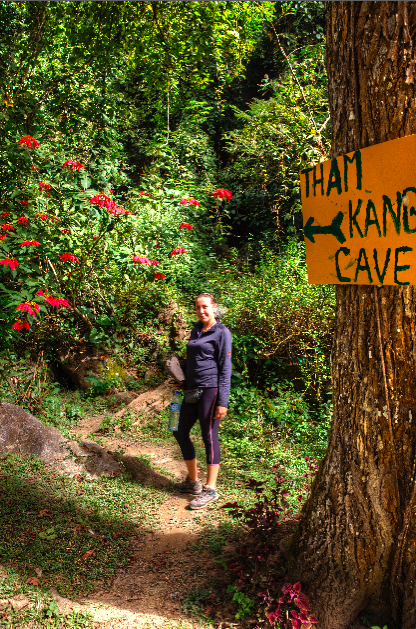
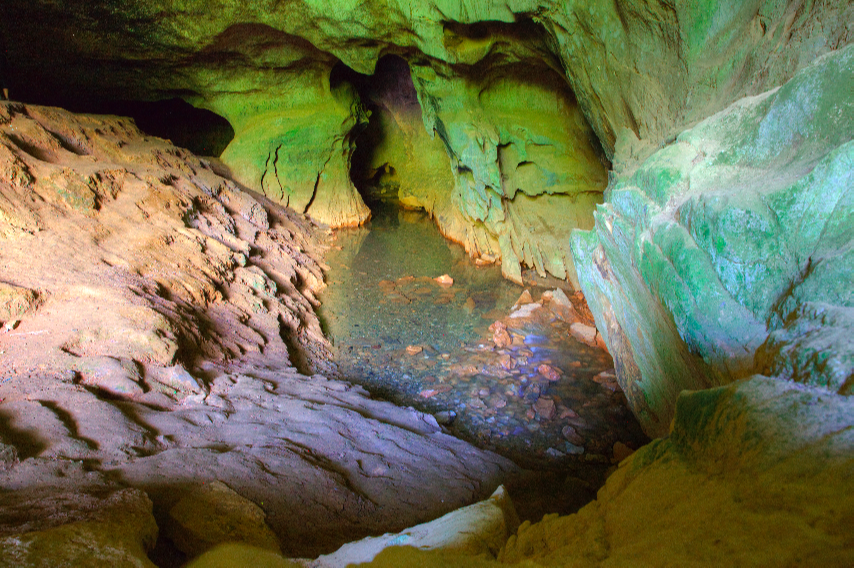
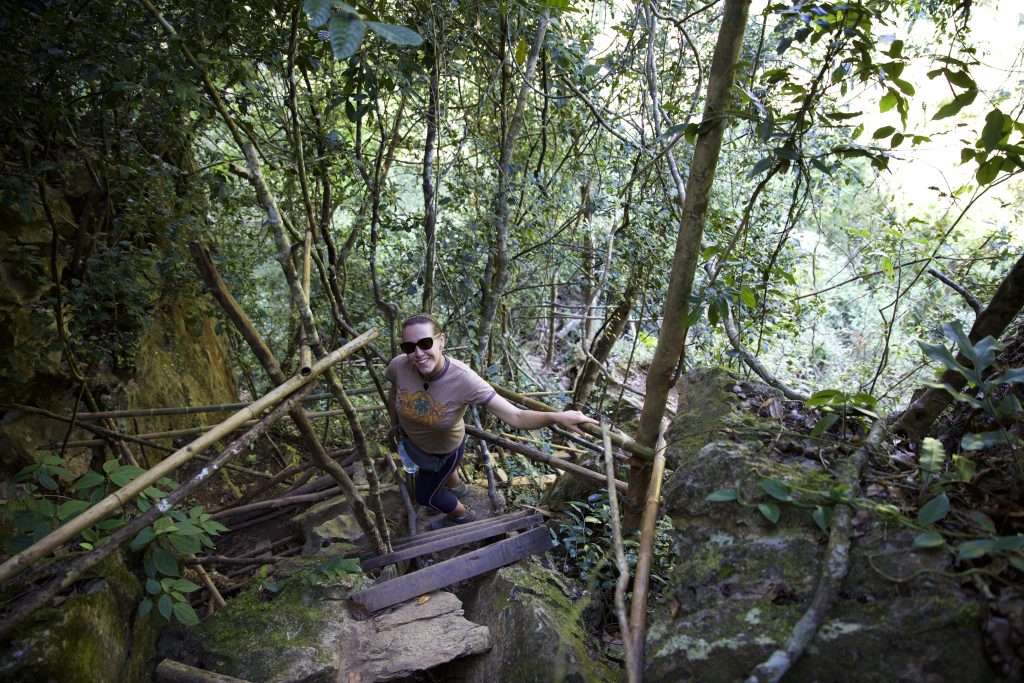
We’re always grateful for the chance to witness beauty, experience culture, and observe, but here we were confronted directly with the impact of our presence. This, too, is part of travel. Despite the grandeur of wondrous caves, treks to remote villages, and the serenity of the Nam Ou, we’re left questioning the price of our desire to explore such remote places. When a once dusty riverside town — stray chickens and dogs roaming its lone dirt road, women hunched over fanning wood-burning coals — transforms into a guesthouse-driven, capitalist village fighting for every traveler who steps onto its docks each morning at 9:30am, it begins to resemble a turnstile amusement park.
There’s no doubt why this town rose in popularity; we instantly felt its calm, reminding us why we fell in love with Laos in the first place. But what we can’t yet wrap our heads around are the questions it leaves us with. Is complicating a technology-free town with Wi-Fi addiction a good thing? Is progress really abandoning sustainable home cooking for mass-produced food in hopes tourists will spend twice as much, funding questionable Western-style purchases? Will Westerners bring education and inclusion into global dialogue — or simply leave behind false idols in the form of iPhones and tablets locals feel compelled to aspire to in order to live a “good” life?
Like most things in life, travel leaves us with more questions than answers — and as always, changes us for the better.




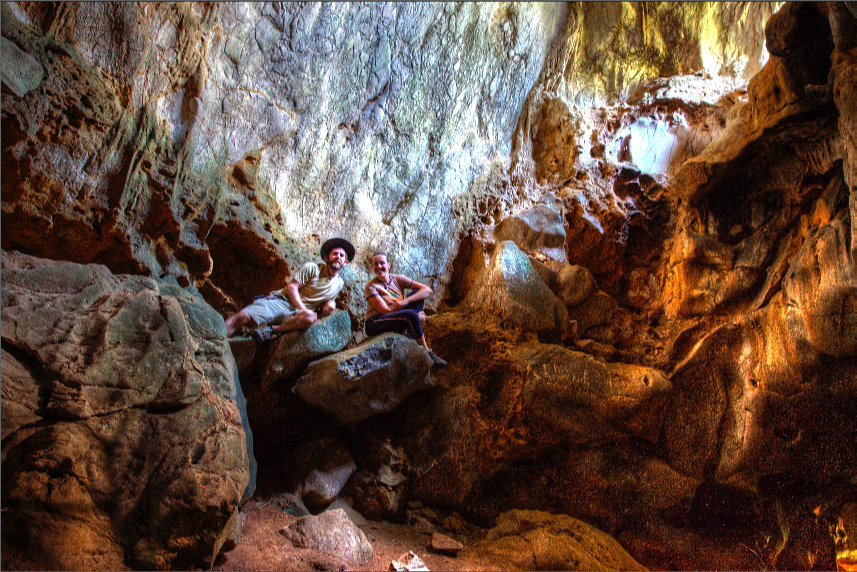
A cave creature only seen dwelling in the depths of the middle of the earth. Freaked us out a bit as we didn’t expect to see anything.