Why San Carlos Nicaragua Travel Is Worth the Stop
Crossing any border by land can be tricky, so we left plenty of time after the hanging bridges to make our way north into Nicaragua. With no real information about the crossing — thanks to a new bridge replacing the old boat route — we were flying blind. But hey, we’re experienced travelers. How hard could it be?
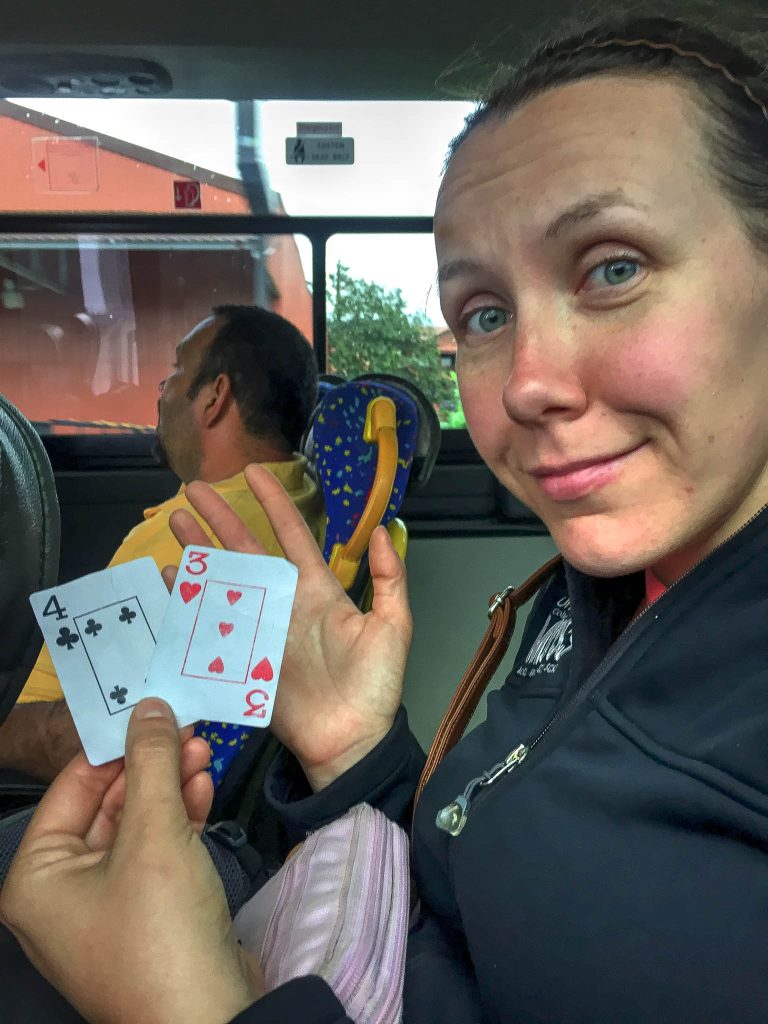
Without clear details, you rely on communication in a language you barely speak. We got a variety of stories about bus schedules, finally standing at a local bus stop in a non-touristy part of Costa Rica. When we asked if the bus was headed to the city center or the border, the answer came… in playing cards. Two cards: a 3 of spades and a 4 of diamonds. What are we supposed to do with these? Play our way into Nicaragua?
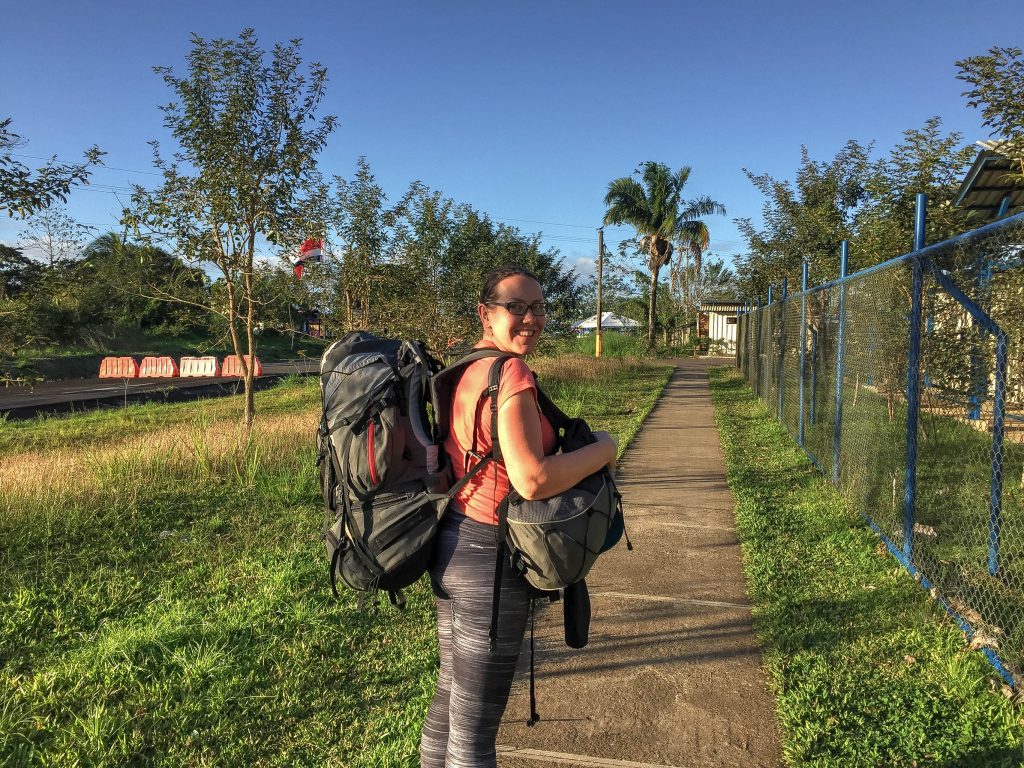
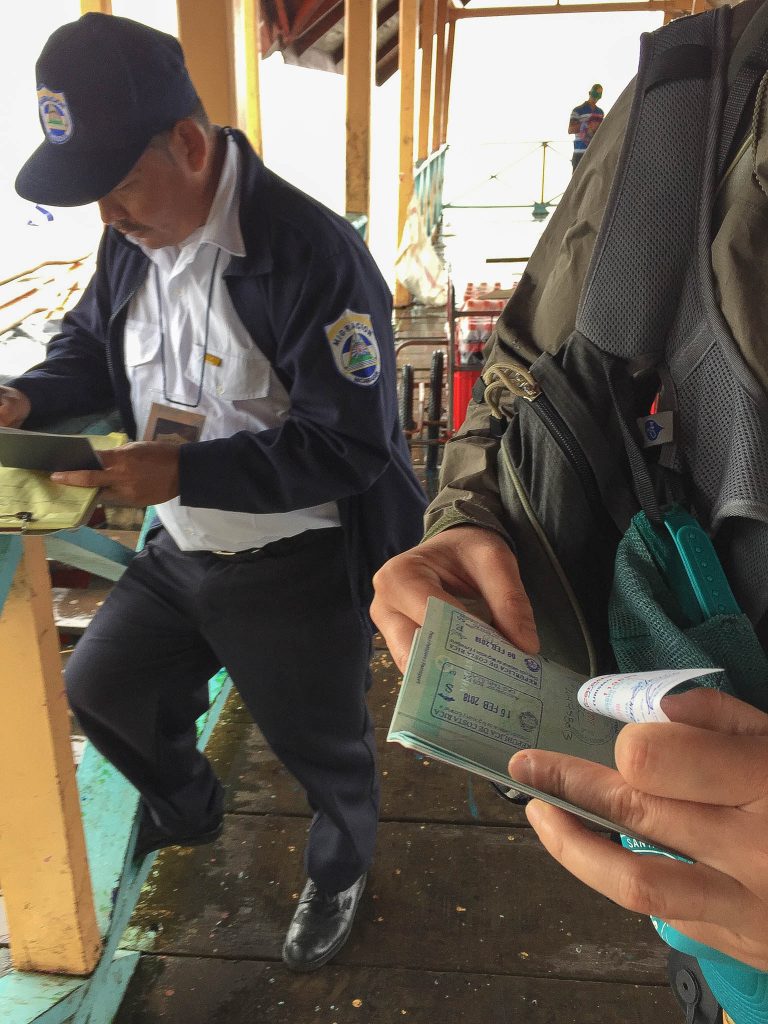
It soon became clear that these cards were the bus drivers’ quirky ticketing system, perhaps even a bit of local entrepreneurial “shadiness.” Whatever the case, the cards worked — we arrived at the border with just three minutes to spare before closing. Walking through no man’s land (a familiar feeling from Laos and Cambodia), the Nicaraguan border patrol eyed my Estonian passport suspiciously, holding us up just long enough to watch the last bus leave 50 meters ahead. Cue a ten-minute adrenaline rush as a young Nicaraguan on a motorbike raced off to intercept it.
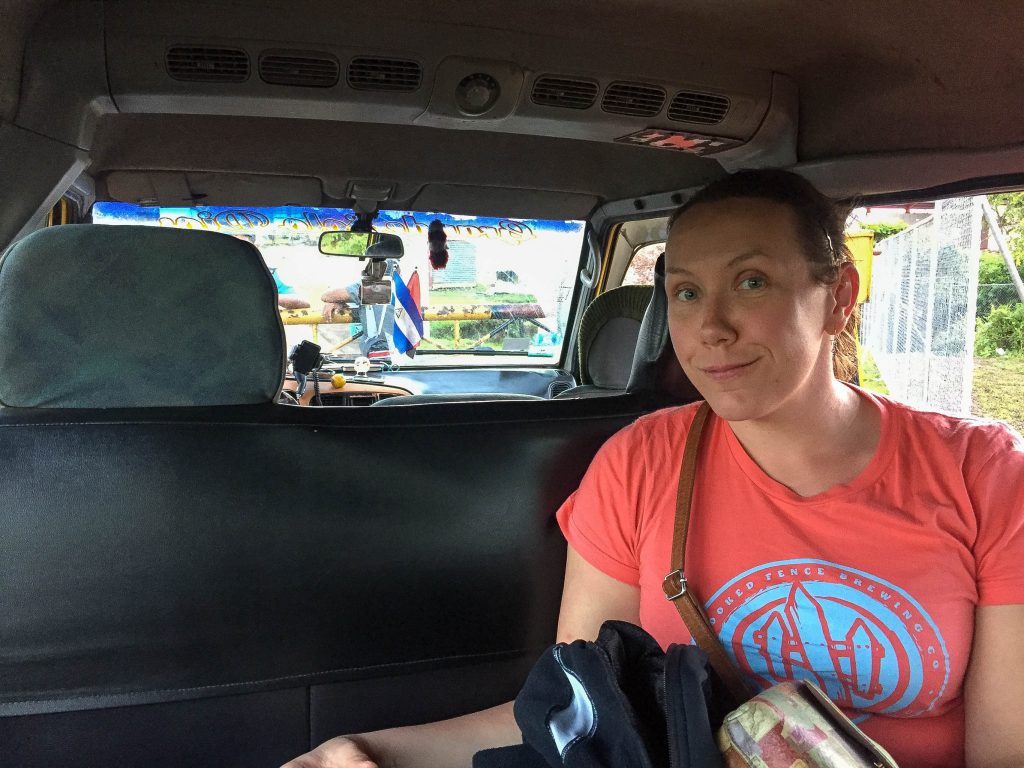
Finally seated in a familiar-looking minibus — ripped seats, music blaring, a cast of characters hanging on the sides — I knew we were no longer in expat-friendly Costa Rica. Outside, the scene was raw: stick homes, dogs playing Frogger across pothole-ridden streets, and the unmistakable hum of a developing nation. Welcome to Nicaragua.
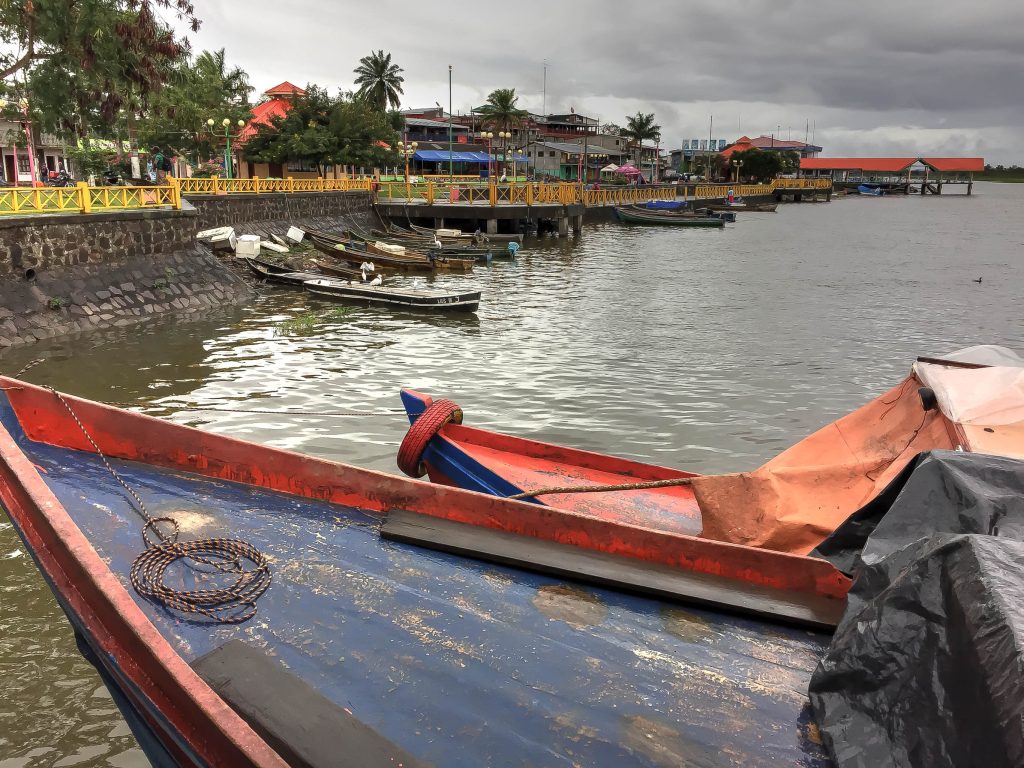
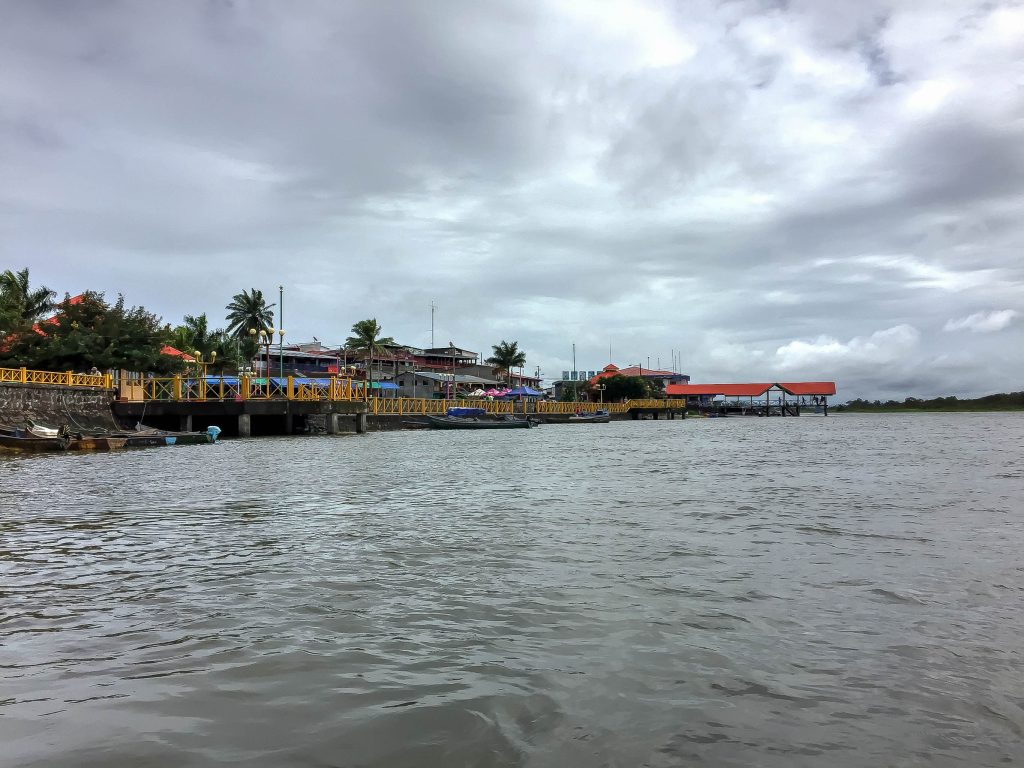
Our first town, San Carlos, was a revelation. The language was the same, but it felt like we’d traveled halfway across the world — back to the days of Southeast Asia. San Carlos, an entryway to Nicaragua, used to be accessible only by boat, forcing tourists to stay overnight. Now, with the bridge, most pass it by. Big mistake.
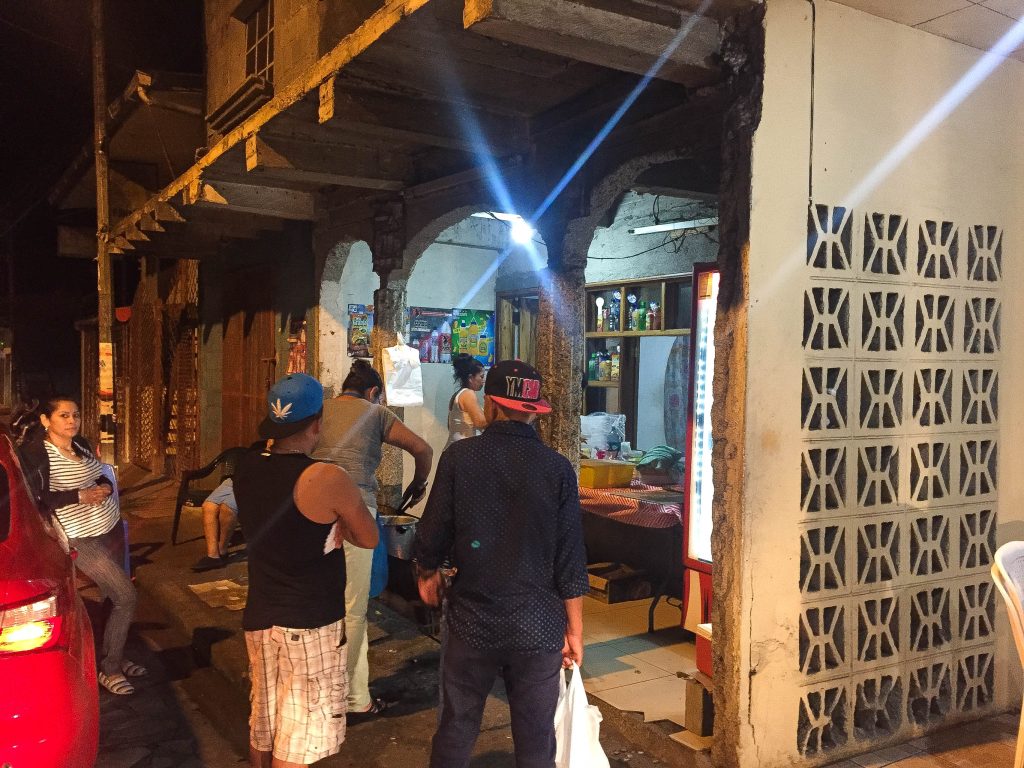
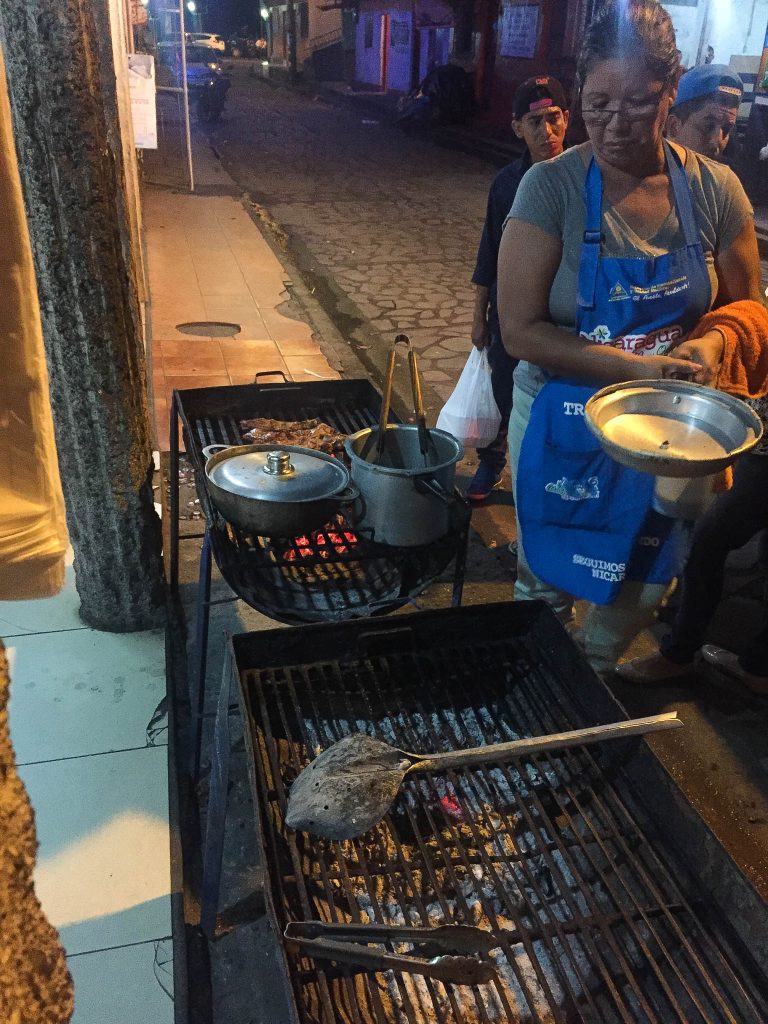
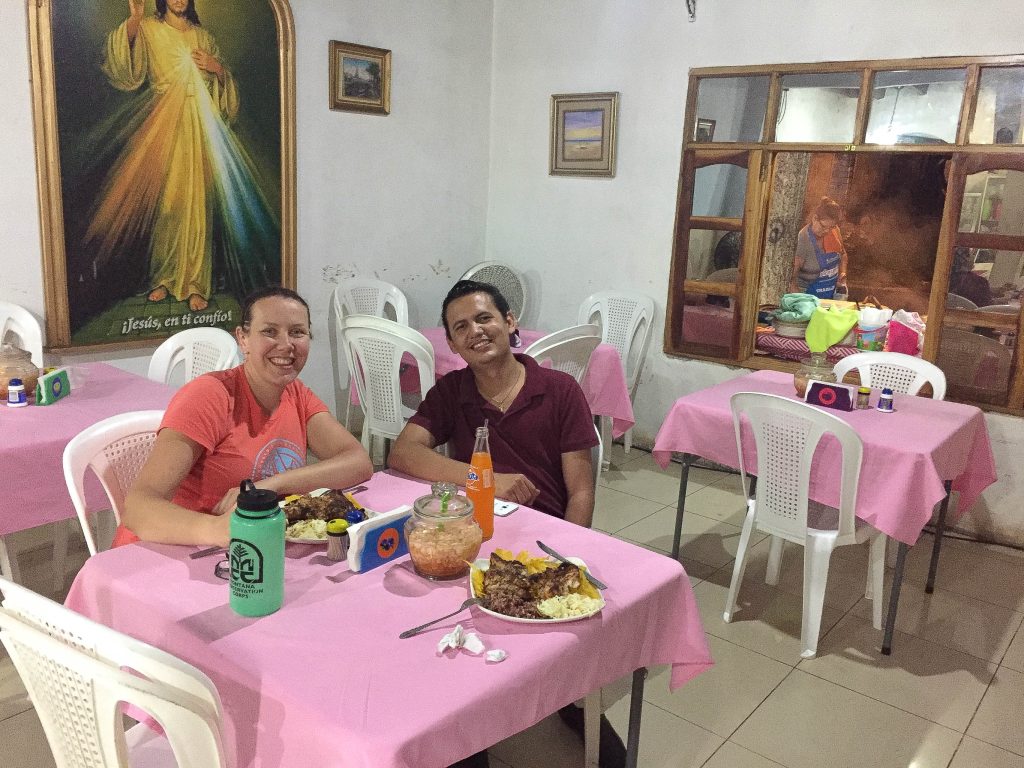
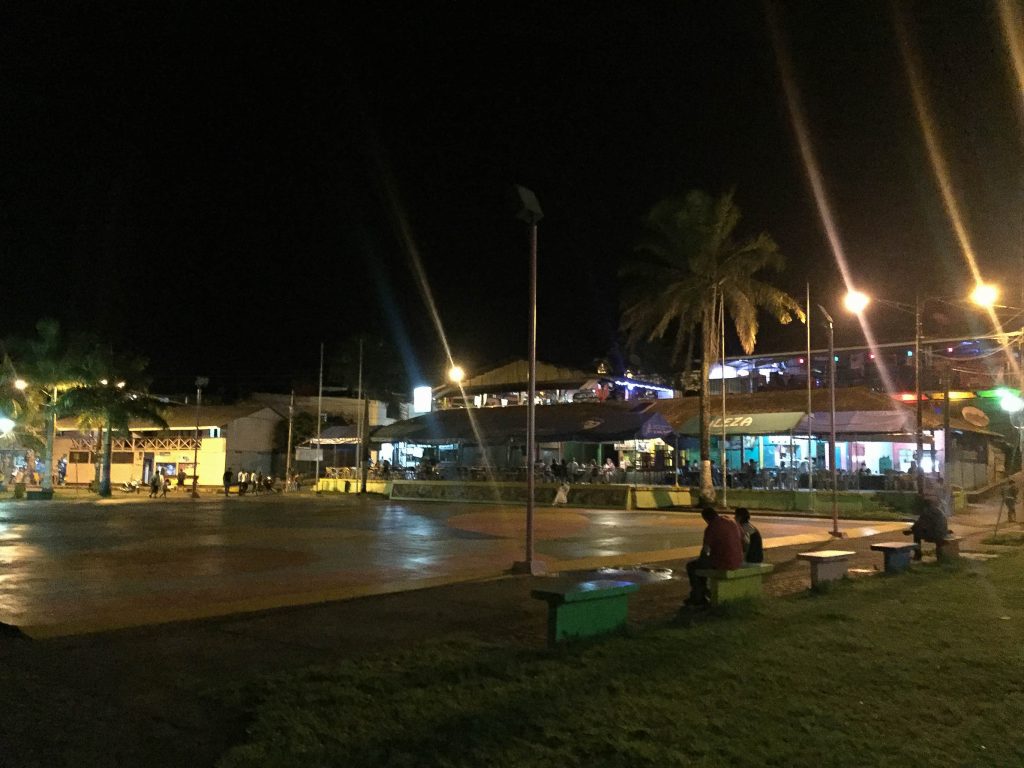
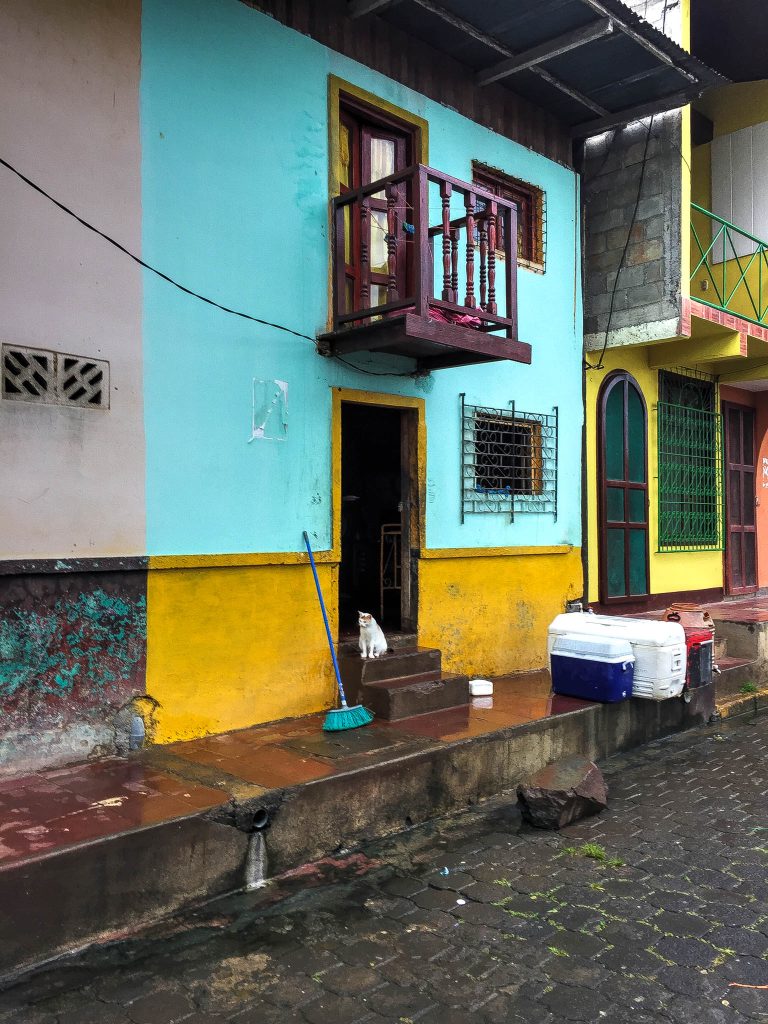
Guided by our Airbnb host Ernesto, we walked the cobblestone streets and witnessed what first appeared threatening from a bus window was just daily Nicaraguan life. Residents lounged outside, chatting, eating, carrying on with routines that seemed chaotic but were perfectly normal. At night, the energy could be mistaken for danger, but Ernesto reassured us: this small community was safe. We ended up at a family-run outdoor BBQ joint, Ermina’s, where locals and visitors mingled effortlessly. On the way, we passed an indoor futbol arena and riverside children roller skating — everyday life that felt vibrant and genuine.
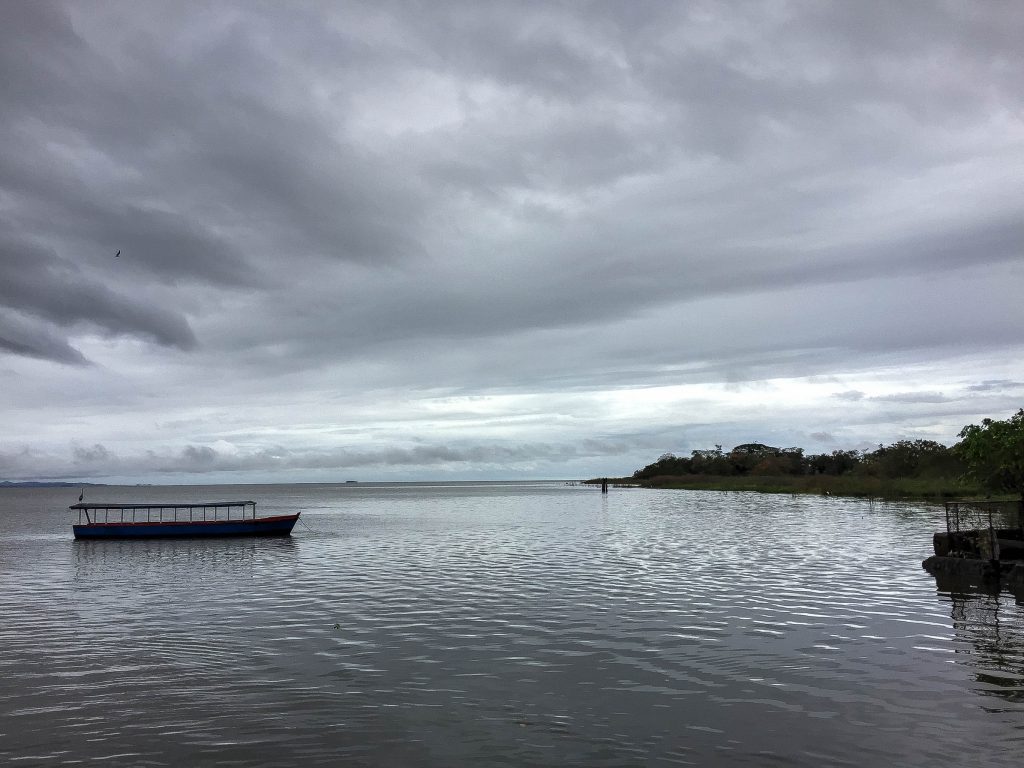
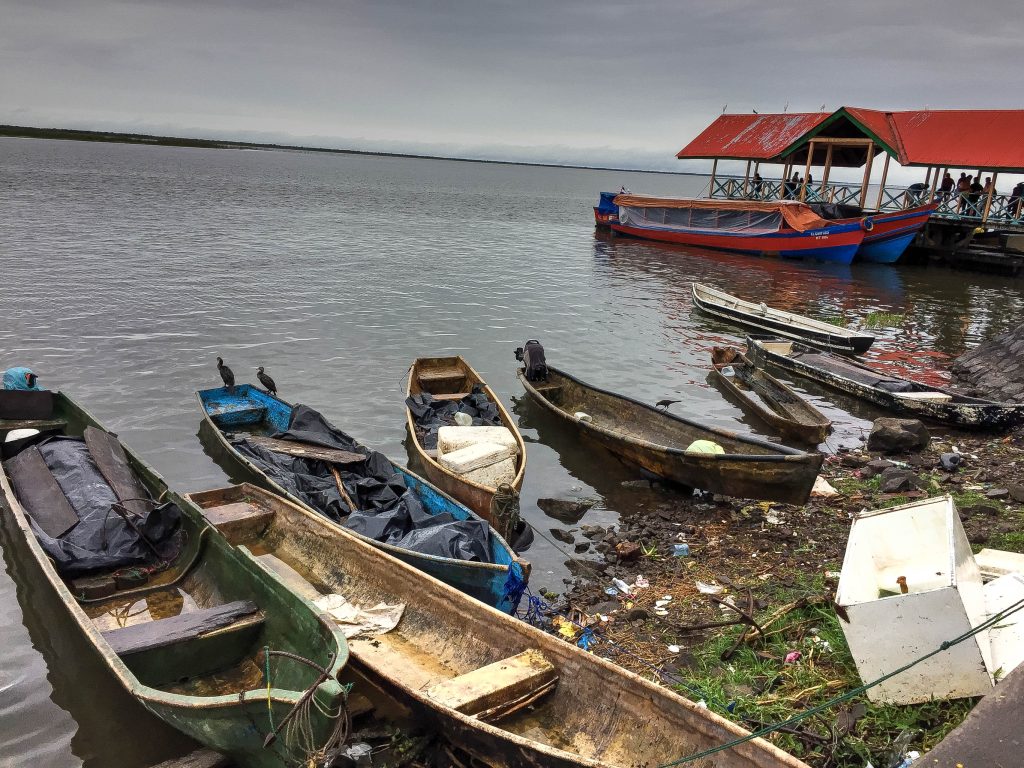
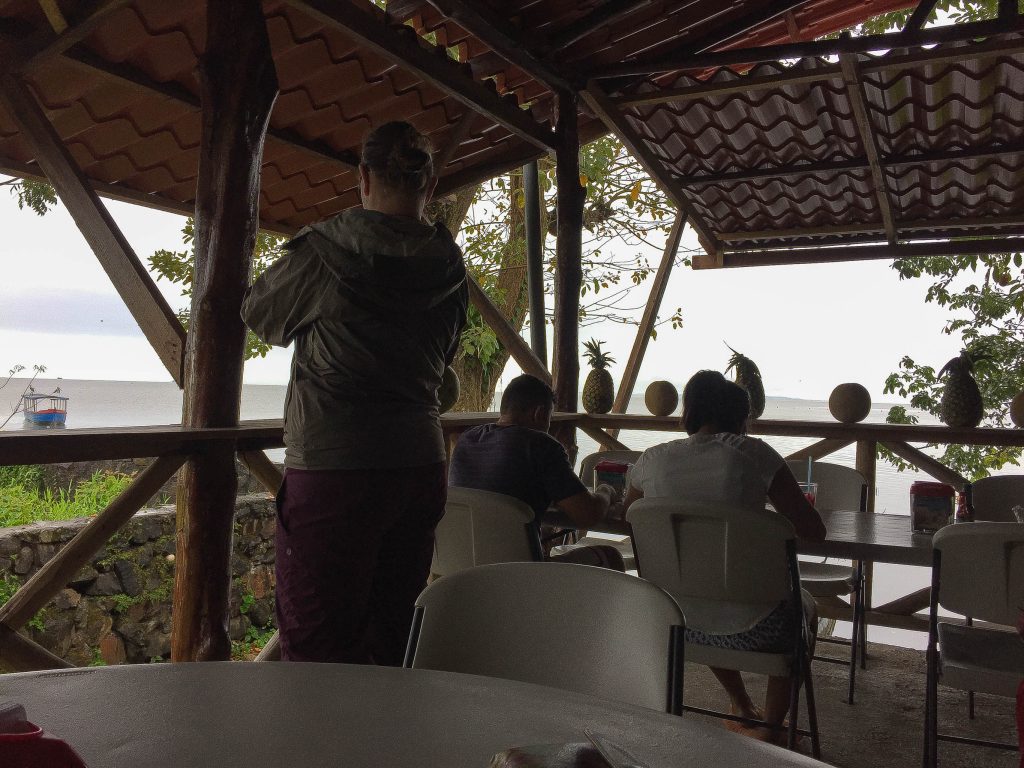
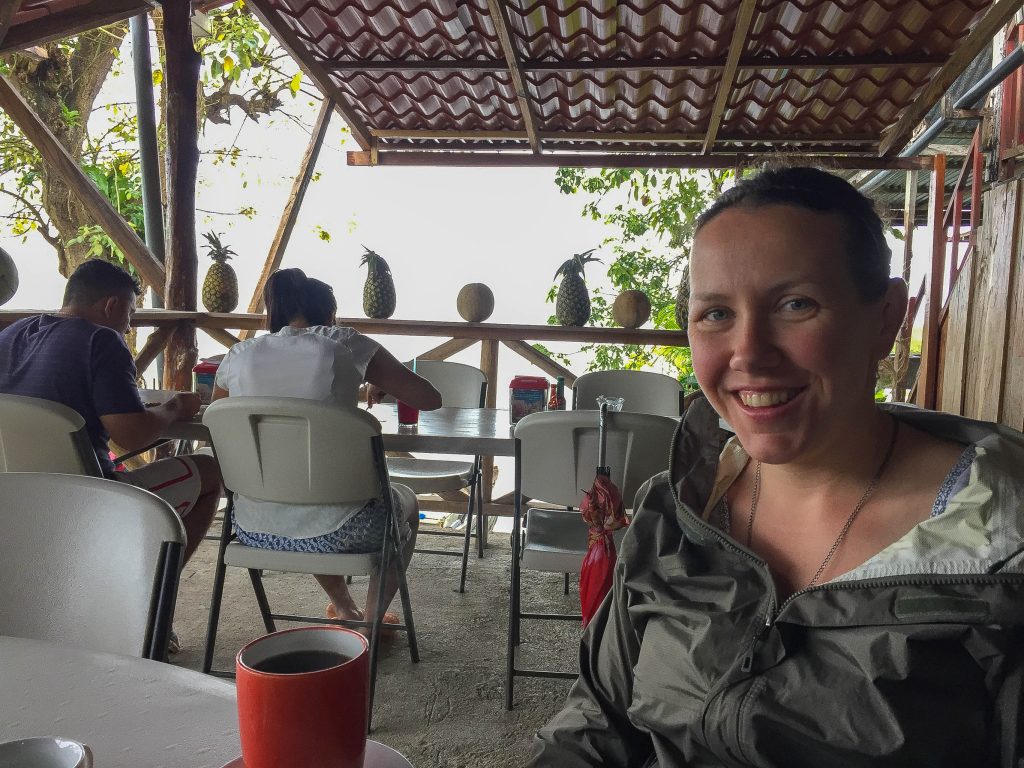
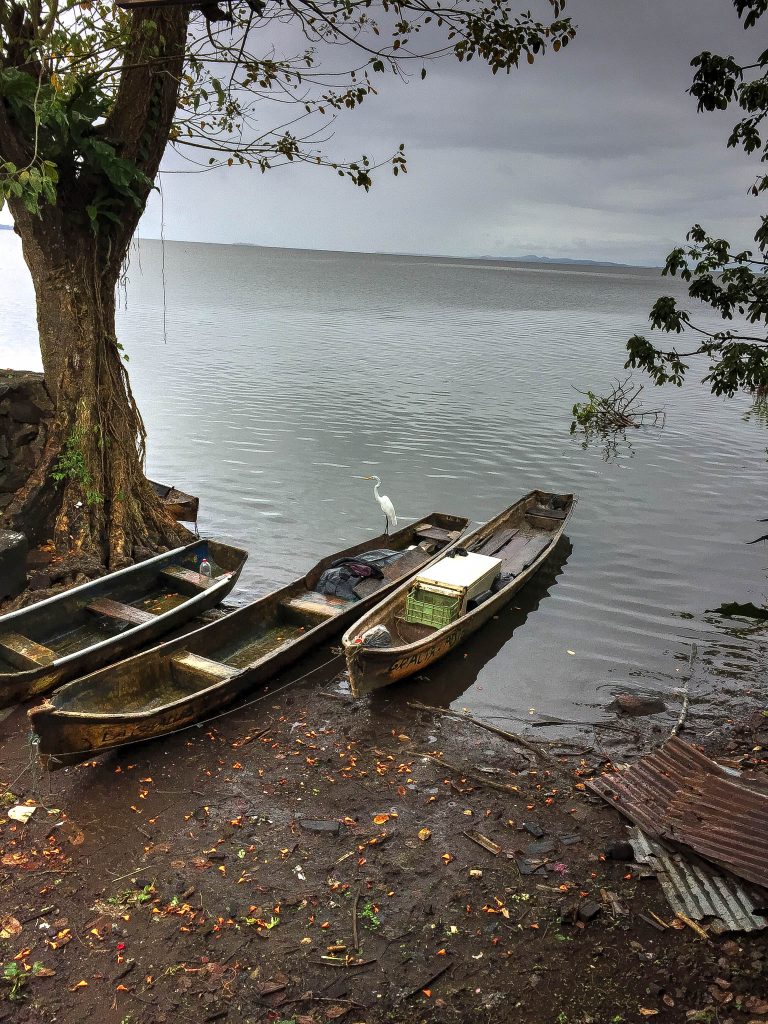
Morning light revealed San Carlos’ soul. Curious locals didn’t glare or avoid us — they simply asked, “Why are you here?” Their interest was warm and sincere. Sandwiched between the Guatuzos Wildlife Refuge and Río San Juan, San Carlos is a gateway for wildlife travelers. With a little guidance, a stay here is far from daunting; it’s enriching. Ernesto directed us to a breakfast spot with waterfront views and the best coffee yet, sourced straight from Nicaragua’s highlands.
If this kind of travel — a mix of uncertainty, small scares, and total immersion — isn’t your style, San Carlos might feel overwhelming. But for us, it’s exactly the way travel should be: a bit intimidating, full of unknowns, yet unforgettable.