Northern Nicaragua Coffee Poverty Through a Traveler’s Lens
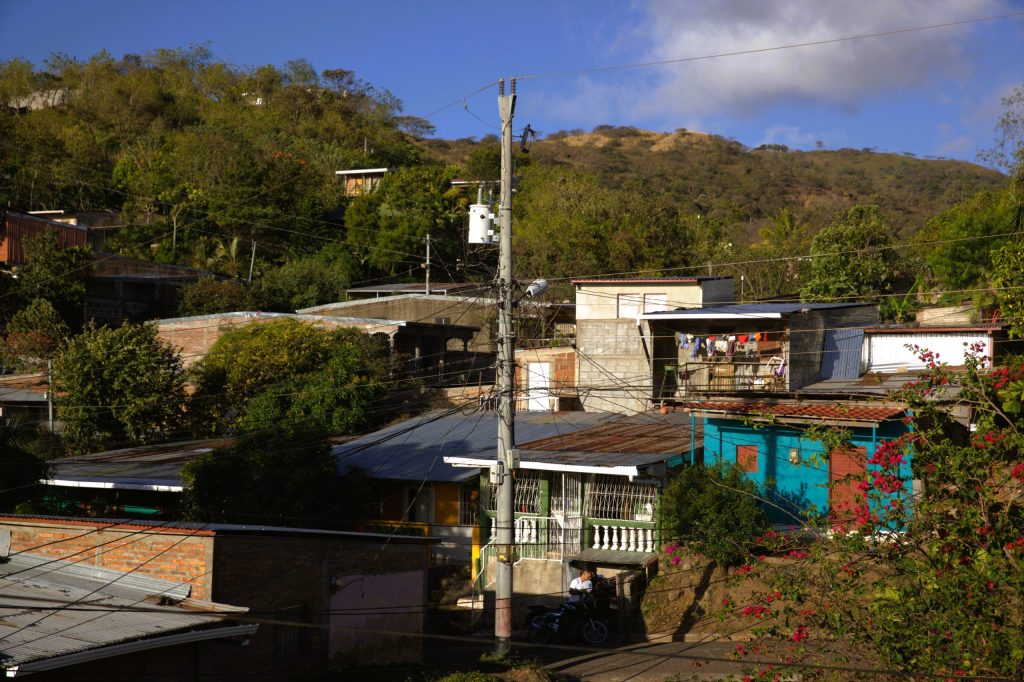
Traveling north in Nicaragua, the landscape changes subtly. Villas dot the hills, signaling pockets of wealth, but the rural areas around Matagalpa reveal a different reality: some of the poorest regions we’ve seen yet. And yet, it’s evident that money is being made somewhere, a phenomenon we’ve come to call “coffee bucks.”
Around Matagalpa, you don’t have to look far to see coffee beans spread across black tarmac, raked and dried under the sun. In another culture, this could be a meditative, zen-like practice with rocks, but here it’s daily labor, performed for pennies. These meticulous rows of green beans eventually travel down the production line, ending up in our cups thousands of miles away.
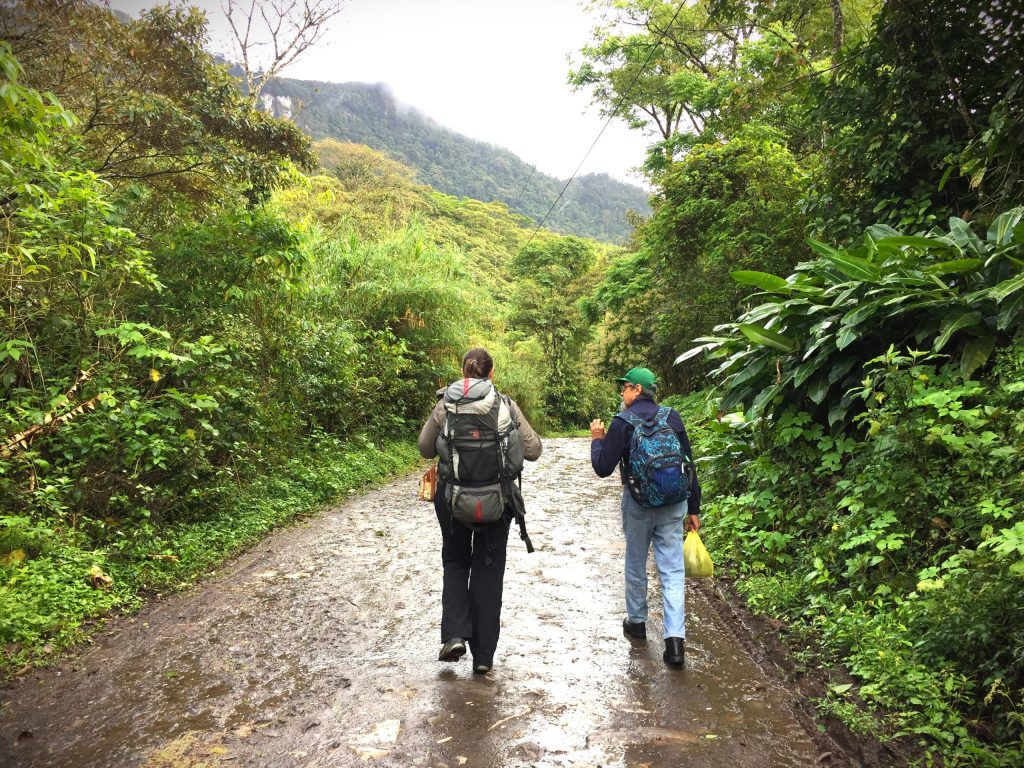
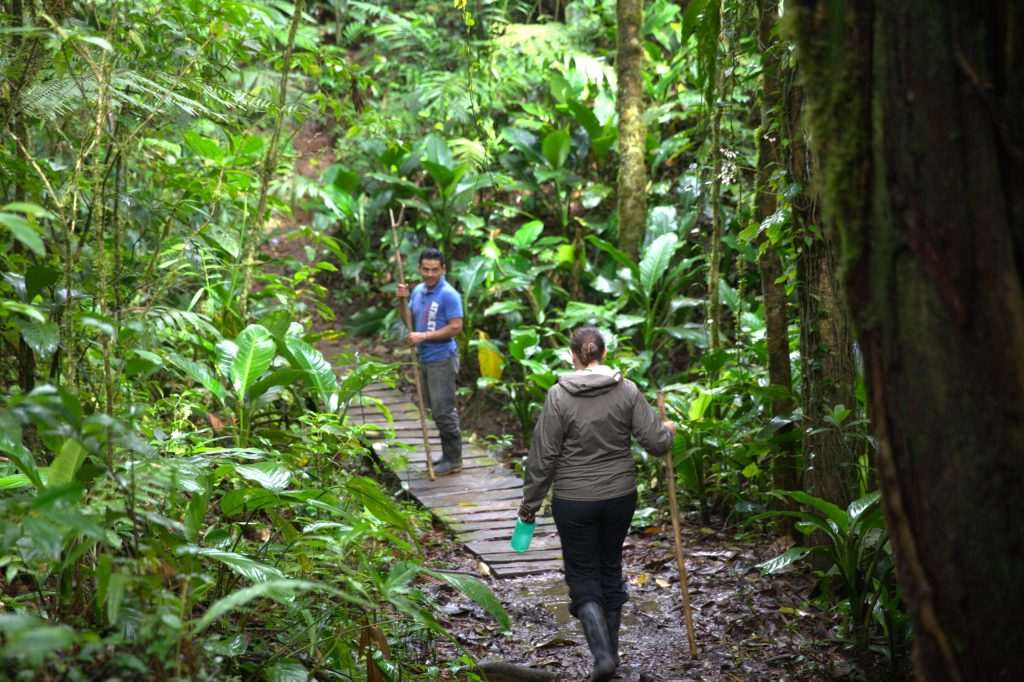
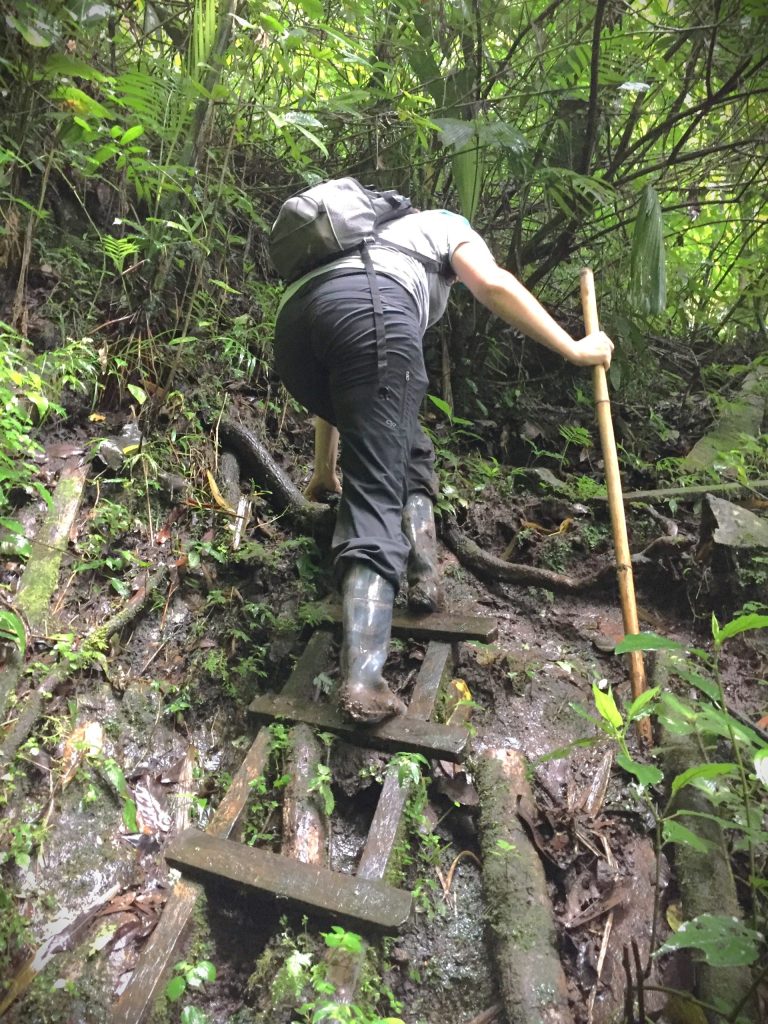
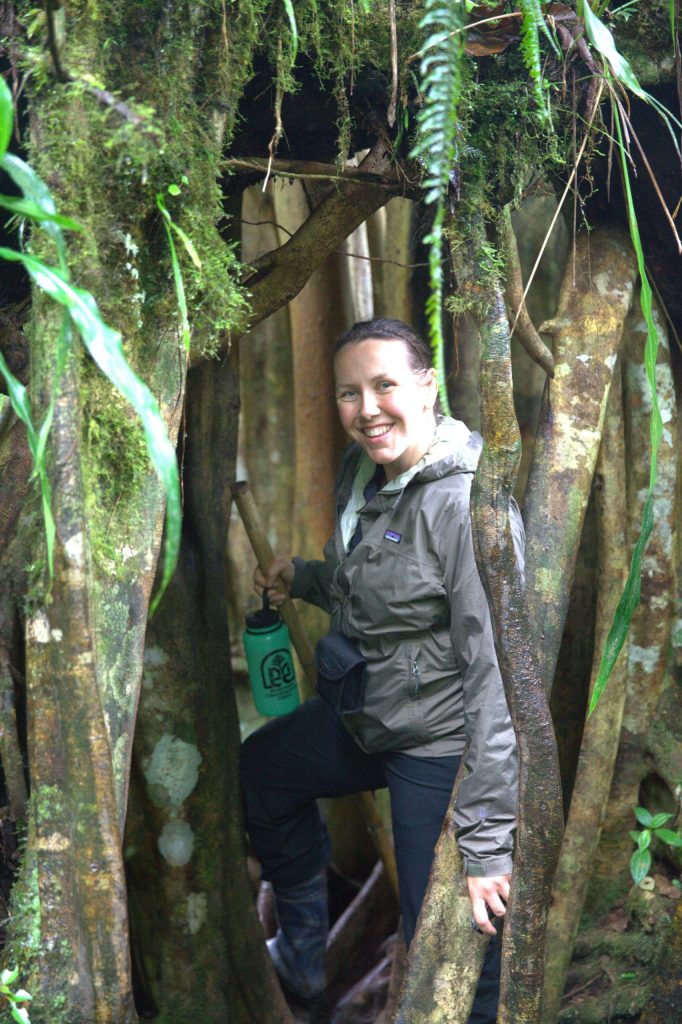
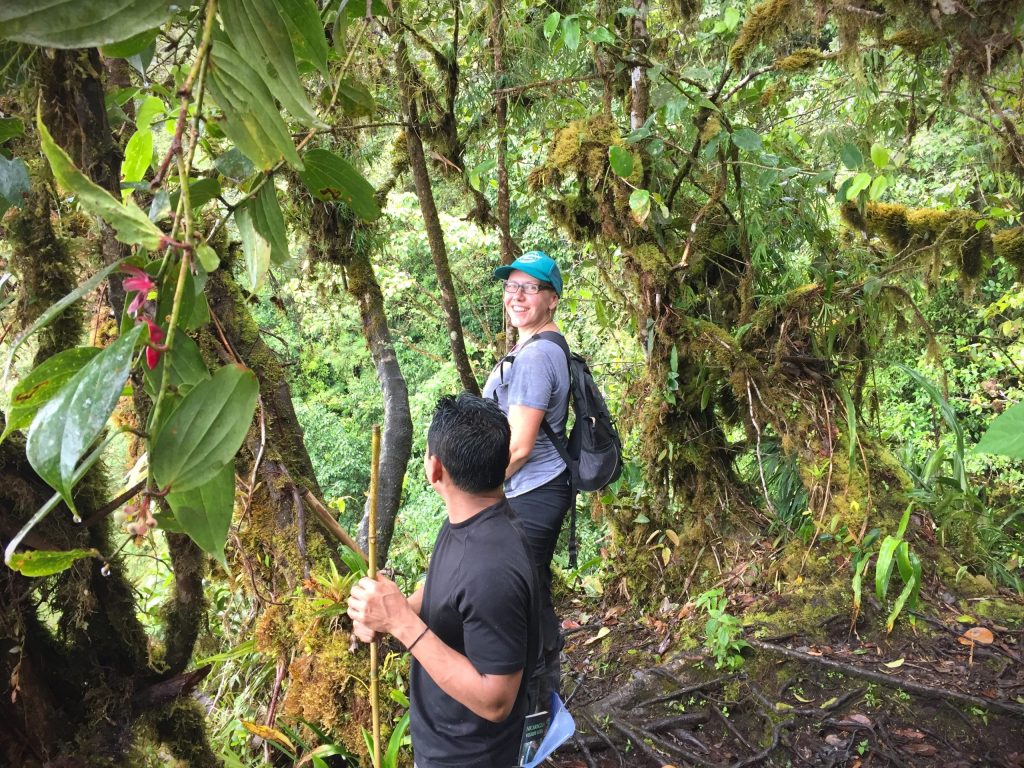
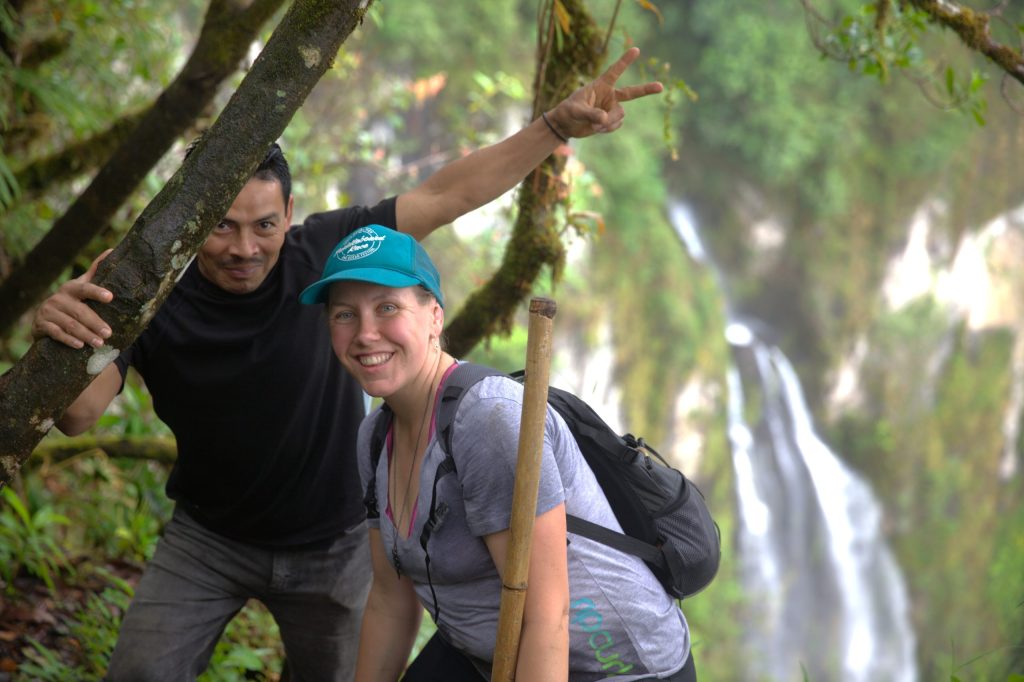
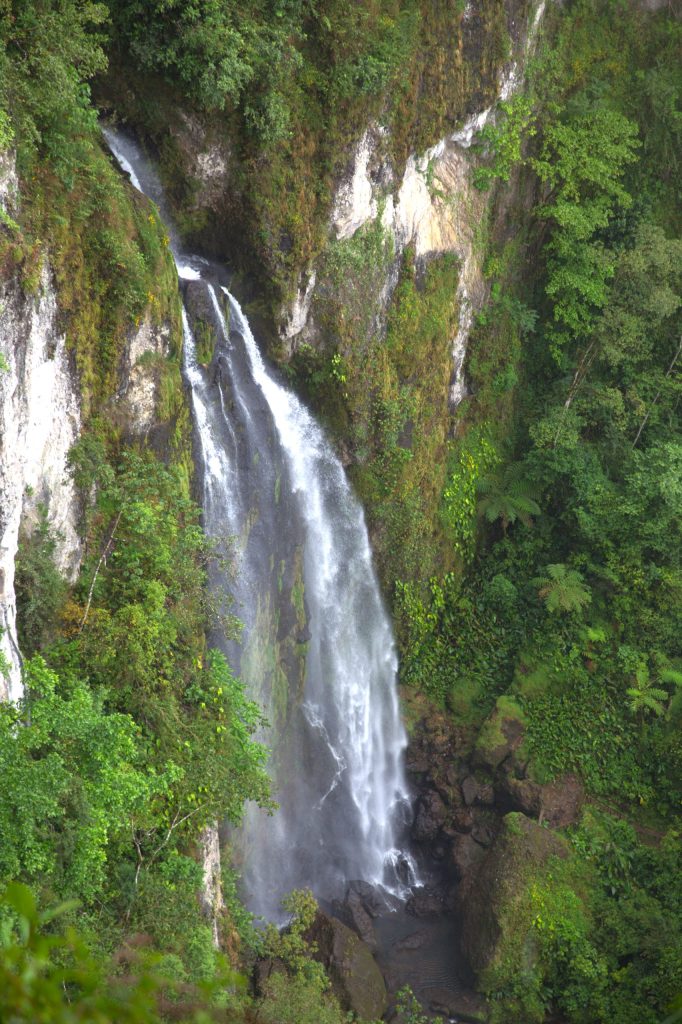
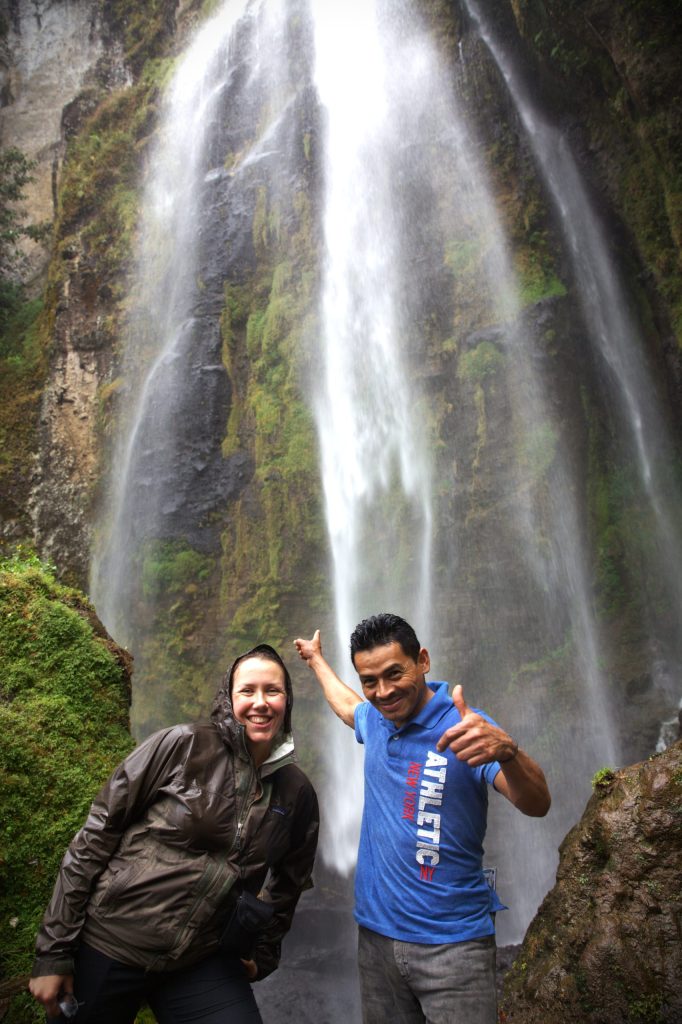
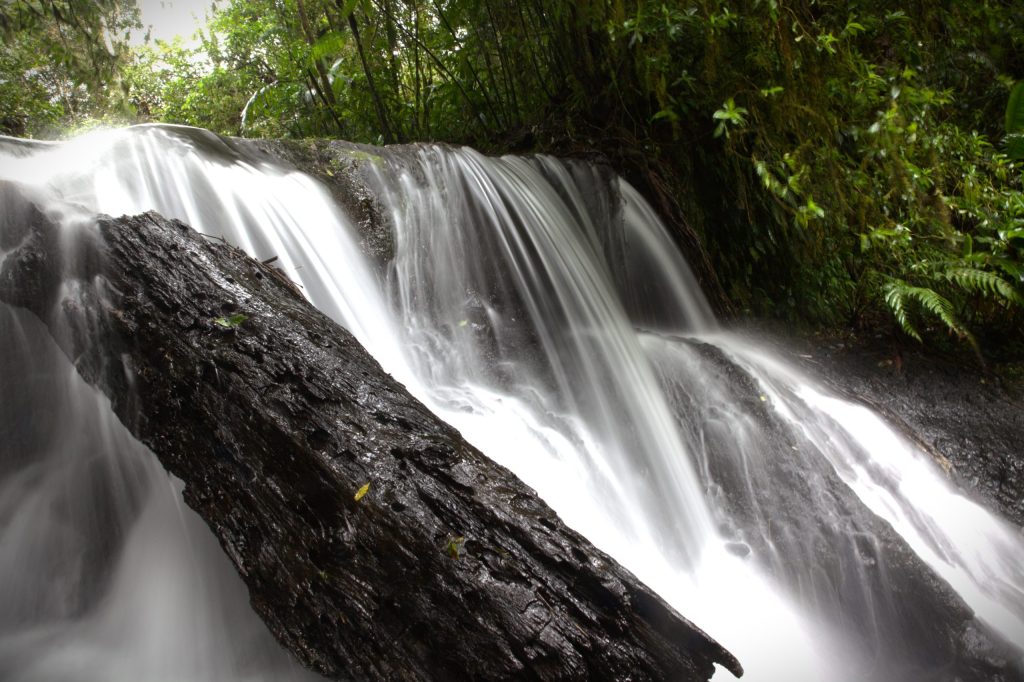
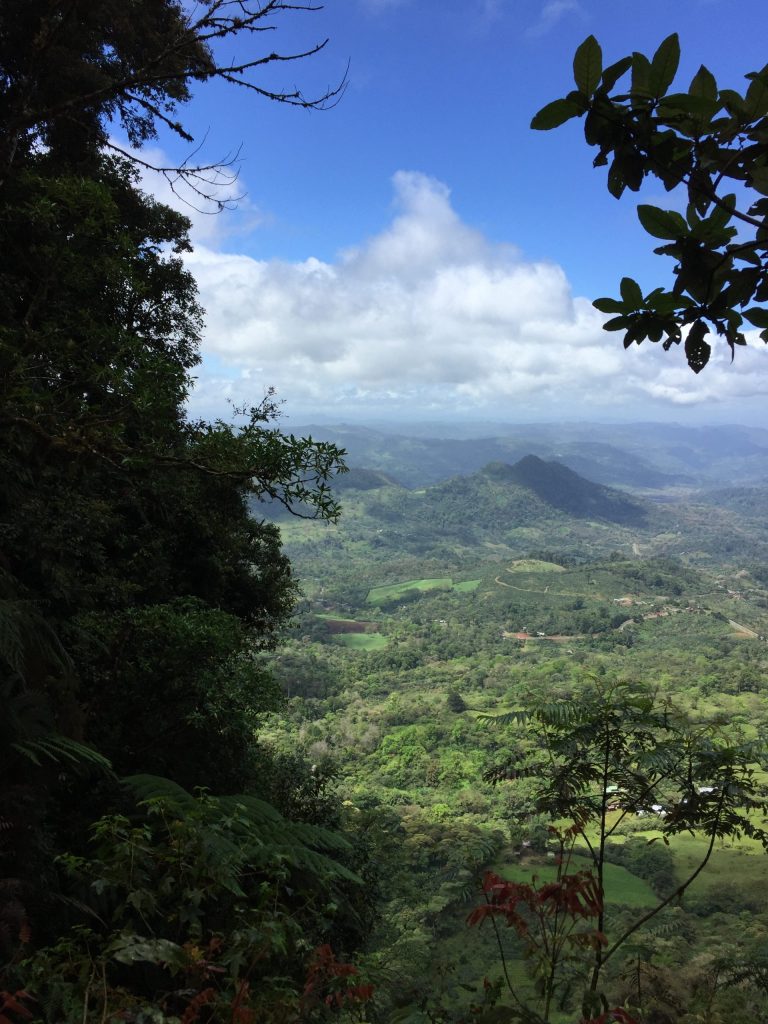
The poverty stretches far and wide, even reaching the Penas Blancas reserve to the northwest. We spent a night there and were guided on two breathtaking hikes through primary forest by Alejandro, a local man with three children and a house visible from the jungle vista. Alejandro doesn’t speak English, but with Marii’s persistence in learning the language, we had in-depth conversations about life in this region. Alejandro earns $130 per month to support his family — a hard-working, smiling, well-intentioned man, doing everything he can, yet still struggling to provide. Despite conflicting information from the Ecological Center where we stayed, Alejandro, like many others, faces difficult choices: leave home to seek work elsewhere or make do on what little he can earn locally.
Travel is often a stark dose of reality. We witness lives shaped by circumstances beyond their control, making our own choices back home feel all the more significant. Yet there’s another layer: observing locals harm their environment — tossing plastic bottles, mismanaging land — and seeing a lack of training or motivation in tourism-related work. Guests wait while staff figure out reservations or serve themselves; it’s neither malicious nor lazy, simply unlearned. What seems like common sense to us comes from years of experience, observation, and opportunity. Accepting this part of travel is difficult, but it is essential. All we can do is make conscious choices in our own lives and hope, through example and inspiration, to encourage others to do the same.
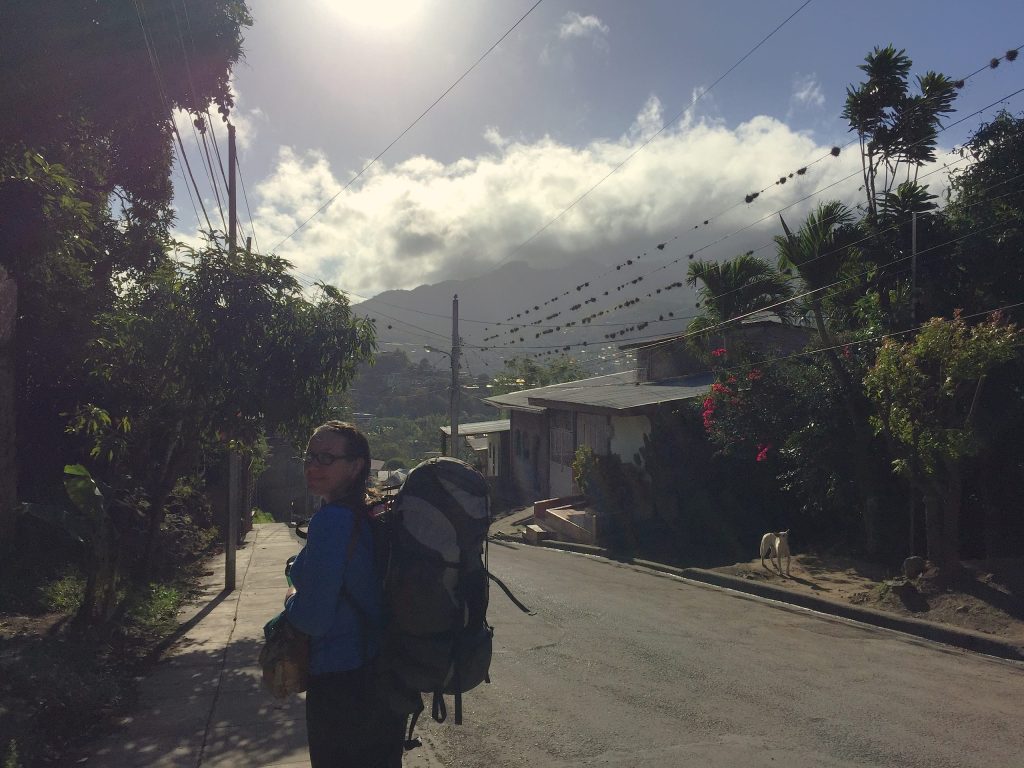
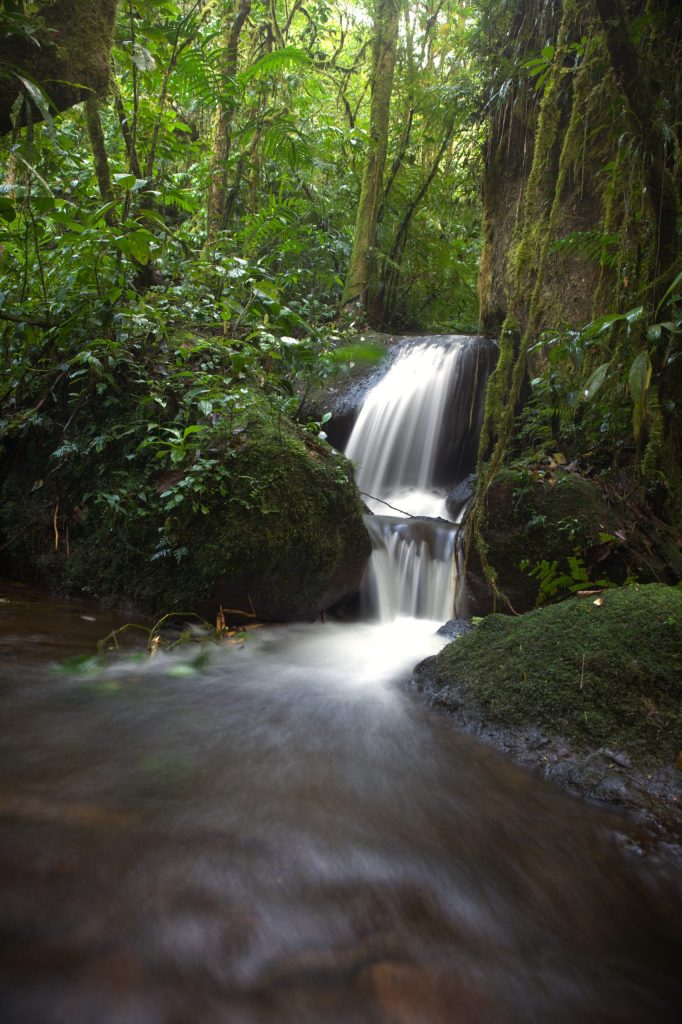
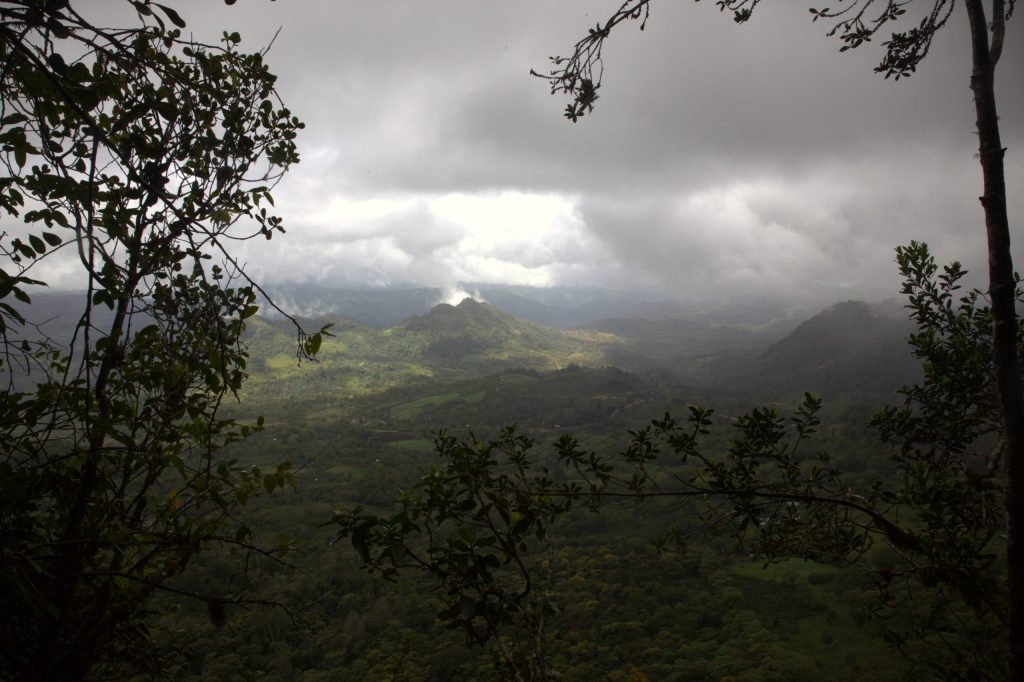
The Northern highlands are breathtaking. Clouds roll over the mountains, sometimes hiding, sometimes revealing the stunning vistas. Yet, just as the landscape is intermittently obscured, so too is our understanding of Nicaragua as a whole — a country rich in natural beauty, yet second only to Haiti as the poorest in the Western Hemisphere. The contrast is undeniable, humbling, and impossible to forget.