Why a Loikaw Myanmar Trekking Experience Rewards Patience and Trust
So remember all that hubbub about trying to get to Loikaw? Well… now we’re here. Now what?
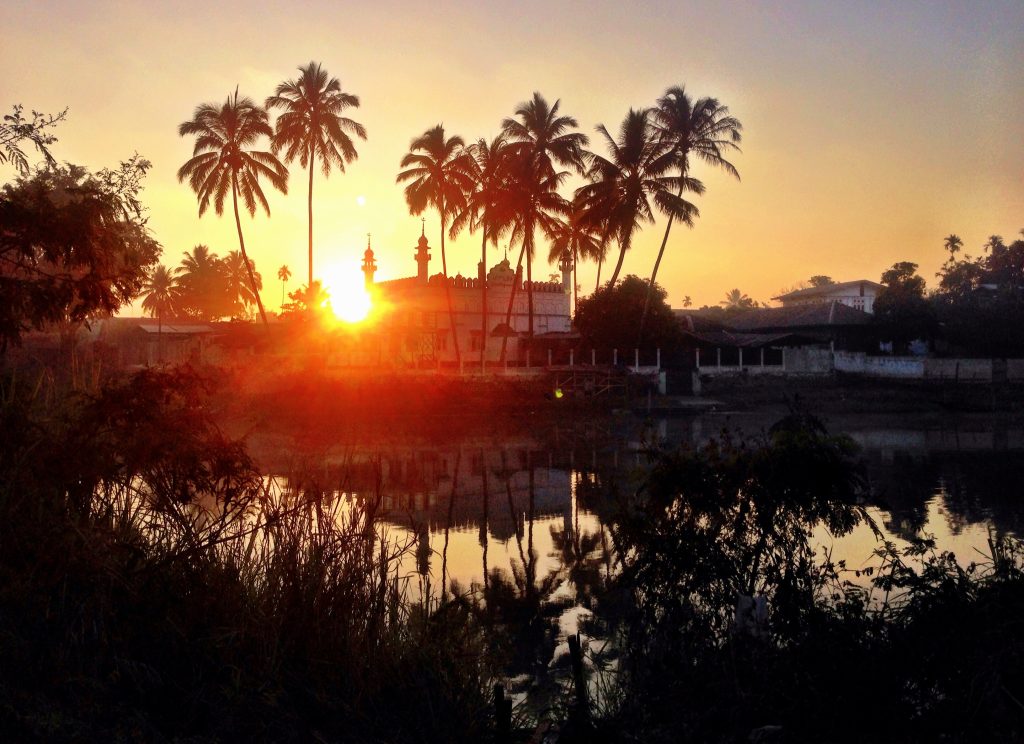
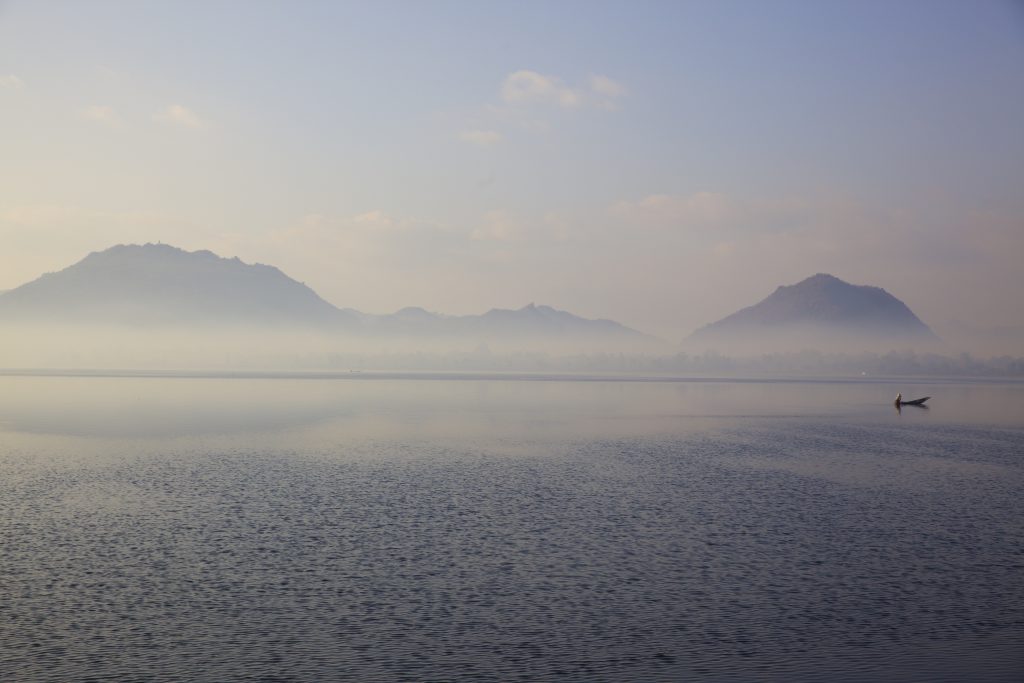
No red-carpet arrival. No trumpets blaring. No neon signs flashing “New tourists arriving — take care of them.” Just a protective river wrapping around the outskirts of town, guarding its secrets for years before the government finally relaxed restrictions and opened places like this to people like us.
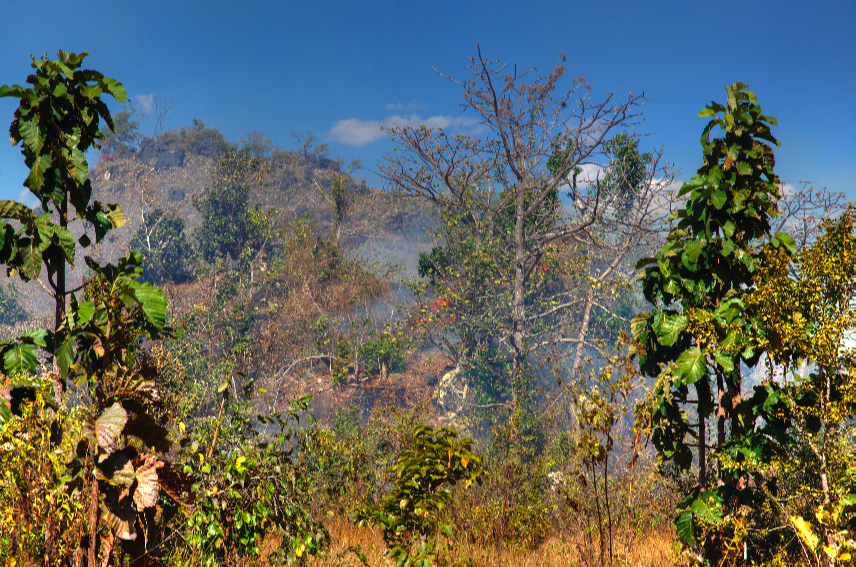
With only four guesthouses to choose from, no visible travel companies, no guides advertising treks, and not even many real restaurants to speak of, Loikaw was primed for a very particular kind of adventure — the kind where every decision is a struggle, every step requires thought, and patience is mandatory. But that, of course, is what we signed up for.
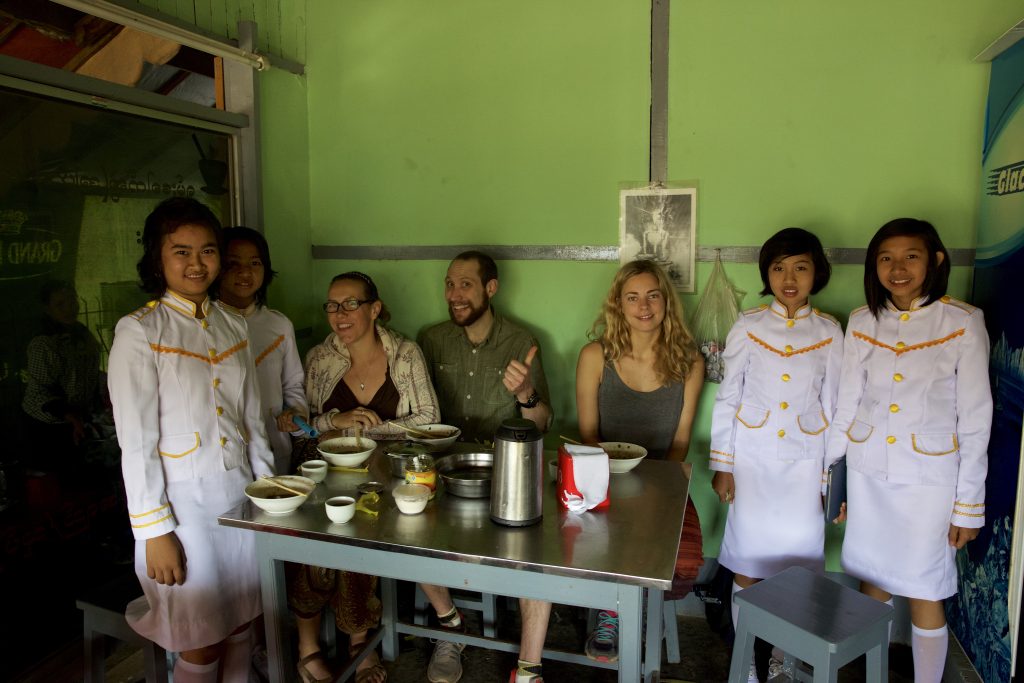
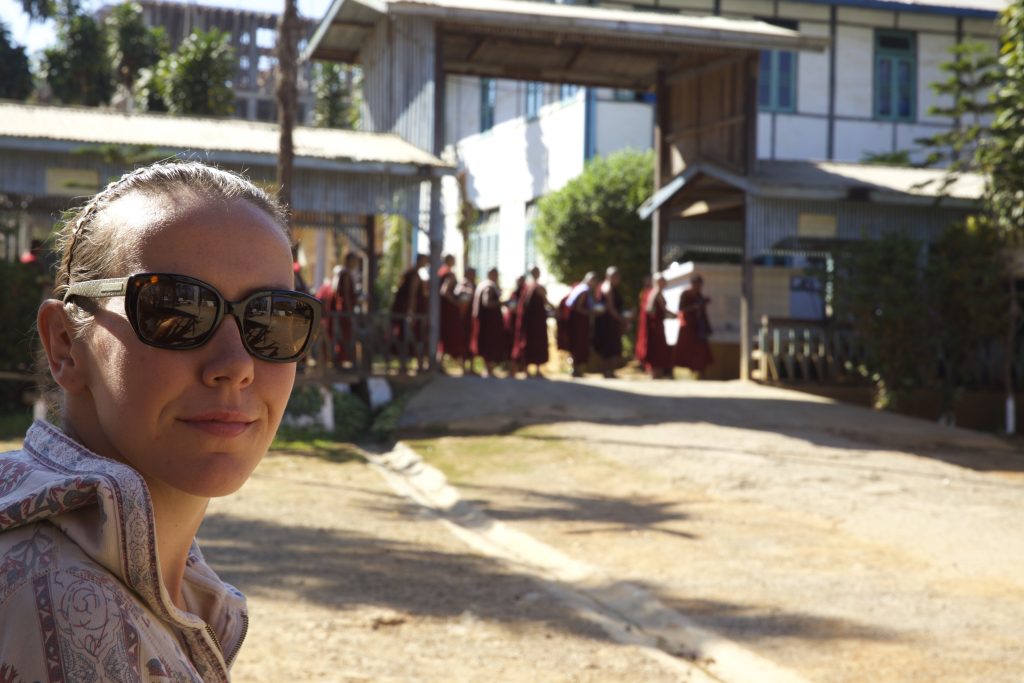
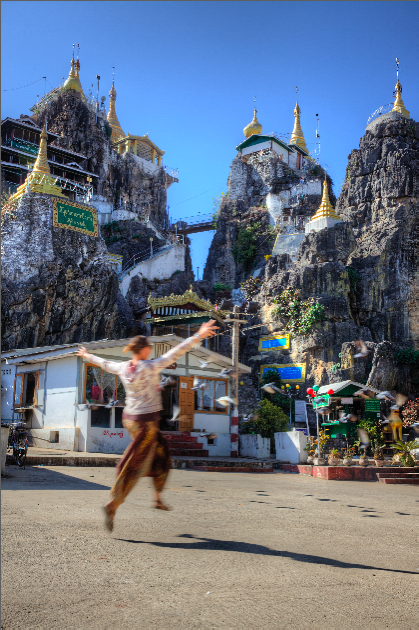
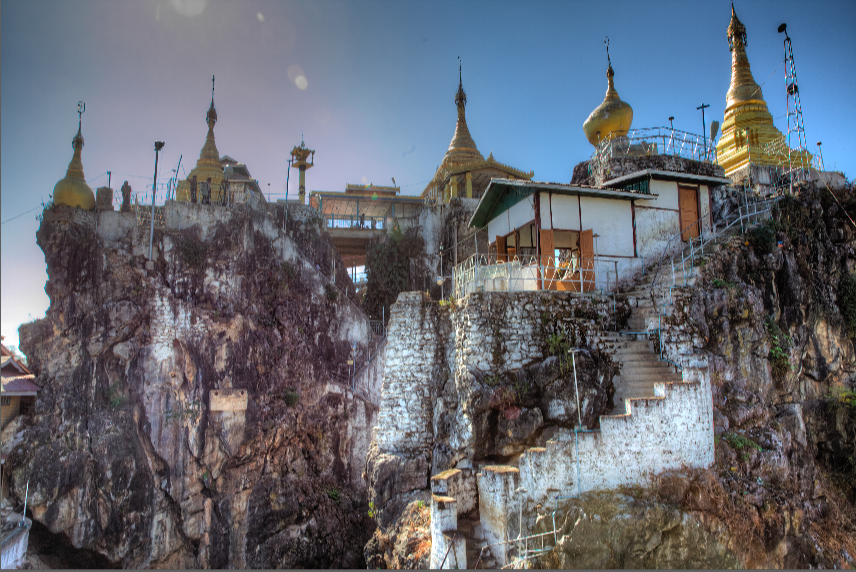
After locating the only approachable restaurant in town — the Golden Lion, perched riverside with $0.60 draft beers — our journey officially began. When in doubt, ask a local. That simple rule unlocked a town that had already offered us more than we expected: a quiet monk procession observed in peaceful reverence (aside from one tour bus of Italians who arrived just in time to ruin it), cliffside pagodas overlooking town, and even a nervous bakery owner eager to practice his English while helping decay our tooth enamel with irresistible local sweets for our morning coffee. (Yes, some Western habits refuse to die.)
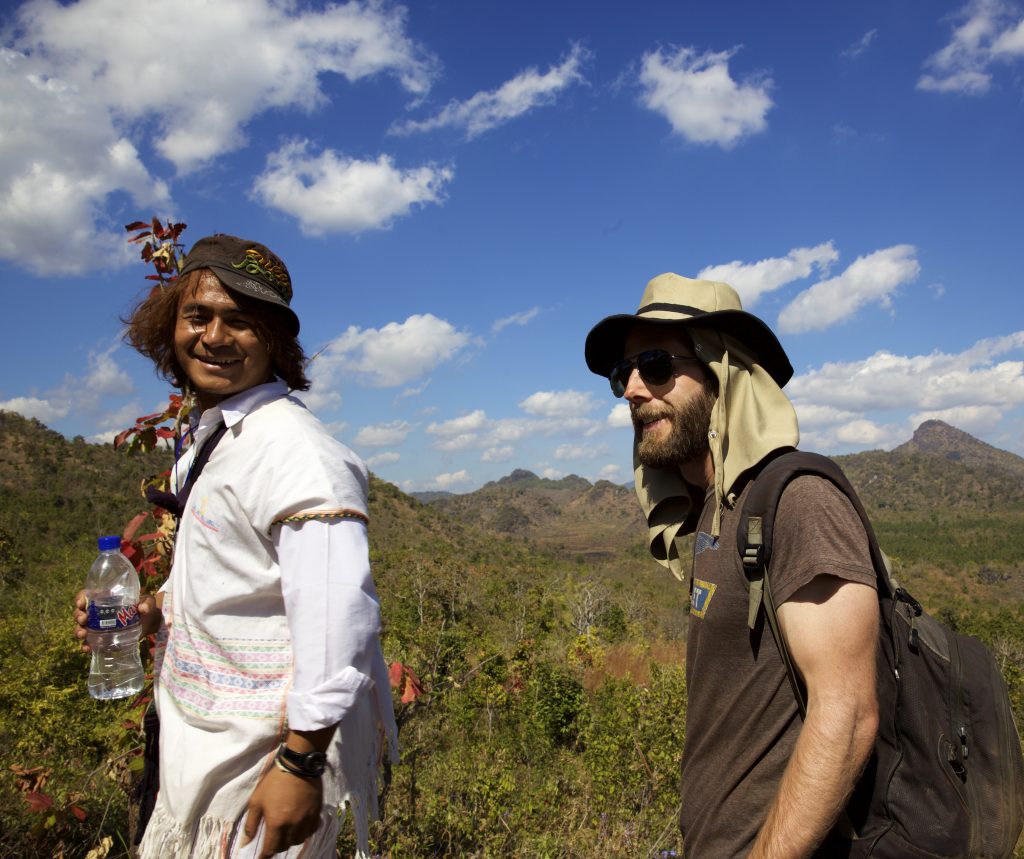
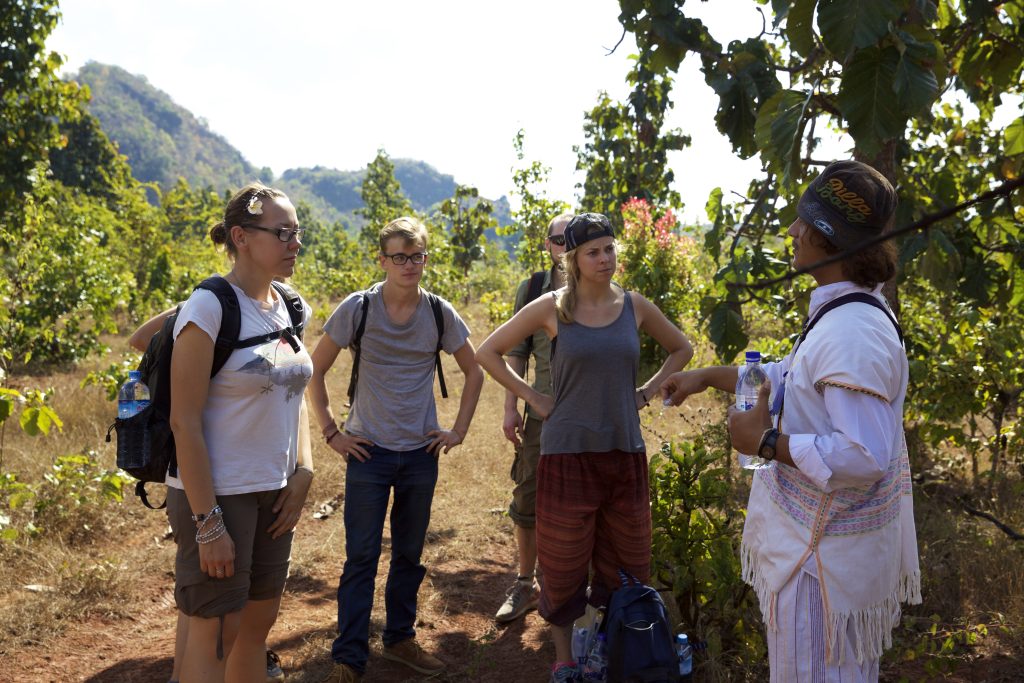
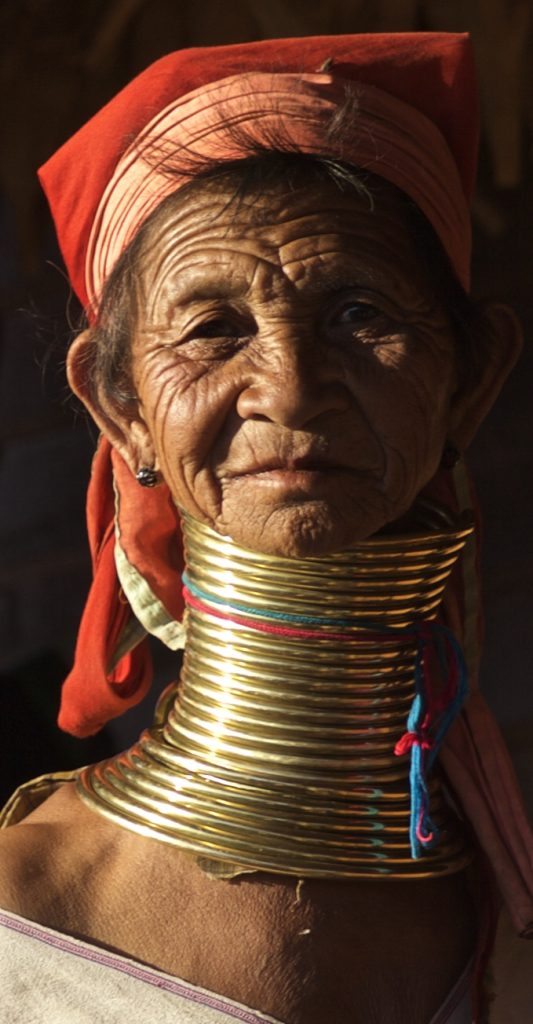
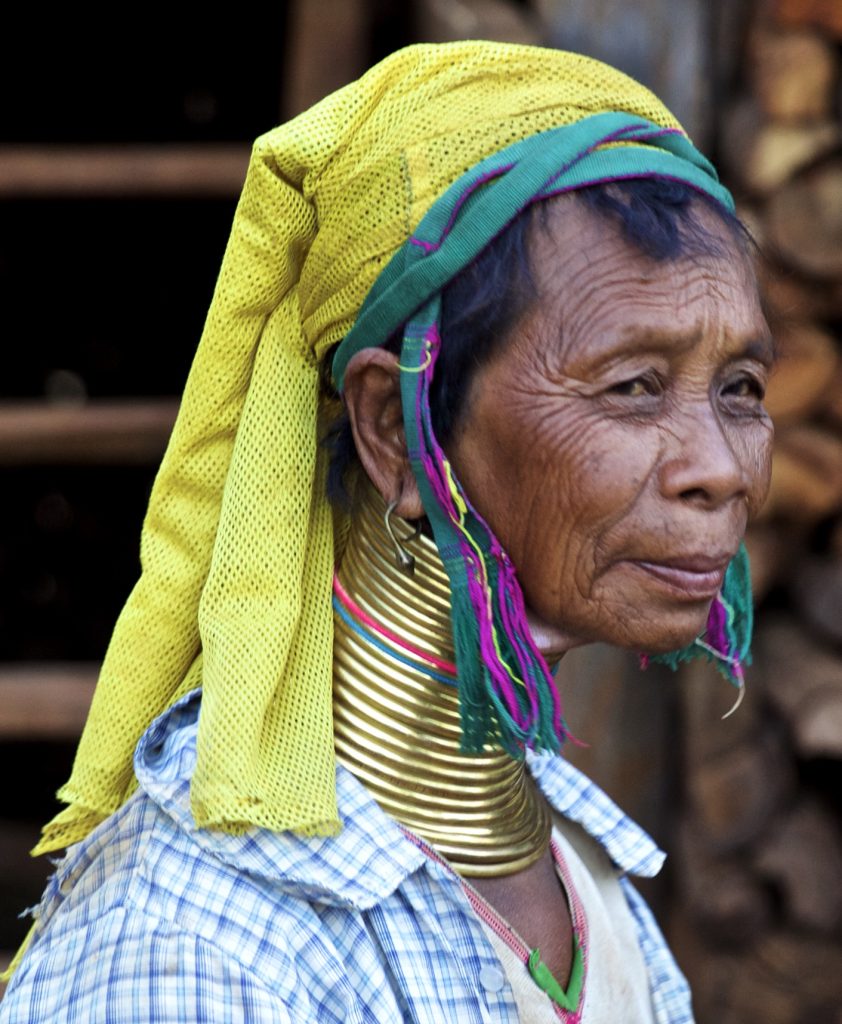
Through these riverside conversations, we managed to connect with one of only two guides in town — both hoping to build a future for Loikaw’s tourism by leading treks through the surrounding countryside, including visits to villages inhabited by the Padaung (long-neck) women.
Guide secured. The four other tourists in town recruited to help lower costs. A collective decision made to add more trekking than what was normally scheduled.
Famous last words.
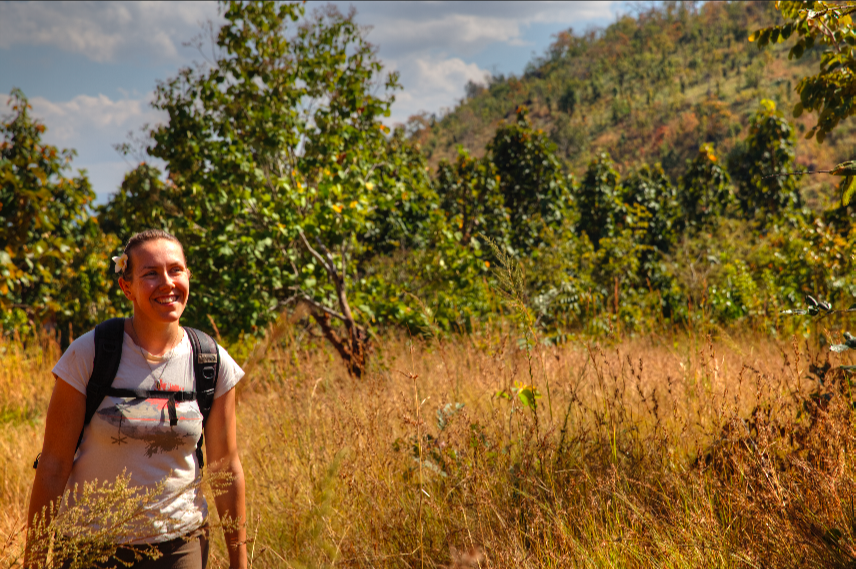
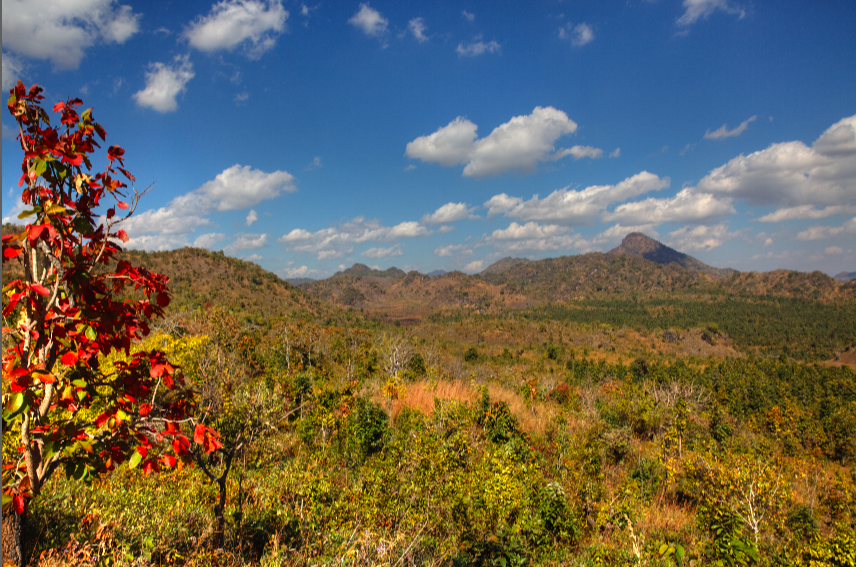
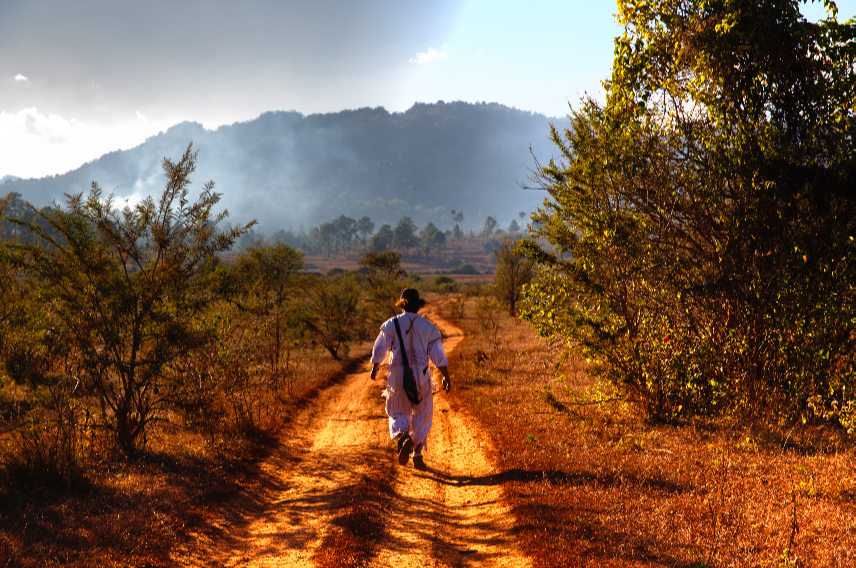
Somewhere between hours two and three of what was meant to be a five-hour trek — and eventually stretched into nine — we got lost. Not once, but twice. It’s all part of pioneering. Doubling back earned us fresh scratches, muscle aches in places we didn’t know existed, and accelerated the death of an already tread-less shoe. Still, our spirits remained high.
We didn’t reach our first village until nearly sundown, cutting short the time we’d expected to spend there — but not diminishing the experience.
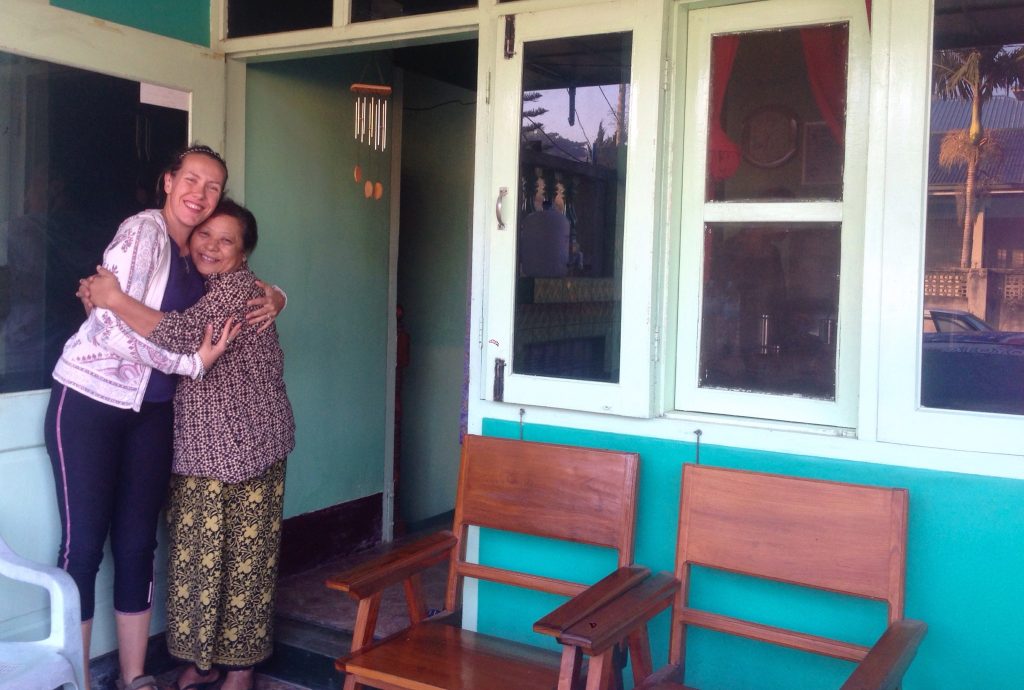
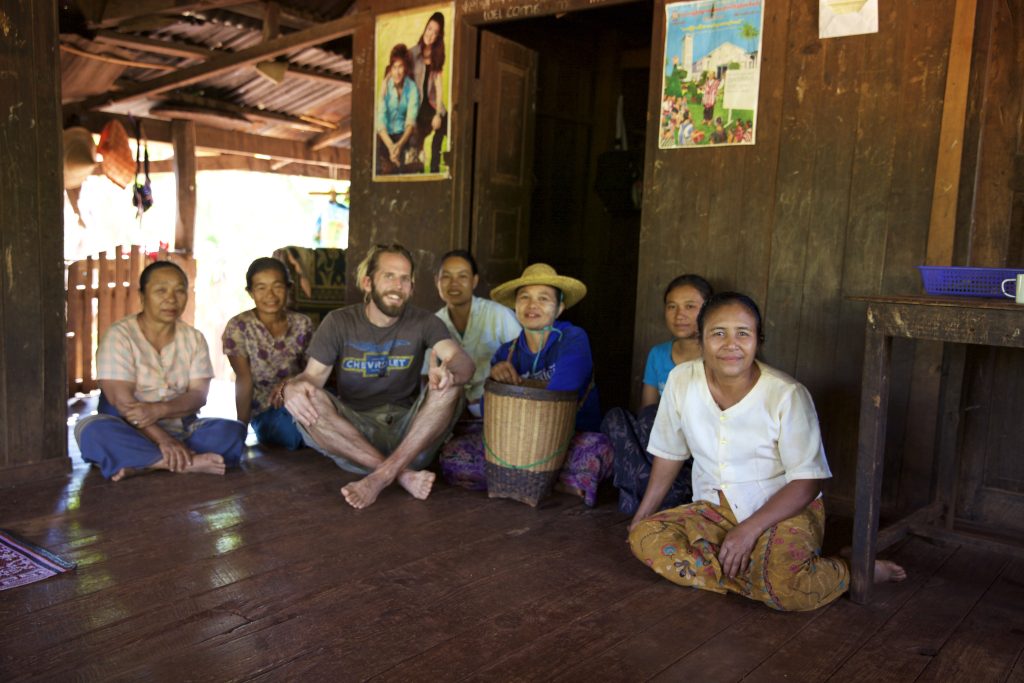
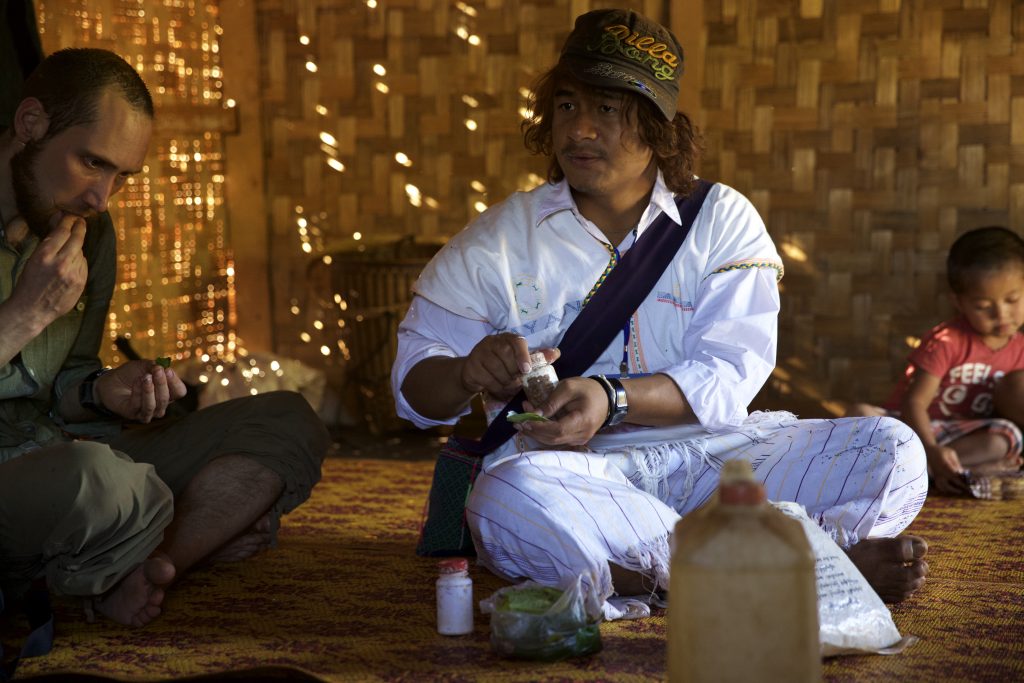
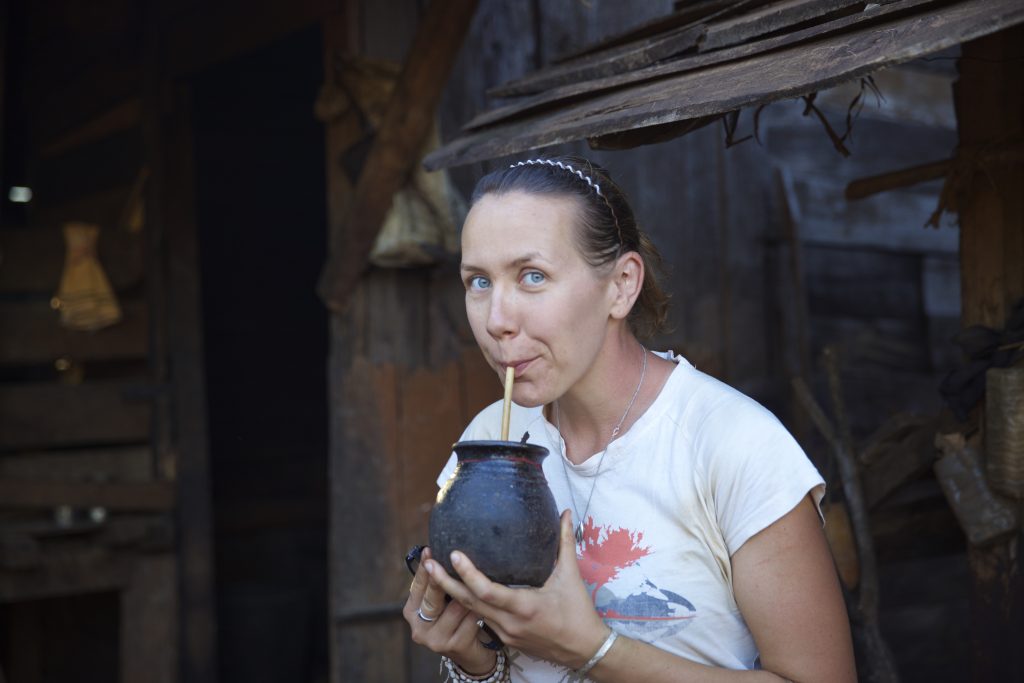
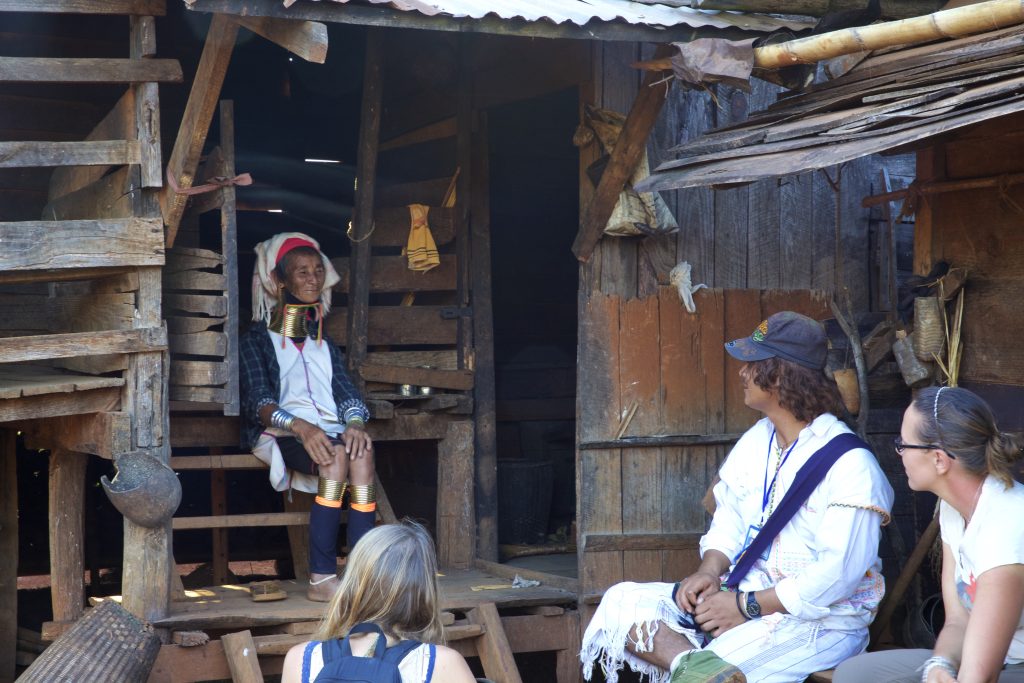
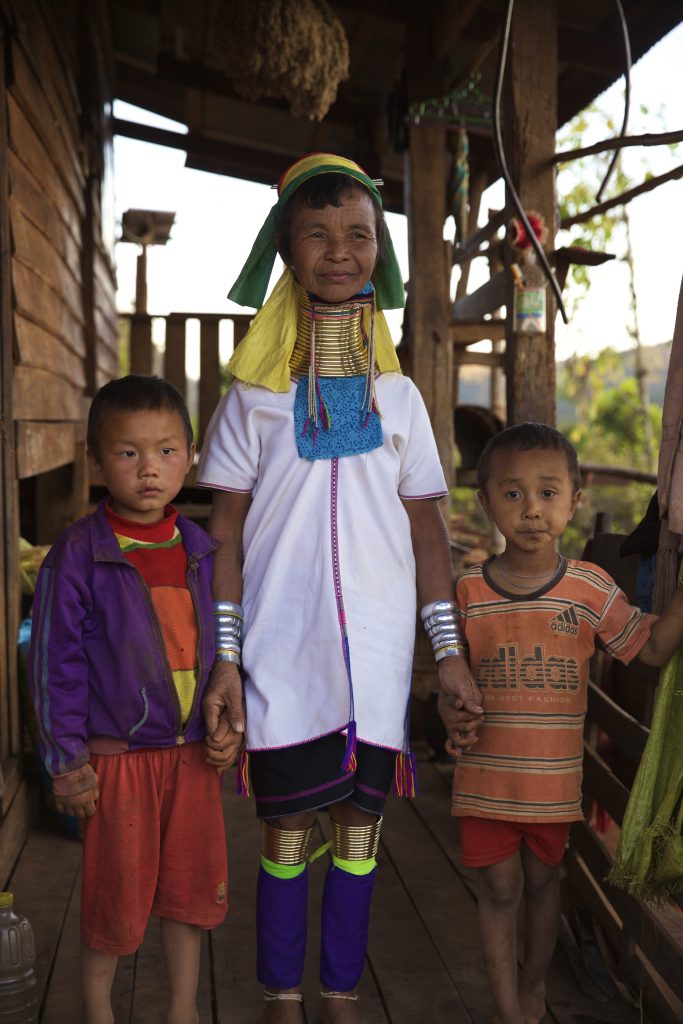
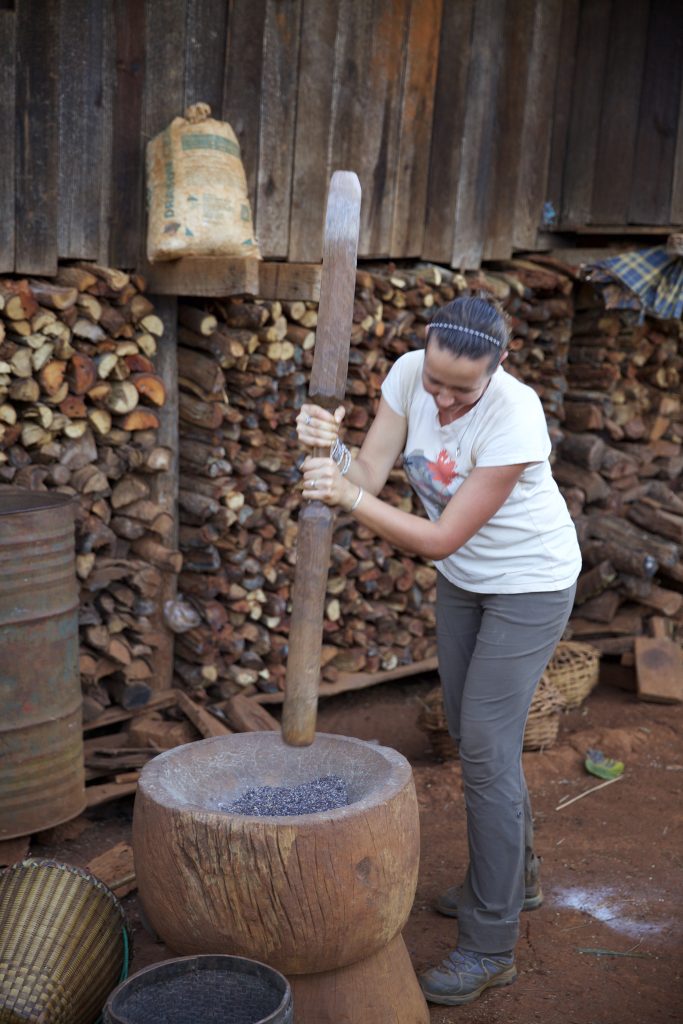
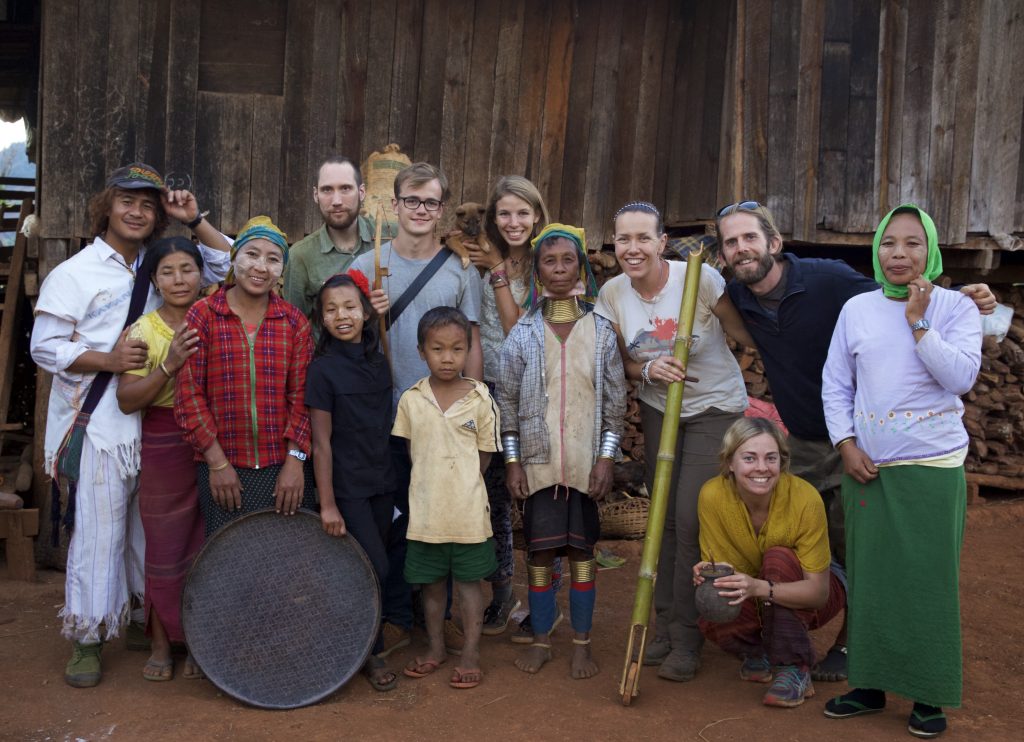
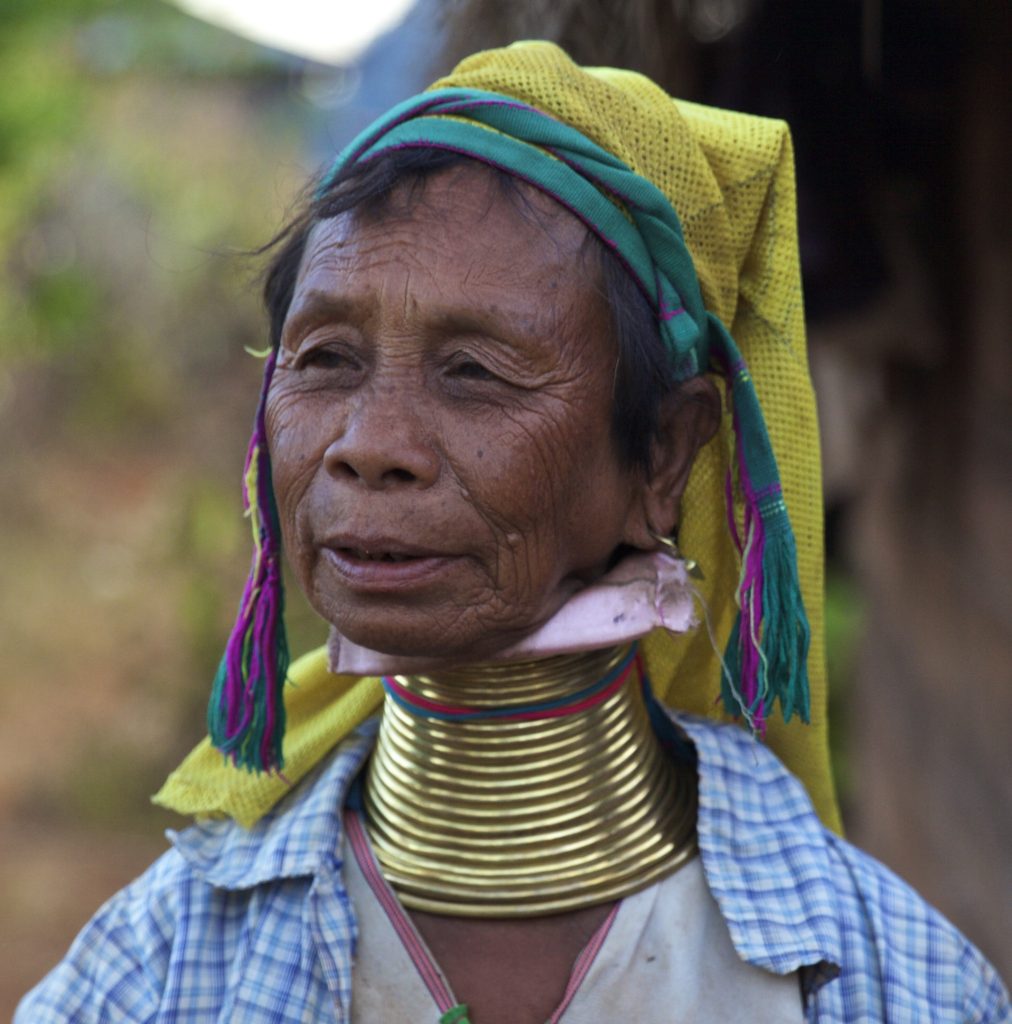
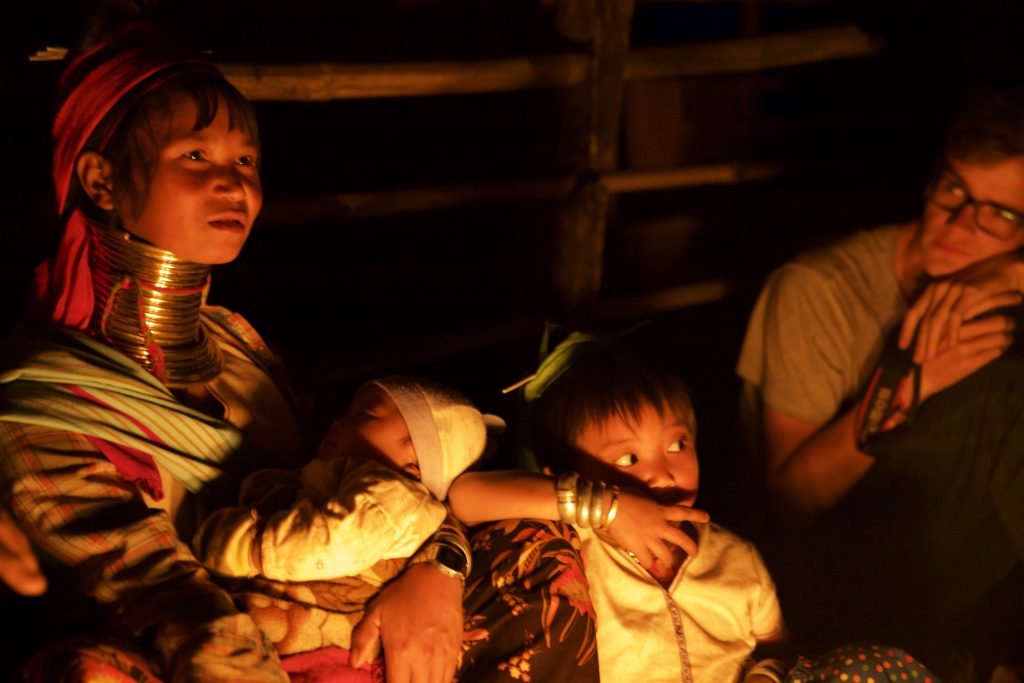
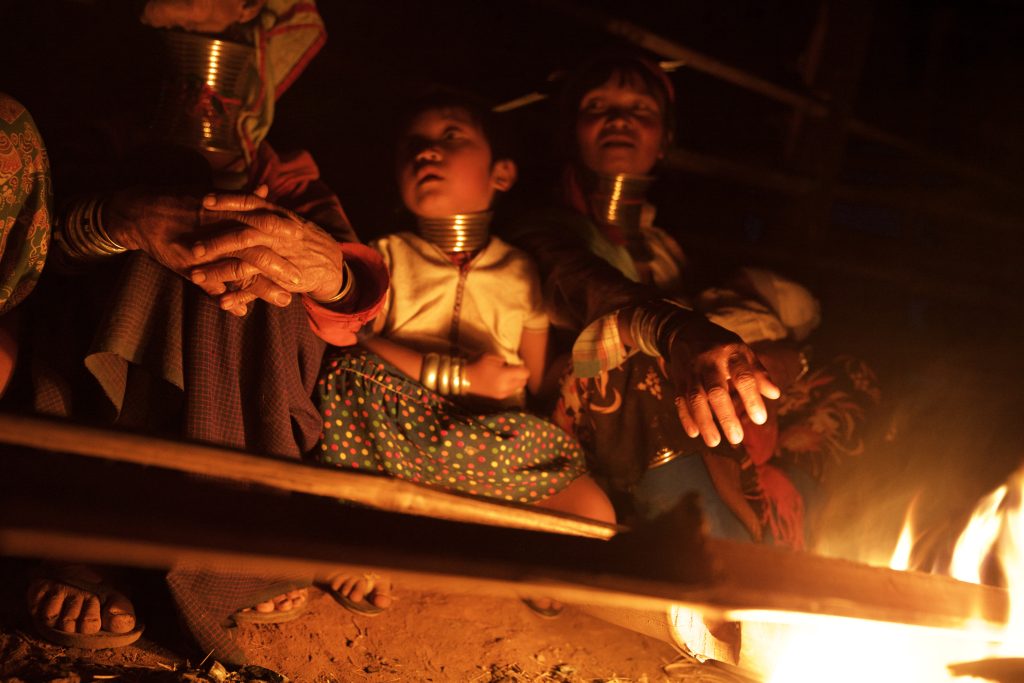
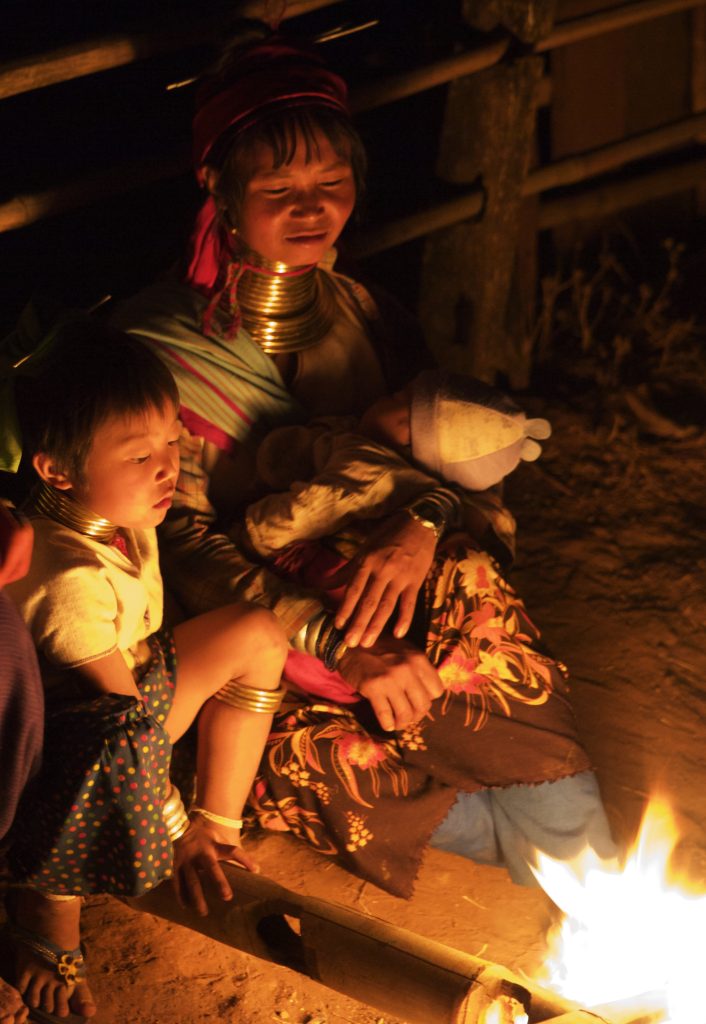
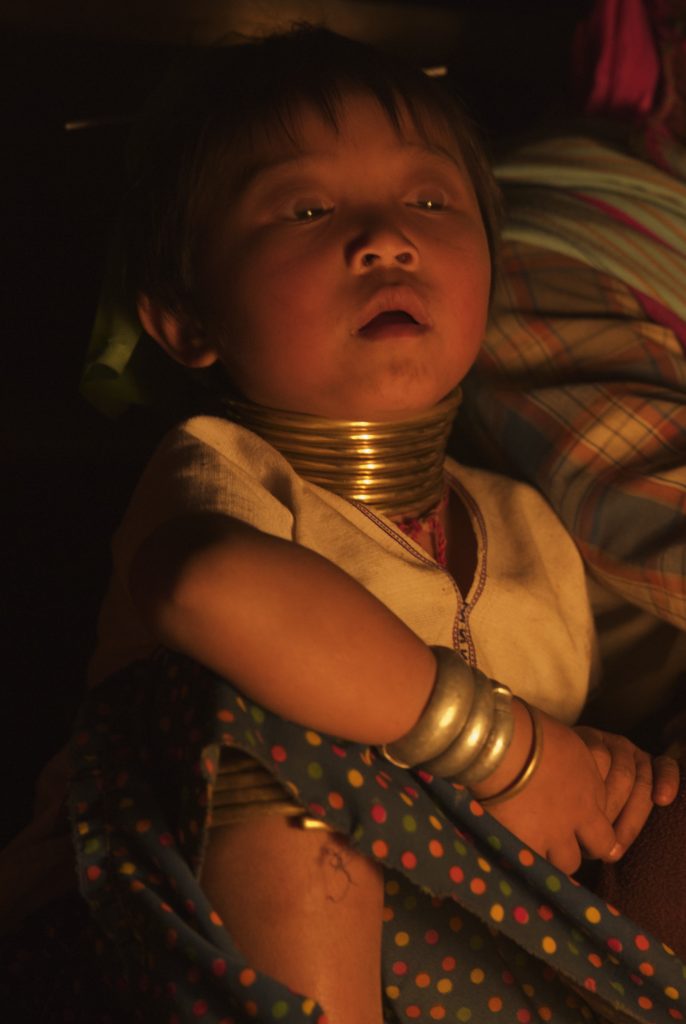
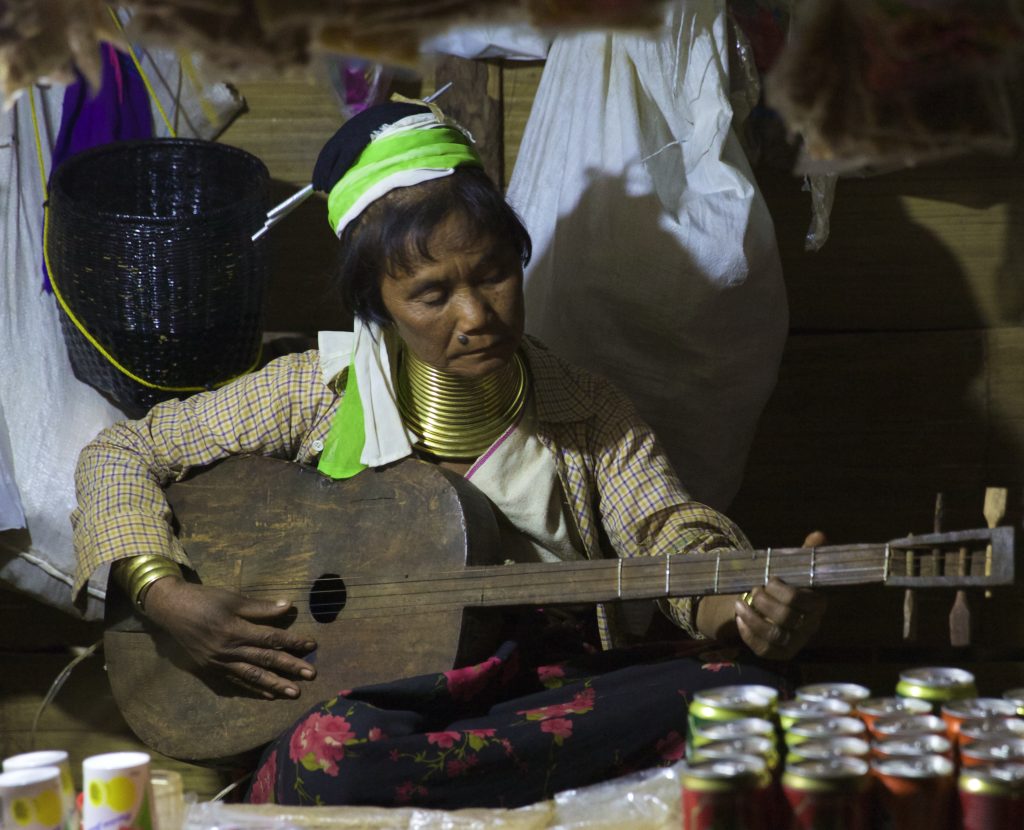
What initially felt like a trophy encounter — meeting the iconic long-neck women, their brass rings stretching skyward in homage to the Mother Dragon — quickly transformed into something far more intimate. A few house visits and rounds of locally produced, millet-based alcohol (each household proudly boasting its own recipe) turned strangers into extended family.
Still, an internal dialogue raged. How do you remain present and respectful, engaging deeply in a moment that feels like the culmination of years of relationship, while simultaneously feeling drawn to document a culture so visually striking — aware of how easily that can slip into something zoo-like? These dilemmas can’t be rehearsed. You don’t know how you’ll react until you’re there.
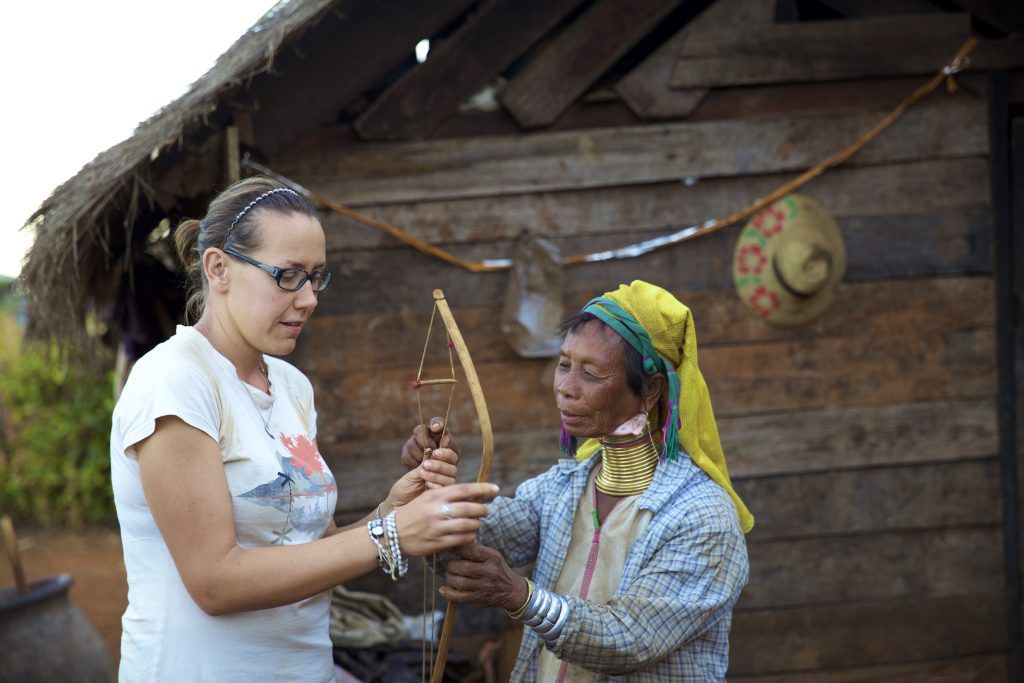
Our turning point came from an elderly woman who chose not to put herself on display. Instead, she shattered the invisible barrier by welcoming us as grandchildren — laughing, running about, showing us how they entertained themselves, even demonstrating handmade firearms with youthful glee.
From that moment on, the tension dissolved.
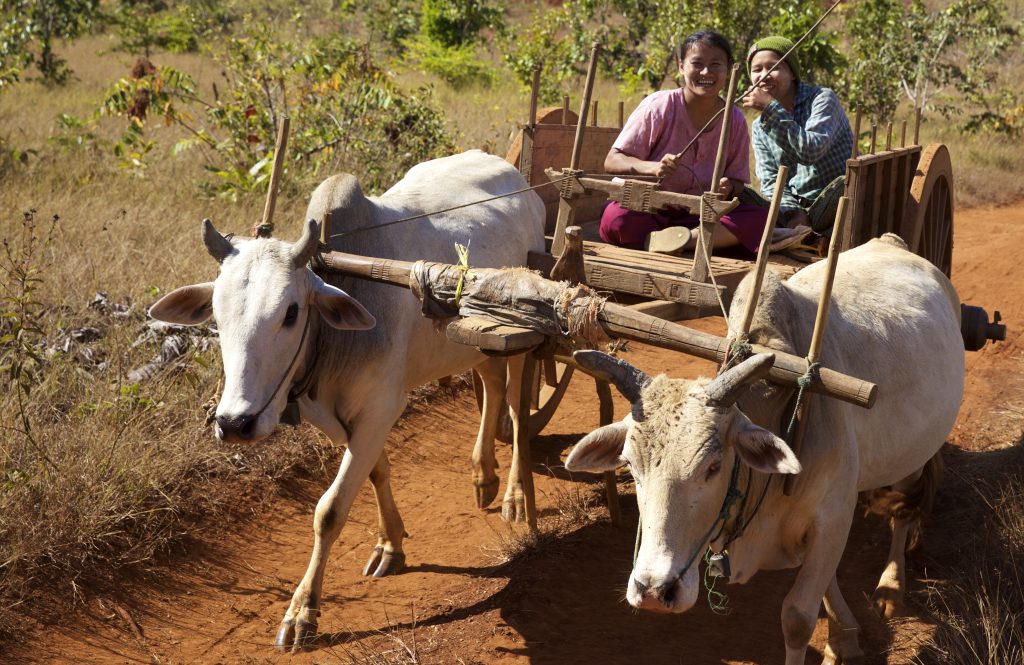
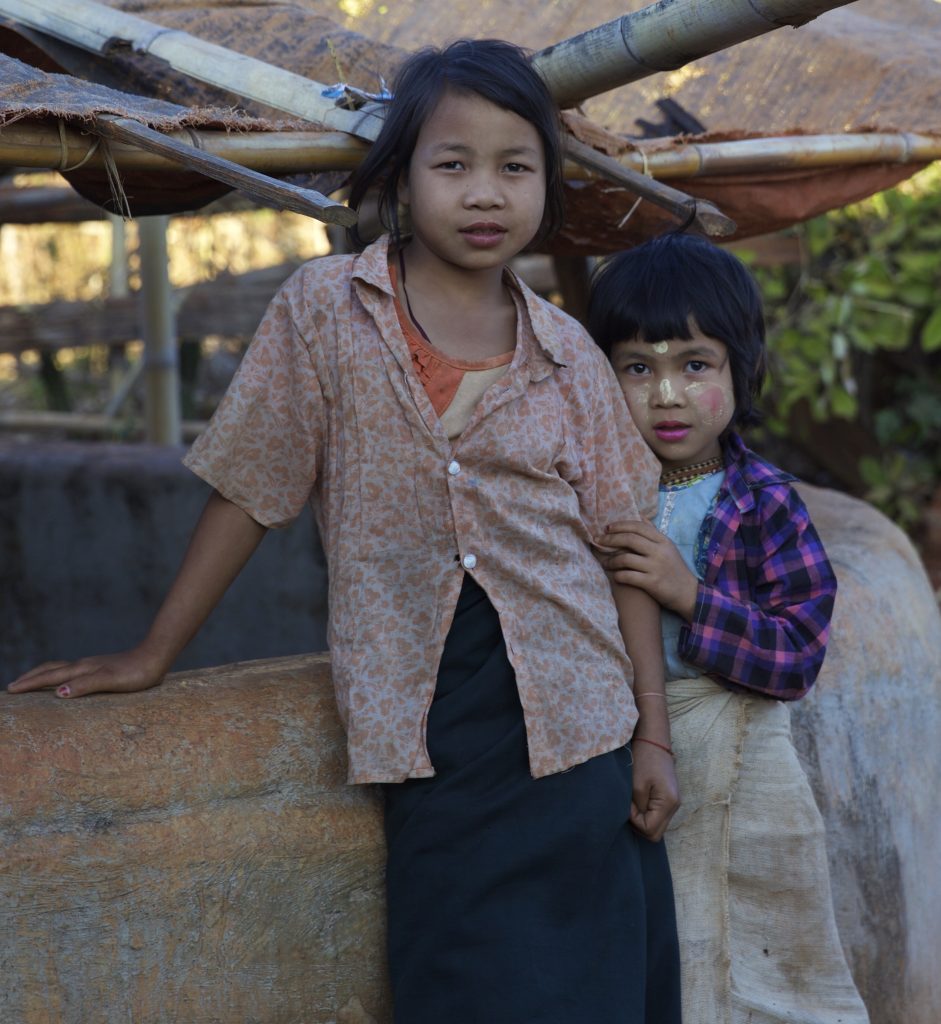
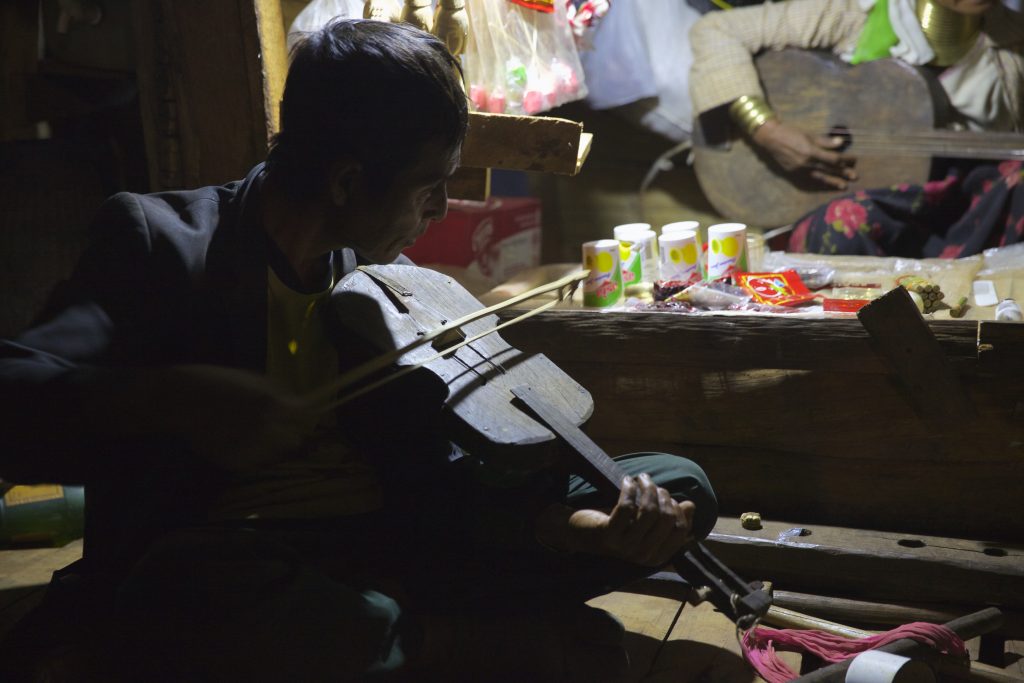
No longer were we timidly knocking on doors, worried about imposing simply because a few white travelers had arrived. We fully embraced what was being offered. Village to village, person to person, doors opened. We were invited to stay overnight (still technically not allowed in this zone), treated to spontaneous music played on handmade instruments, and gathered around a fireside conversation worthy of a National Geographic cover story.
All of it happened because we got lost.
Accepting what is, rather than demanding what should be, allows you to receive what you actually need. Panic, frustration, or demands for refunds would have shifted the entire tone of the journey. Instead, patience, humility, and forgiveness — toward ourselves and our apologetic guide — led to a memory that will no doubt be retold one day, increasingly embellished, to wide-eyed grandchildren.


Simply fascinating
Wow. Simply incredible. Heart racing experiencing these moments via photos. Can’t wait to hear all about it.