Getting to Loikaw Myanmar Without Following the Tourist Trail
“I thought you said it was that way?”
“Morning Star Café? Over there, right?”
“No?”
“Well then what about the train again?”
“Christ! Can someone please just tell us how to get to Loikaw?”
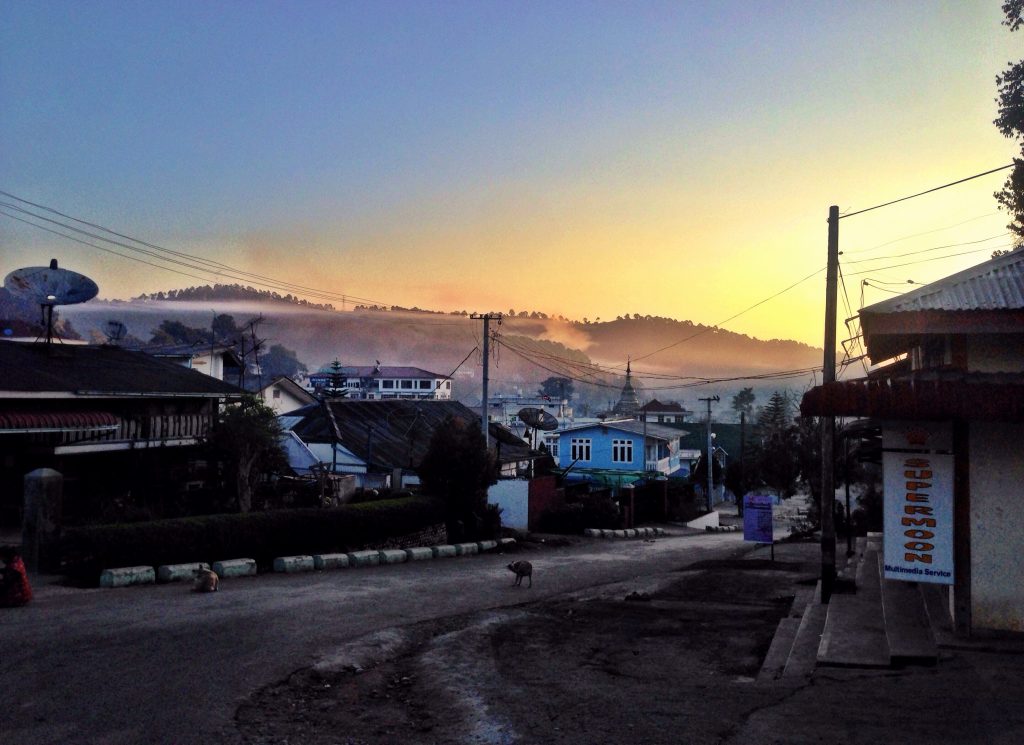
Our 24-hour stopover in Kalaw — a popular hill station and launch point for the three-day trek to Inle Lake — could have been spent enjoying its quaint, Swiss-mountain charm. Instead, we spent most of it switchbacking through town, asking anyone who looked remotely helpful how on earth we were supposed to get to our next destination.
See, being us, we decided to skip the “popular kids’ table” and avoid the meandering trek to Myanmar’s most famous destination. Instead, we pointed ourselves south of Inle Lake toward Loikaw, a lesser-known town that had only recently opened its doors to FITs (Foreign Independent Travelers) in 2013. The trouble — or fun, depending on how you look at it — of going against the grain is that it forces you to actually travel.
Everything in Kalaw is designed to funnel tourists toward Inle. But when you ask about an alternative route, information becomes slippery. First it’s a bus. Then maybe a pickup. Oh, and there’s also a train option — 12 hours to cover 130 kilometers. Eventually, every conversation somehow circled back to the same conclusion: a bus leaving at 4:00 a.m.
Wait… what?
Four a.m.?
We don’t do 4 a.m. wakeups.
After much confusion — and visits to tea houses, bus offices, guesthouse lobbies, and informal “information desks” that were really just people sitting — we finally struck gold: a local who actually lived in Loikaw.
His solution?
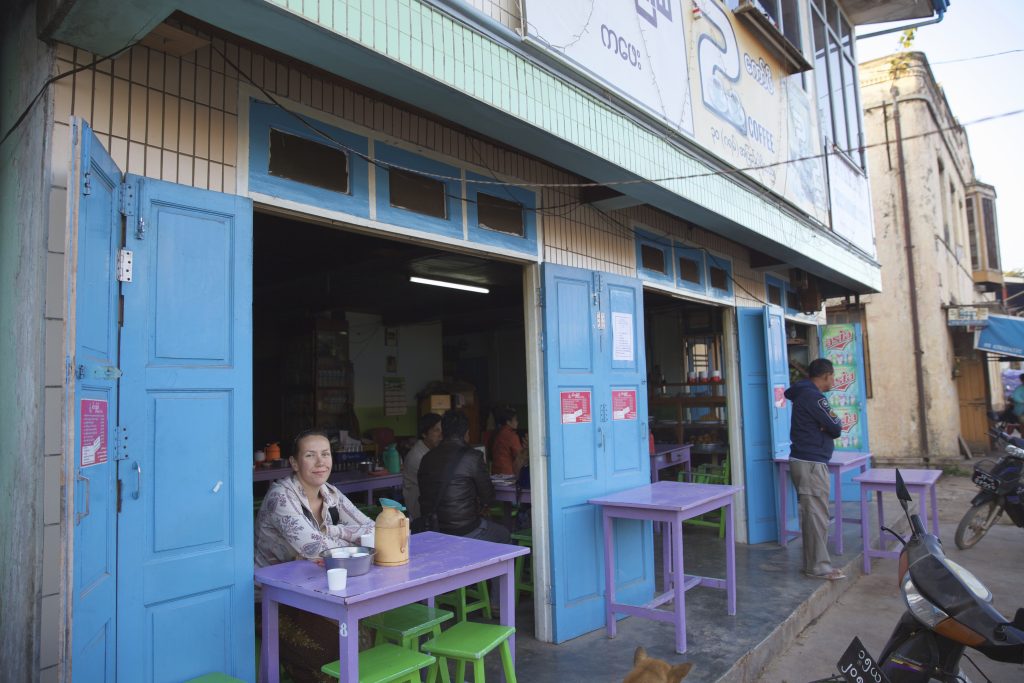
“Just go to Morning Star Café around 7 a.m.”
Ah yes. Morning Star.
Very familiar, kind sir.
“From there, grab a pickup truck to the junction — Kidlite Restaurant.”
“Say what now?”
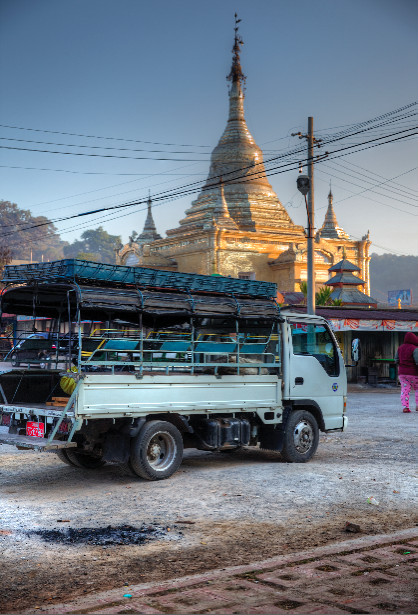
“Wait there until another bus comes. Flag it down. Six hours later, you’ll be in Loikaw.”
“Simple.”
And somehow… it was.
We earned nods of approval during the pickup ride, and even more once we told locals where we were headed. Nothing feels quite like validation from people who watch waves of travelers pass through town without ever really stopping.
In hindsight, it would’ve been nice to spend more time exploring Kalaw itself — one of Myanmar’s friendlier, more charming towns — which only reinforced a recurring theme: locals are genuinely willing to help you get where you need to go, even when they aren’t entirely sure how themselves.
As we bounced along dusty roads in the back of a pickup truck, we left yet another town with the same thought: we absolutely love it here.
Rarely has a country given us so much — through its people, its openness, and the opportunity to feel like true adventurers again. Not every road is paved. Not every sign is in English. Not every fourth person is a tourist. Not every town is overrun with guesthouses. And sometimes, a smile is earned rather than freely given.
That gift — the one every wanderer hopes for but rarely receives — Myanmar gives generously.
Crazy…
This is unfortunately the reality