What a Hsipaw Myanmar Trekking Experience Reveals Beyond the Trail
You’ll often hear Myanmar referred to as “The Last Frontier” — the last unexplored, unexploited corner of Southeast Asia. A place where real estate is being consumed faster than stuffing at a Thanksgiving dinner, permanently reshaping the face of a country long wrapped in mystery. Since opening its doors to mainstream tourism in 2010, it hasn’t taken long for a well-worn tourist groove to form between Mandalay, Bagan, Inle Lake, and Yangon.
To experience roads less traveled, we headed northeast to the increasingly popular trekking town of Hsipaw.
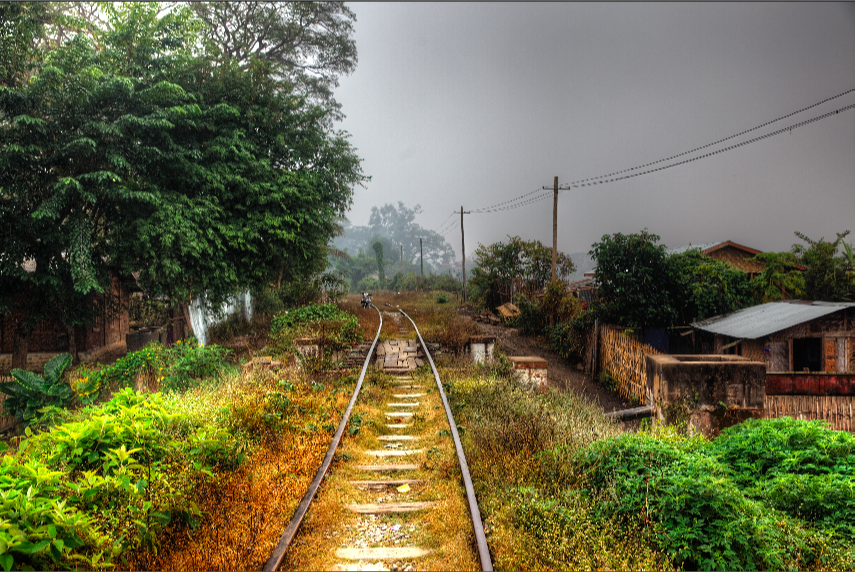
Hsipaw sits somewhere between infancy and adolescence when it comes to tourism. Cruising its single dusty main road, you can already see the signs of growth: new construction rising to accommodate the steady influx of trekkers arriving busload after busload from Mandalay. Our intention was to use Hsipaw as a hub rather than a destination — but as with much of Myanmar, flexibility is essential. Unexplored landscapes often come with unknown delays, closures, and realities that quietly dismantle expectations.
That proved true almost immediately.
We arrived inspired by a suggestion from Thiago, a Brazilian volunteer we met in Sulawesi, who swore that a four-day trek north of Hsipaw in the Namsam area was the highlight of his Burmese adventure. Had we arrived just one week earlier, the region would have been open to foreign travelers. Instead, ongoing conflict between the Myanmar Army and the Shan State Army had closed the area entirely. Tanks, bombs, and guns were enough deterrent for us, so we opted for a shorter overnight trek to sample the surrounding tribal villages — even knowing that this area, too, had been under attack just two months prior.
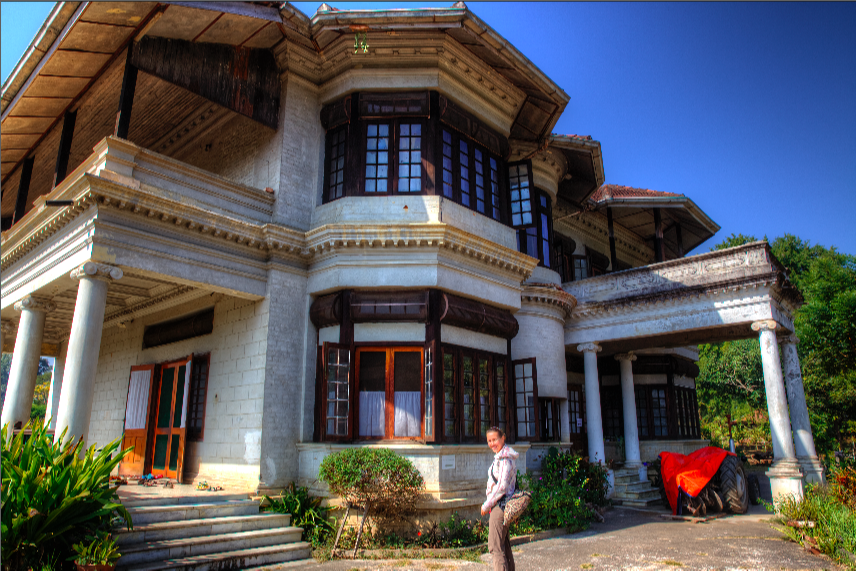
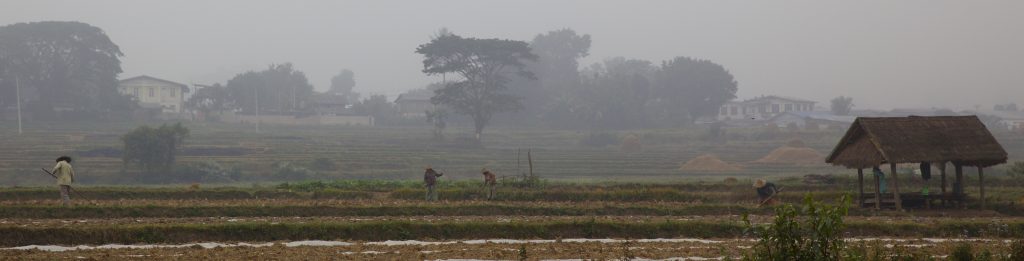
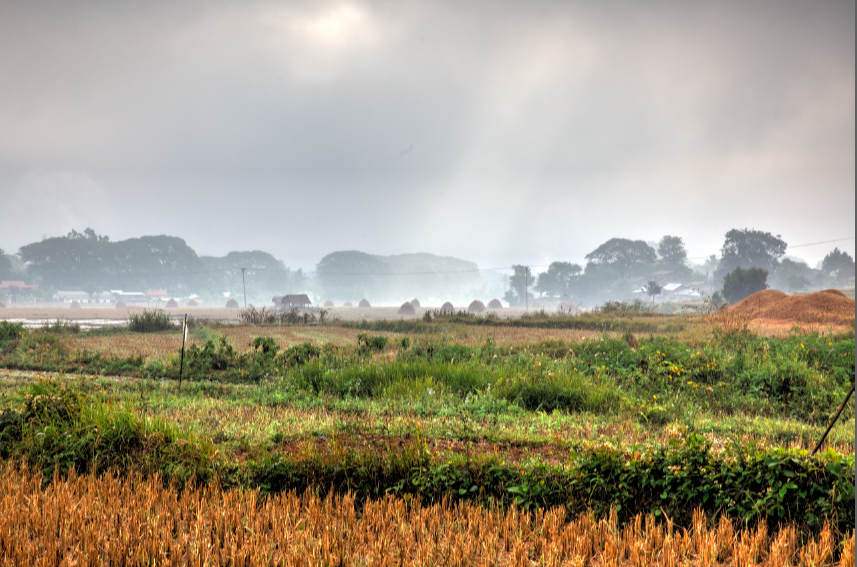
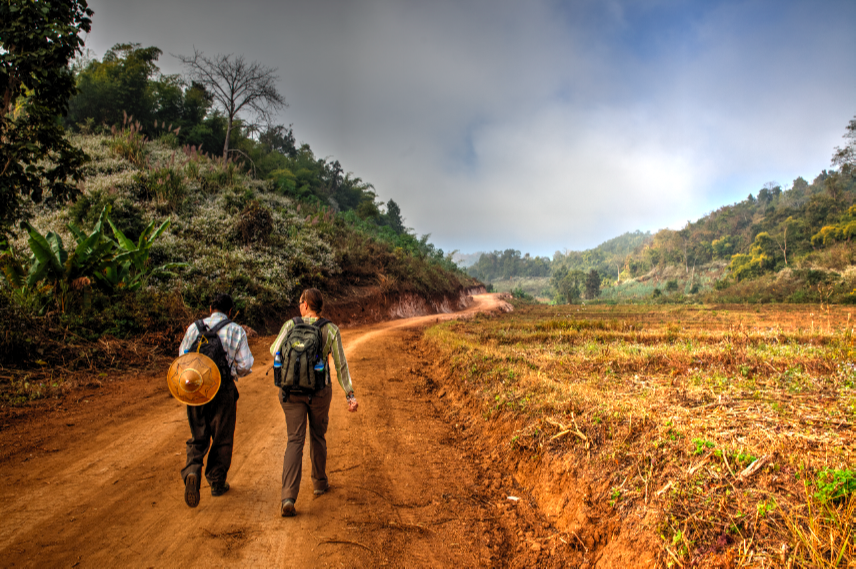
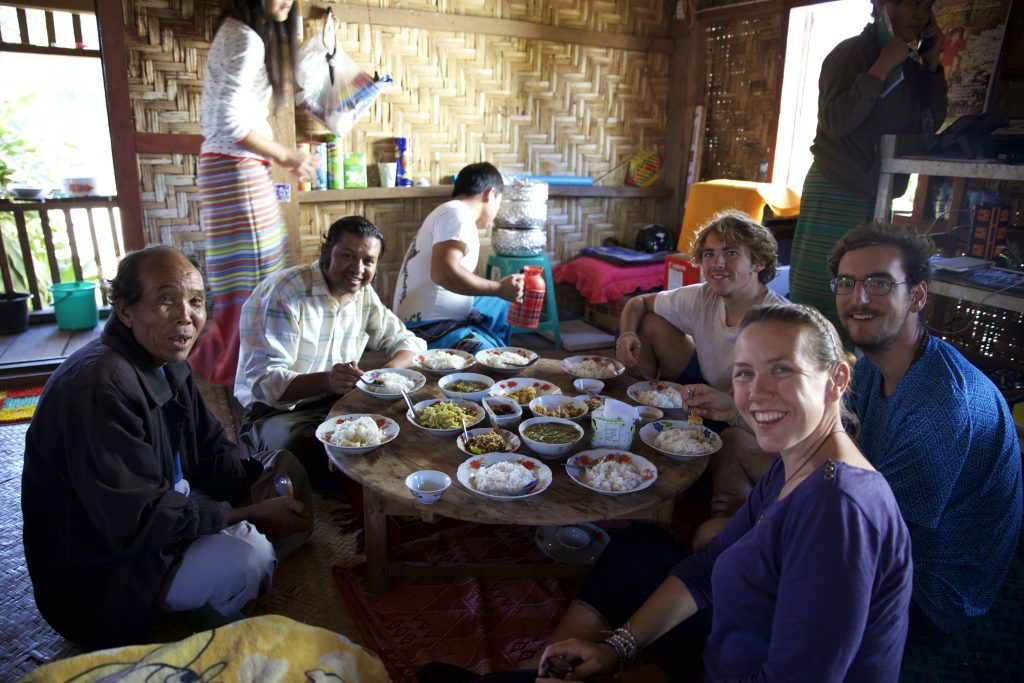
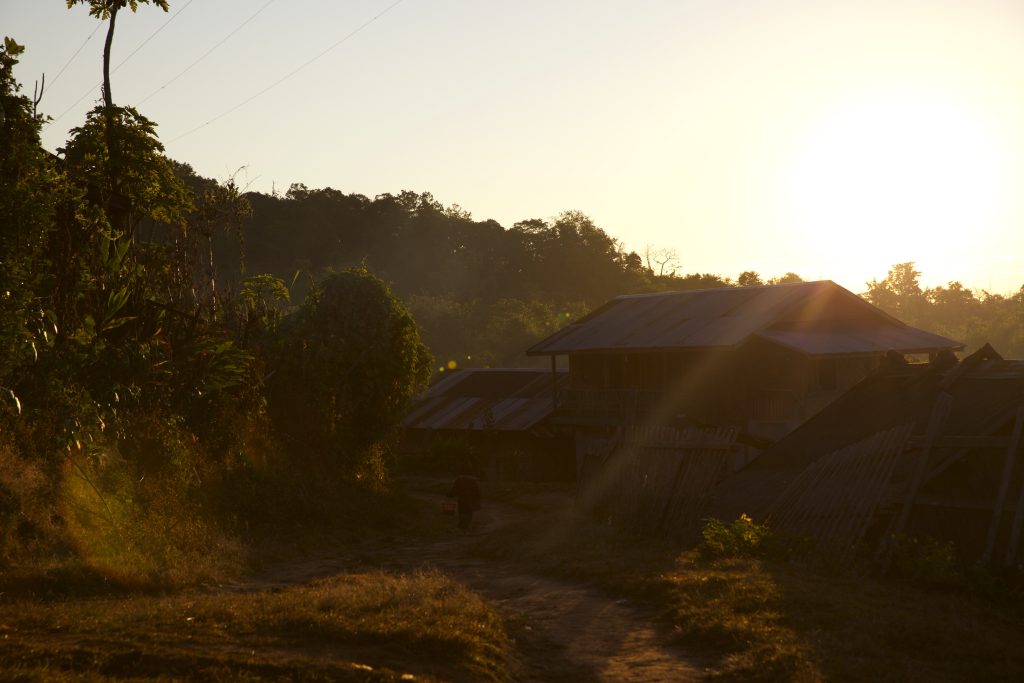
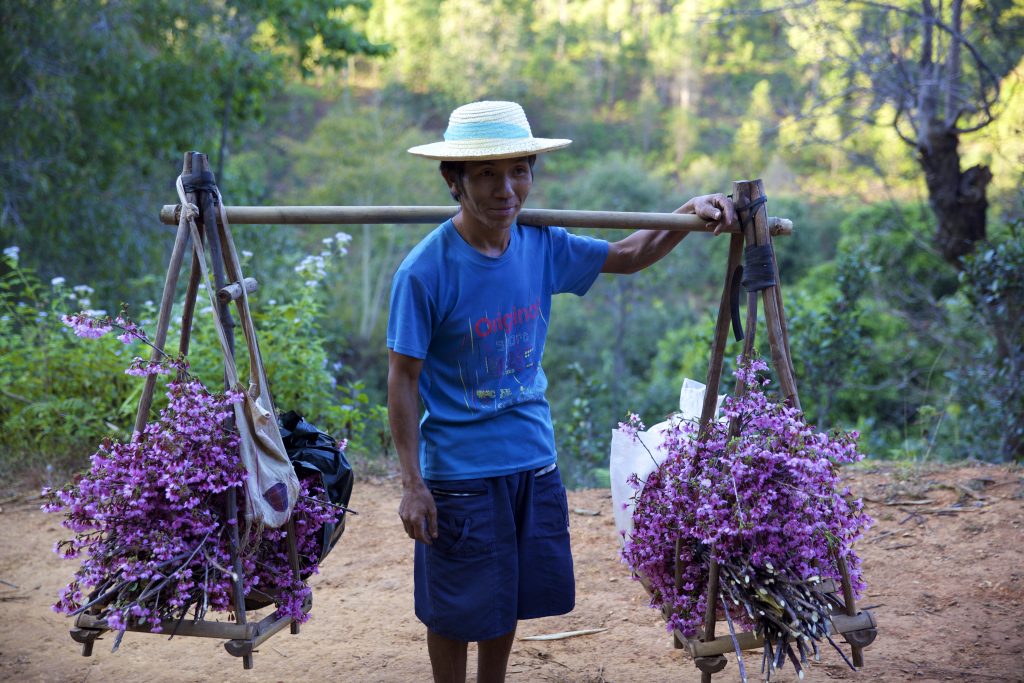
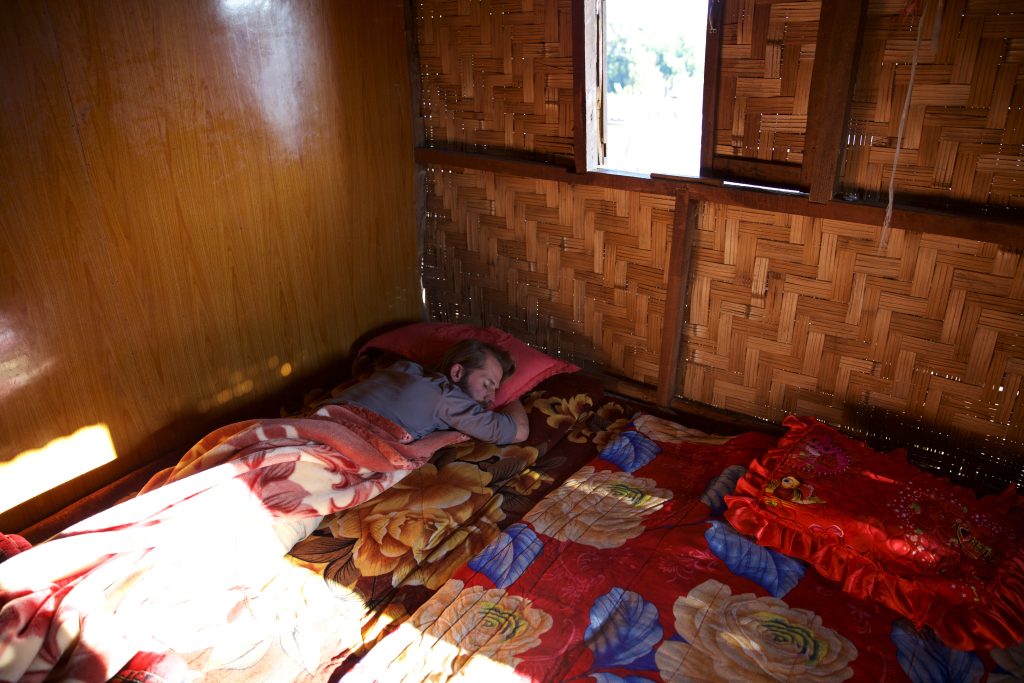
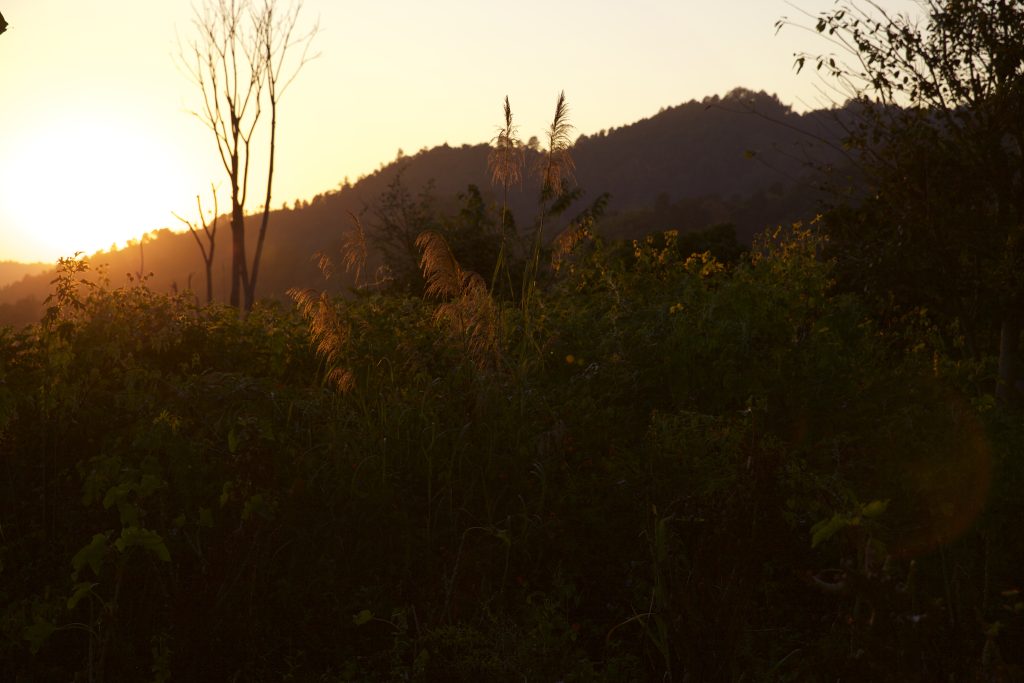
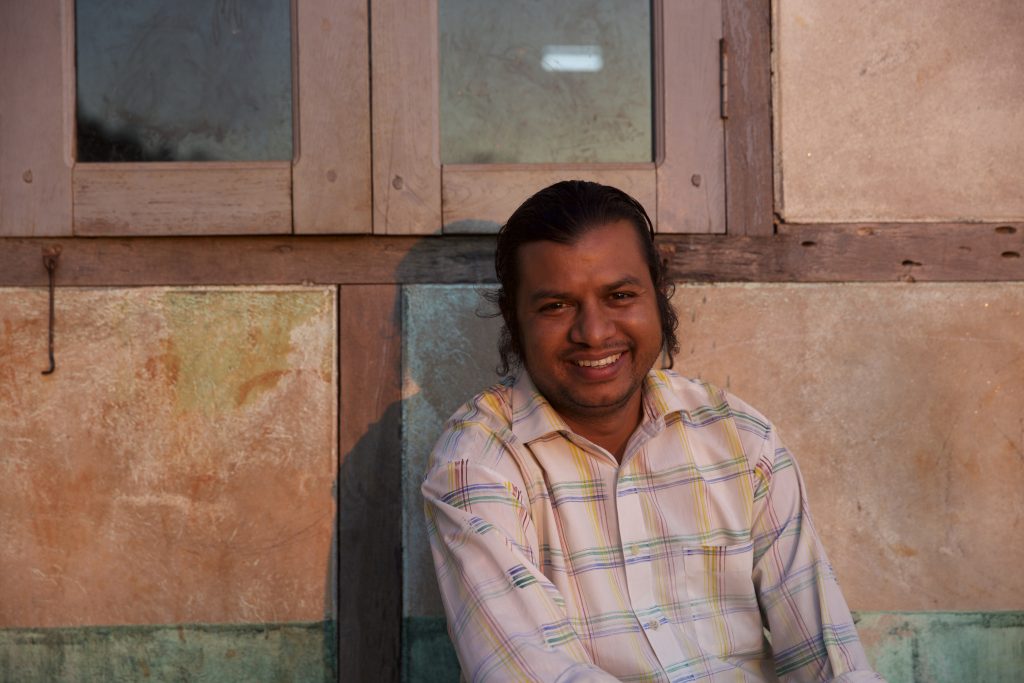
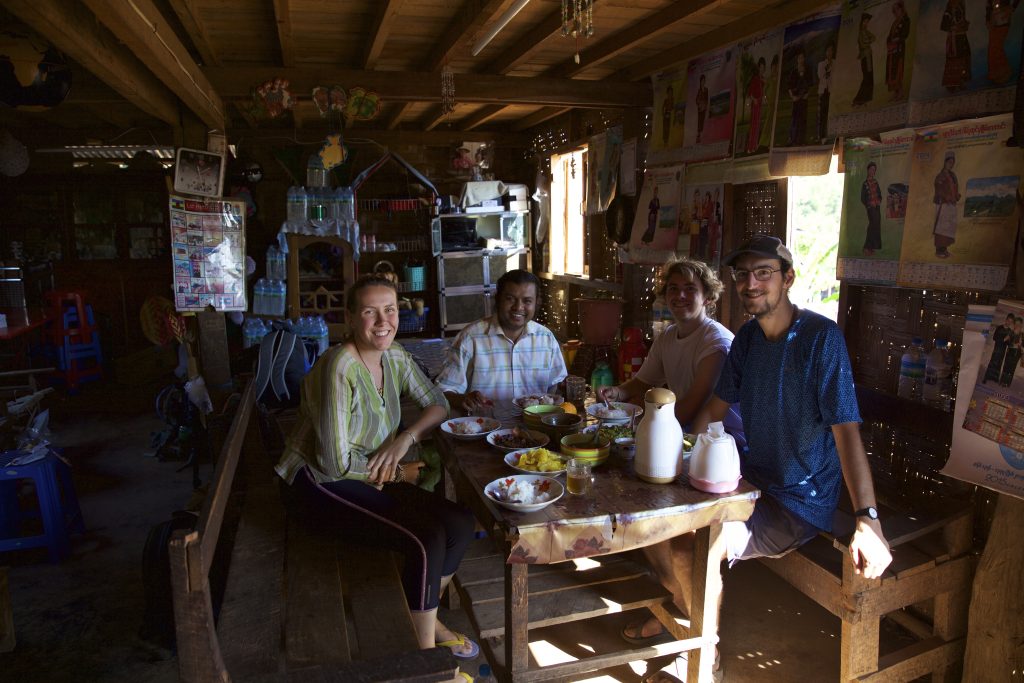
Much of Myanmar’s landscape reminded me of Southern California: scrub brush, dry earth, and a land perpetually thirsty for water. Our guide was exceptional, answering cultural questions we hadn’t had time to fully explore at the Shan Palace in town — particularly regarding politics, conflict, and the shifting identity of the Shan people since government control began easing four years ago. What he couldn’t explain, we were left to interpret ourselves through observation and time spent in the local Palaung villages where we stayed.
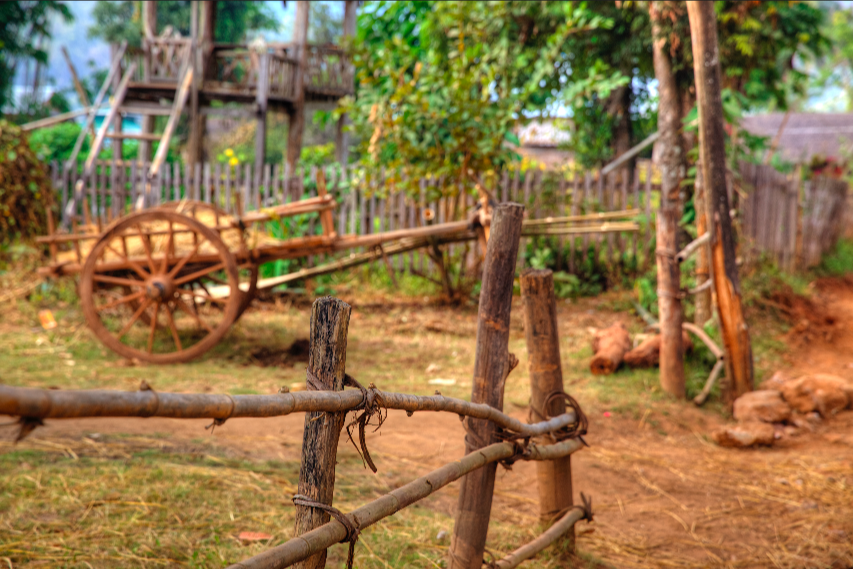
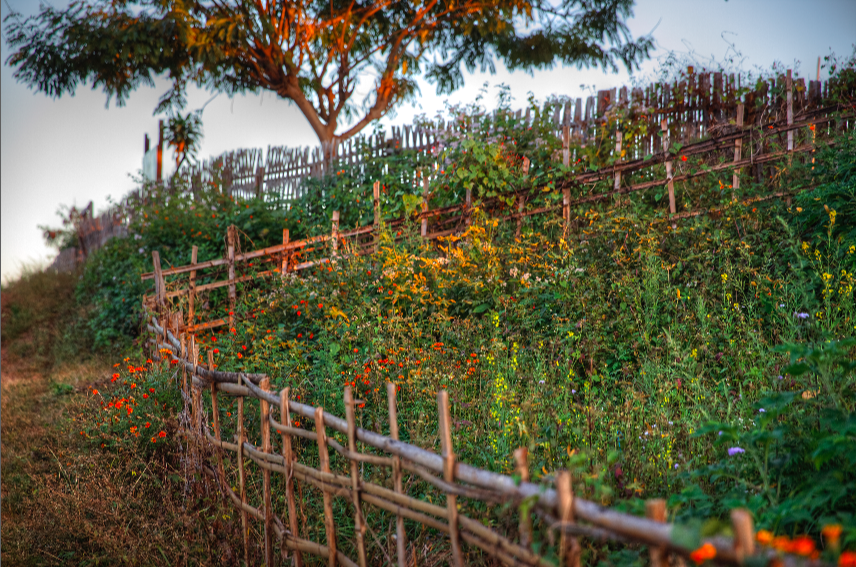
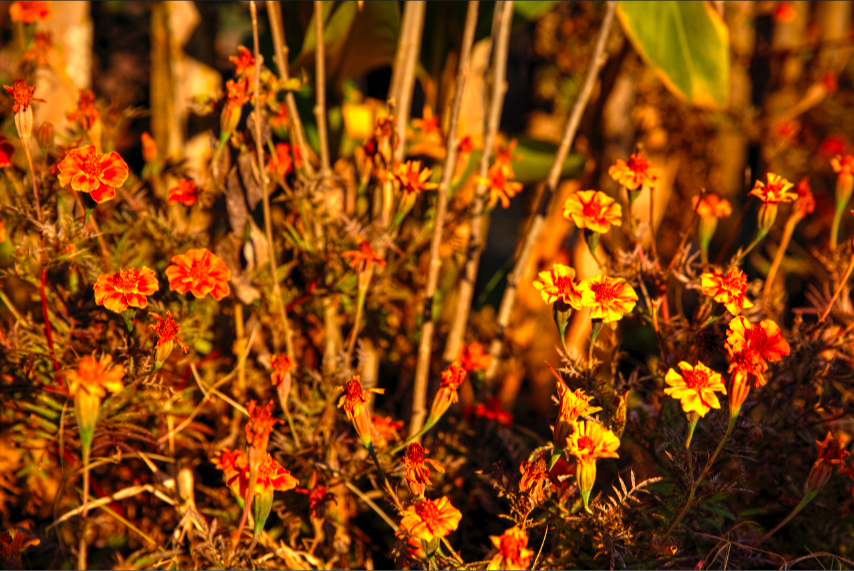
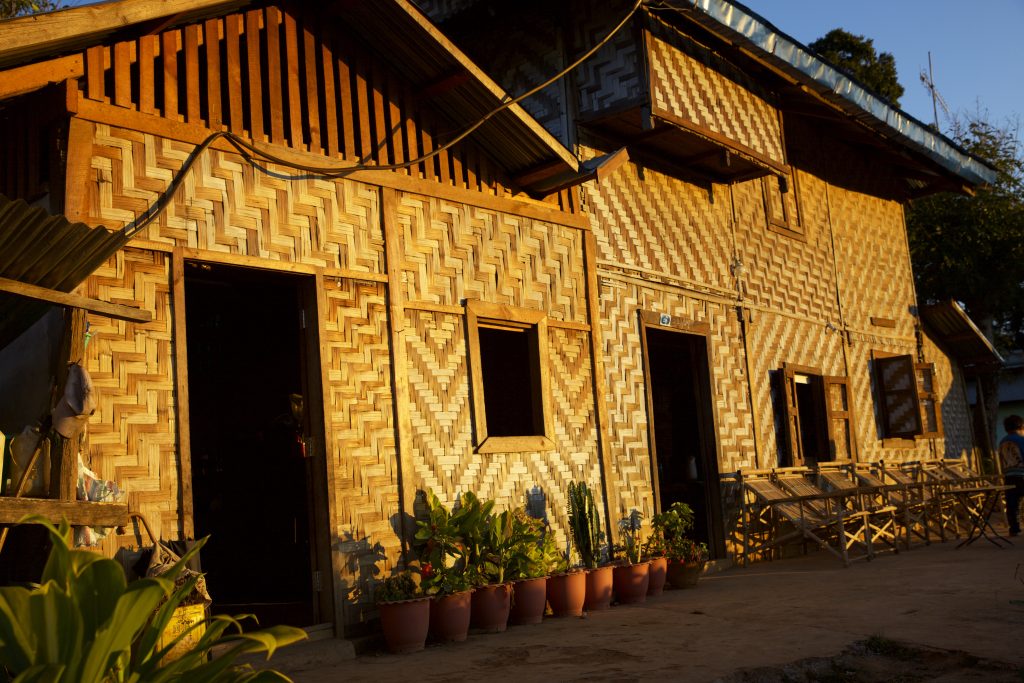
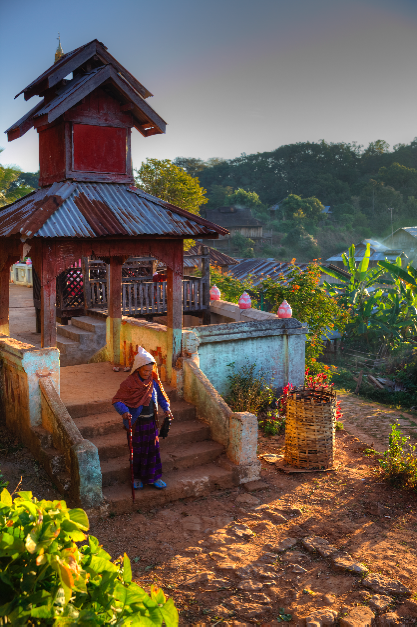
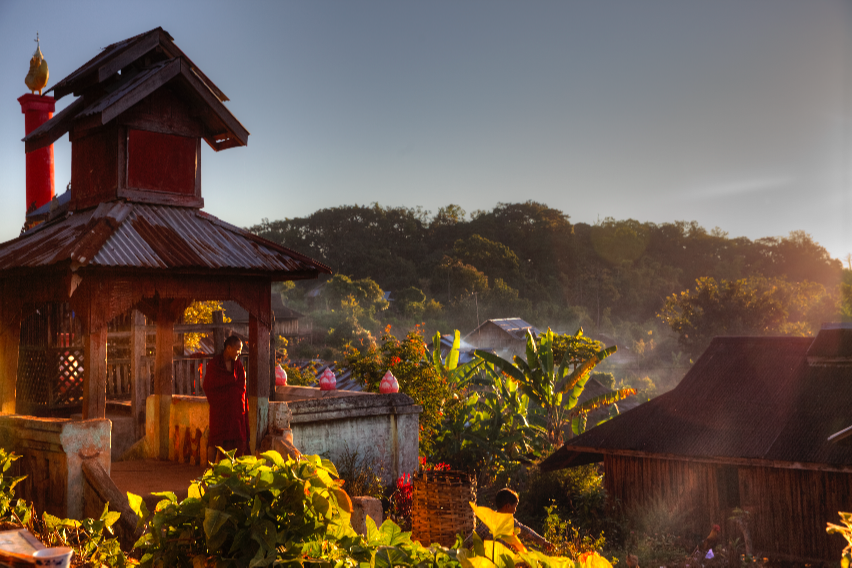
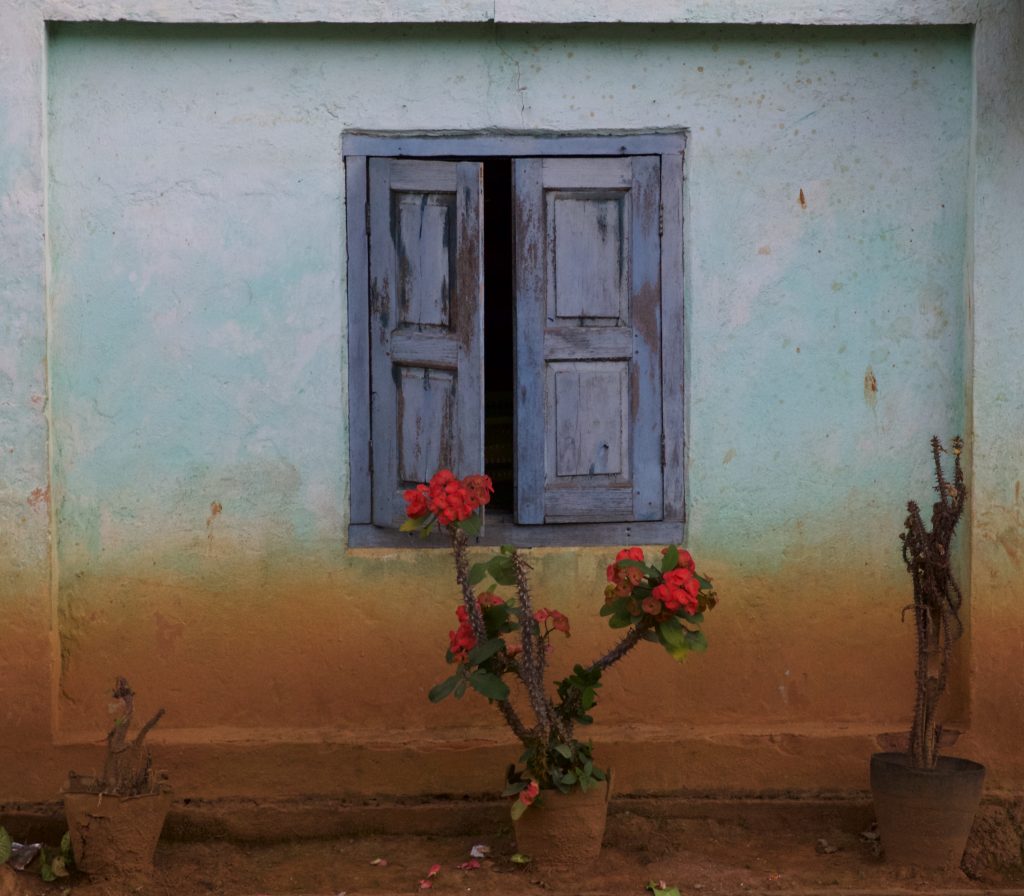
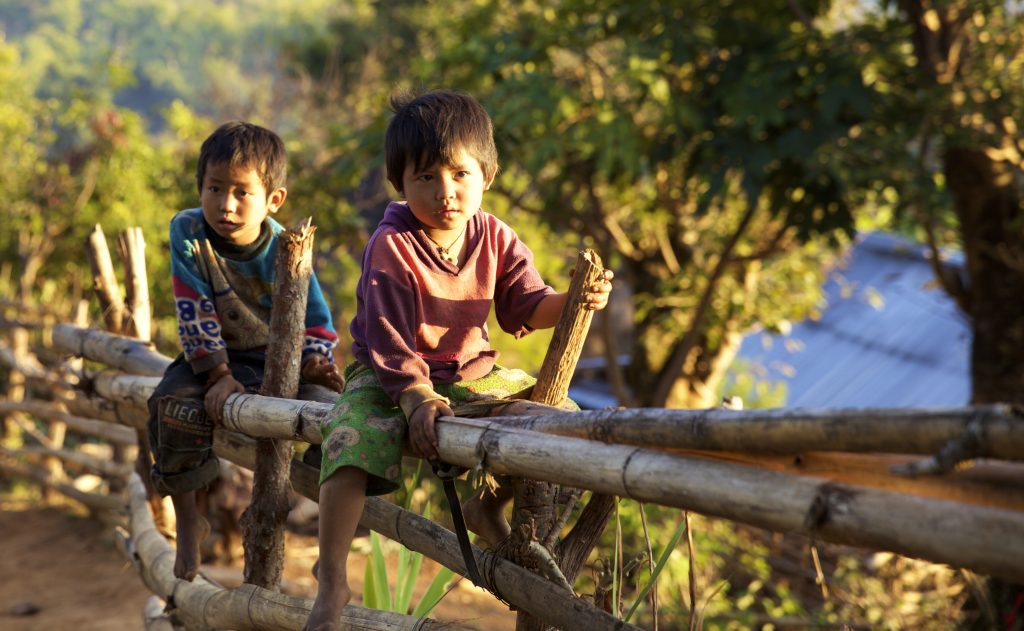
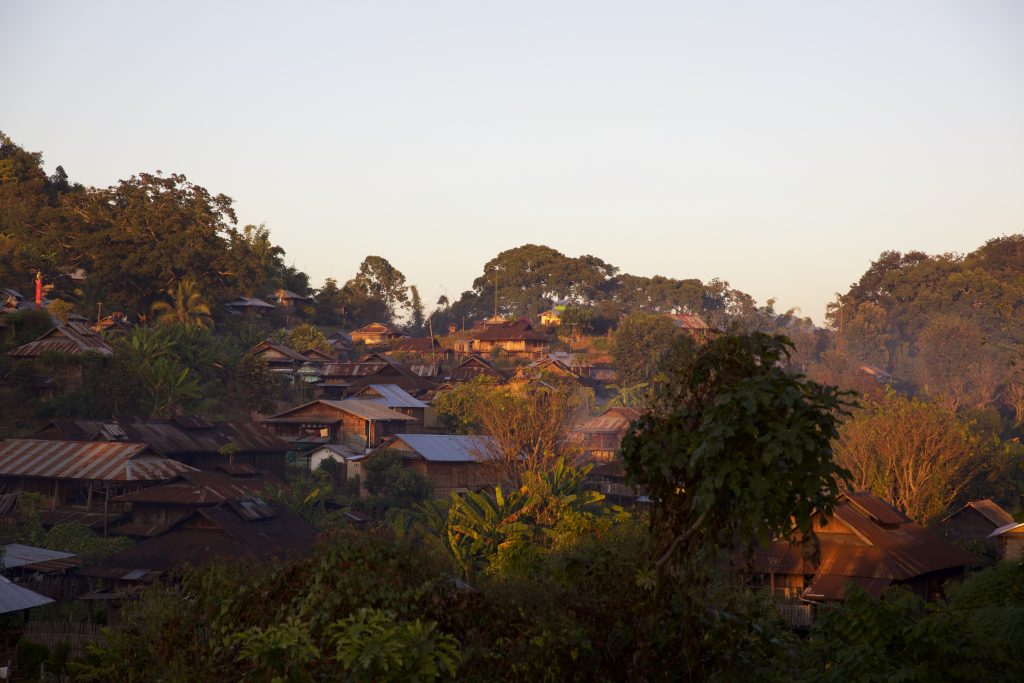
One village in particular stood out — perched high in the surrounding mountains, immaculately maintained, vibrant with colorful flowers, and filled with welcoming sandalwood-scented faces. Yet it wasn’t the village or even the guide that ultimately sealed this trek as something special.
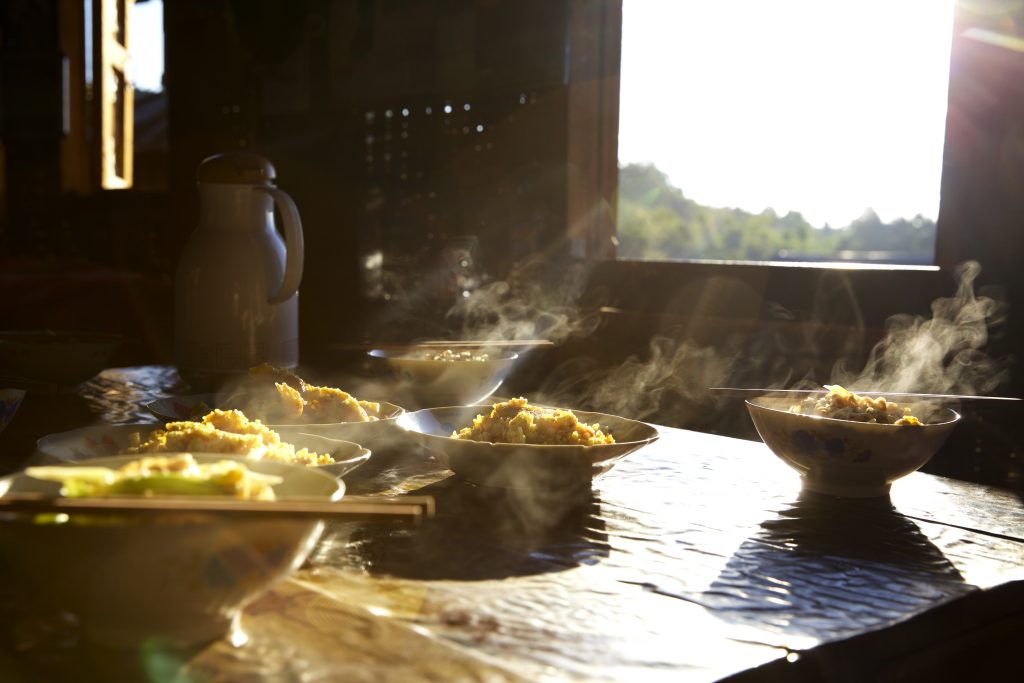
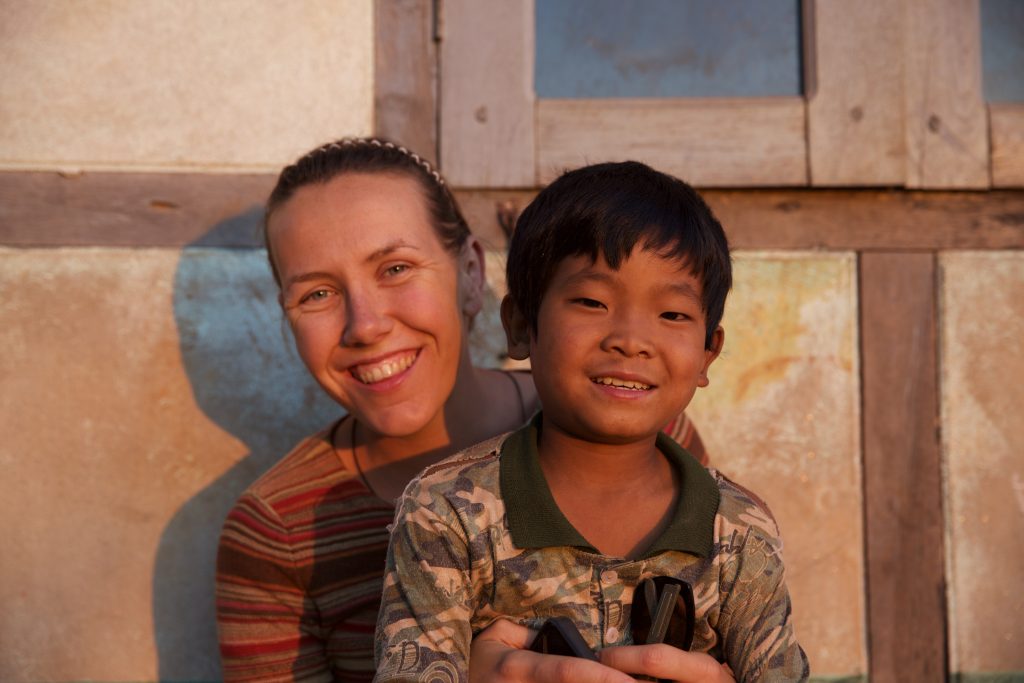
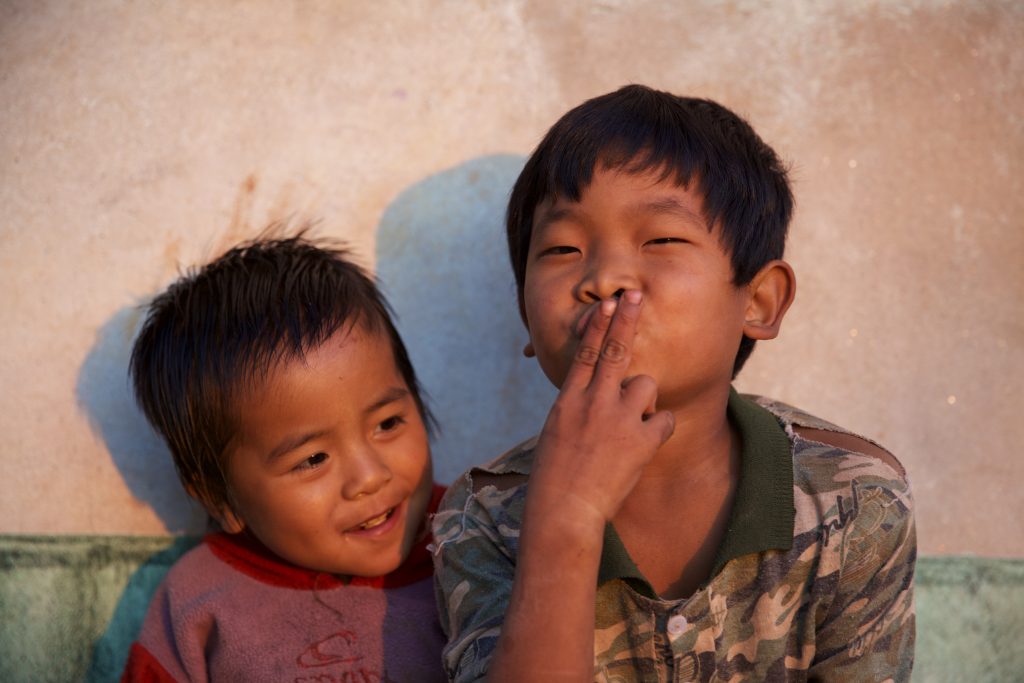
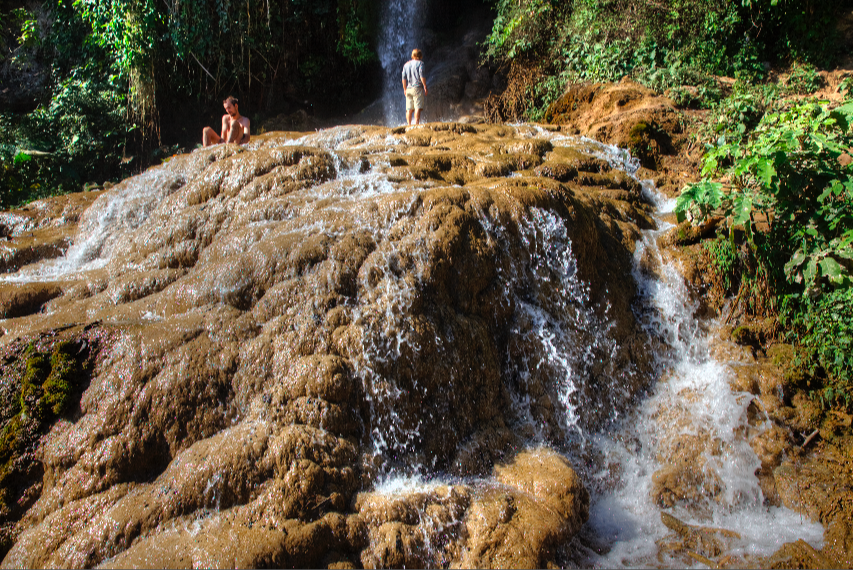
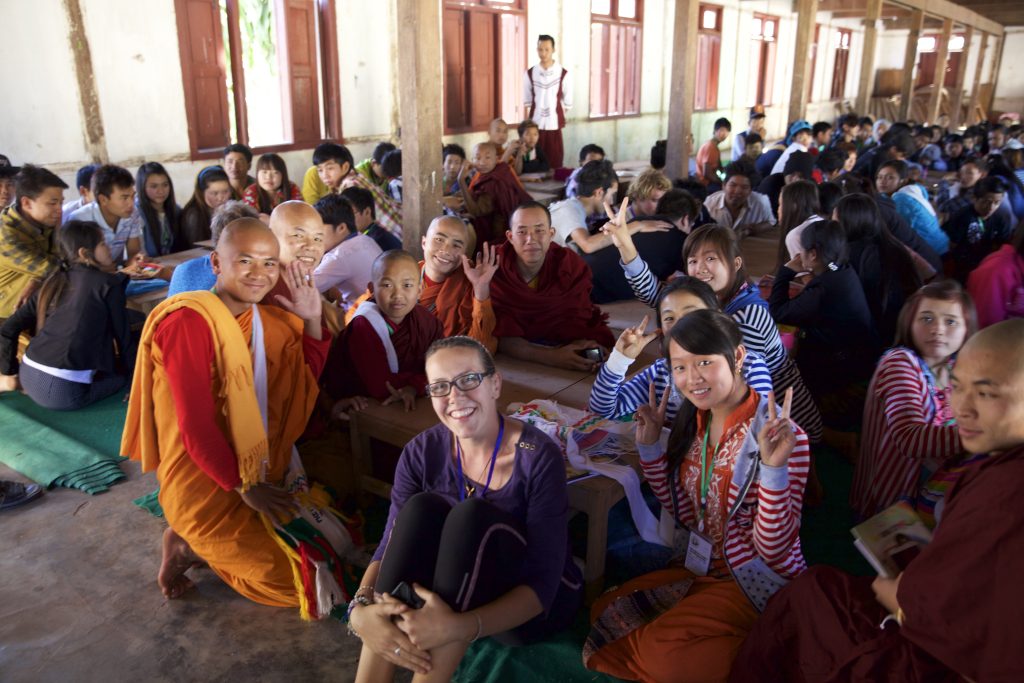
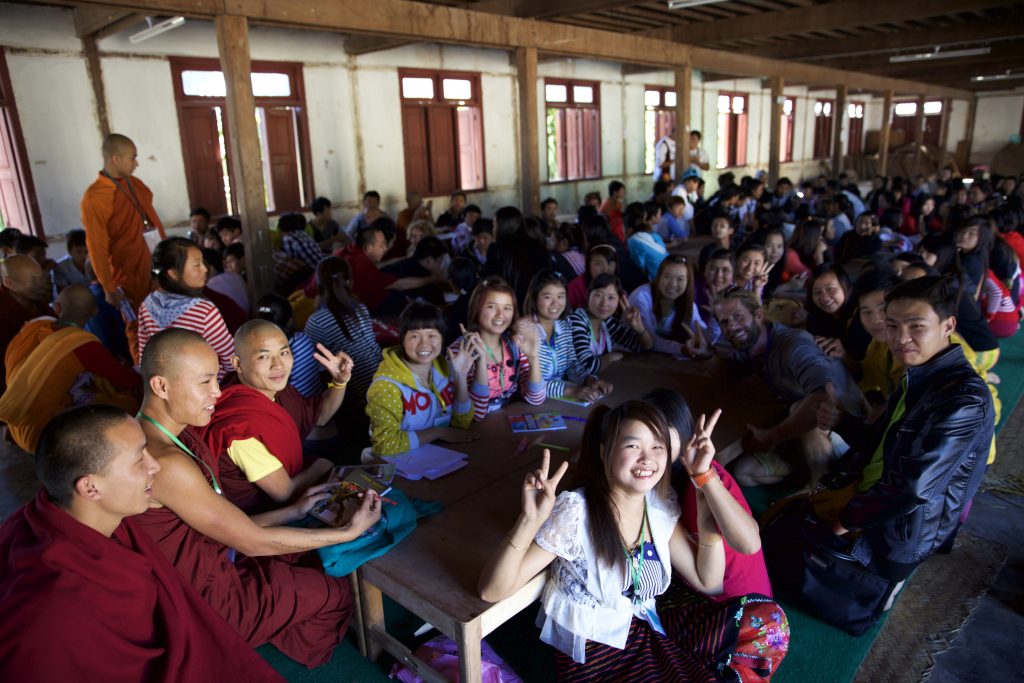
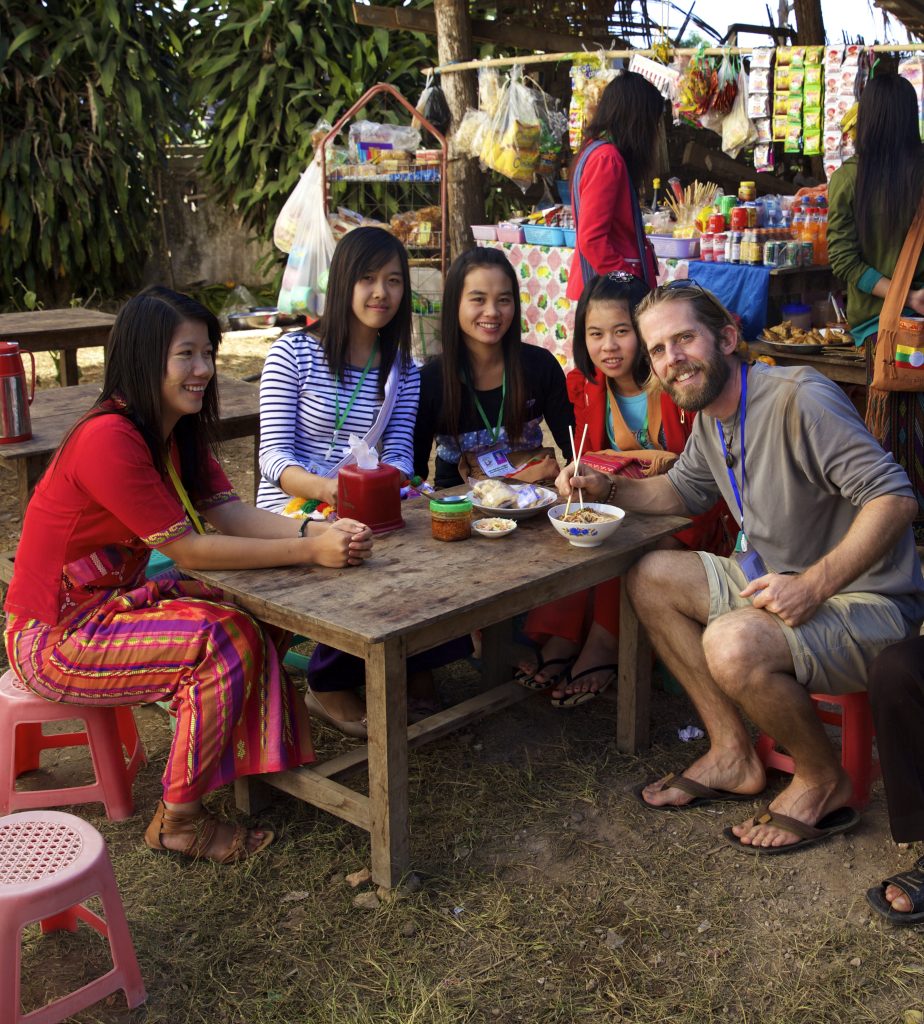
On the return journey, our guide — with help from a local — chose an unmarked, trailblazing route. This decision led us not only past a gentle waterfall, but to an unexpected afternoon at a converted monastery now serving as an after-school program for local Shan children. What began as a lunch stop evolved into a full immersion English conversation session with nearly 300 students.
Twenty or so Shan adolescents gathered around us at a time, eyes wide, hanging on every word — hopeful, curious, and eager to absorb anything we could offer within our brief two-hour window. Their hunger for knowledge was unmistakable.
It was here that I truly grasped who the future of the Shan people rests with. This generation will carry forward the legacy of social justice leaders who spent much of their lives imprisoned so these children could begin to imagine freedom. Yet hesitation still lingers — a cautious uncertainty about what a changed future might actually look like, despite their clear desire for one.
We left with a quiet sense of helplessness, knowing how short our visit had been. Had we known about this school in advance, we would have gladly structured more time around it rather than treating it as an unplanned stopover. Though our voices couldn’t be heard directly, we intend to pay it forward by spreading the word: this school exists. It is ready. It is full of children poised to shape the future of their country.
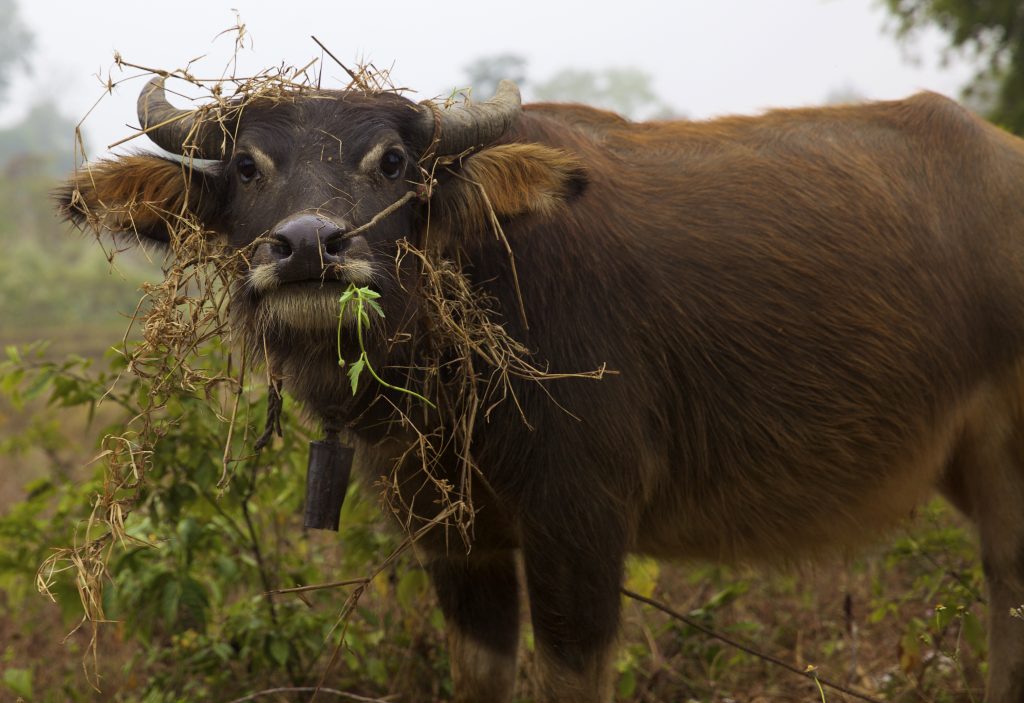
As always captivating. Love that….animal.