Why a Mandalay Myanmar Cultural Experience Is Unlike Anywhere Else in Southeast Asia
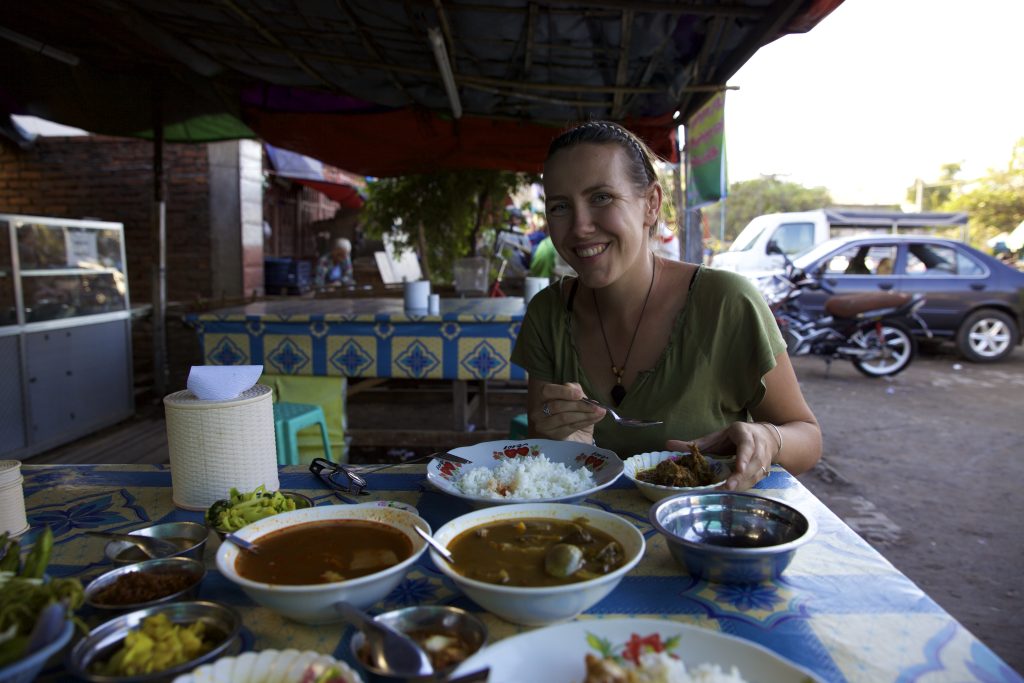
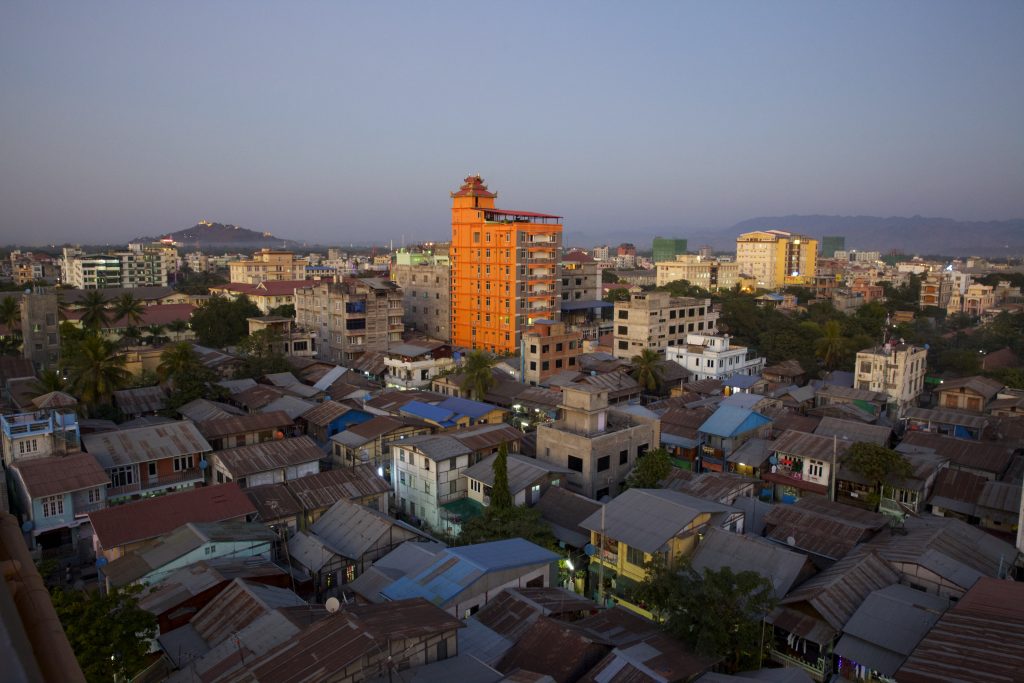
Most people begin their journey into Myanmar through Yangon, the former capital, but we opted to head north instead, visiting the country’s second-largest city: Mandalay. Mandalay is often described as a no-nonsense, flat, busy, dusty, and unremarkable mandatory stop along Myanmar’s tourist trail — and while much of that is true, what people rarely mention is that it’s also filled with charming, friendly, engaging people who make it easy to overlook the many drawbacks of this concrete wasteland, geographically bullseyed in the center of the country.
So which is it — Myanmar or Burma? Originally named Burma under British rule until 1948, based on the dominant Burmese ethnic group, it was later renamed Myanmar by an increasingly unpopular government as a way to distance the country from its colonial past and assert centralized control. Unfortunately, renaming a country doesn’t erase history. Evidence of unrest remains in the form of civil conflicts across multiple states, which still restrict travel for foreigners in some of the more isolated regions.
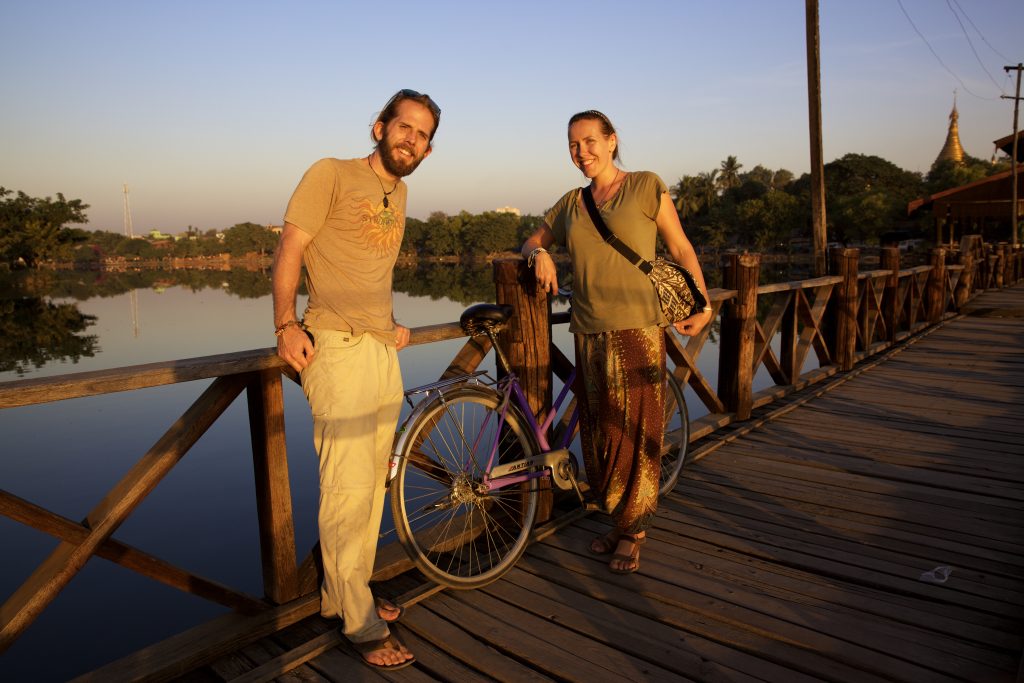
Arriving in this bustling northern hub, we were instantly reawakened as travelers. Gone was the ease of communication, culture, and transportation we had grown accustomed to in Thailand. In the blink of an eye, we were thrust back into true developing-world conditions. Mandalay sprawls more than five kilometers across, making it difficult to absorb on foot, so we took advantage of our hotel’s free bicycles and promptly put our lives on the line navigating the chaotic, lawless streets of this metropolitan beast.
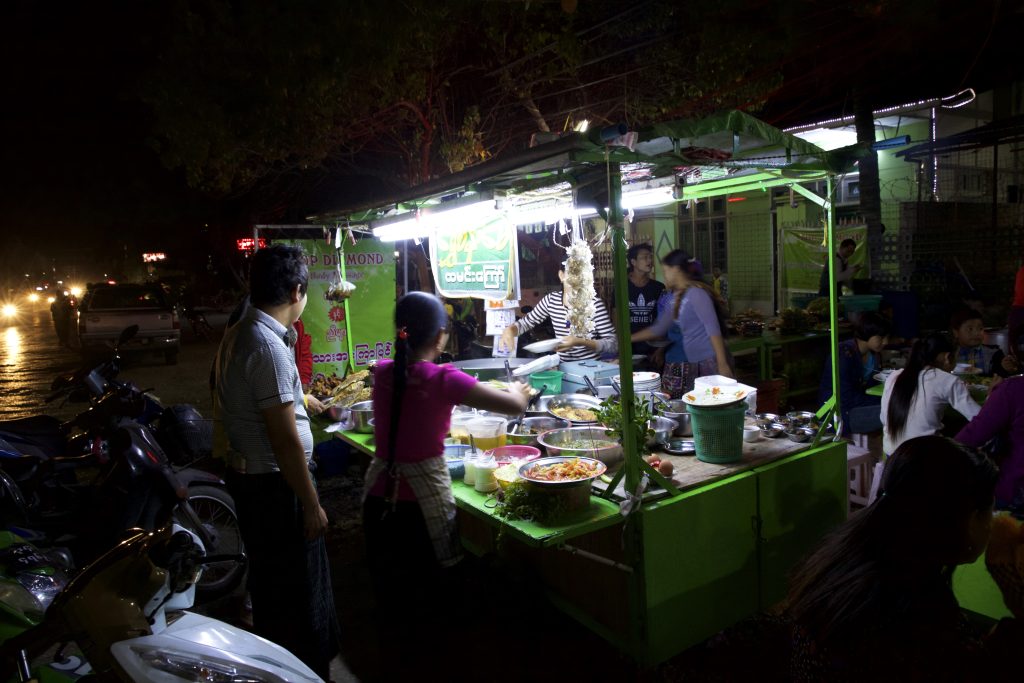
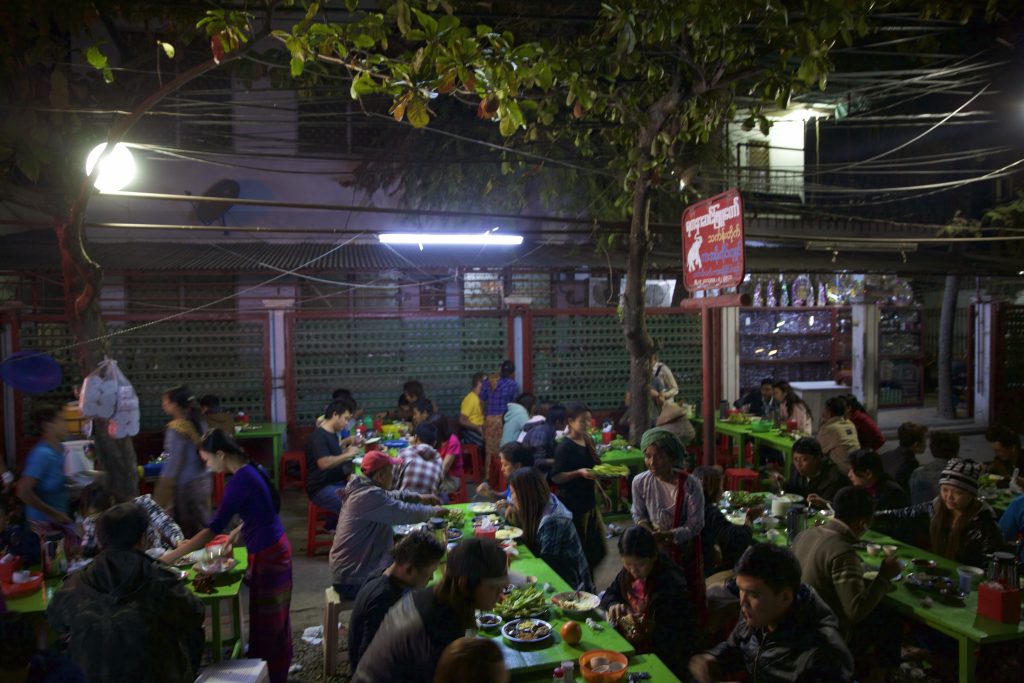
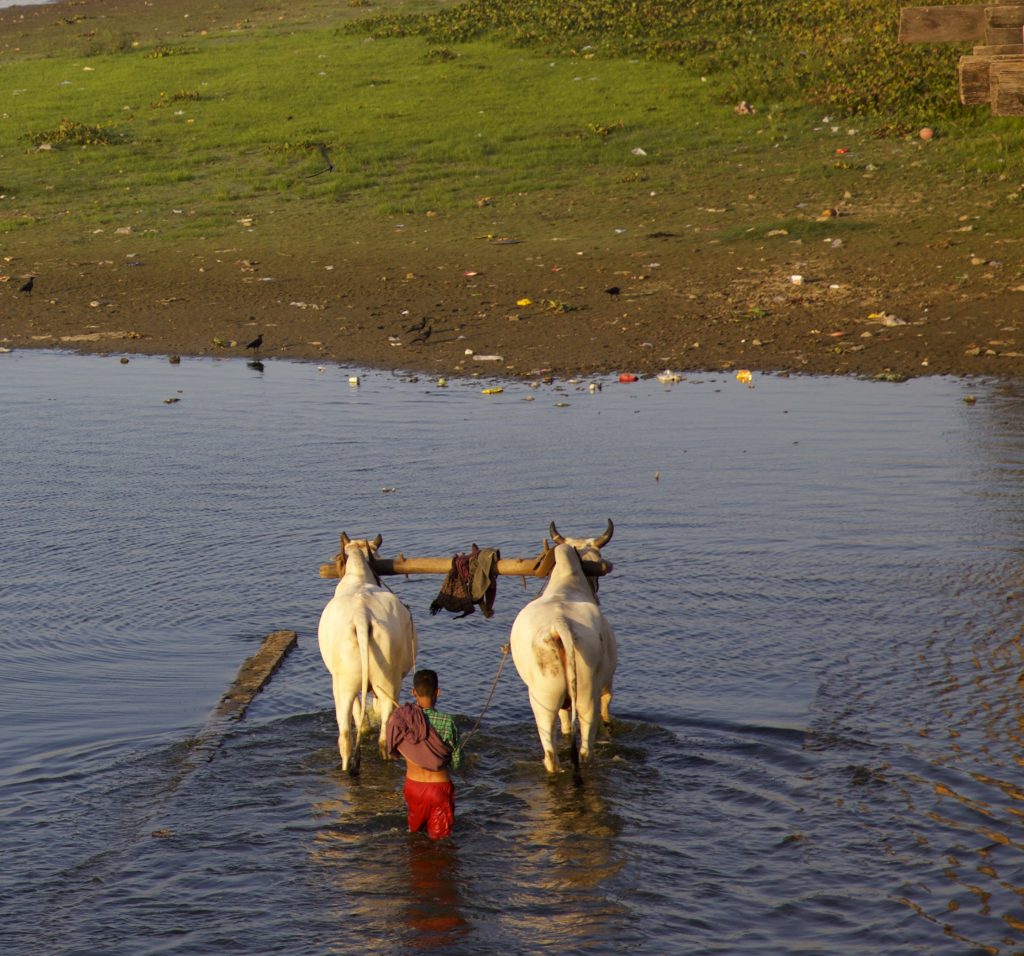
And yet, doing so allowed us to fully breathe in the life and rhythm of the city — along with more than a few lungfuls of exhaust fumes. Poverty and trash appeared on nearly every corner, but softened by friendly waves and curious hellos. Despite being fish out of water — not only in a large city but in an entirely new culture — we found ourselves smiling, energized, and eager to embrace the promise of our Burmese adventures.
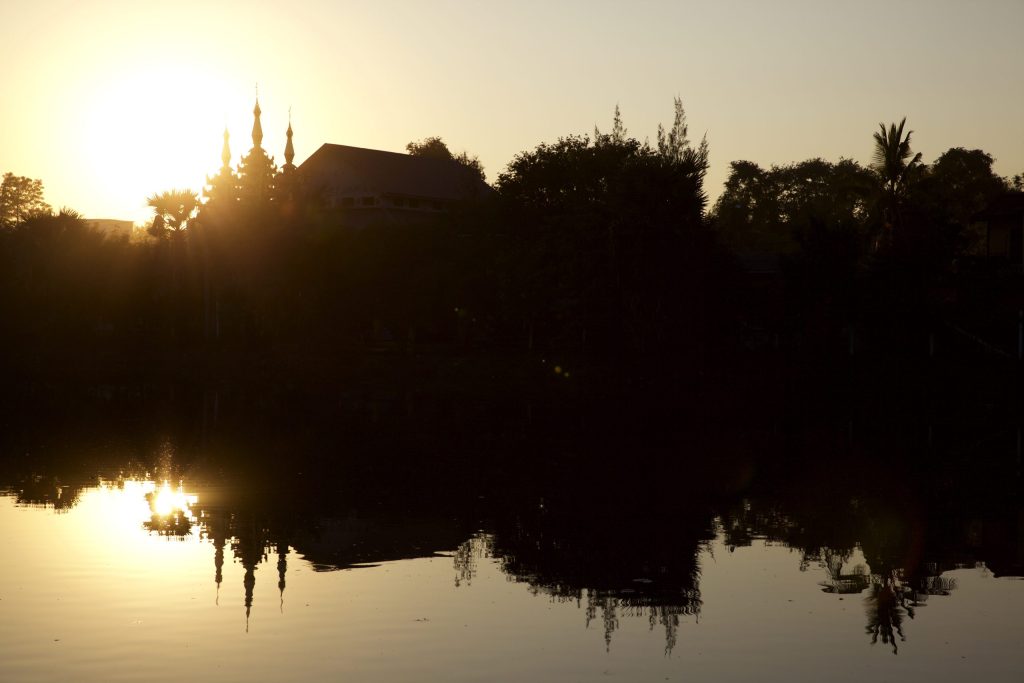
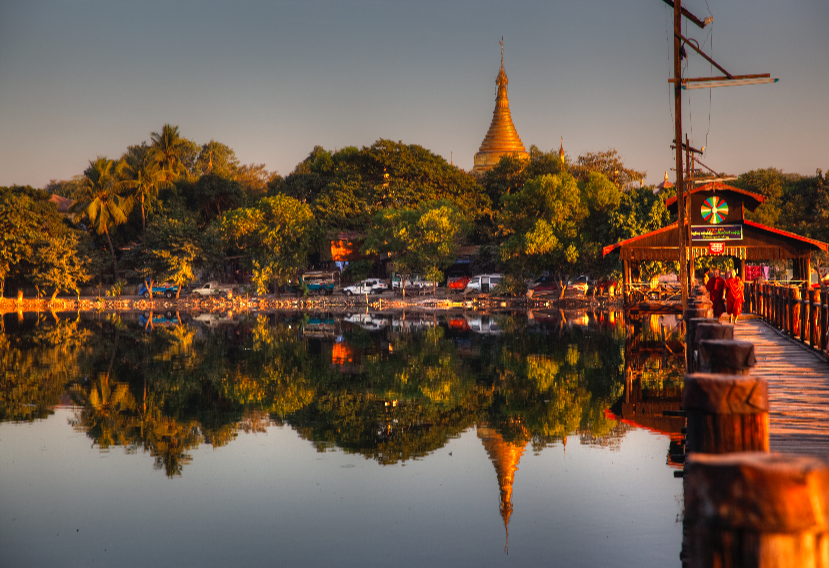
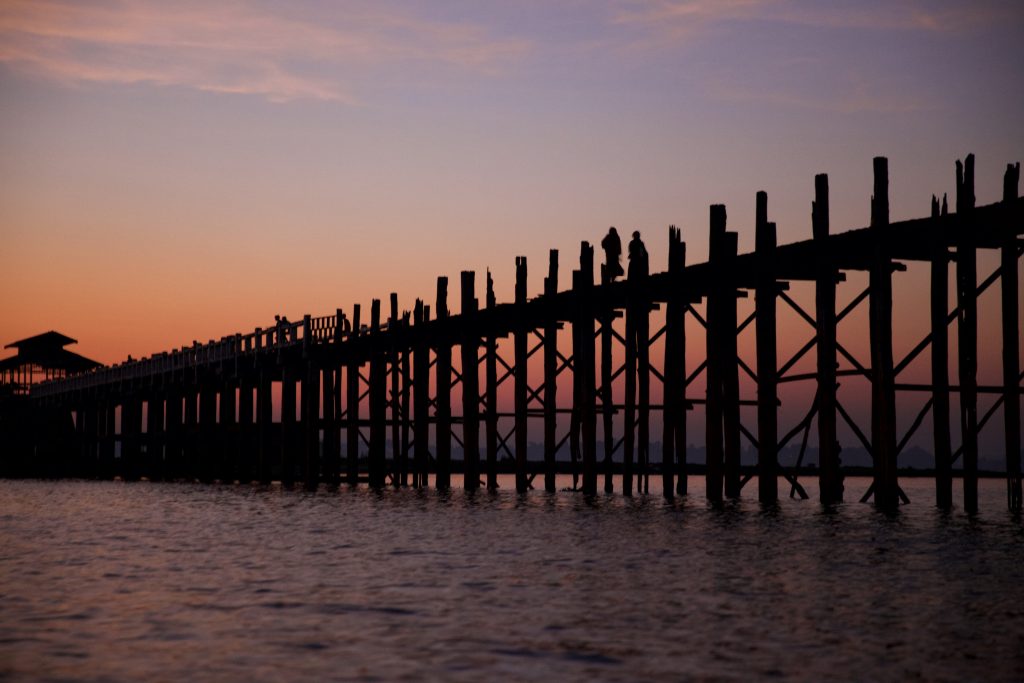
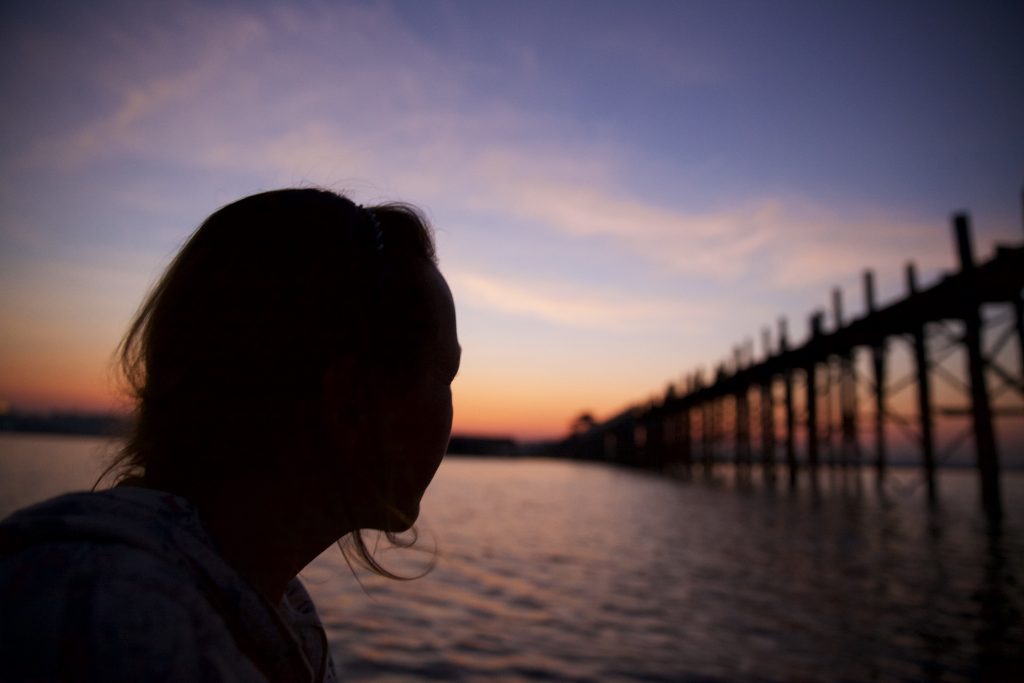
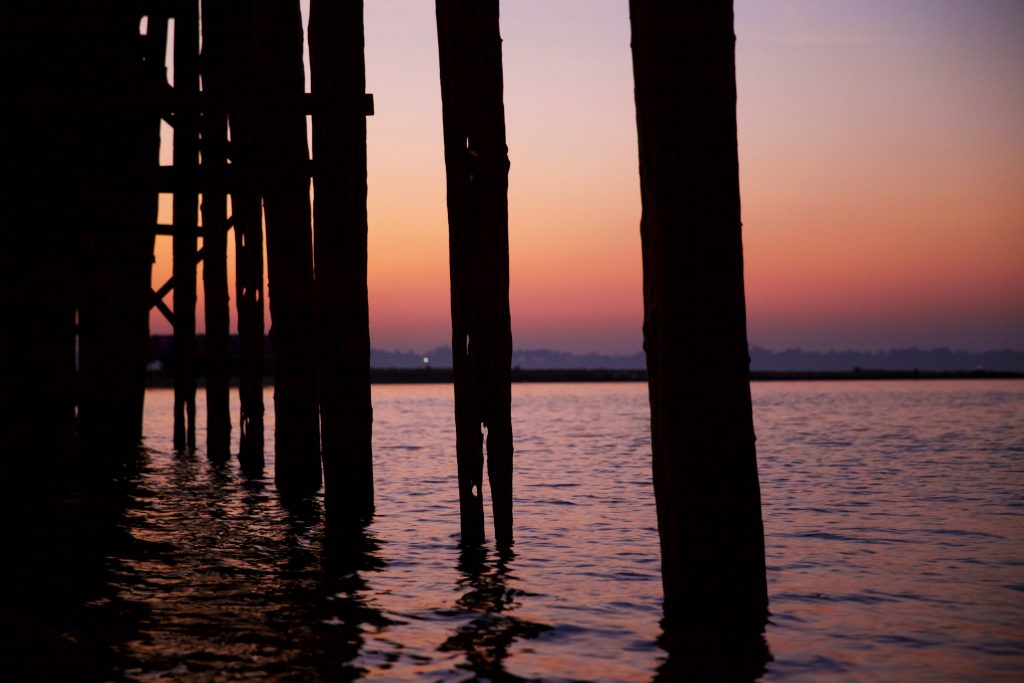
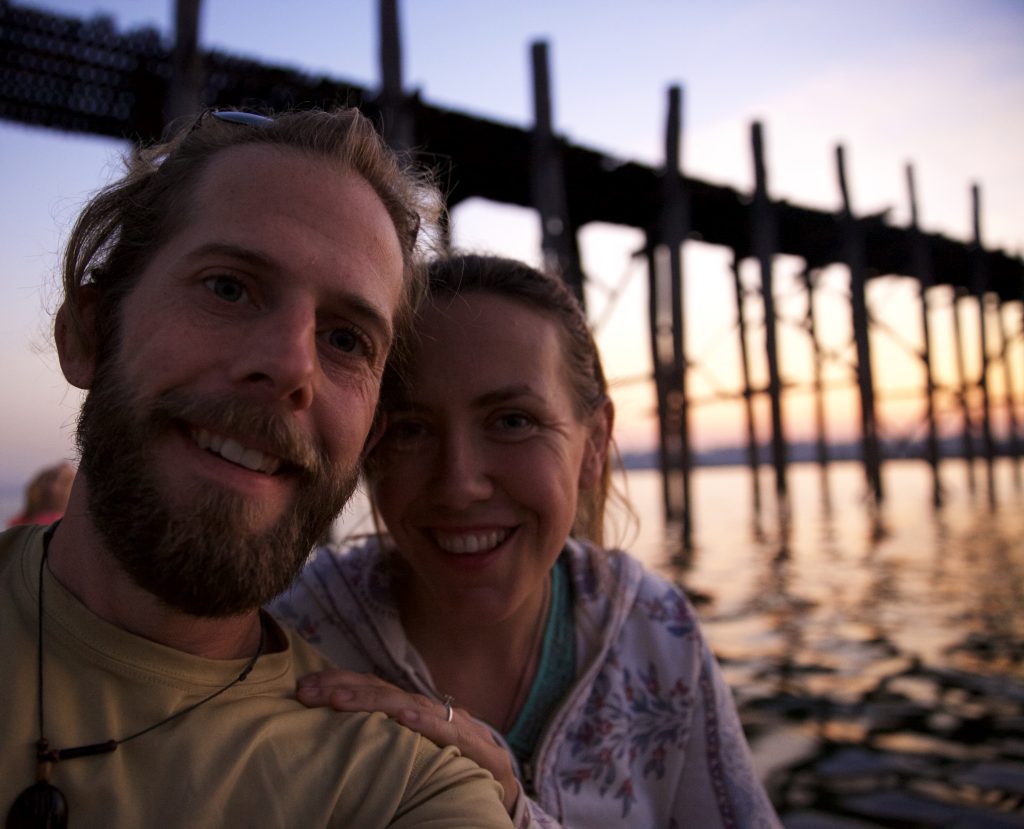
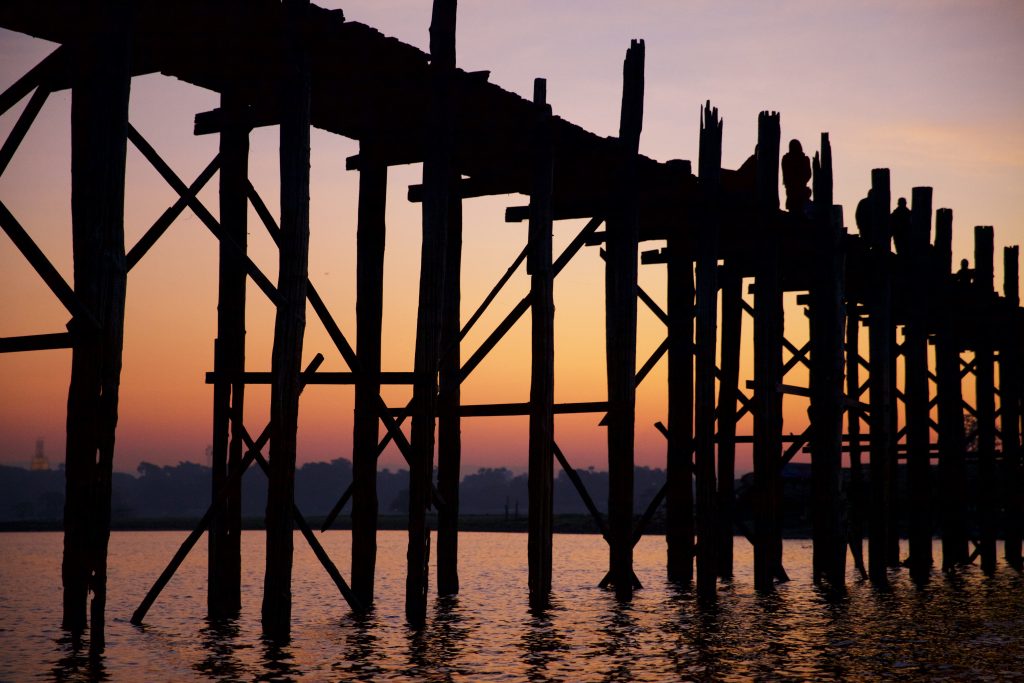
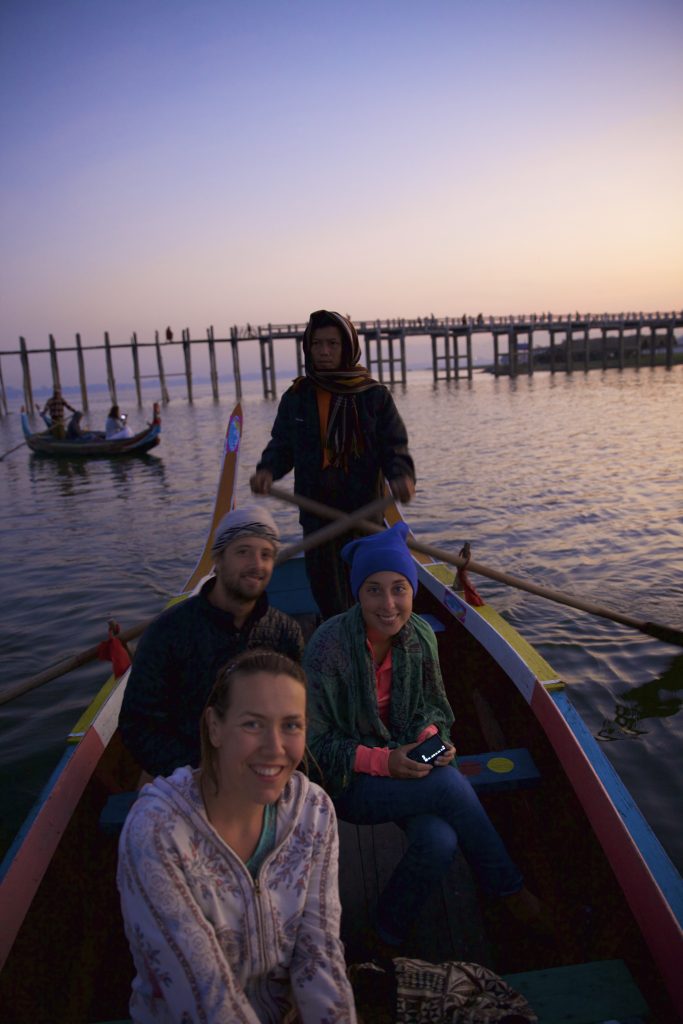
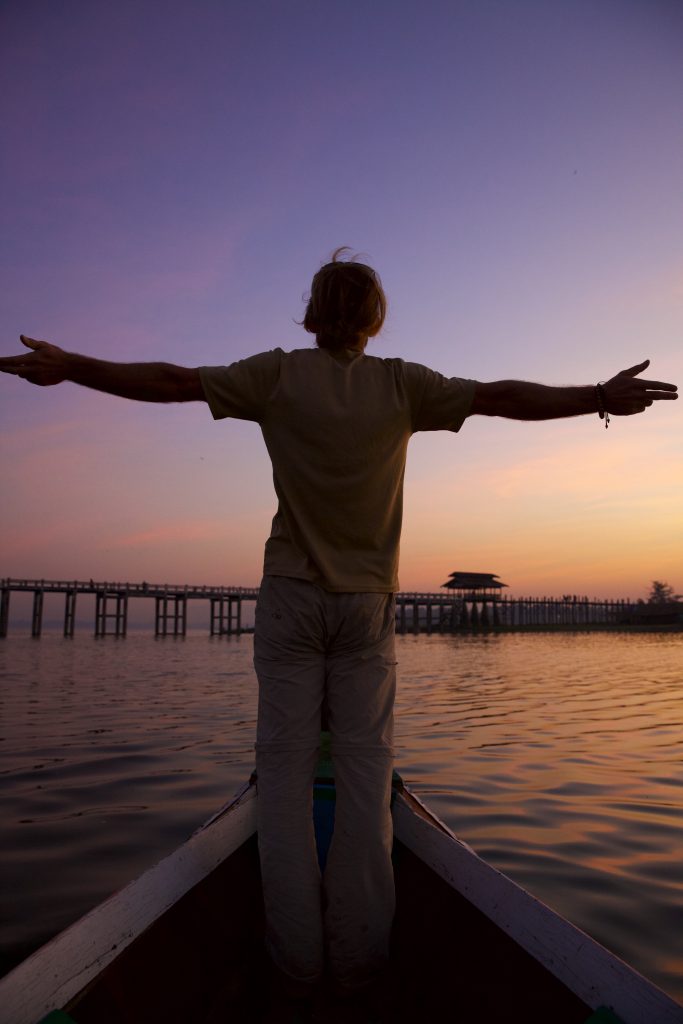
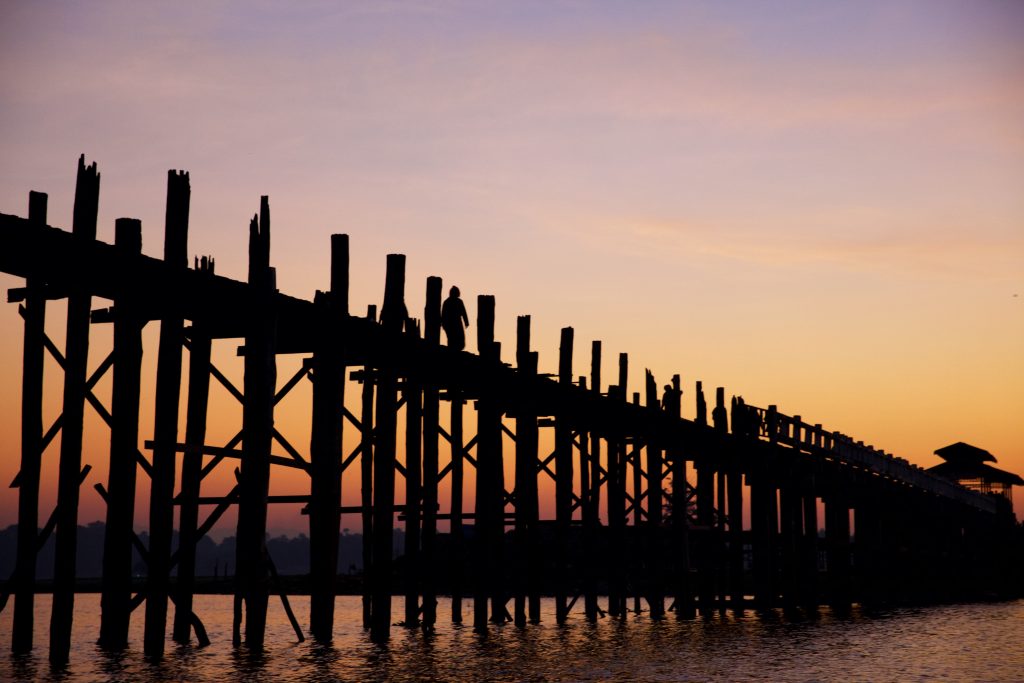
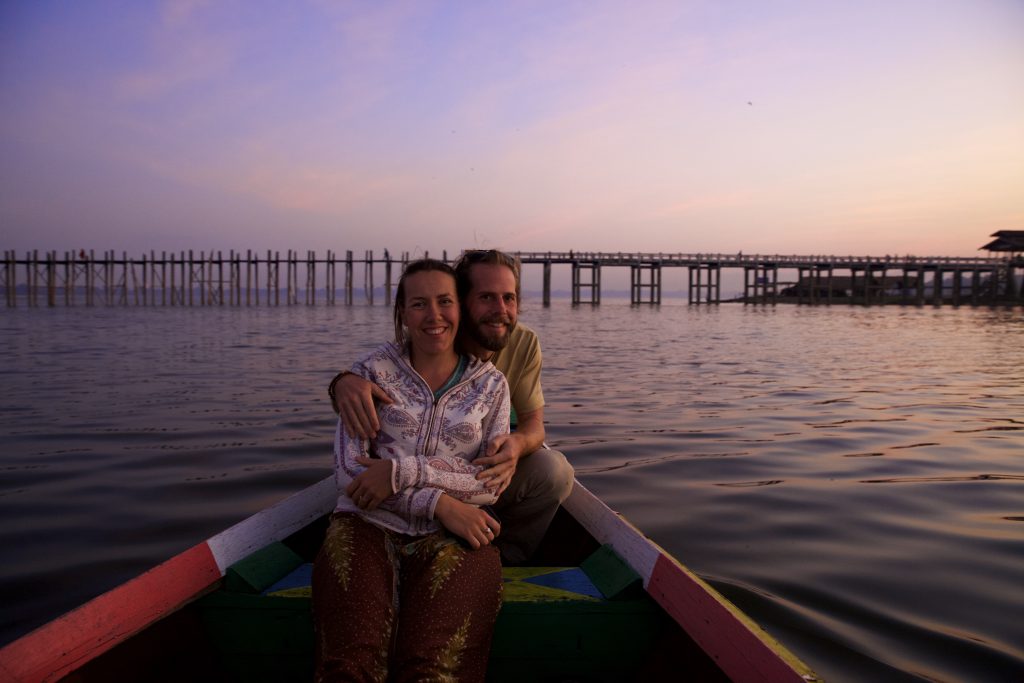
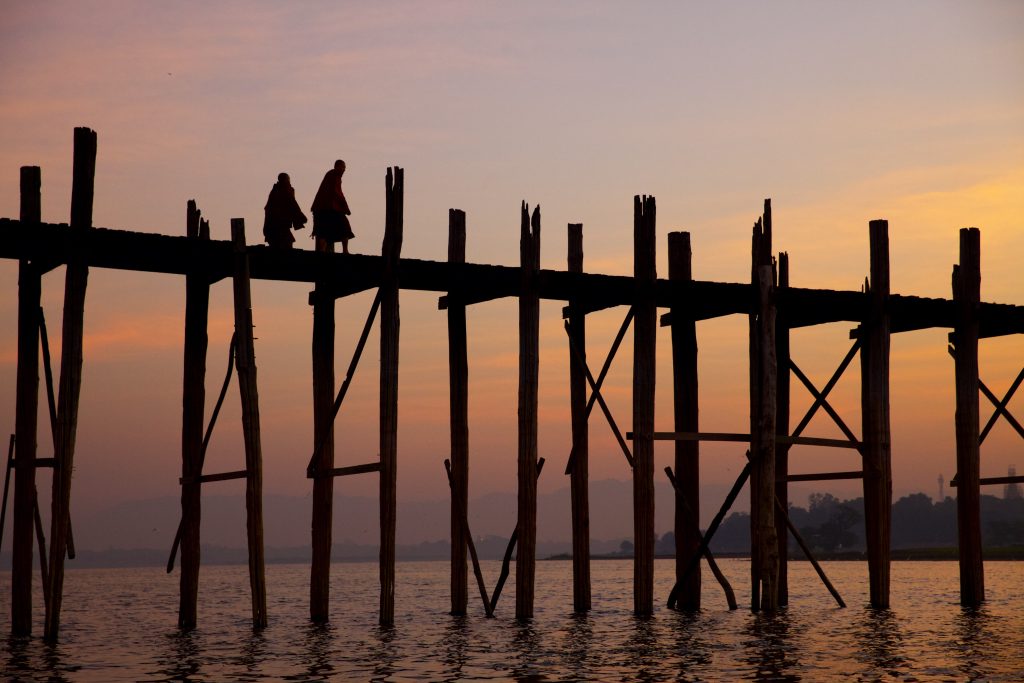
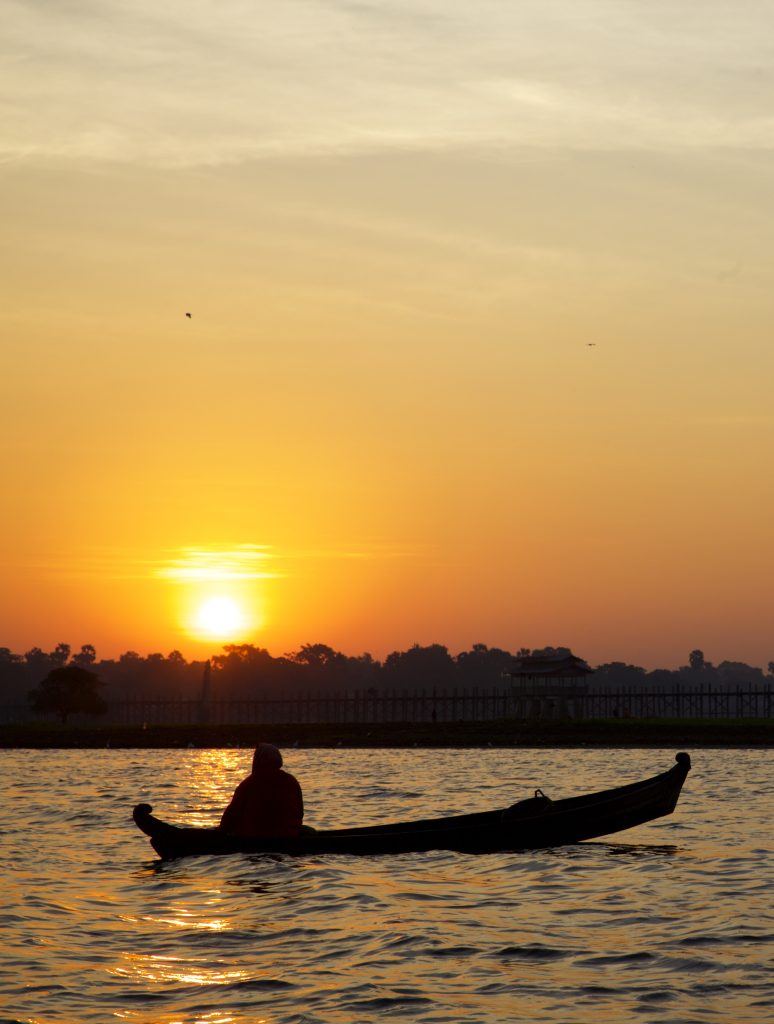
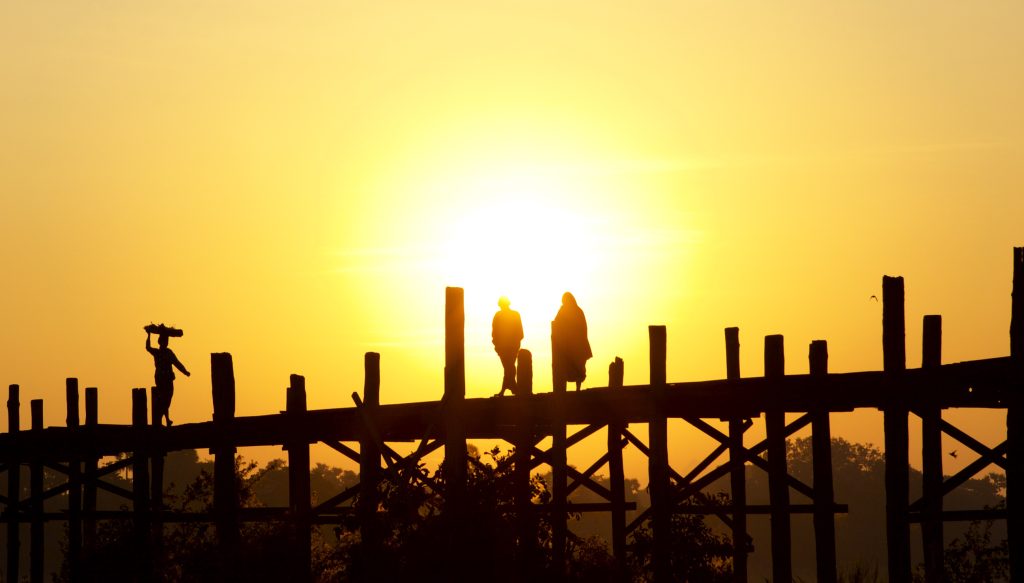
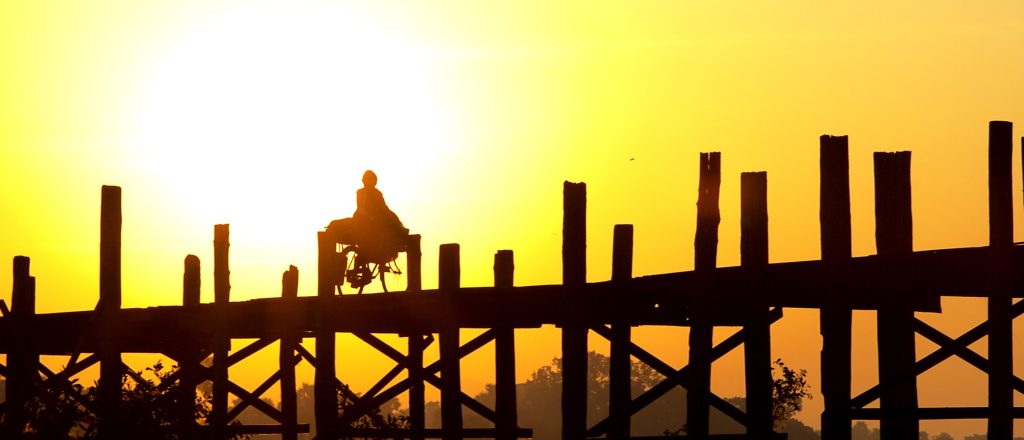
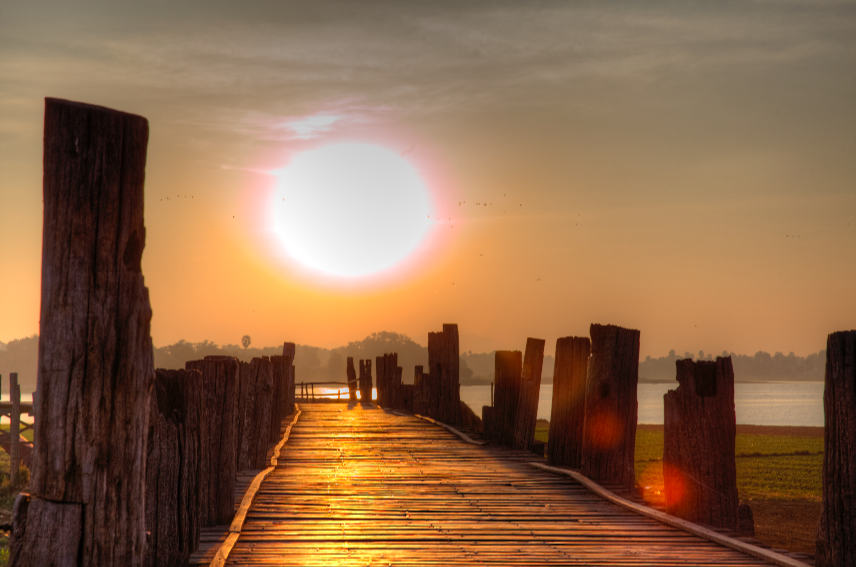
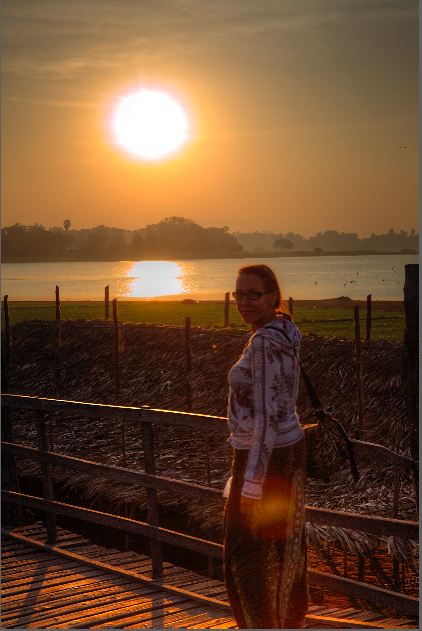
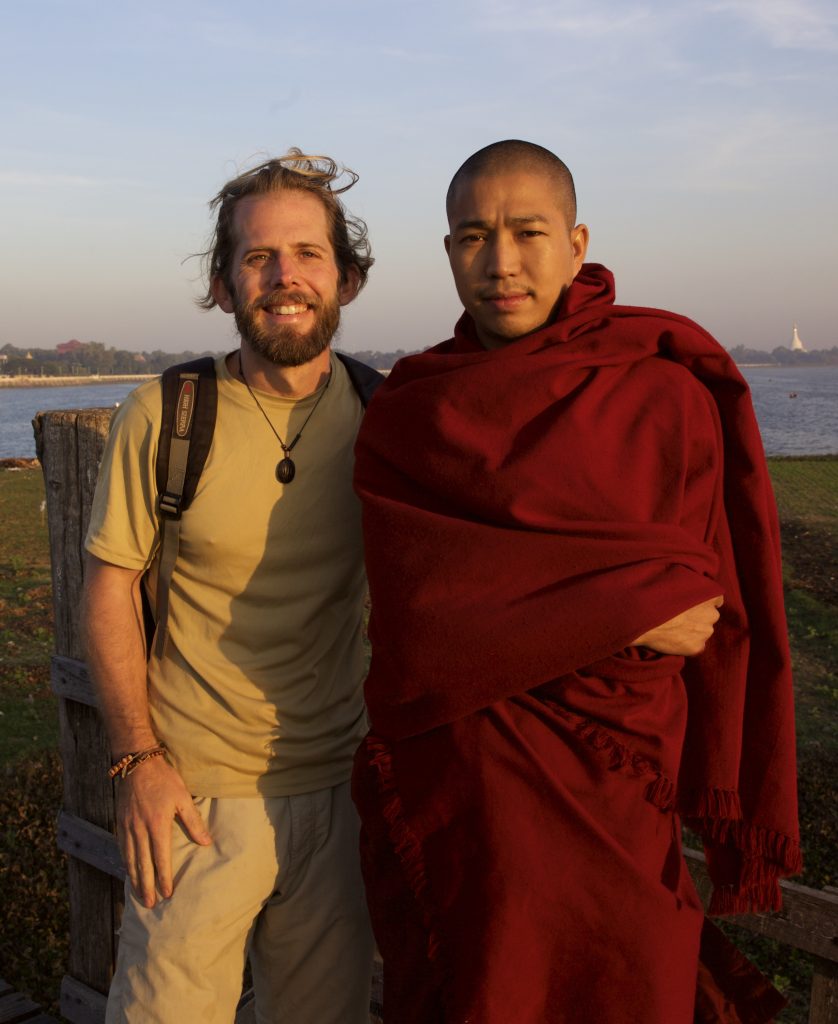
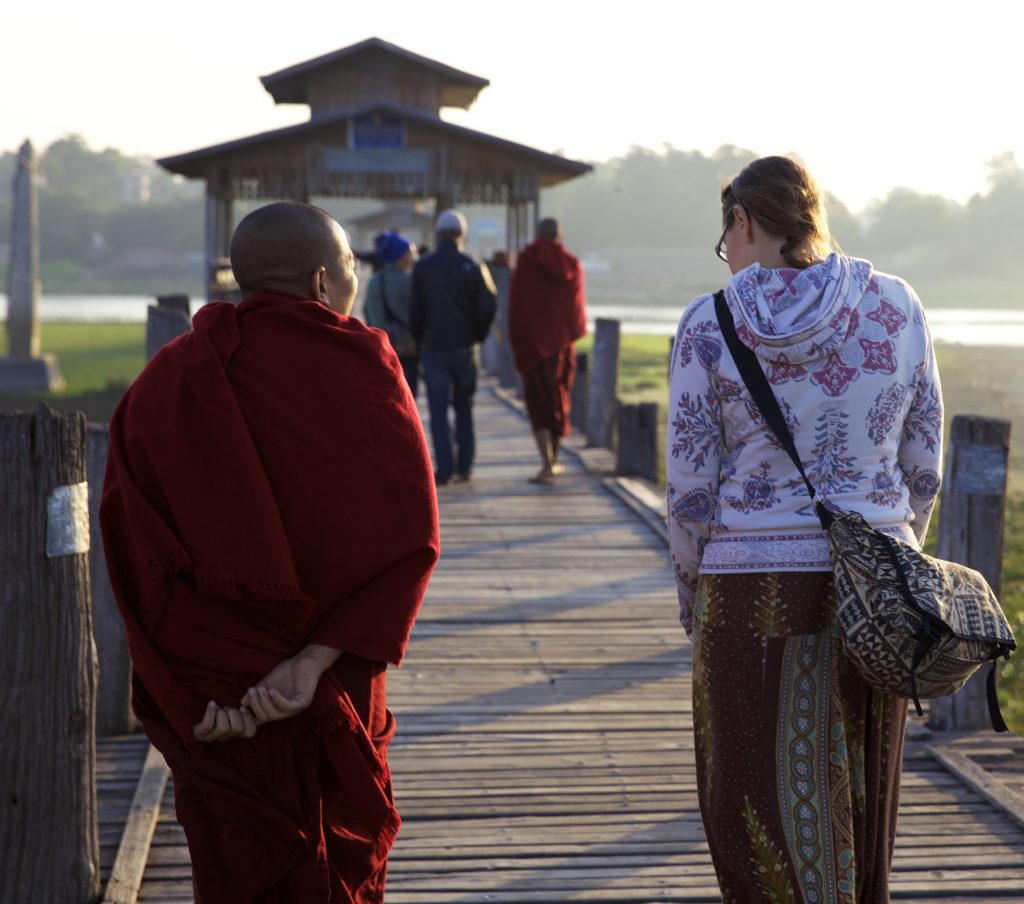
With limited time in Mandalay, we fast-tracked our itinerary with an early sunrise visit to U Bein Bridge — one of the oldest and longest teak bridges in the world, stretching over Taungthaman Lake. Used daily by locals and monks alike, it’s often framed against either a majestic sunrise or sunset, making it a must for photographers. Our sleep sacrifice paid off. The morning unfolded in peaceful serenity, undisturbed by the crowds that typically descend during sunset. Bobbing gently on the lake in a man-powered rowboat, we watched monks make their daily crossing toward the monastery, red robes flapping in the wind, passing silhouetted women balancing baskets of morning harvest atop their heads. The experience was only enhanced by the rising warmth of the sun and a chance conversation with two passing monks eager to practice their English and discuss the world beyond their monastery walls.
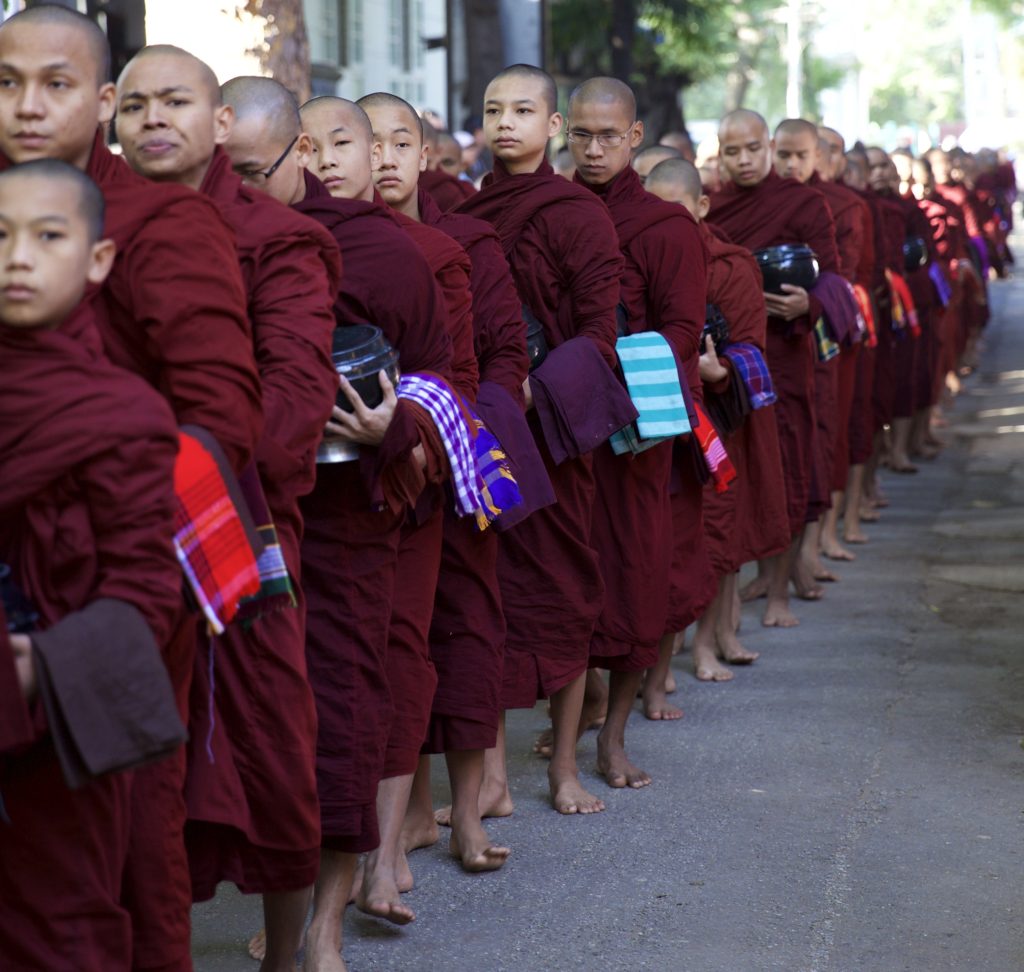
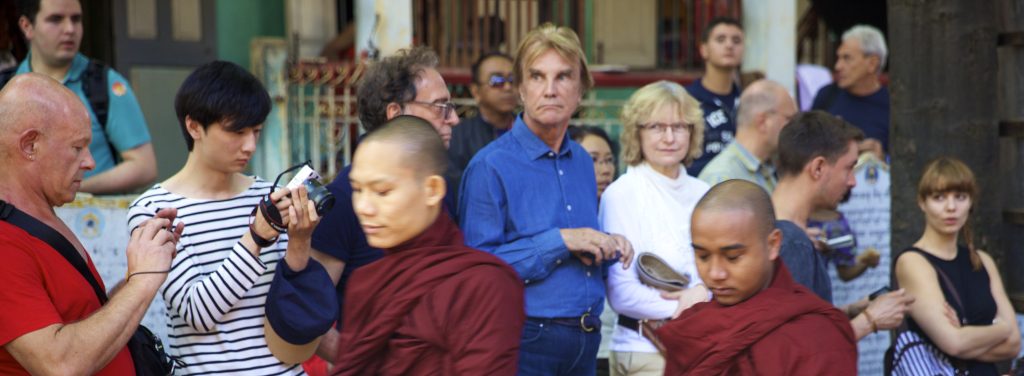
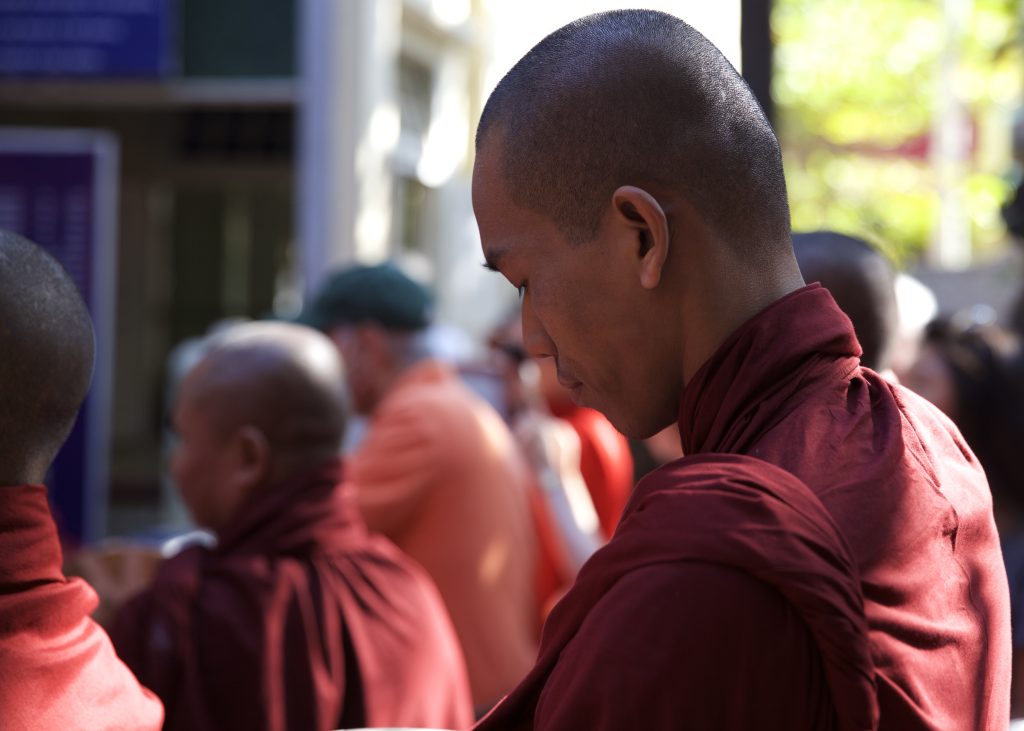
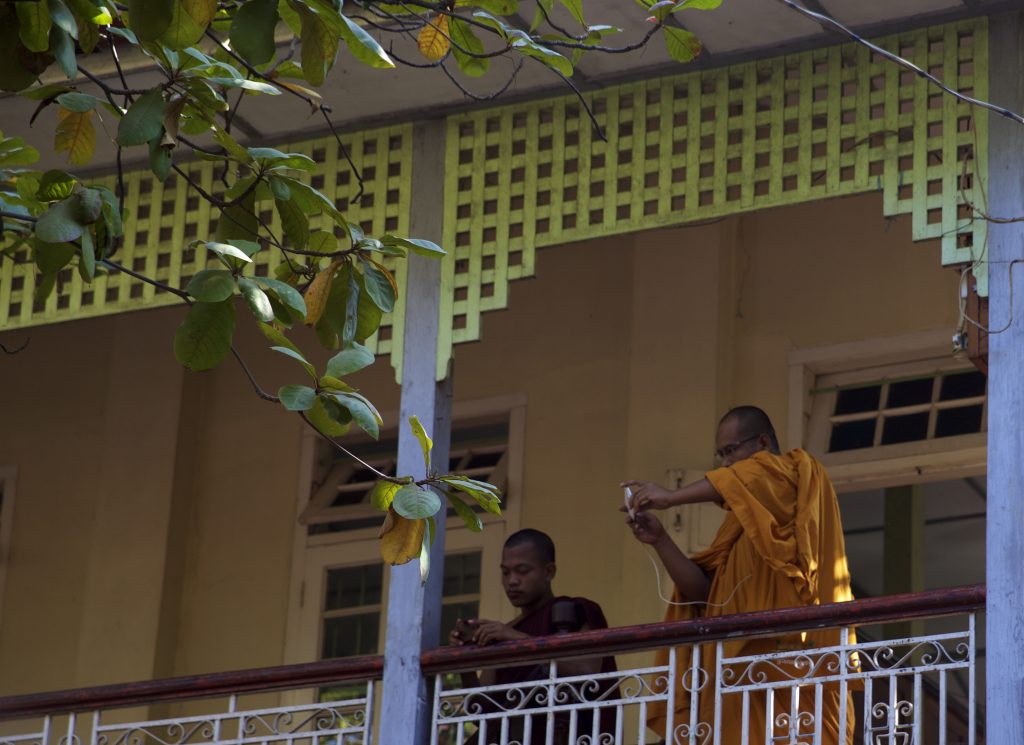
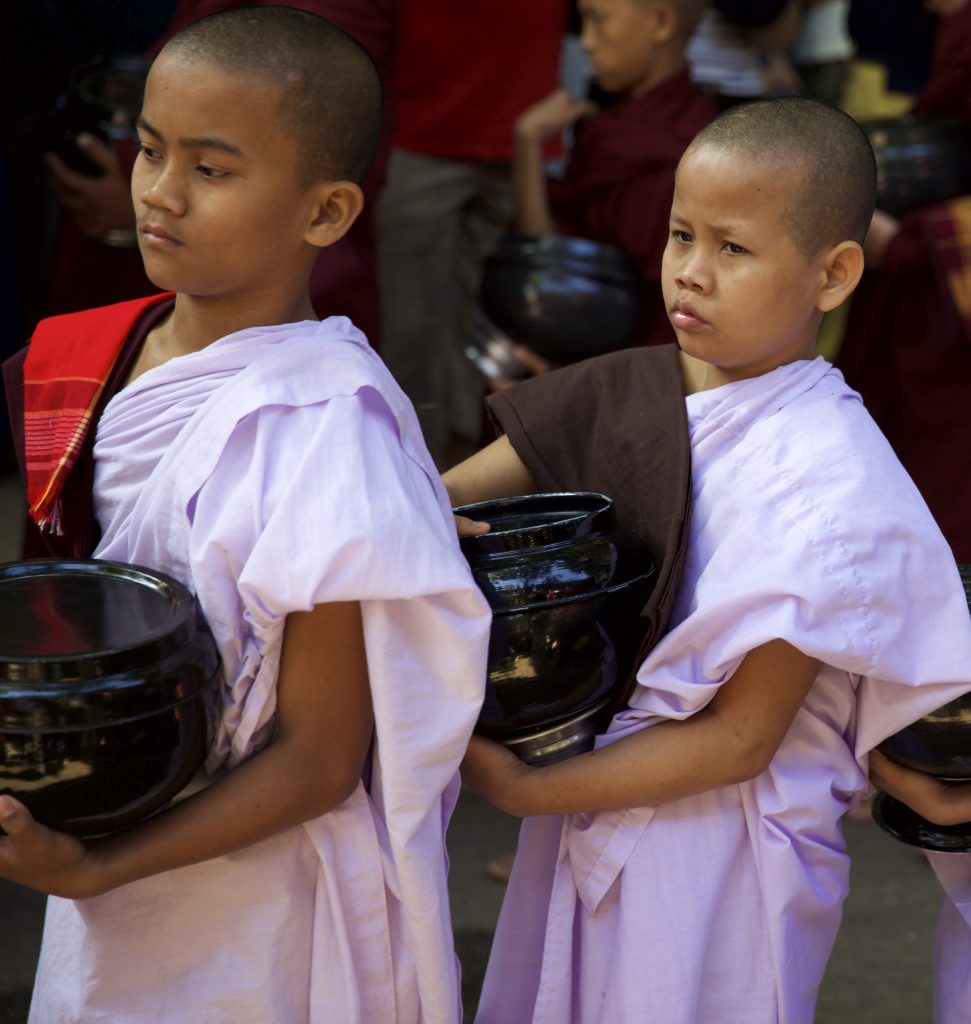
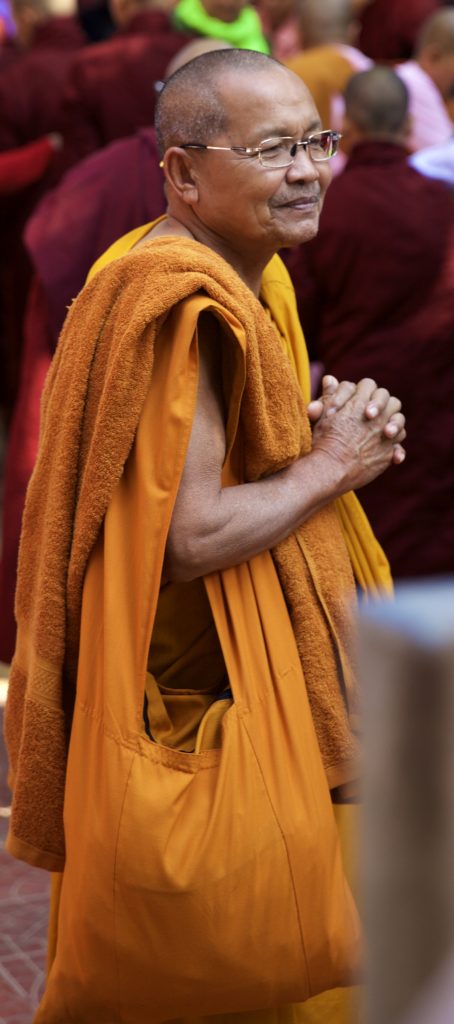
From there, we walked a short distance to witness another ancient tradition: a monk procession, where monks silently parade through the streets awaiting their second and final meal of the day. On paper, this sounds like a soul-searching, humbling ritual — and in many ways, it is. But not for the reasons guidebooks suggest. Instead of questioning our own material needs, we found ourselves questioning the spectacle surrounding it: tourists snapping photos like paparazzi, jockeying for position to capture a moment meant for quiet reverence. The unamused faces of the monks, navigating a maze of outstretched cameras, left us with a strange feeling — one that coated the soul with a thin layer of dirt only removable by giving something back in a more meaningful way.
Myanmar is different. And we are different too — continually reshaped by travel, yet humbled again by how much remains to be learned. Intrigued and inspired, we move forward, grateful to spend three weeks discovering a country that has so much to teach the world.