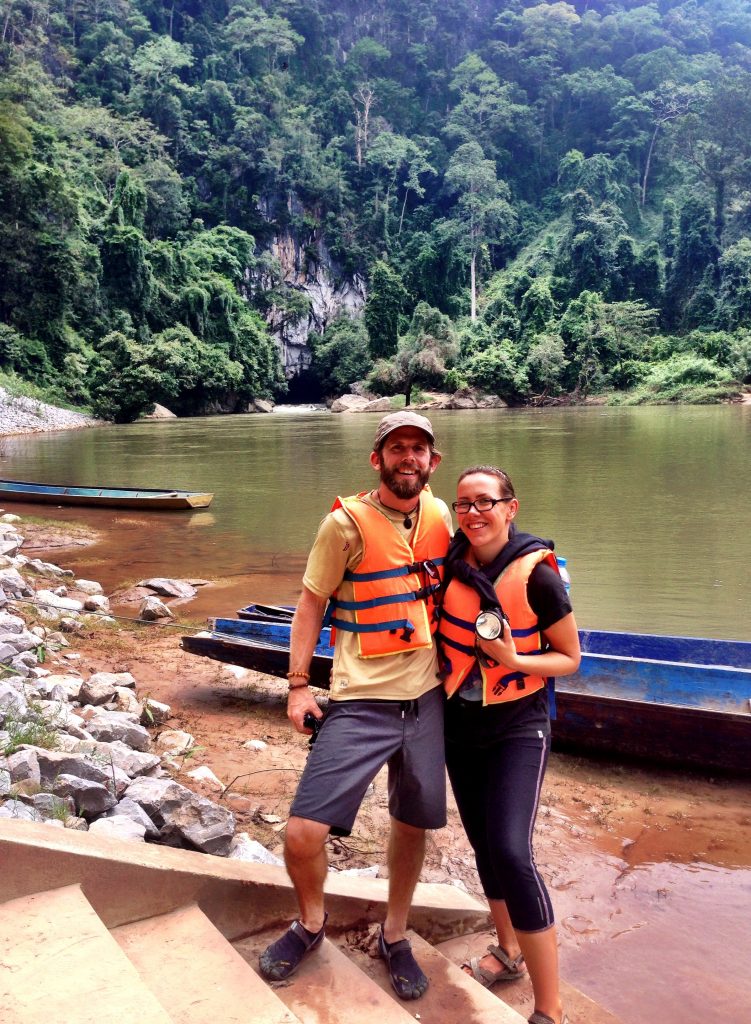
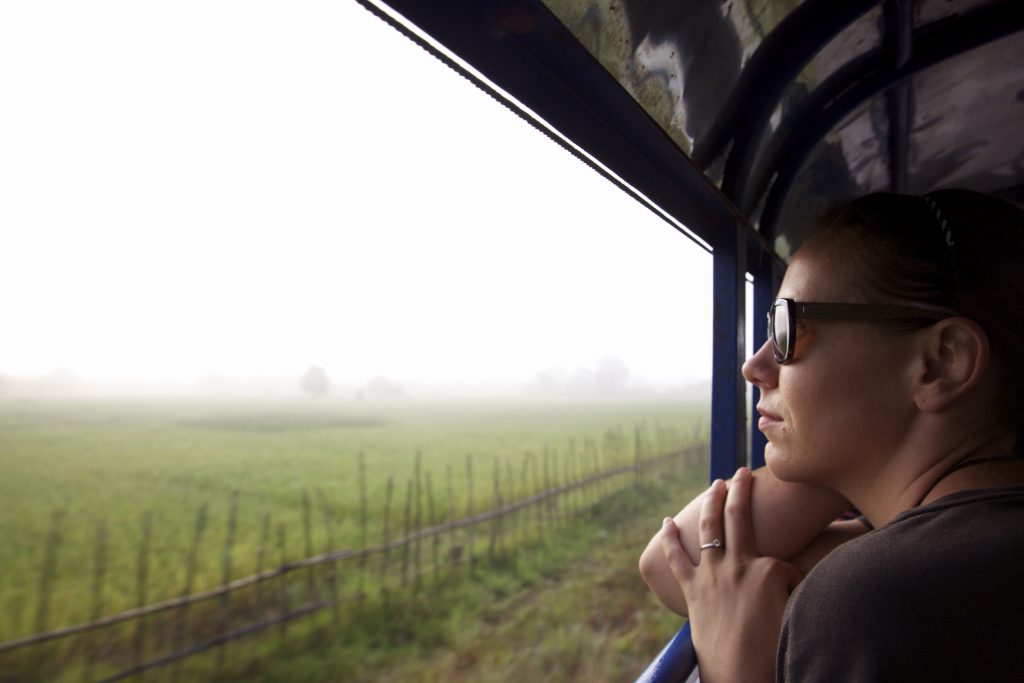
Leaving the safety of Vientiane, it was the first opportunity for Laos to reveal itself to us. Only having been told by fellow travelers, guide books, online blogs, that the South is almost worth skipping or often even unvisited, we challenged ourselves to receive what the South had to offer with a blank slate, letting it dictate how we felt and what we saw rather than the advice of any other. It didn’t take long before we were on sensory overload with the beauty of the lush green landscape seen solely from the window of a bus as it rumbled down a dirt road towards our destination, Kong Lor Cave. If this was a prognostication of what was to come, we were in store for an amazing two days.
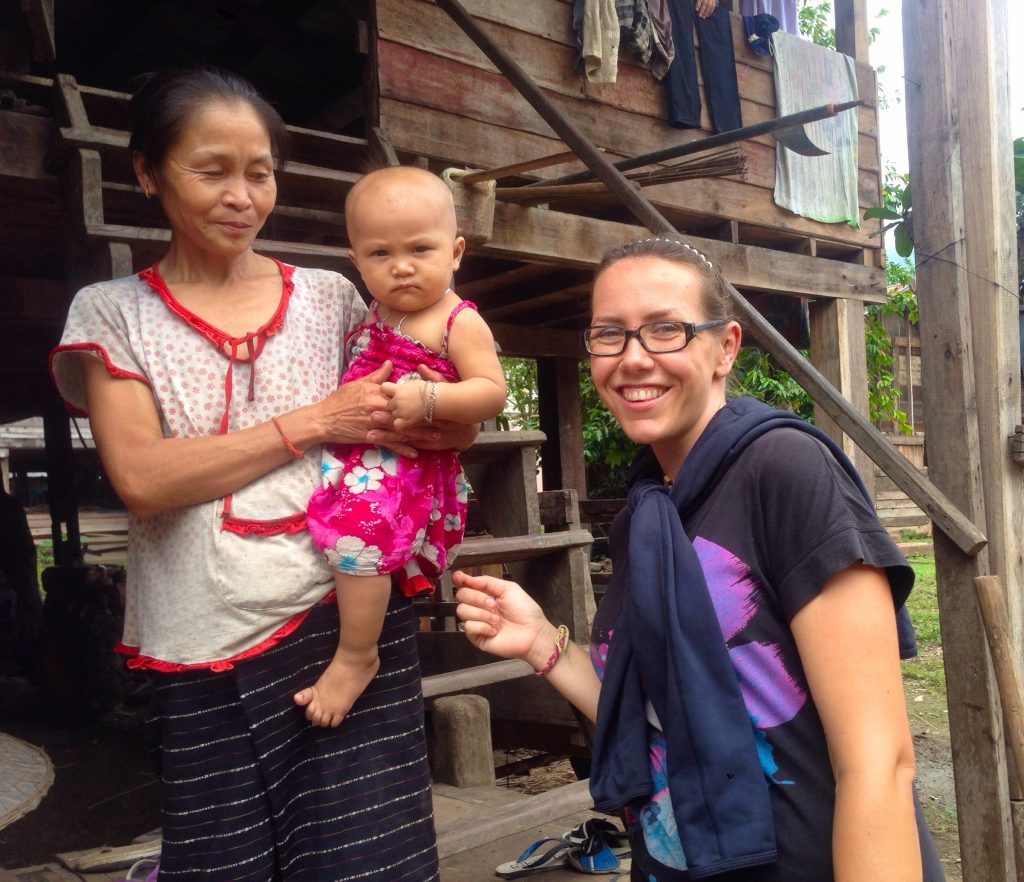
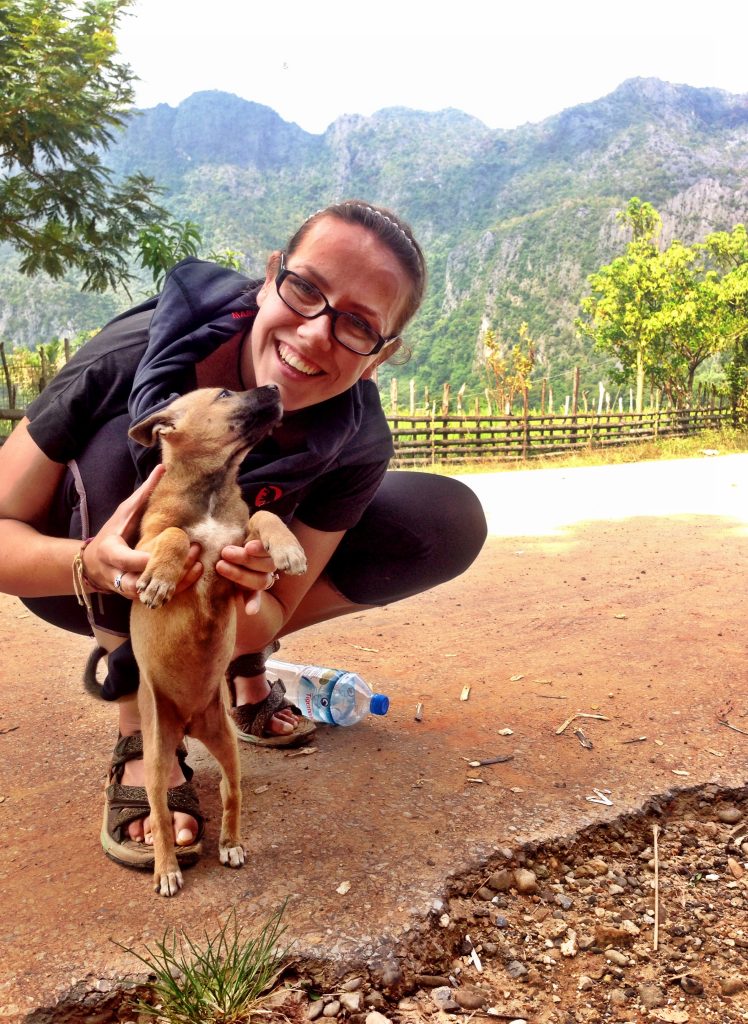
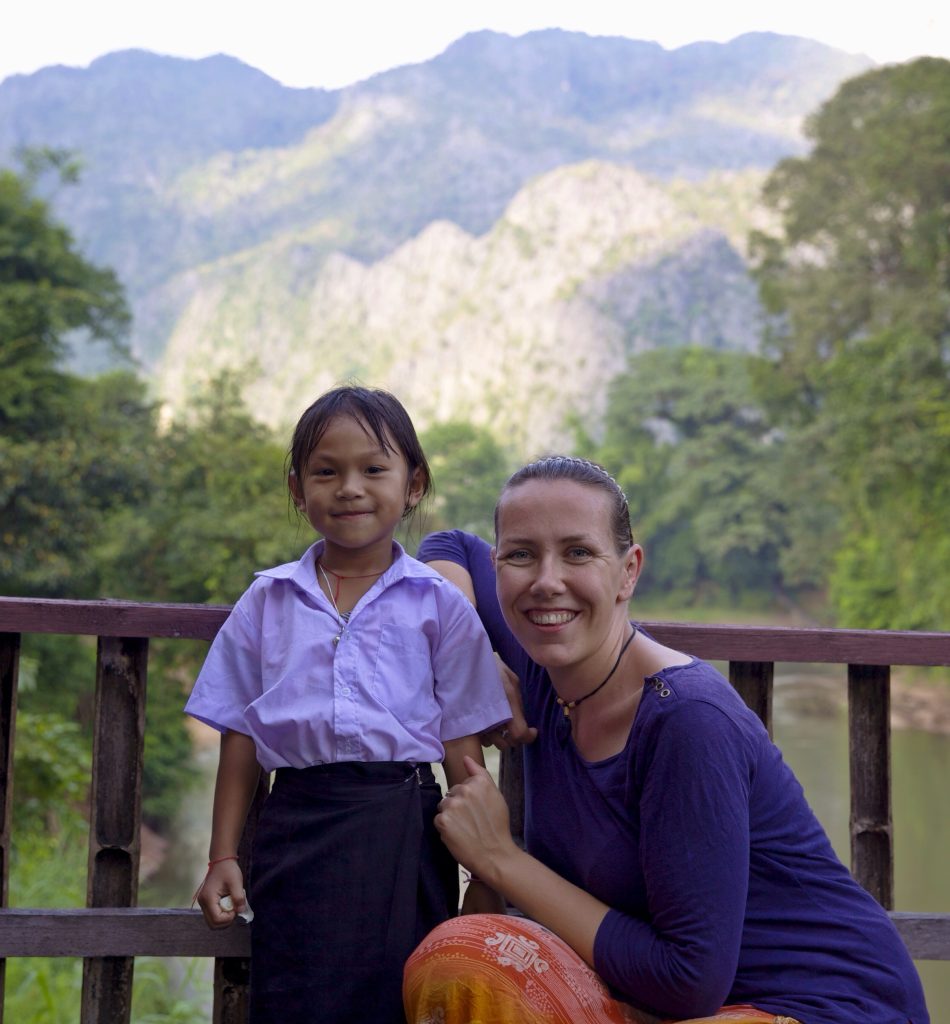
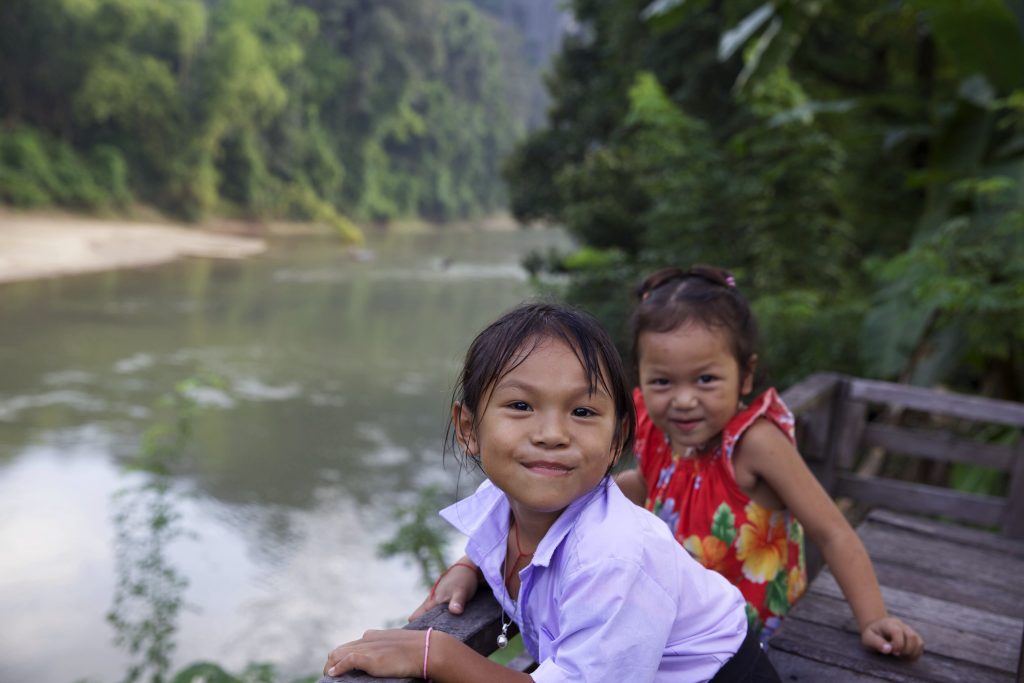
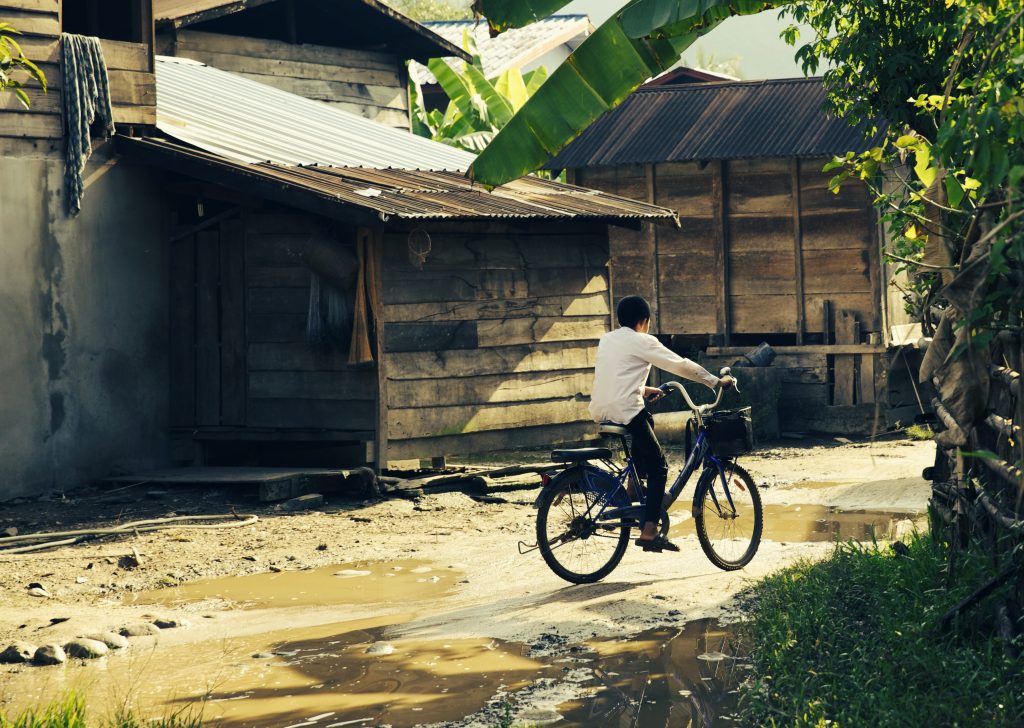
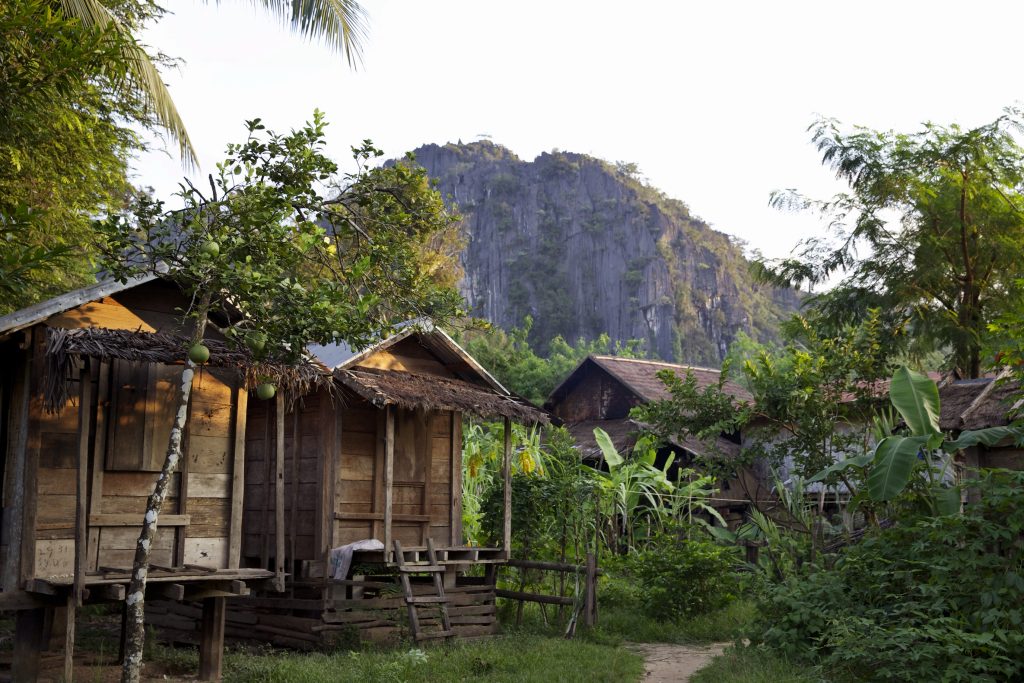
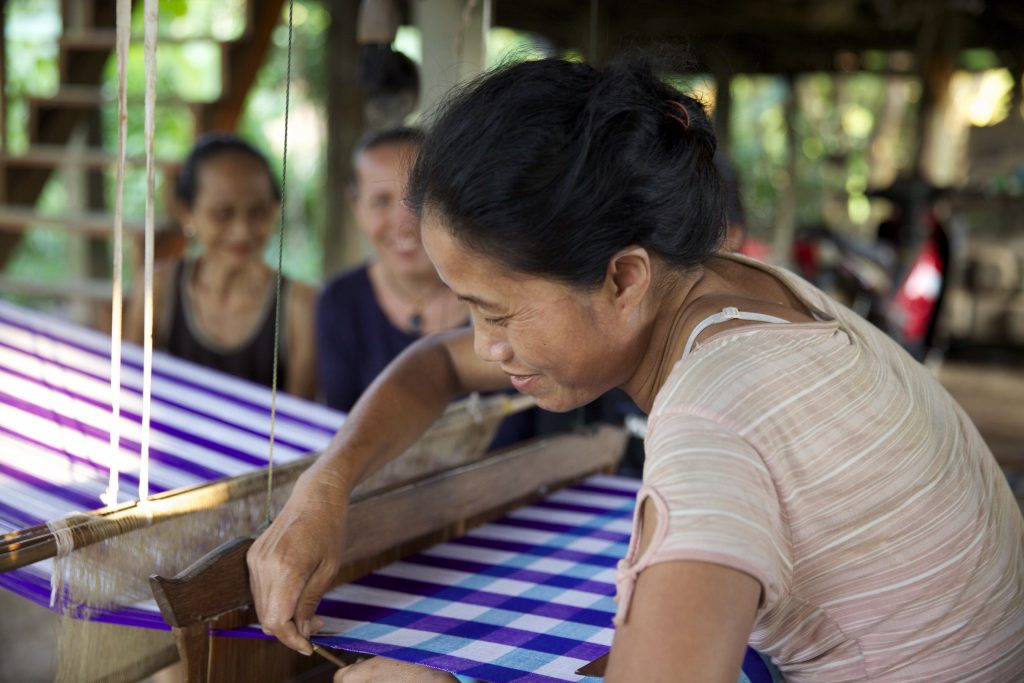
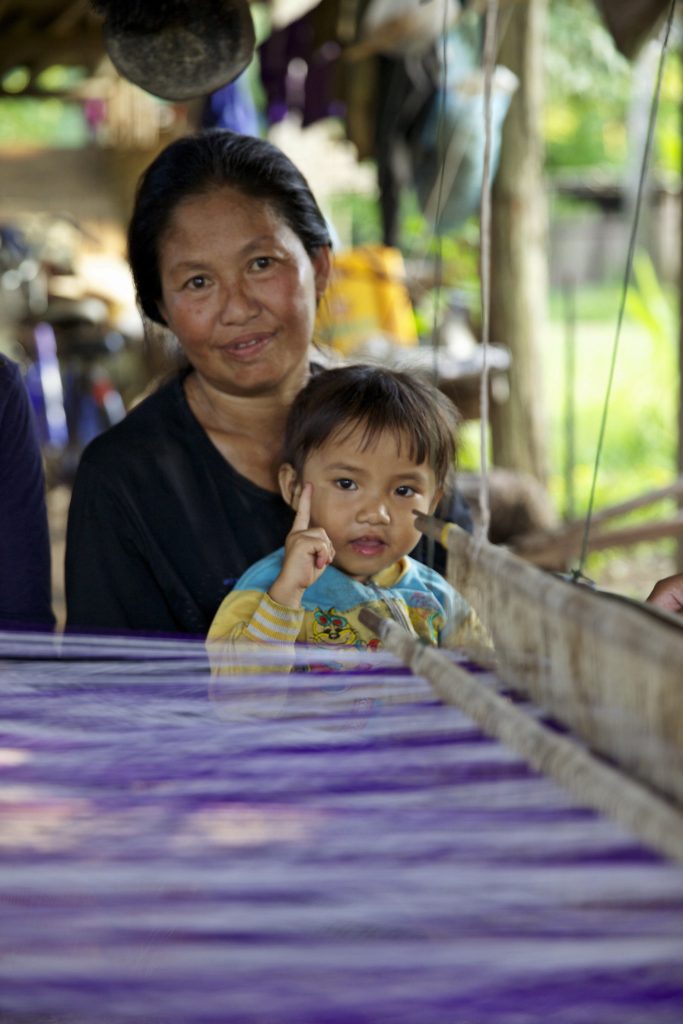
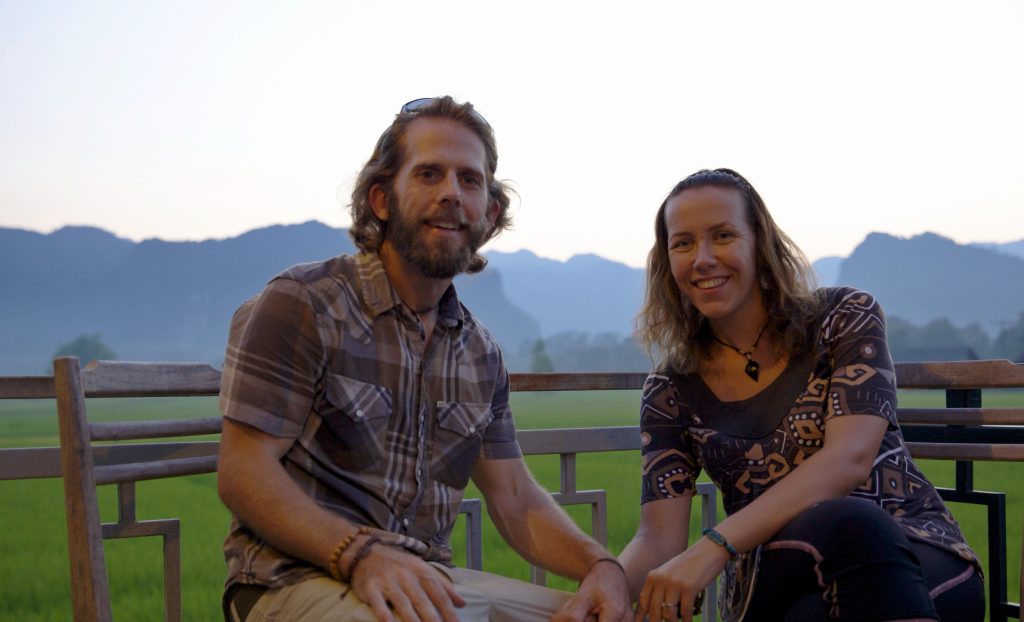
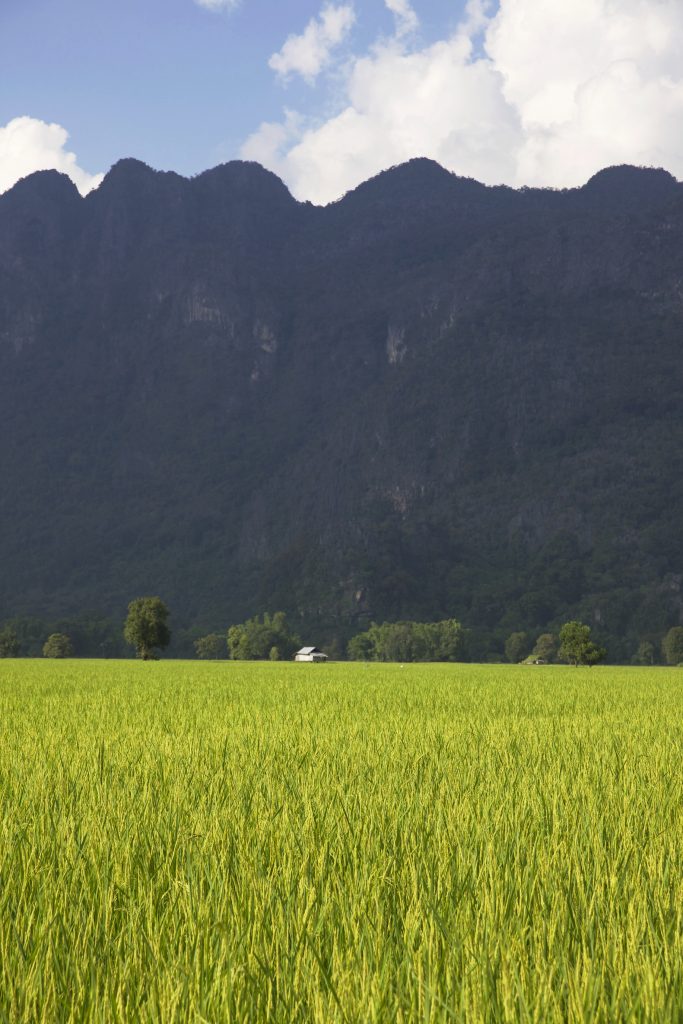
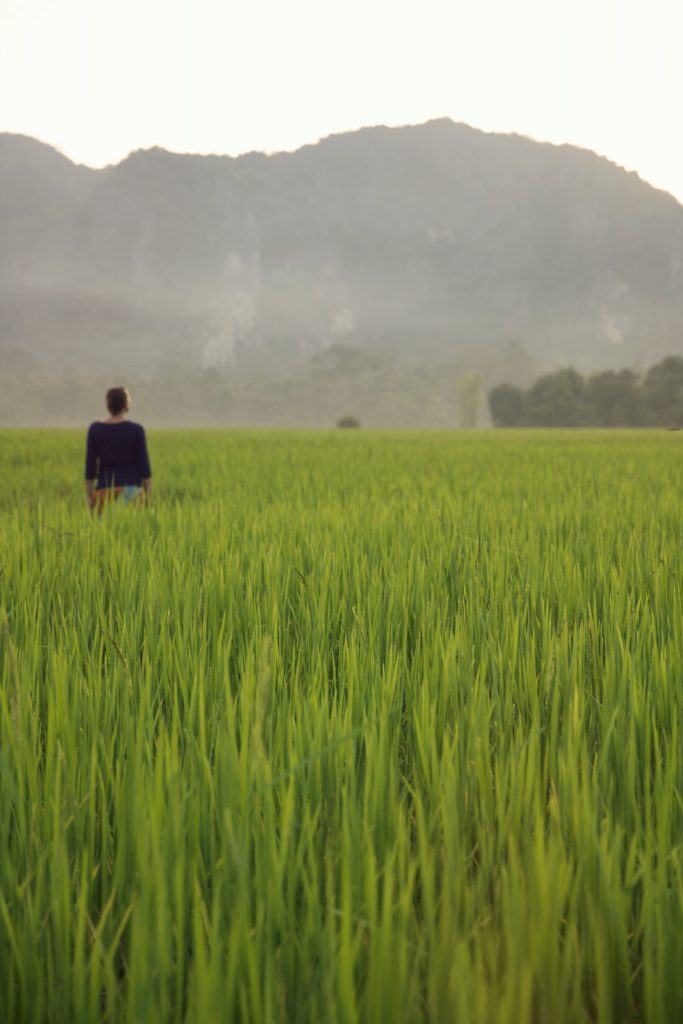
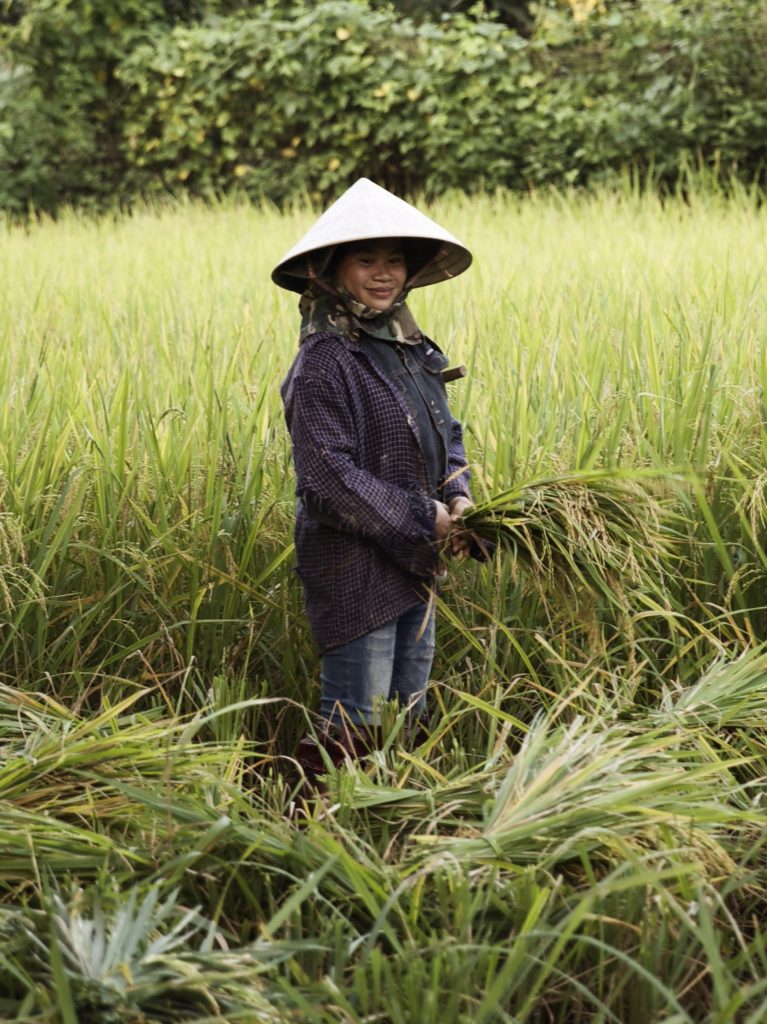
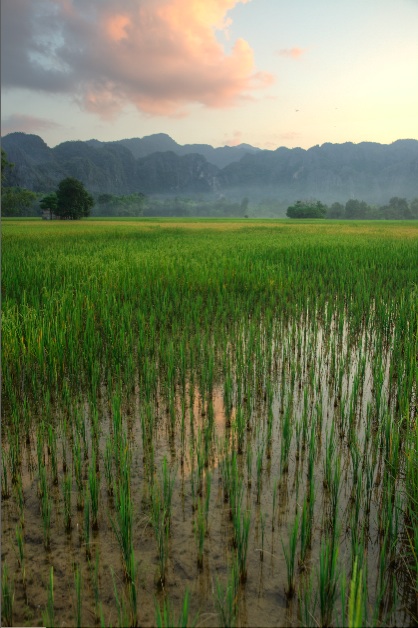
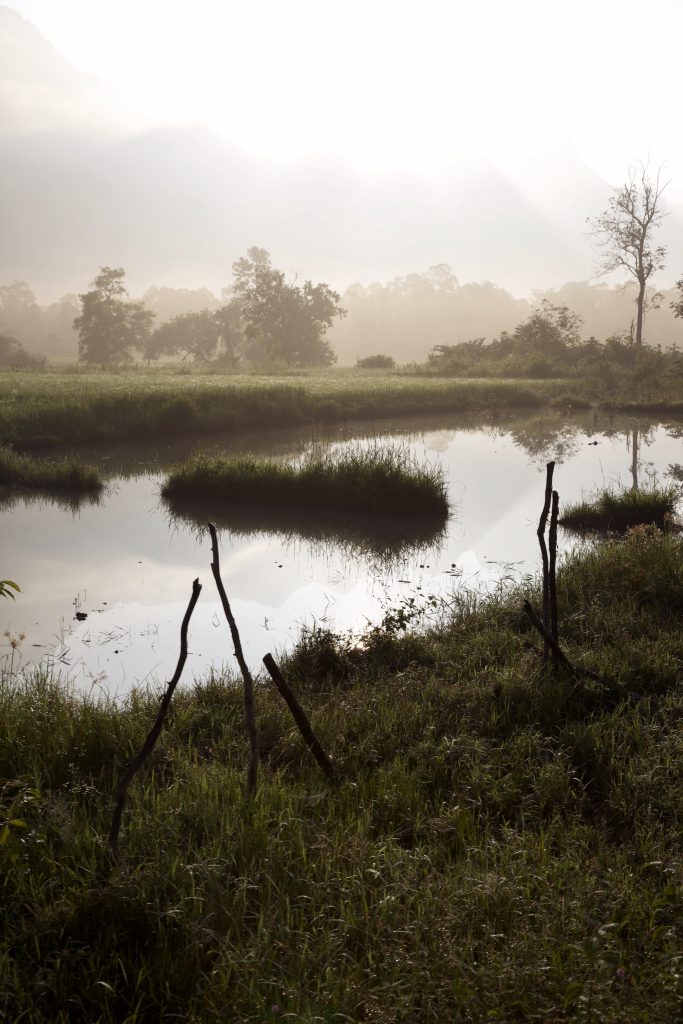
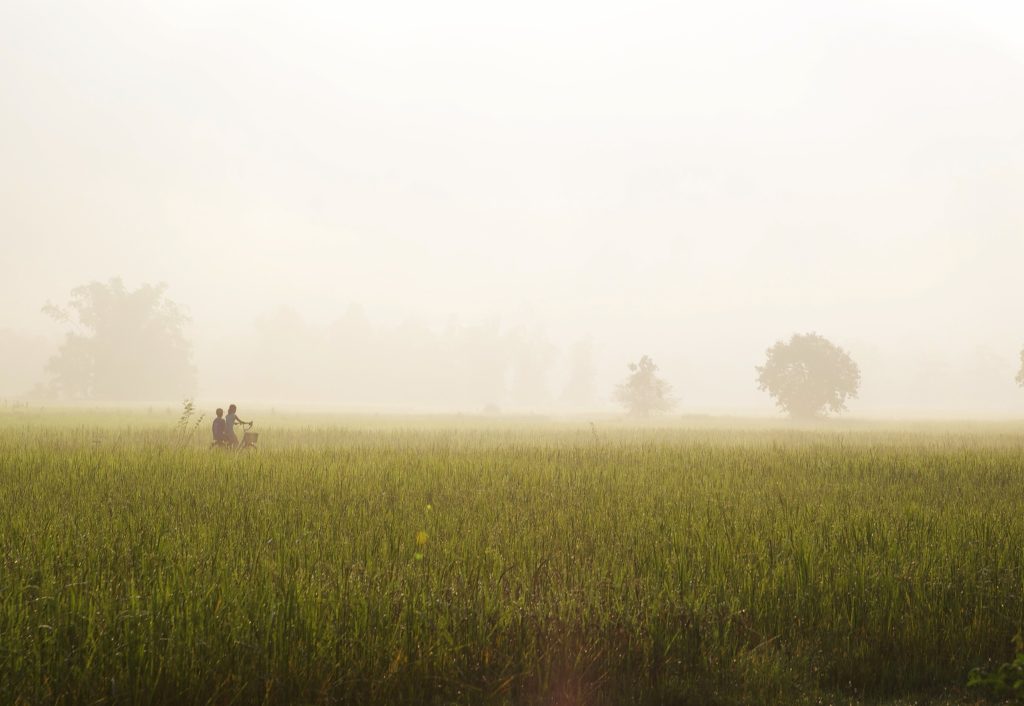
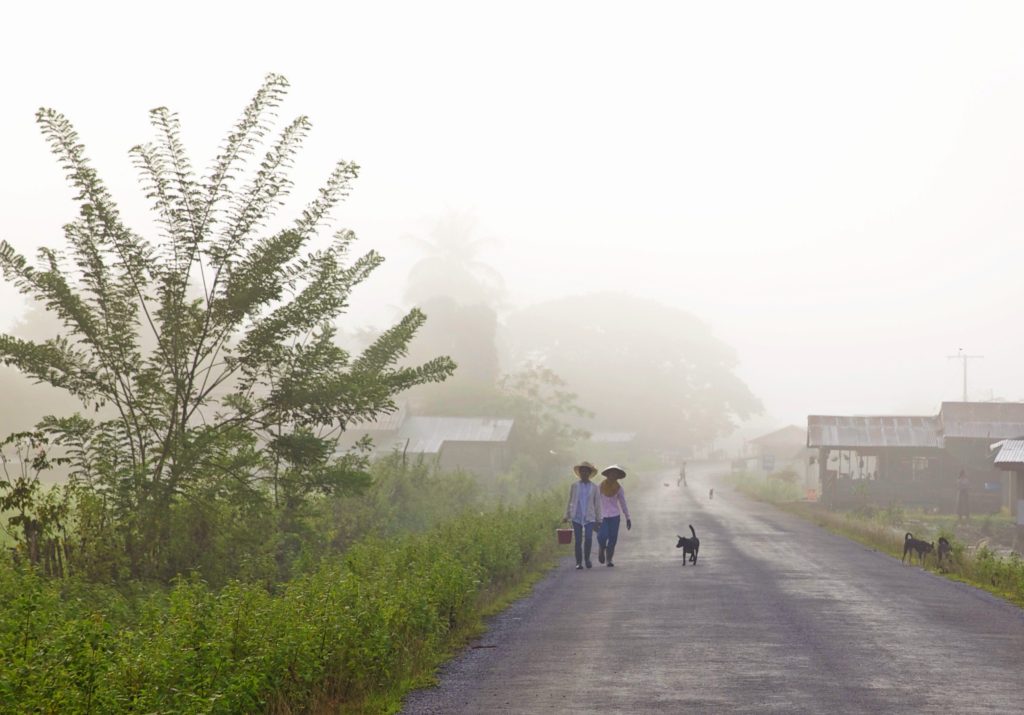
Thanks to Marii’s persistence in wanting the best, the most out of anything, her research paid off in delivering us to a cheap yet beautiful accommodation with a view that would even make the Dalai Lama smirk in admiration. The small village of Kong Lor is safely nested between protective canyon rock walls unlike any we’ve seen. To add to the already impressive view are green and yellow rice fields that flow endlessly in all directions directly butting themselves up against the behemoth rock beasts in the distance. The cherry on top is the simplicity of the people who inhabit this village. You can often witness the children riding bicycles down the main muddy road, along side them the woman dressed in traditional Laos clothing making their way to the rice fields for a day’s worth of hard work. The beauty of all this is because of their way of life, as you’re not being taking on a tour, shown “how” people live, but simply living alongside them. You can’t help but instantly be put at ease by their relationship to the world around them. No trash, simple farmers, and after lowering their defenses by a friendly wave and “Sabai Di” you’ll often be greeted with a warming smile in return for your efforts.
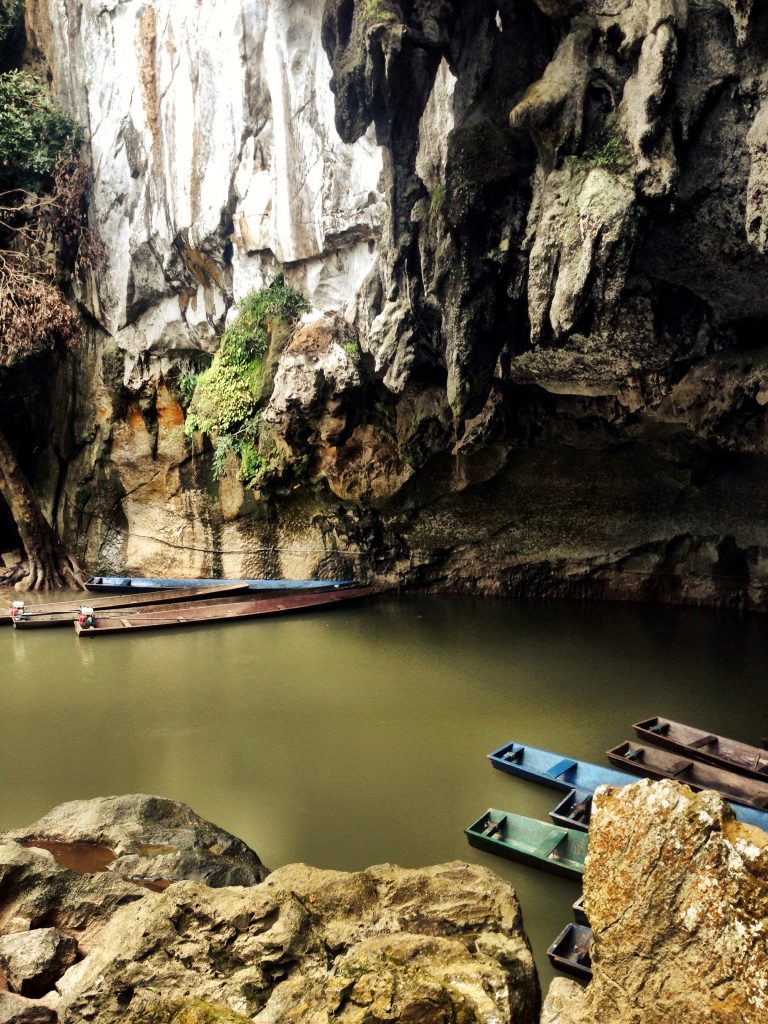
Had we just spent time within the village it would have been enough to create a memory that would last a lifetime, but our destination was that of Kong Lor Cave, an underground river that stretches 7km through the rock mountain as fore mentioned. Fortunately for us our timing seemed perfect for arriving to the riverside, not only being the end of rainy season so the river was in full force (no walking) but it was also at the tail end of low season. This serendipity led us on a boat ride that felt more like an Indiana Jones adventure on the hunt for an ancient relic rather than a ride at an amusement park in tact with long queue lines, annoying visitors, leaving you questioning on what exactly did you pay for.
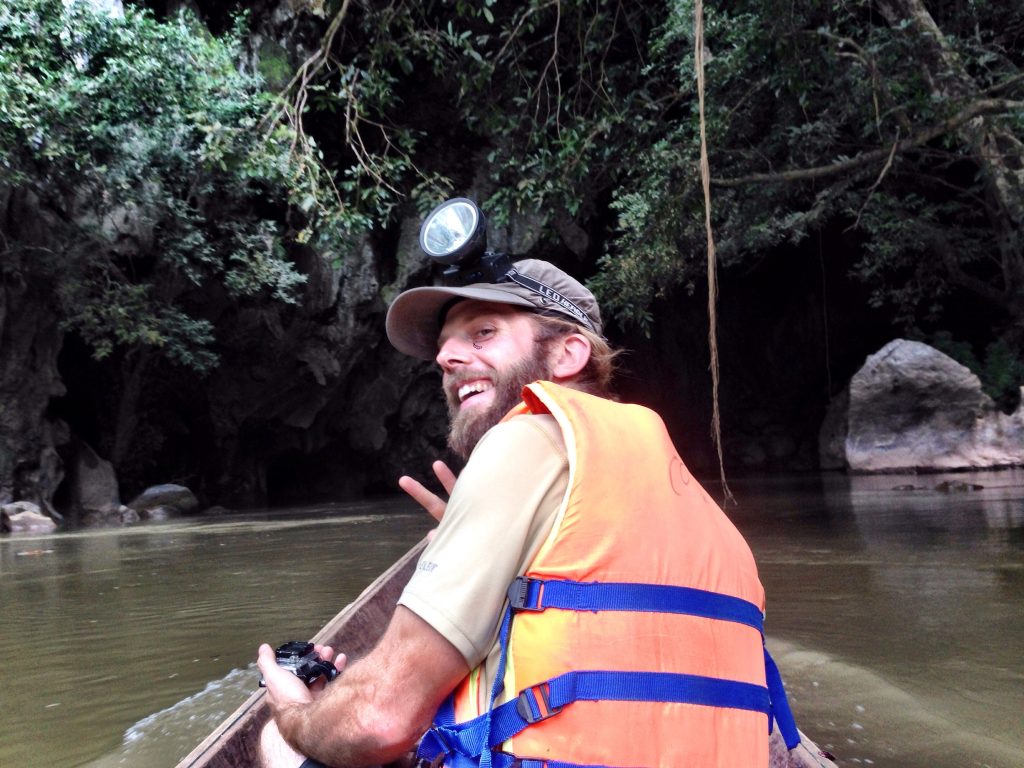
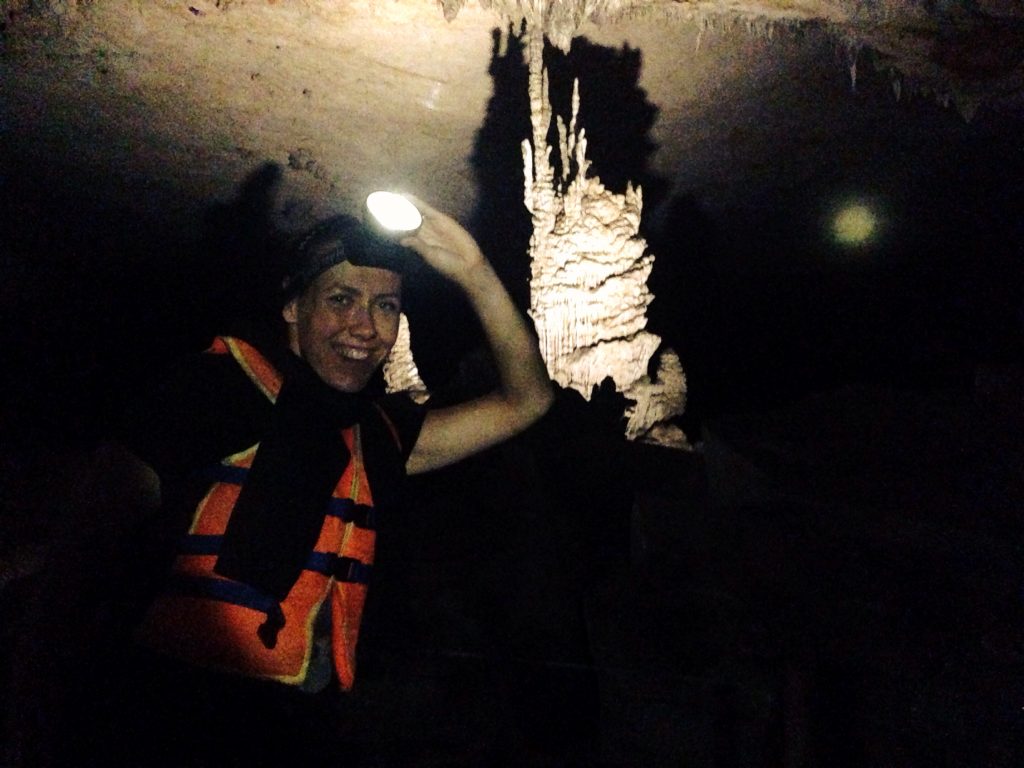
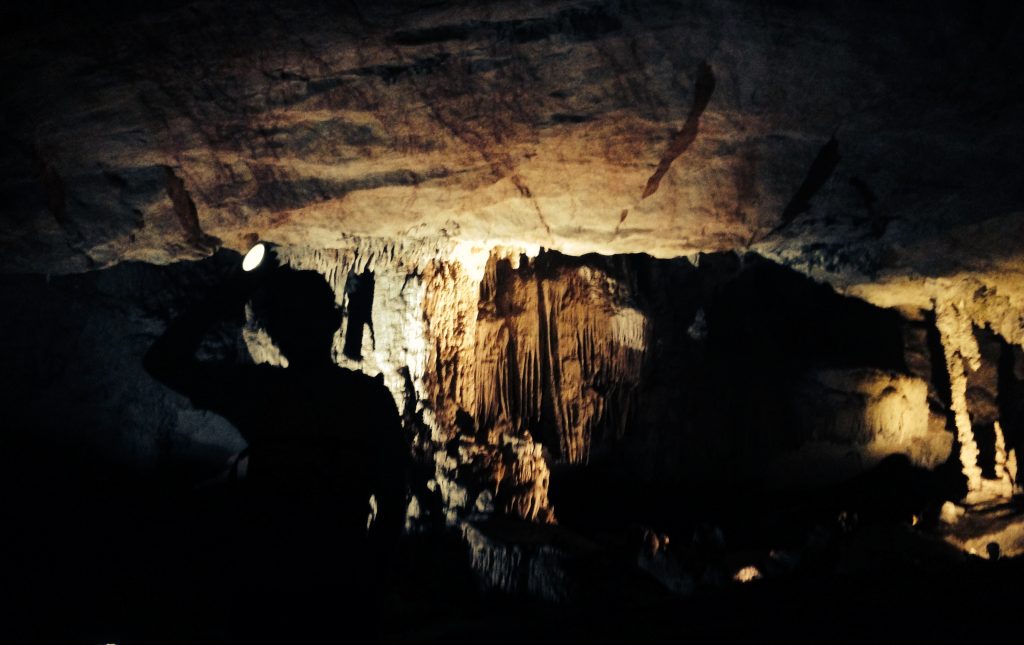
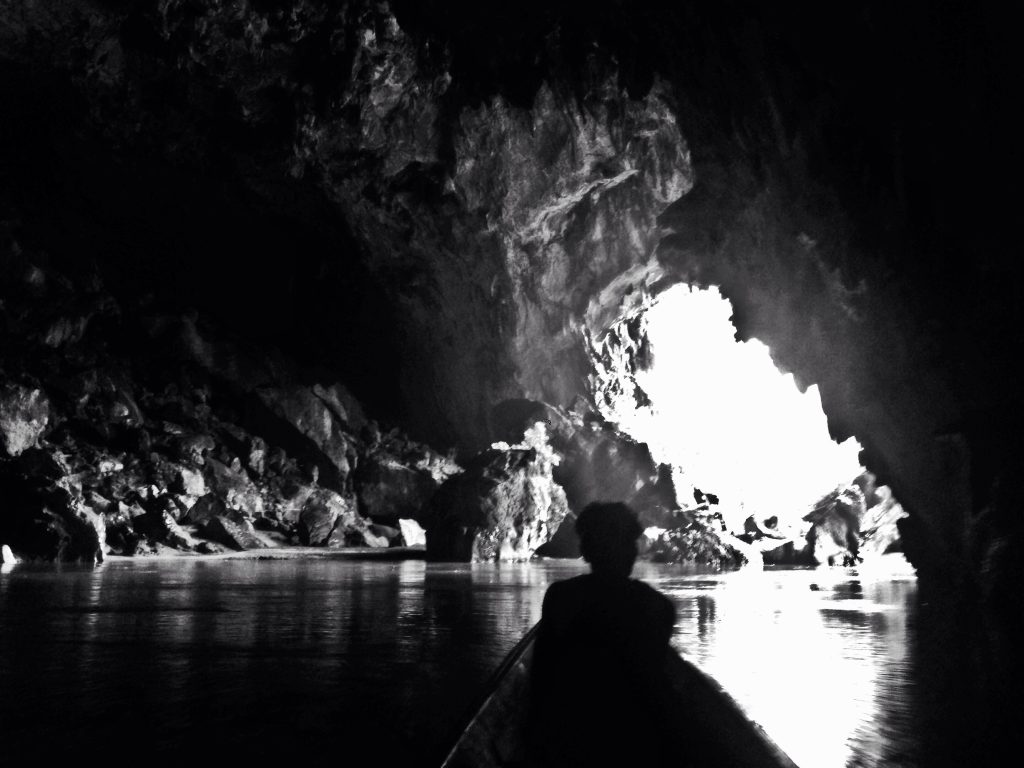
With two local guides, a dugout canoe equipped with a small lawn mower engine and individual headlamps you head into the depths of the mouth of the cave unsure when the next time you’ll see daylight will be. Disoriented from the void of any light, you snake your way through the river, darting your head around catching glimpses of stalactites that adorn the ceiling, occasionally feeling the drips of water hit your shoulder from the waining cave ceiling feeling the weight of the mountain’s pressure. To add to the adventure the boat breaches the shoreline of an underwater beach so that you get out and walk through an array of now spectacularly lit displays of cavernous rock formations. The lights only remain on for the time you’re walking but soon after you’re back in familiar darkness as the boat motors on. Finally you spot the safety of natural light beaming in the distance and you know you’re tour is coming to a close. As you exit the cave you’re left both speechless and ready for more all at the same time.
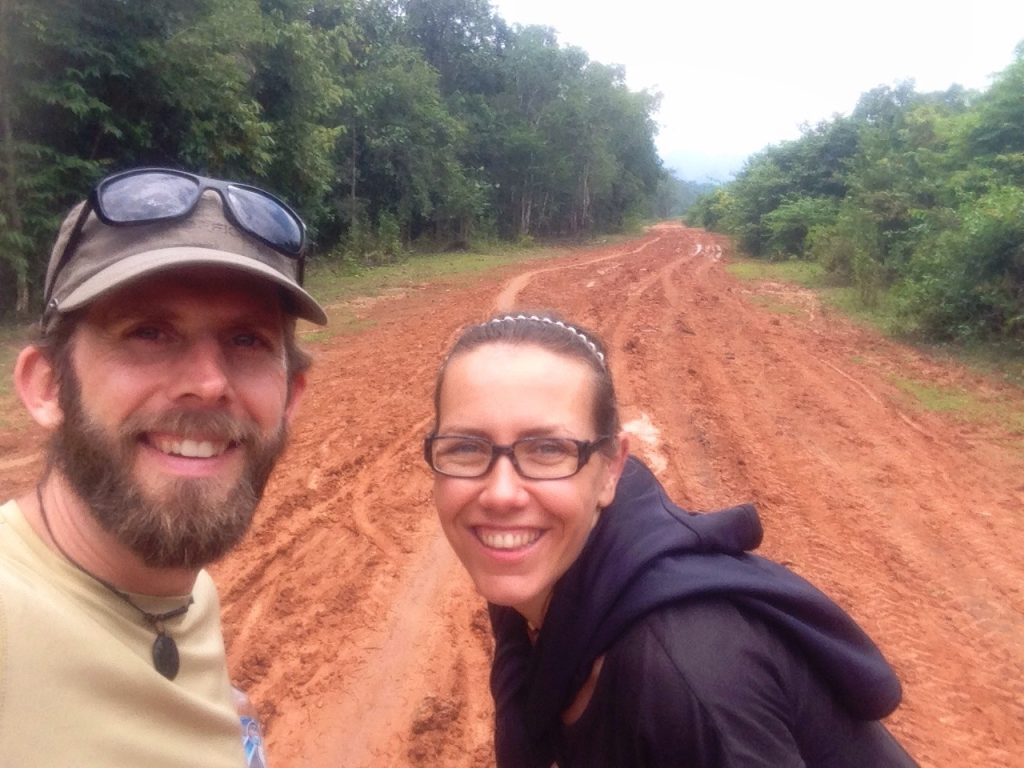
Normally the trip ends there, a ten minute rest, then back through the cave to which you started. Marii having done her research, read that it’s possible to visit the remote village that lies 2km beyond the exit point, to which some adventurers even stay at. After bargaining with the captain, we paid him an extra few kips to hangout as we explored by foot. Truly feeling we were headed where most people don’t get too, we anxiously sloshed our way through the mud to see what lied ahead.
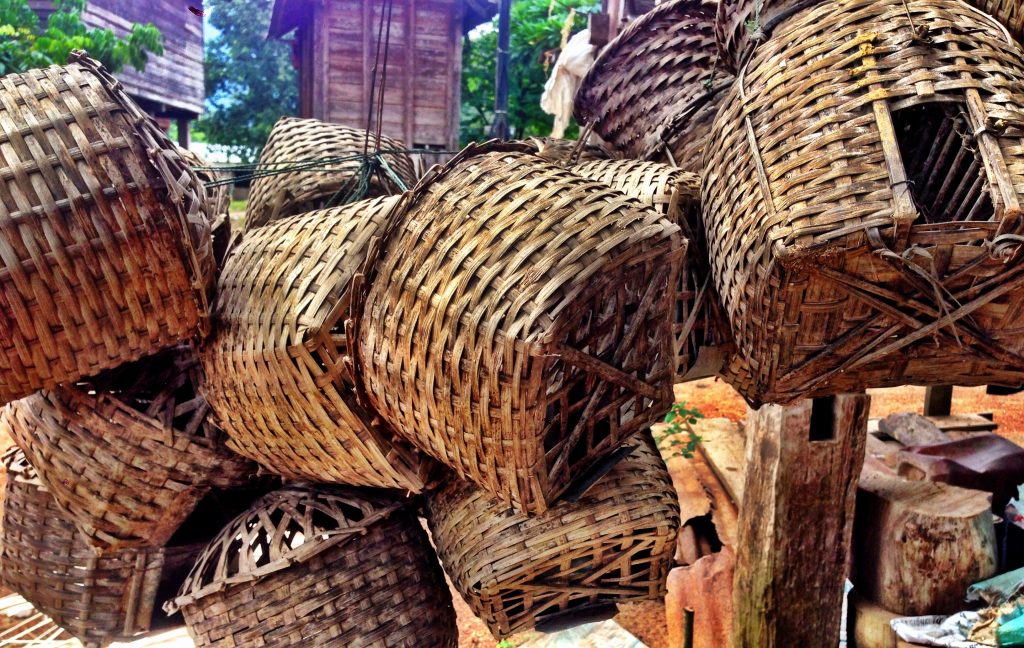
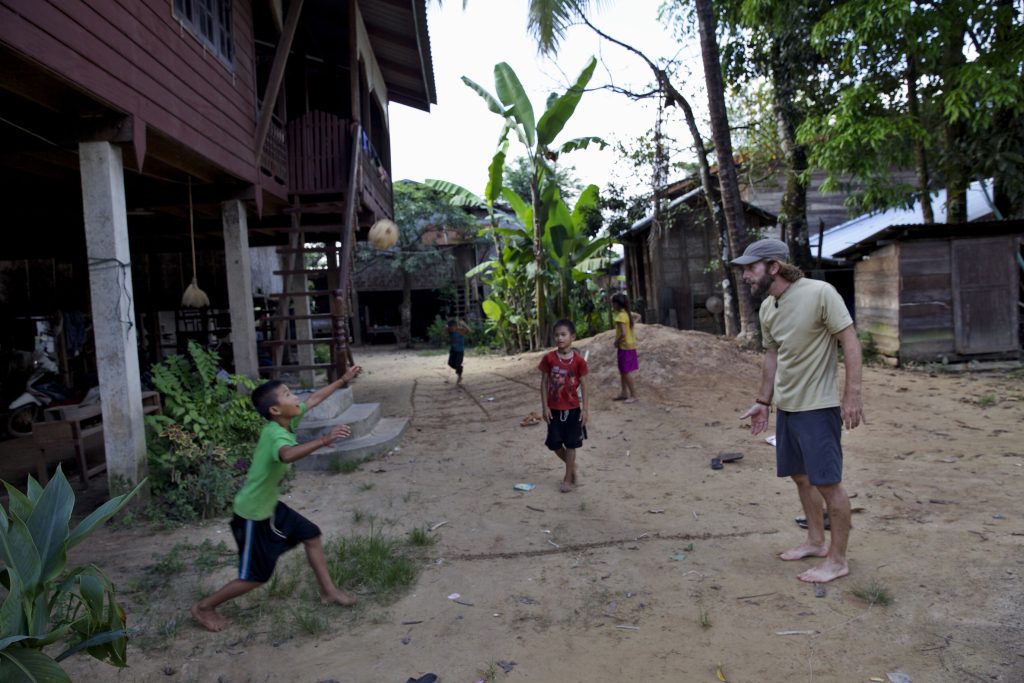
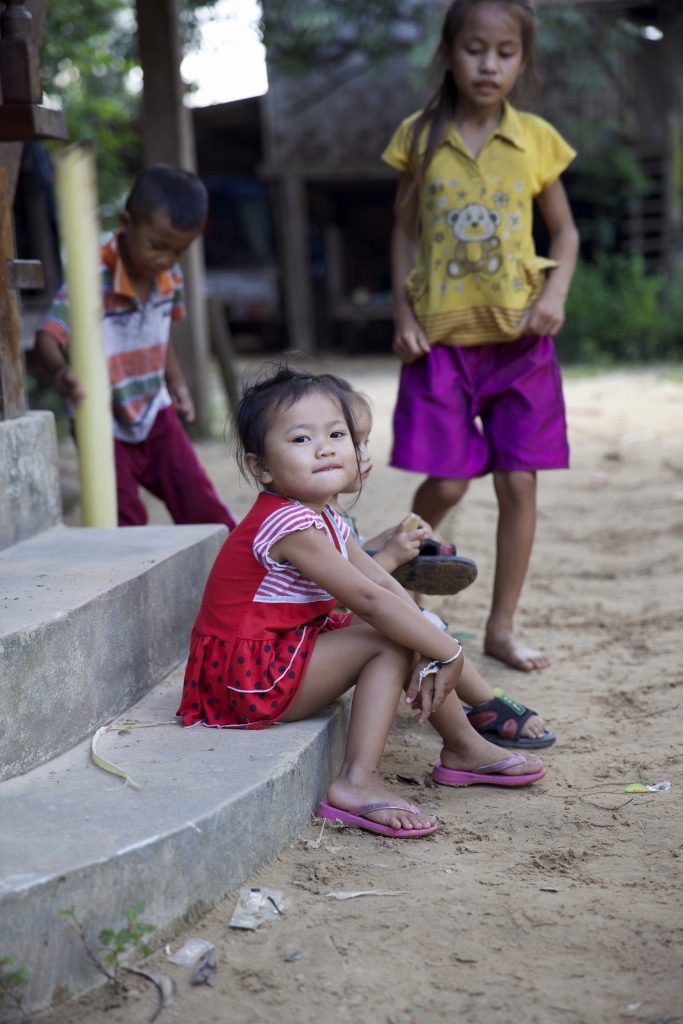
Finding the village was the easy part, learning how to ice break in this new culture proved a bit more difficult. The interesting and rewarding part about visiting a new country is the opportunity to figure it out, whereas in Indonesia we would have been heralded as king and queen walking through a remote village regardless of the language barrier, greeted with smiles and curiosity, here people remained hesitant, passive, yet friendly. This is where learning a few greeting words (pronouncing them correctly) in their native tongue is worth it’s weight in gold. Having many opportunities for some amazing portrait photography chalked up to missed moments because we’re too shy to approach in a way that may offend the new people we’re trying to understand could have all been seized had we spoken a bit of the local language. Nevertheless there are some universal ways of communicated and one of them is sport. Dusting off my volleyball skills I was able to join the high school boys for a quick match which required no words only enjoyable competition.
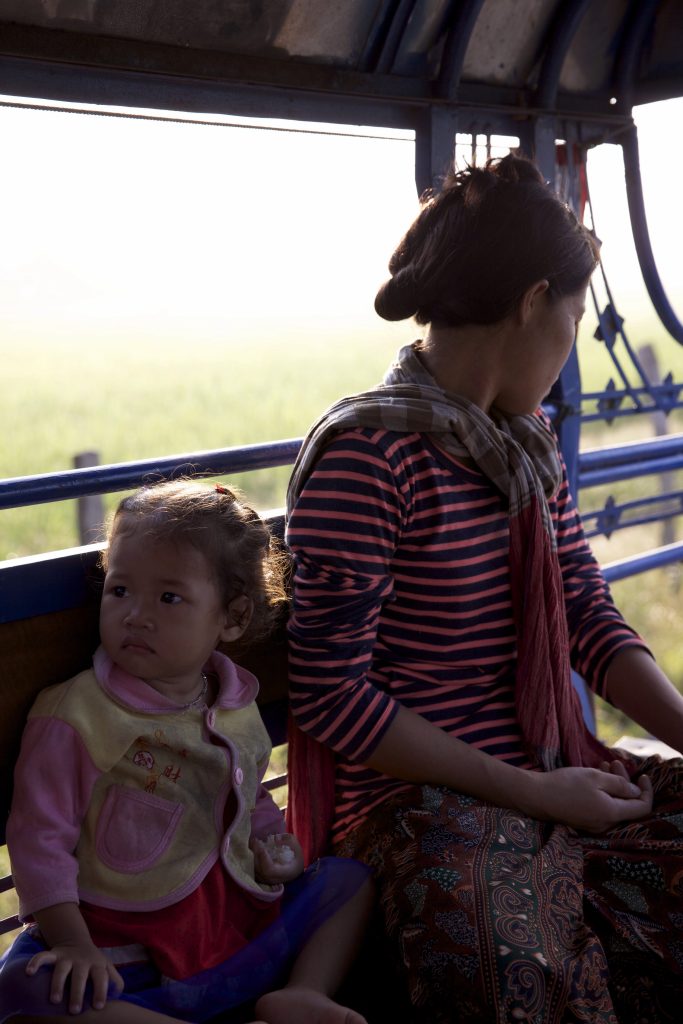
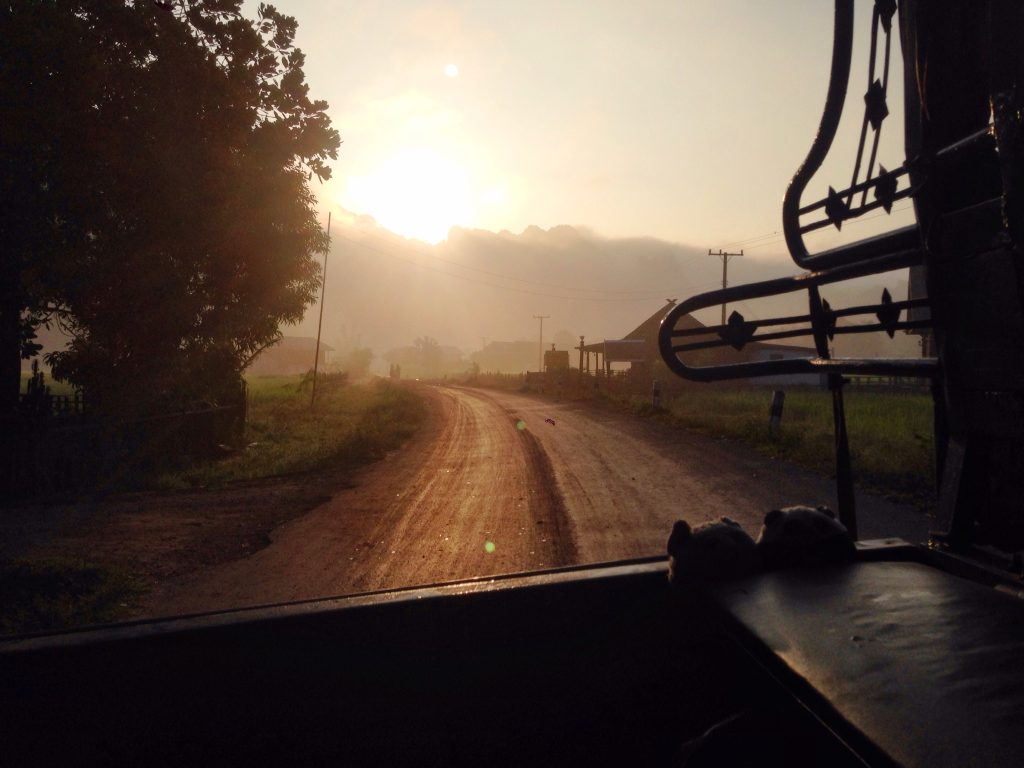
Boarding the local transport a converted pickup truck with seats the next morning we headed to our next destination with more questions then answer from our visit in first stop of Southern Laos. As we passed by the rice fields clouded in early morning fog, watching the farmers pointed rice hats bob up and down in the field as they started their days work, we couldn’t help but be enchanted by this land shrouded in mystery. Beyond the people’s eyes you can see joy, sorrow, pride, all with stories to tell. It’s a photographers dream from capturing those very stories in the Laos faces to the scenic landscapes that require no photoshop. It’s no wonder only 6 days into this new country and we’re already falling in love. We are grateful to have further opportunities to figure out this country, this culture, these people. Truly lovely.