Staying in a Wilpattu National Park Homestay
My toe is throbbing. The pain intense. Somewhere around midnight, just outside Wilpattu National Park, I scrambled through the open-air bathroom, torch in hand, searching for the creature that had set its sights on me. My screams likely woke Marii. Her cries of “What’s wrong?” were lost in the chaos of adrenaline and the involuntary fight-or-flight response. A flick of the wrist, a twist of the body, and flashes of a wriggling foe came into view—ready for a counterattack.
To an outsider, it must have looked like a scene from Aliens: flickering light, shadows dancing, primal screams echoing. Amid the chaos, one question cut through the haze: “Is it dangerous?”
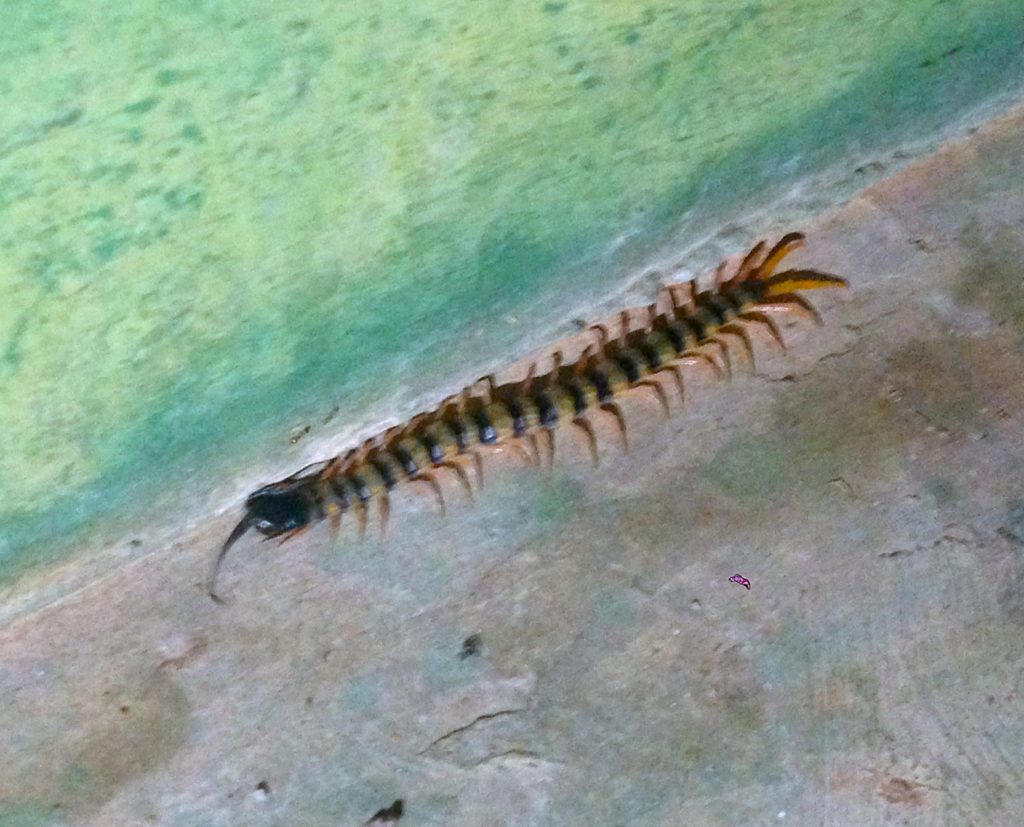
Stratters have a built-in survival instinct: assess exits before engaging. But caught off guard by this guerrilla night ambush, improvisation was my only option. A lunge to the wall cast a prison floodlight on the culprit: a 3–4 inch, red-striped centipede. You bastard. Cornered, it blocked the exit, poised with its arsenal of tiny, terrifying weapons. Relief came in realizing it wasn’t a snake—but only partial relief. Memories of Cambodia’s insect hit list flashed through my mind: could this centipede cause real harm? After debating whether to wake our jungle hosts, we settled on a jungle remedy of freshly cut onion to neutralize any potential poison.
The verdict: just a nip. Not the six-inch giant coconut centipede of nightmare stories, but enough to leave an hour-long reminder of nature’s power.
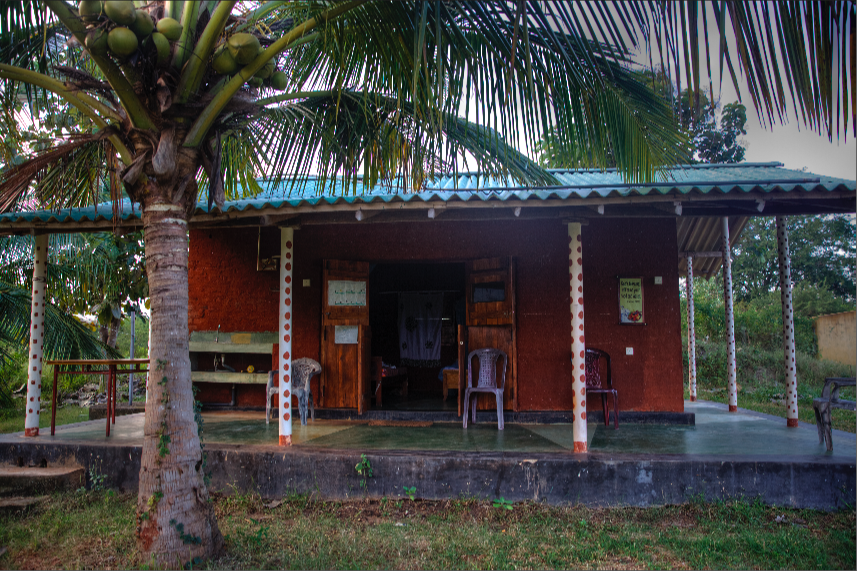
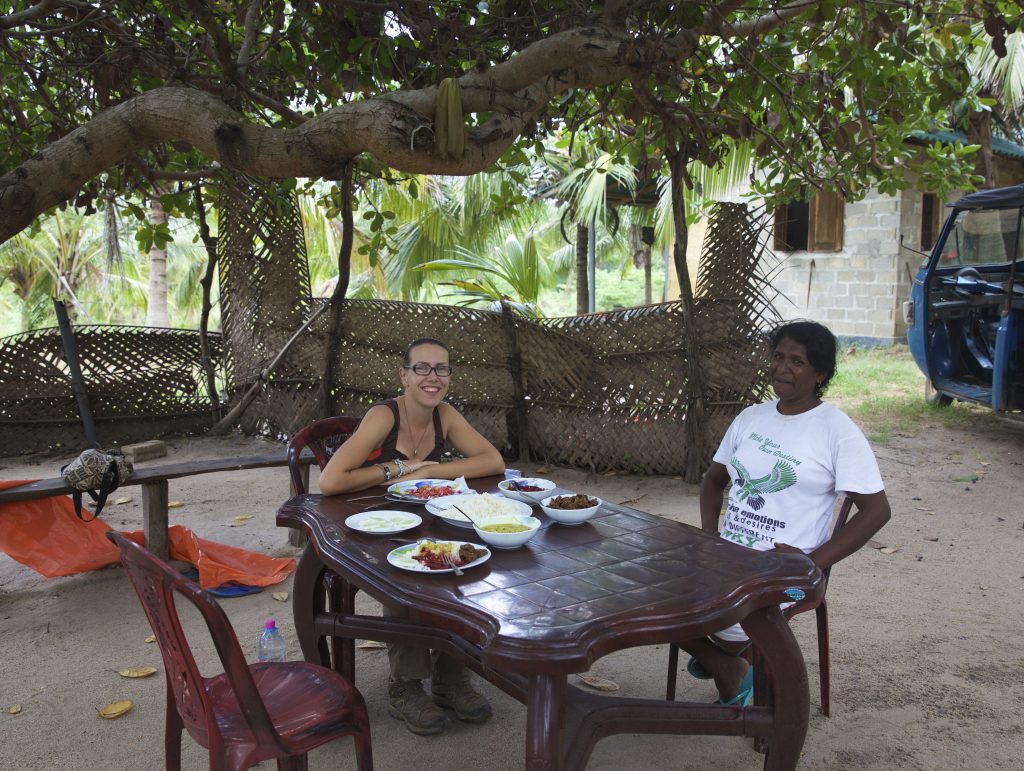
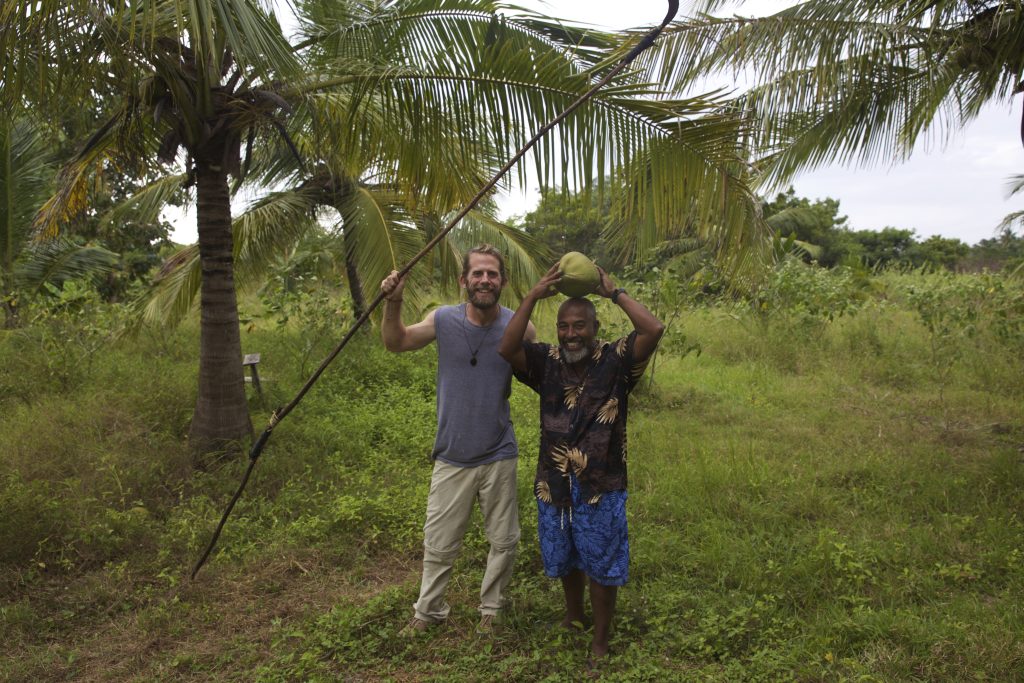
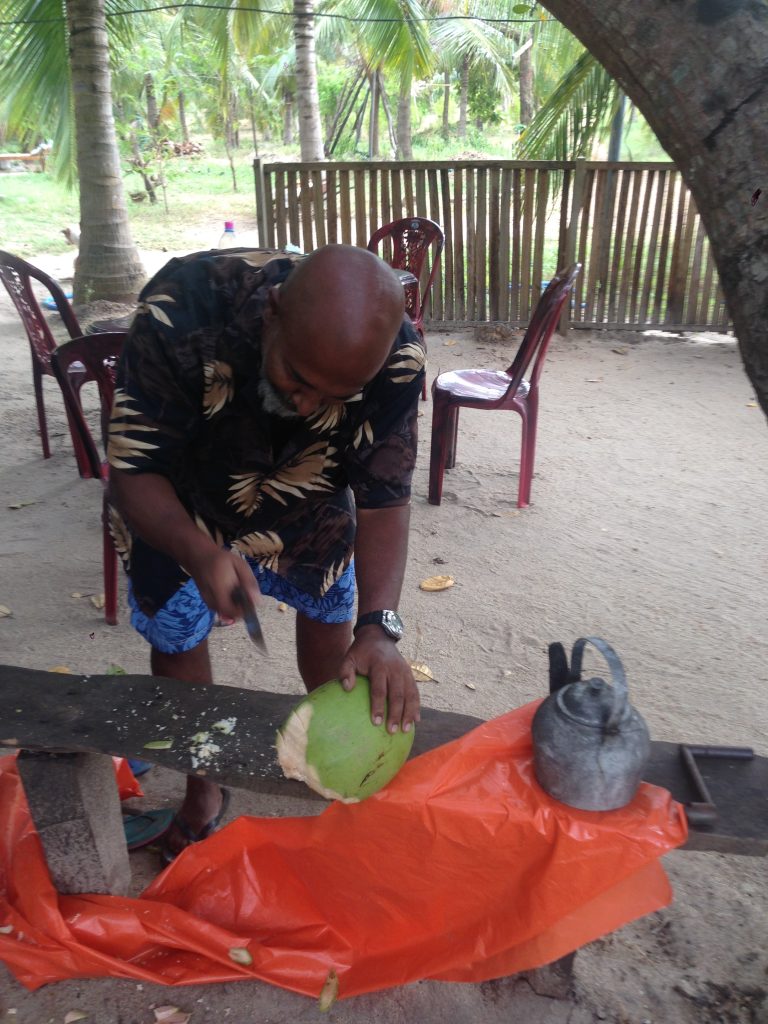
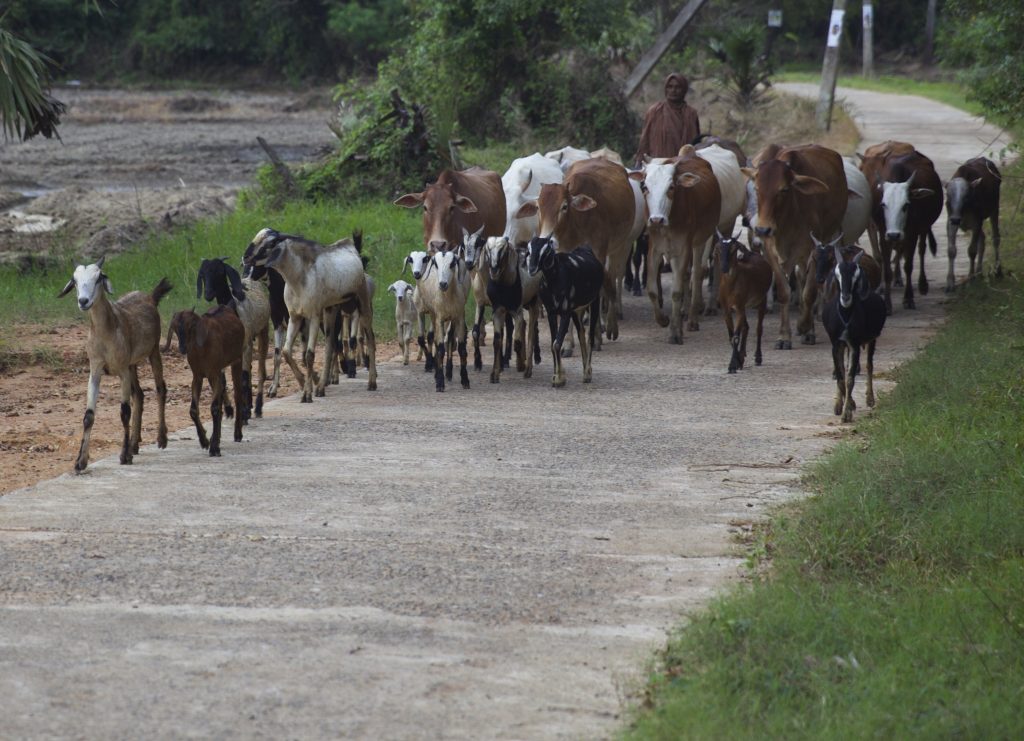
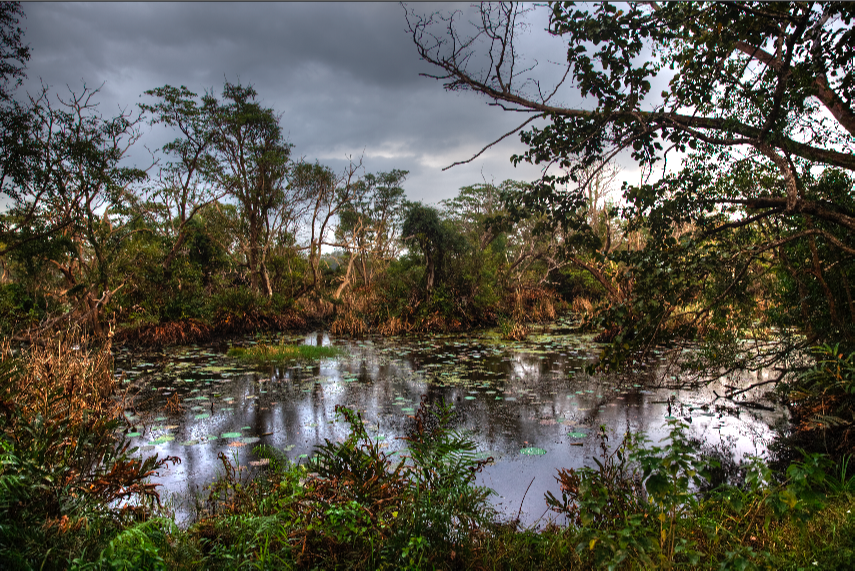
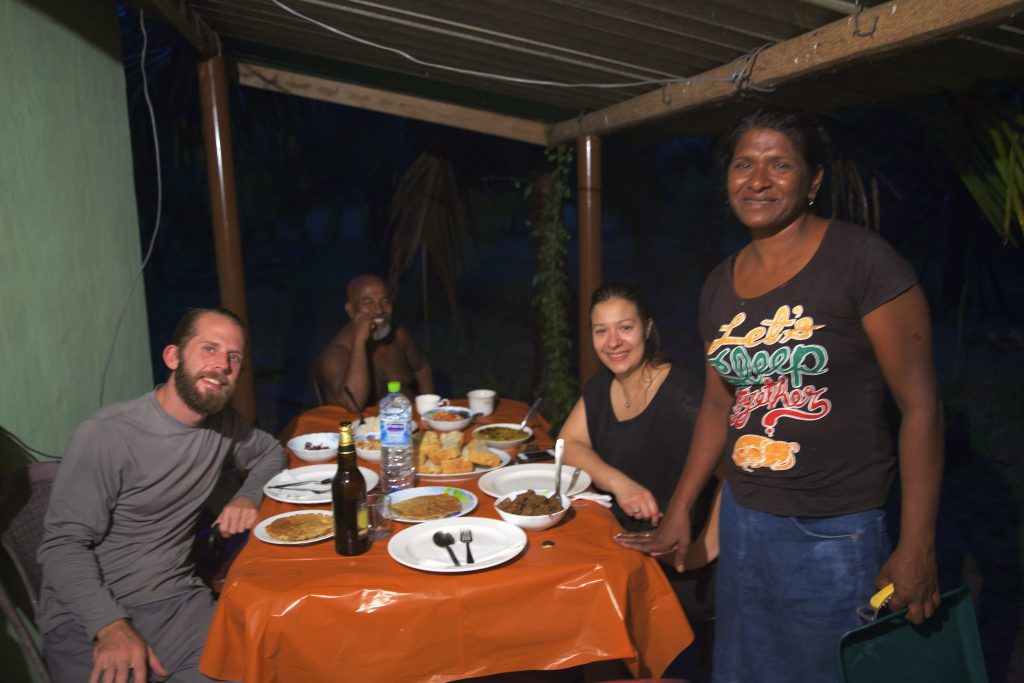
Despite the wild night, we found a peaceful, soulful retreat off the tourist path in Sri Lanka’s northwest. Two rustic cottages on six acres of coconut land, bordering the lesser-visited Wilpattu National Park, welcomed us and our passionate hosts, Sereno and Kumari. Being one of the only lodgings in this small rural town allowed us a true glimpse of Sri Lankan life.
Long conversations over Kumari’s incredible home-cooked meals unraveled the country’s complex past: civil war, tsunami, personal tragedies. For the first time since Colombo, locals shared stories of murdered parents, internal struggles, and the weight of a nation’s history.
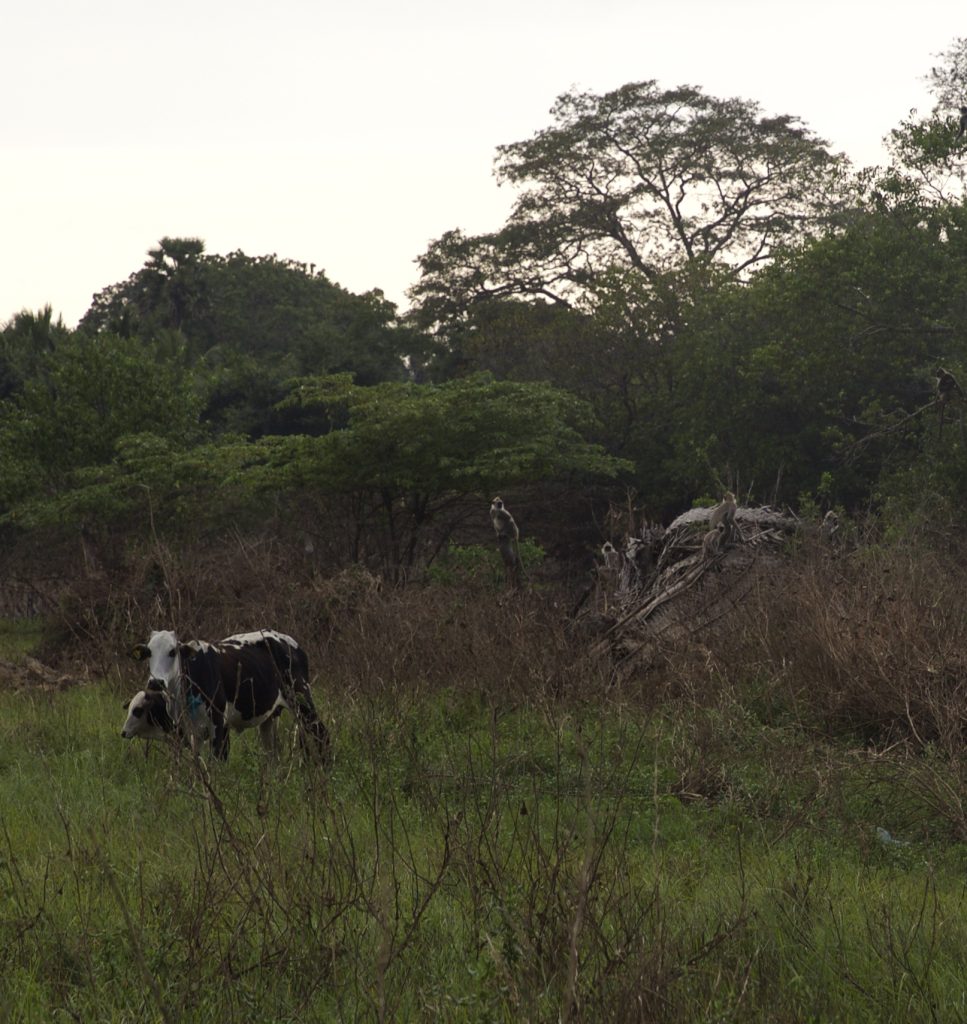
Mind-clearing walks became essential, often leading us straight into the wilderness: wild elephants, flying peacocks, laughing monkeys, and occasionally the elusive Sri Lankan leopard. Ten days in, we’d finally moved past tourist attractions and into the rhythm of the island, fully immersed in its life.
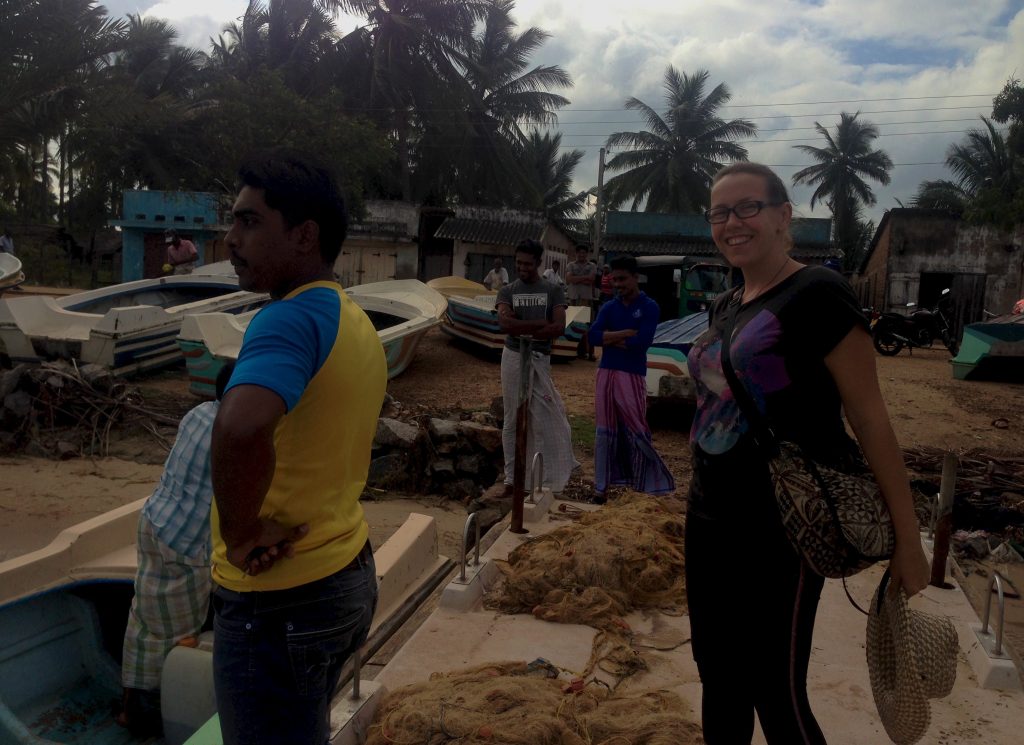
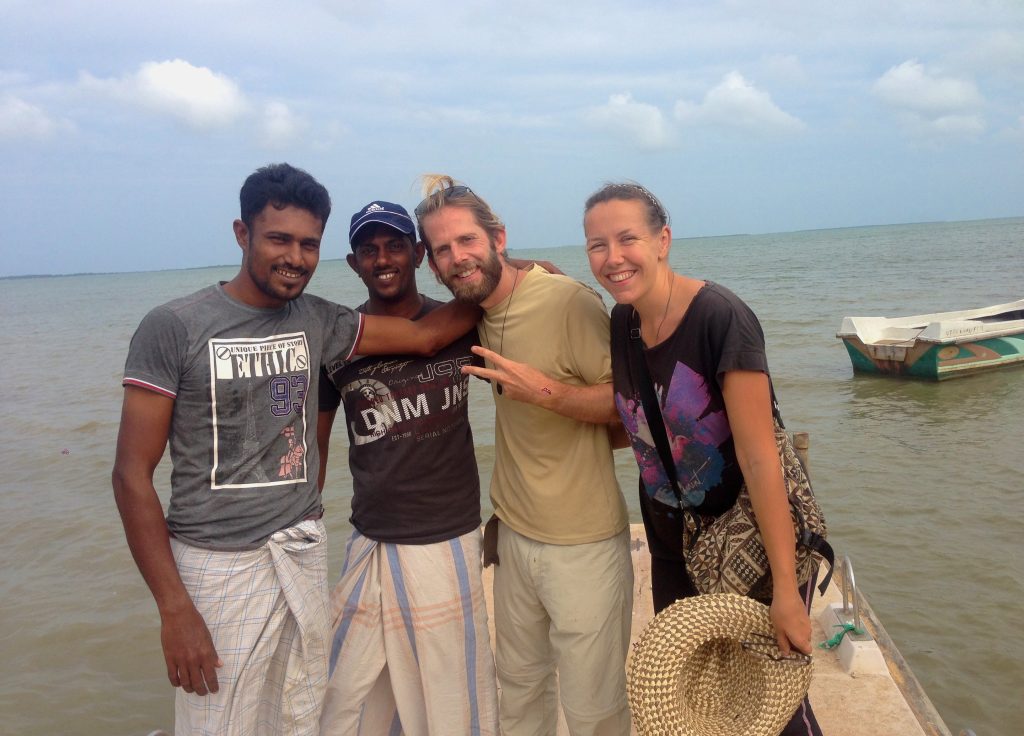
In the next few days, we planned a short tuk-tuk ride to a local fishing port with no tourists, followed by a boat ride to Kalpitiya—a kite-surfing paradise—to see if we could enrich our minds even further before leaving this transformative corner of the world.
How to freak out a mother!