Saigon Street Food Experience: Eating Our Way Into Old Saigon
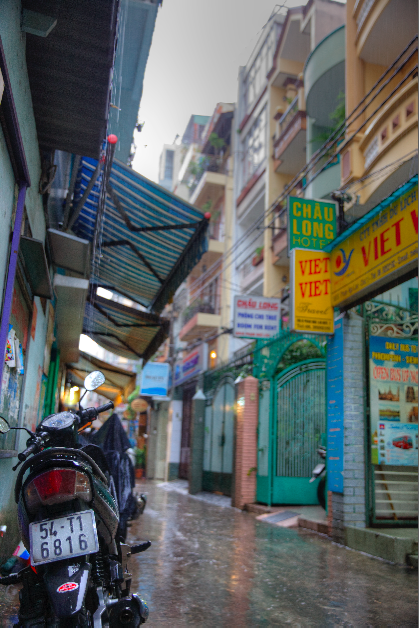
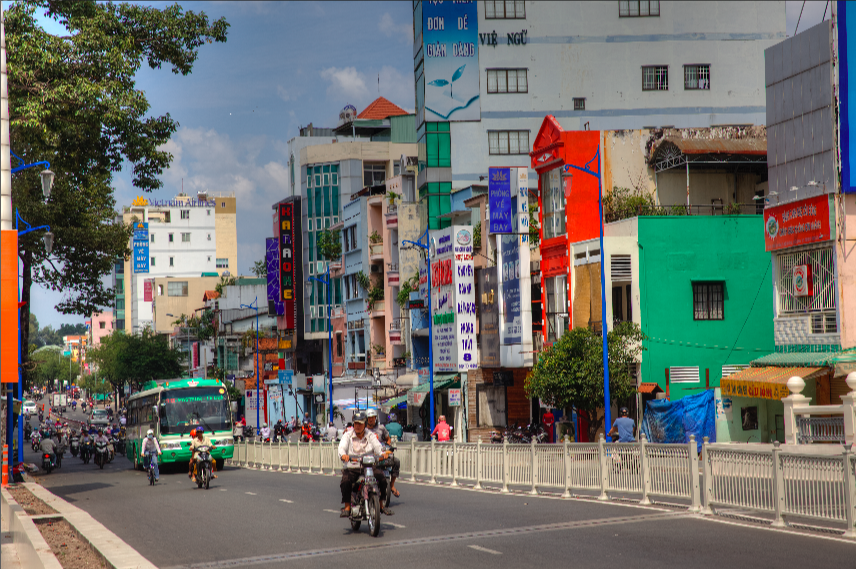
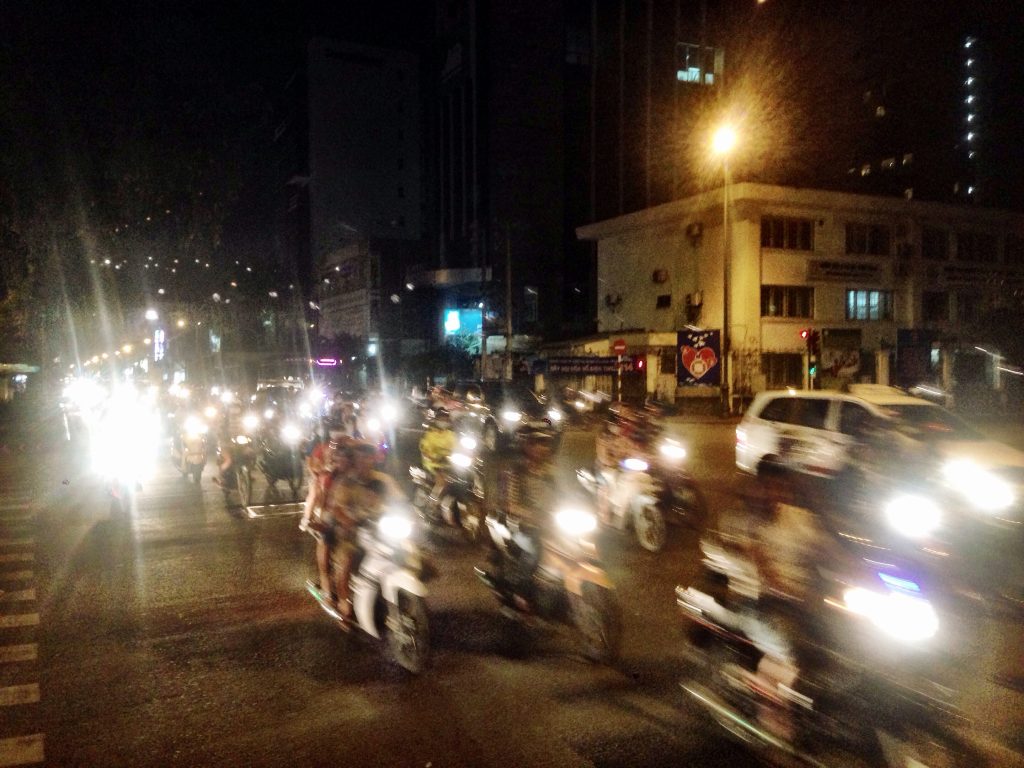
Entering Saigon is like being thrust into a gigantic game of Frogger—except you don’t get three lives. Each time you place a foot on the ground, you take your life into your own hands as a dizzying army of motorbikes swarms the streets like ants on a forest floor. At first glance it looks chaotic and random, but on closer inspection it’s an unspoken dance—no two ants colliding, somehow forming a perfectly functional transportation system.
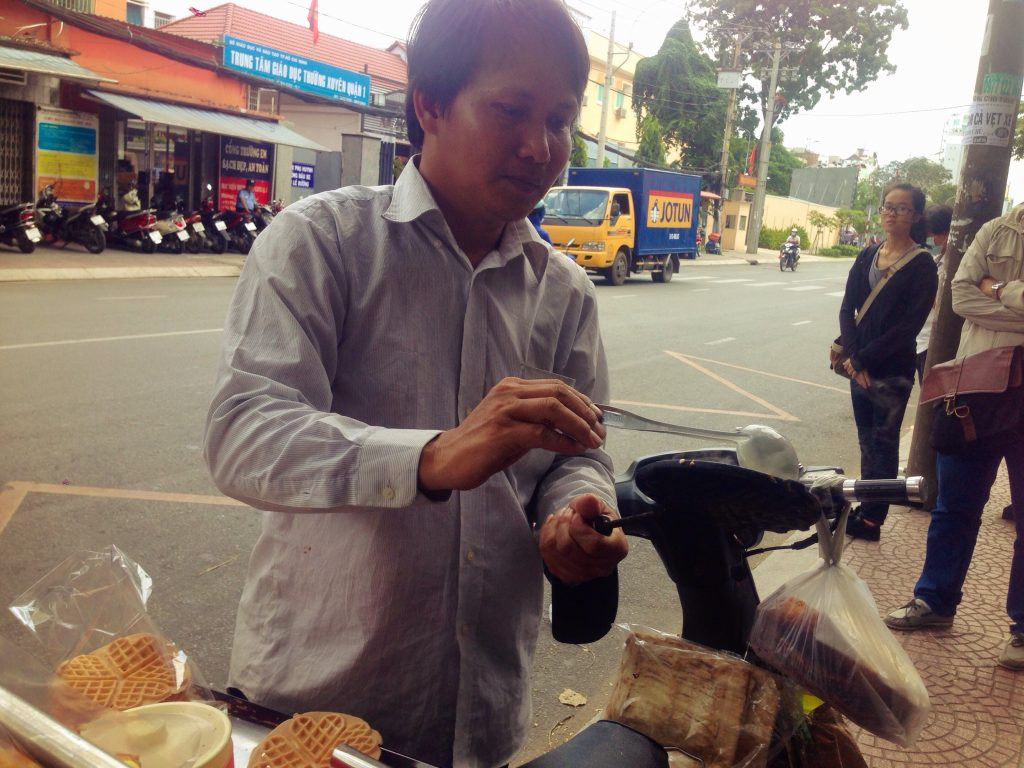
After surviving Saigon’s version of Excite Bike, you might start wondering: what happened to Old Saigon? You’ll be told, “Progress.” Apparently those days are gone. One of the fastest-changing cities in Vietnam now boasts a skyline of skyscrapers, a high-end business and fashion district, and modern trendy cafés—leaving almost nothing separating it from any other global urban center. You’ll be hard-pressed to find Old Saigon at first glance, but much like lifting a bride’s veil, a little inspection goes a long way. What still remains are old women sitting street-side, metal cauldrons beside them, brewing the day’s mixture of spices, vegetables, and protein—guarding family recipes they only know by heart. Familiar too are the smells: fragrant aromas fanned into the air, luring you into a world of the past through the portal of your nose. Behind the high-end cars and newfound wealth, you can still spot the common man slurping handmade noodles on a red plastic chair, watching the world around him change—though through his eyes, it might look different still.
This is the world we set out to discover during our stay in Saigon. The only way we’d even get close to understanding it was through its cuisine. Armed with a checklist of must-eats and a few addresses, we set off on a journey that would hopefully bring us closer to grasping just how much change this city has seen over the years.
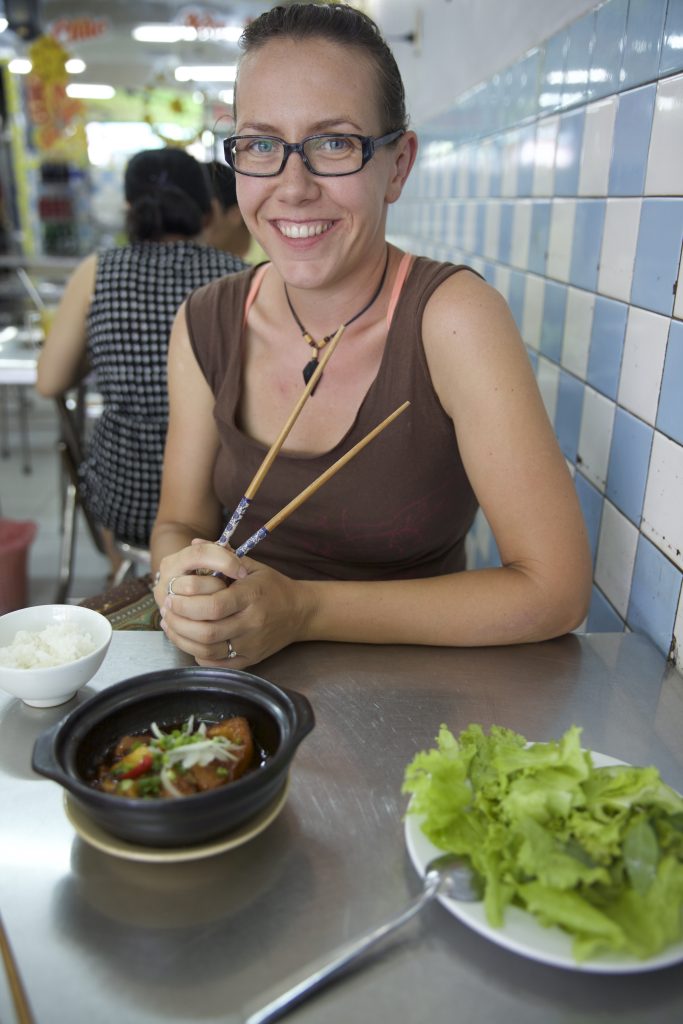
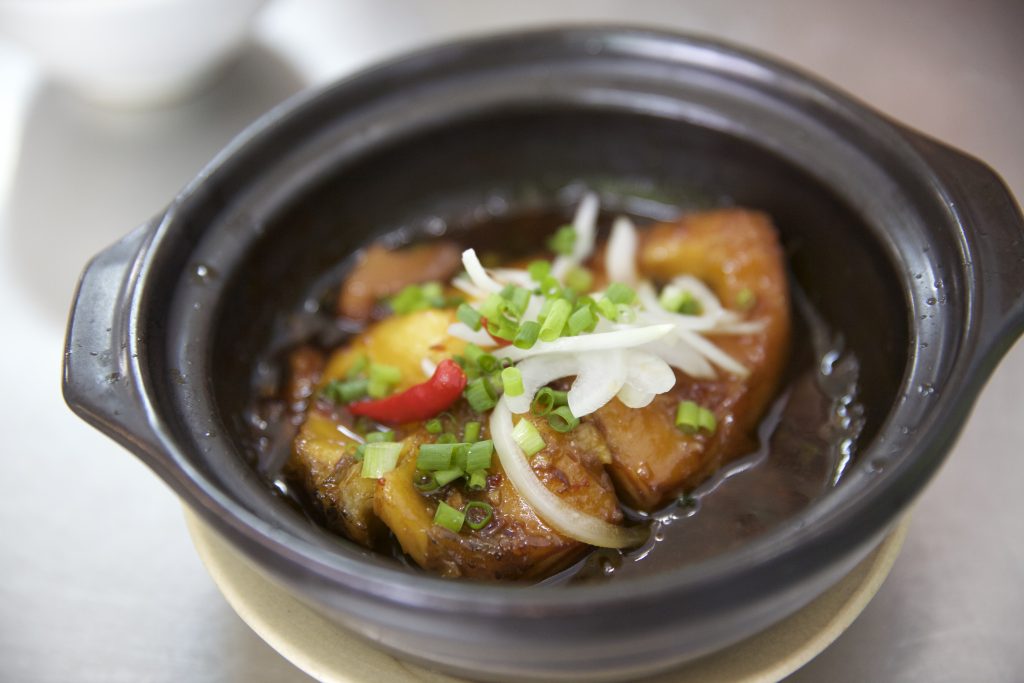
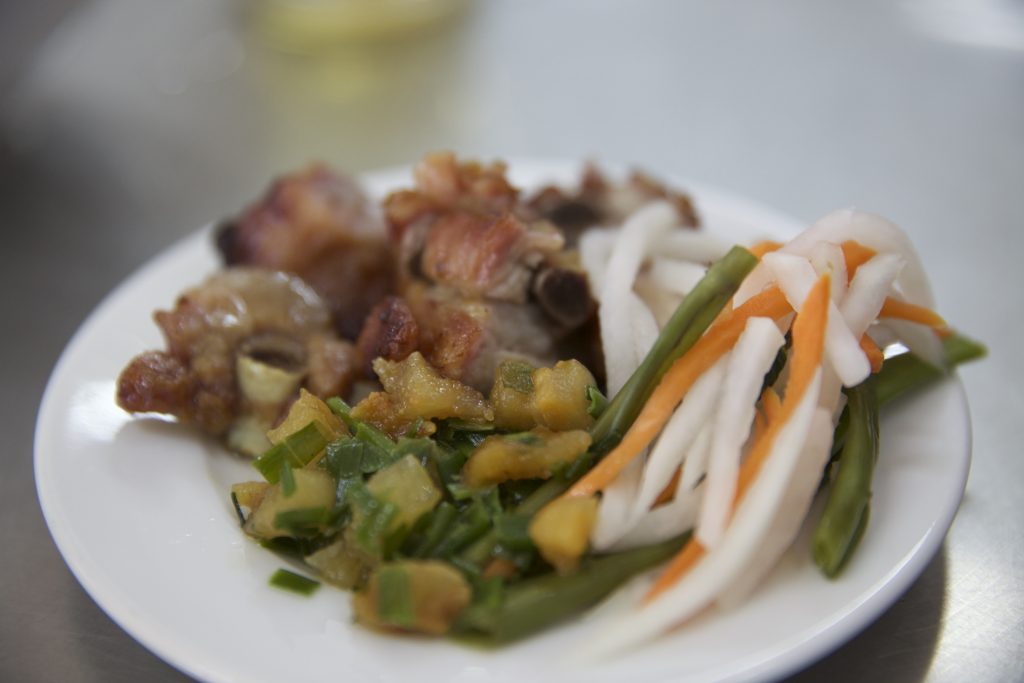
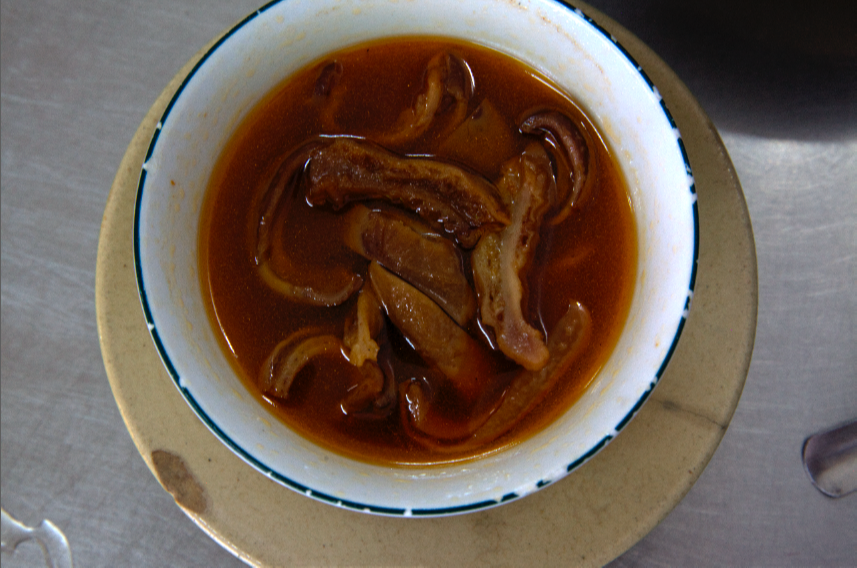
Our first stop was five kilometers outside the main tourist area (anytime you leave the tourist zone is a good start). Was a $5 taxi ride really going to be worth the lunch spot I had tracked down? Approaching an unassuming local café with a few dishes scribbled in Vietnamese, we pointed, ate, and enjoyed. First: caramelized fish steak—tender, sweet, cooked to perfection. Next: a fatty, salty, meaty pork rib. How could you go wrong? Last: pork stomach, stewed in juices that would make anyone smile after a sip. Amazingly good. Amazingly cheap. It wasn’t even noon, and I was already starting to understand the secrets this city had held for so many years.
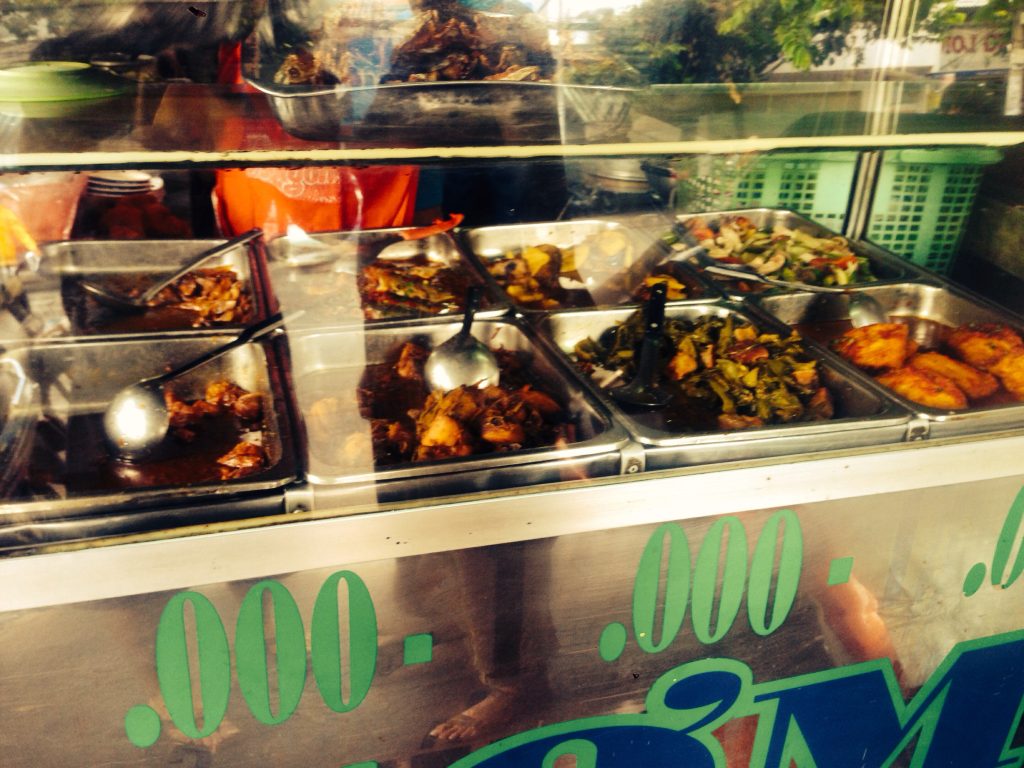
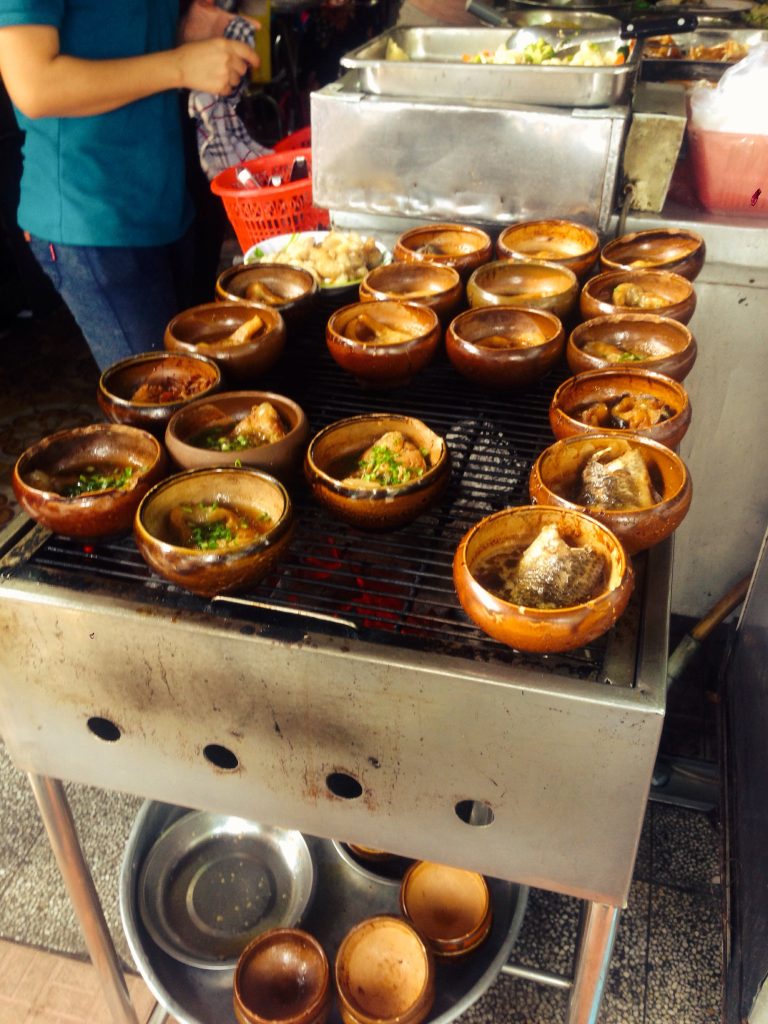
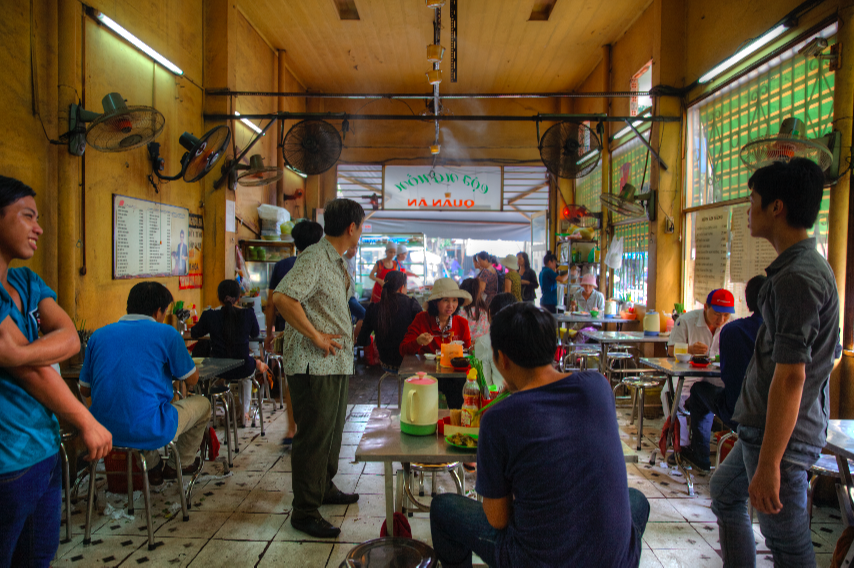
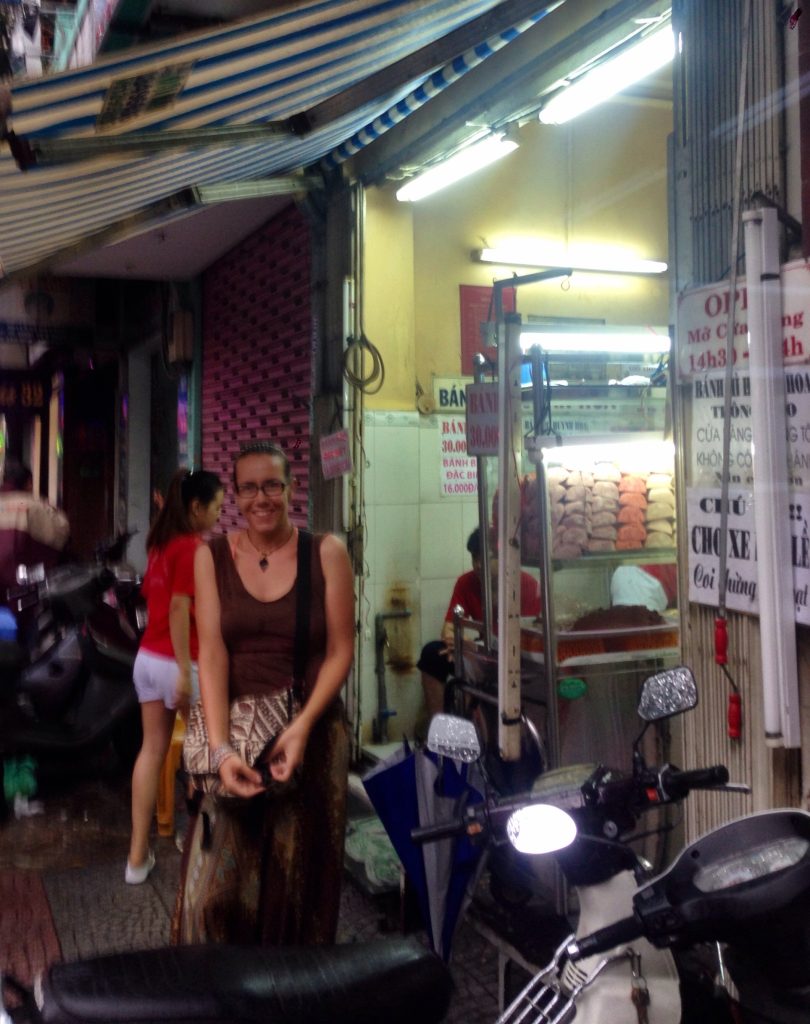
We couldn’t walk more than 50 meters before we were pulled in by the sounds of a bustling local watering hole. A line spilled out of the café. A familiar glass case held the day’s offerings. Small clay pots housed mysterious selections. Signs were only in Vietnamese, and two older “lunch ladies” gave us a wink and a nod of approval to make our choices and enter their dojo. I was in.
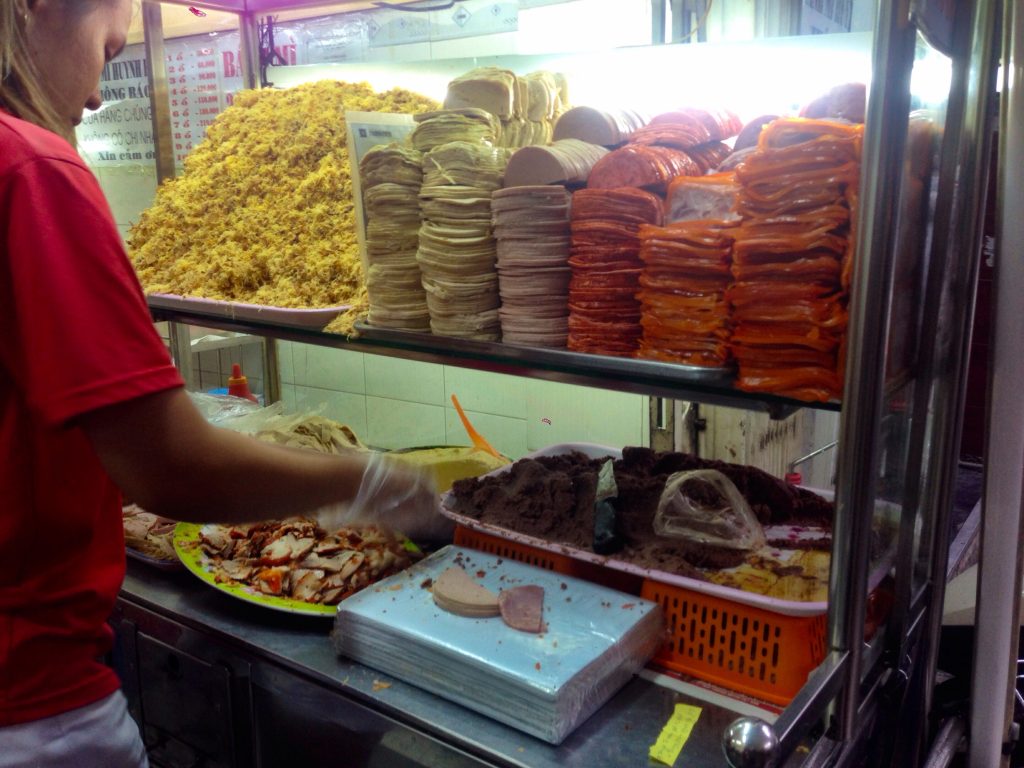
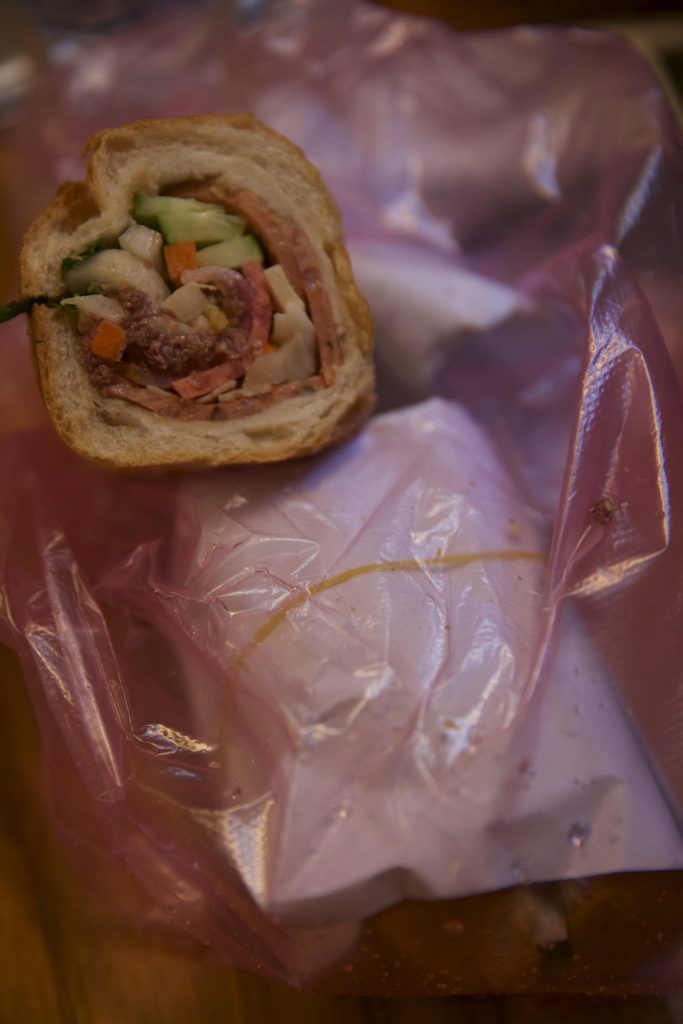
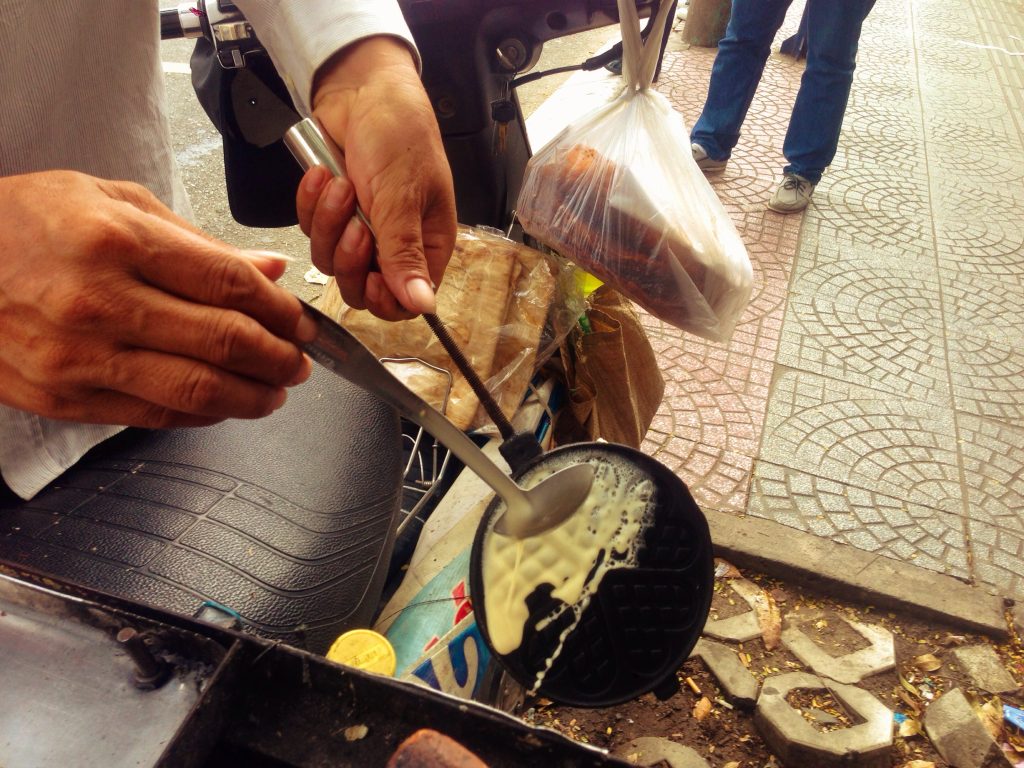
Finding how locals eat is the most direct way to experience any culture in a short amount of time. Unfortunately, our stomachs had reached capacity, so for now our eyes had to stay focused on the road ahead instead of being tempted by every stall along the way. We did manage to sneak in a bánh mì sandwich, stuffed with all its mystery-meat goodness, for a late snack before meeting up with some local Couchsurfers for a dinner that promised to be memorable.
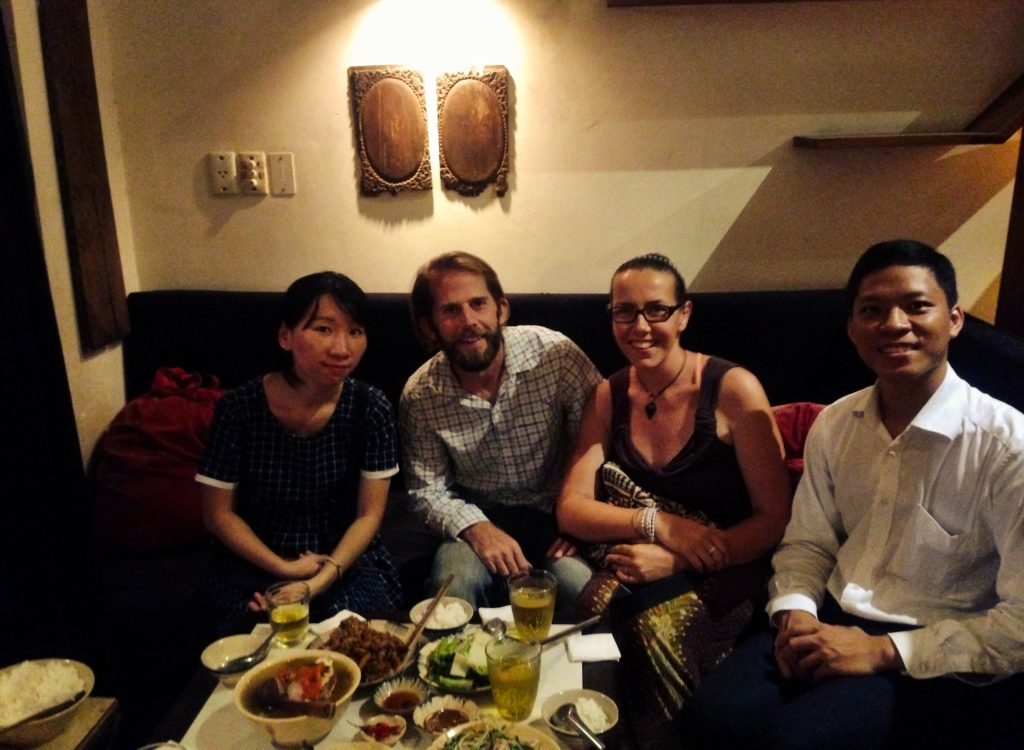
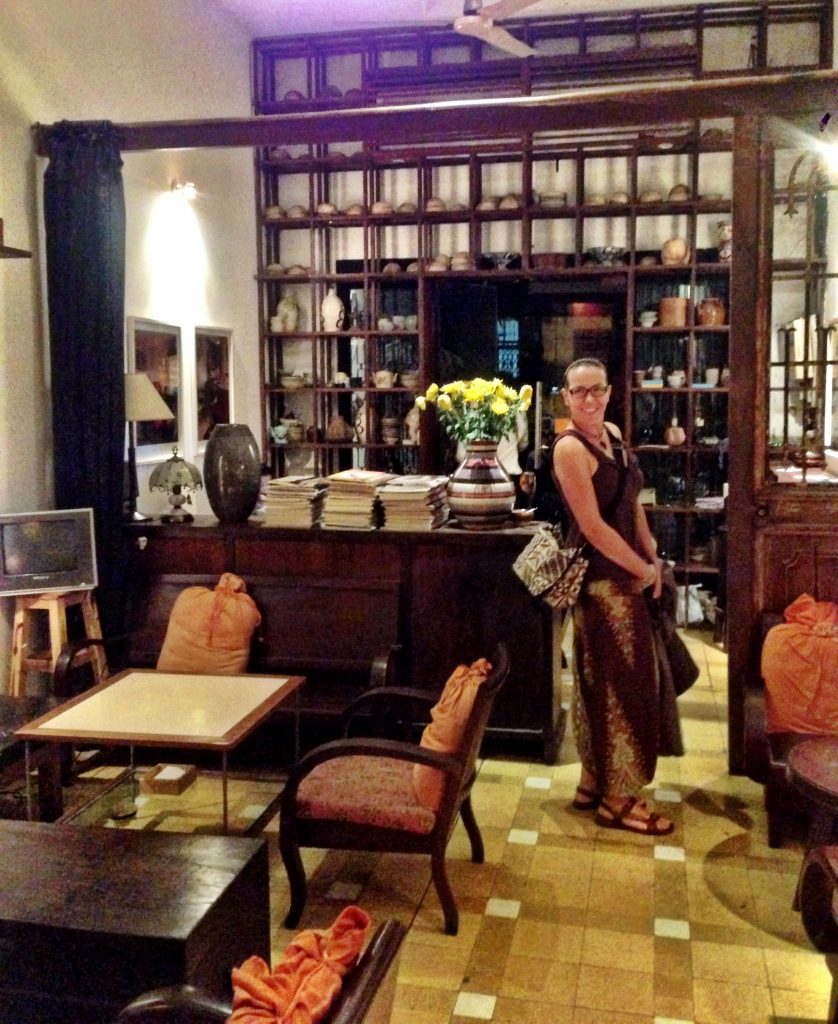
Dinner was the culmination of a day-long history lesson taught to our tongues. A local recommendation—how could we say no? Another taxi ride, another attempt at avoiding the rain, led us into a dark alley three kilometers from the tourist zone and into an unassuming building. It was here we met Phuong and Dzung, who opted to share the meal with us and explain a little more about Saigon, Vietnam, and life in general. The restaurant’s concept brilliantly melded old and new. Behind fancy doors that felt like a modern-day Los Angeles bistro was a converted family home serving dishes from the past. You didn’t get a menu. What came out was what you ate. Two proteins, an assortment of vegetables, and a constantly changing lineup that told a different story of Vietnamese culture every night.
It was there that we put the final touches on our own Saigon story, bridging the gaps between modern and old, past and present—where breakfast and lunch couldn’t. Leaving this city, I couldn’t help but feel there was still more to uncover. It’s a livable city and a fast-growing one, and before you blink, I’m sure it will have changed again. From traffic art Jackson Pollock would approve of to the sights and sounds of people constantly eating and watching life from their street-side seats, there’s still a bit of Old Saigon left. You just have to be willing to look for it.
How can i leave a comment under a photo??
Anyway, your pictures made me google vietnamese restaurants in Tallinn. Not that i would expect to get anything as fresh or authentic as you are having, but just got very bored of eating potatoes:-)
Not sure if you receive comments when I comment back to you, but you just click on the photo, it should open a new window with a comment box under the photo. There is also an icon to the left that says comment. Did you find anything in your Tallinn google search? Just curious. If not we can try and find together when we get back to Estonia!
Dont see any comment boxes in Iphone. .. Should try bigger screens i guess.
I did find a restaurant! You never guess what its called- SAIGON
How did my potato chip, cheese, pop tart kid turn into a foodie? Definitely not genetic. Pig stomach…really!