What a Nam Ha National Park Jungle Trek Really Teaches You
Remember that time we ate wild “green peas” and thought we were going to die? Yeah — that was this time.
Somewhere deep in the Luang Namtha EPA, abandoning my traditional motto of “Safety First,” I decided it would be a great idea to pick some innocent-looking green peas in a pod along the trail and offer them to Marii. Mind you, I don’t even eat what the guide says is okay to eat — so what in God’s name possessed us to dine on this little nature-born hell snack, I’m not quite sure.
On the first bite, you’d swear it was exactly as advertised: a green pea. But Marii discovered first that it left a truly awful aftertaste.
“Maybe we shouldn’t have eaten these,” she said.
“Thwatat,” I replied, spitting out the second pea I’d been chewing.
“How many did you eat?” she asked.
“One and a half… you?”
“Eight?!”
Cue panic.
Our throats tightening, we ran to our local guide, handed him the pod, and asked, “Okay to eat, right?” He simply shook his head: “No,” adding something in broken English about if you’re still around in an hour, you’re fine.
Uh oh.
Do we vomit? Where’s the ER? We’re in the middle of a two-day jungle trek, and the brain trust decided to go full Les Stroud on this trip to showcase our wilderness prowess. Brilliant, Stratter. Brilliant.
After some serious worry, we found our more experienced English-speaking guide.
“No problem,” he said. “Just itchy throat.”
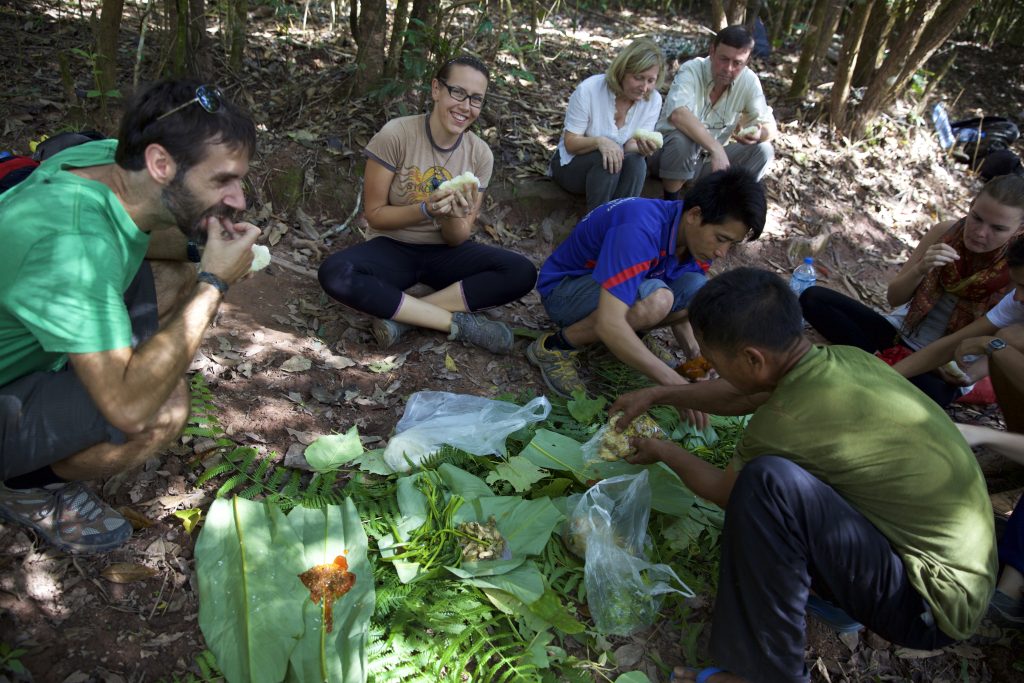
Well, his idea of an itchy throat and our idea of our windpipes collapsing were probably two very different things. But after lunch and plenty of water flushings, we were definitely feeling better.
Moral of the story?
“Don’t go chasing waterfalls.”
Wait — that’s TLC.
Oh right: Safety First.
Else you’ll end up like Christopher McCandless.
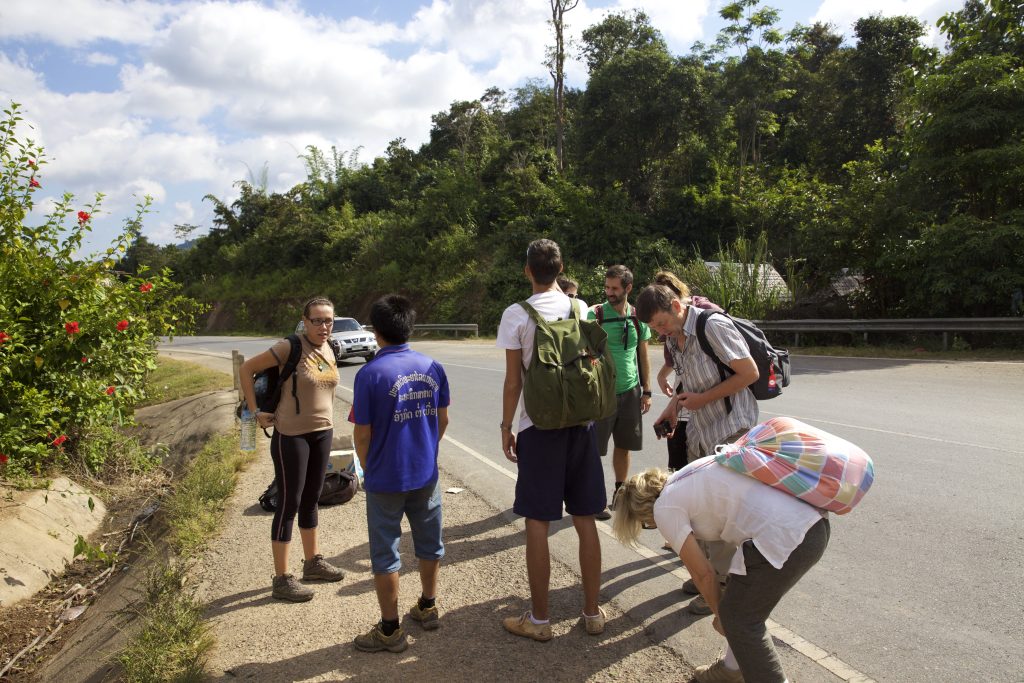
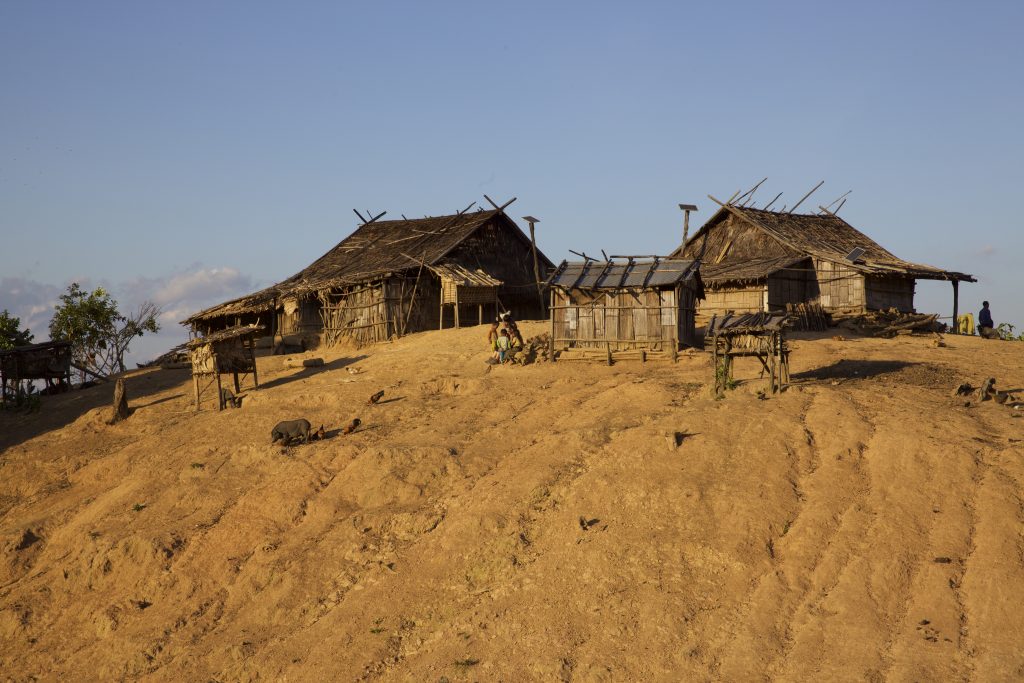
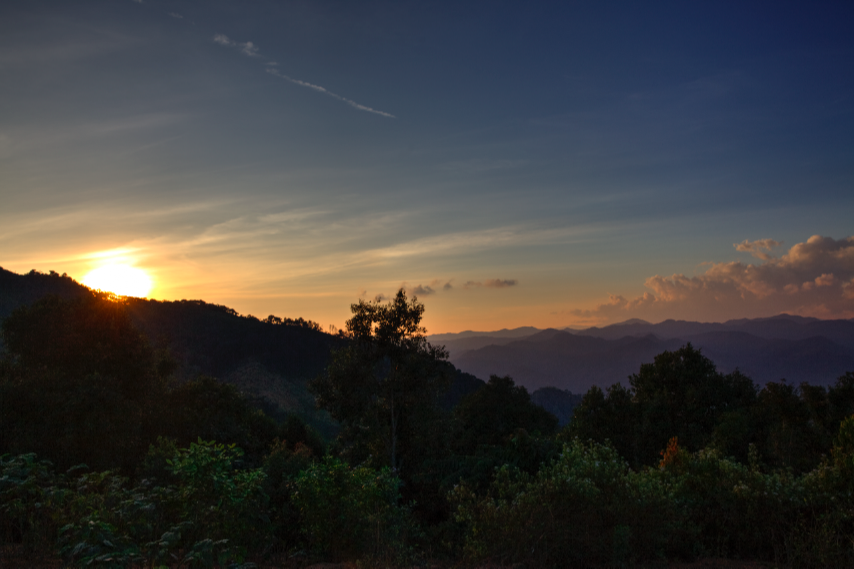
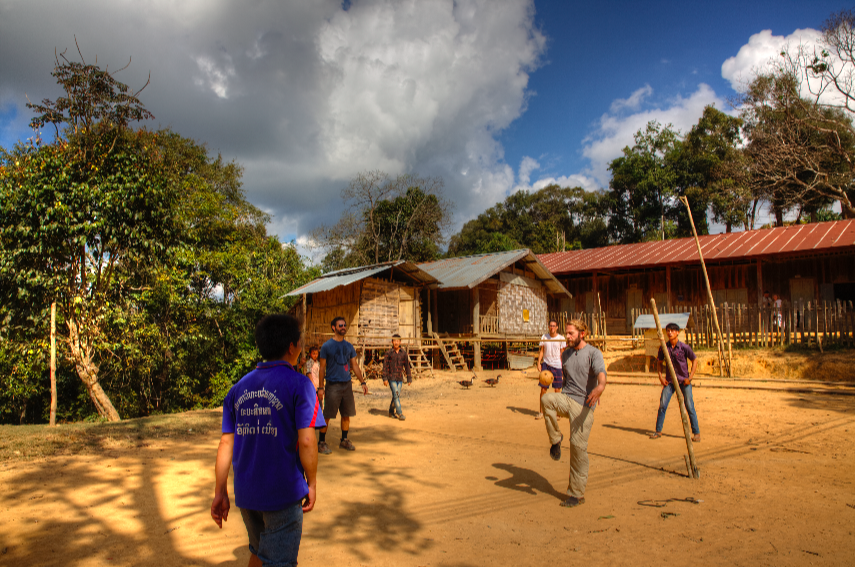
So where did this whole adventure unfold? In northern Laos near the Myanmar–Thai border, inside Nam Ha National Protected Area. Our goal was to squeeze in one more trek, one more cultural experience, one more attempt at understanding this endlessly intriguing country.
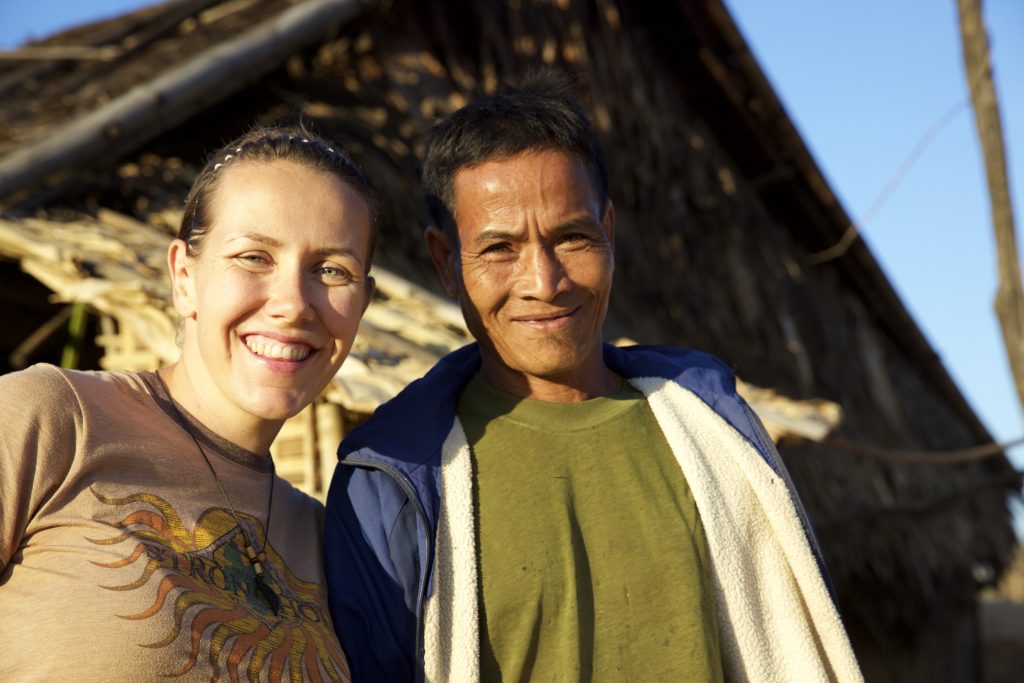
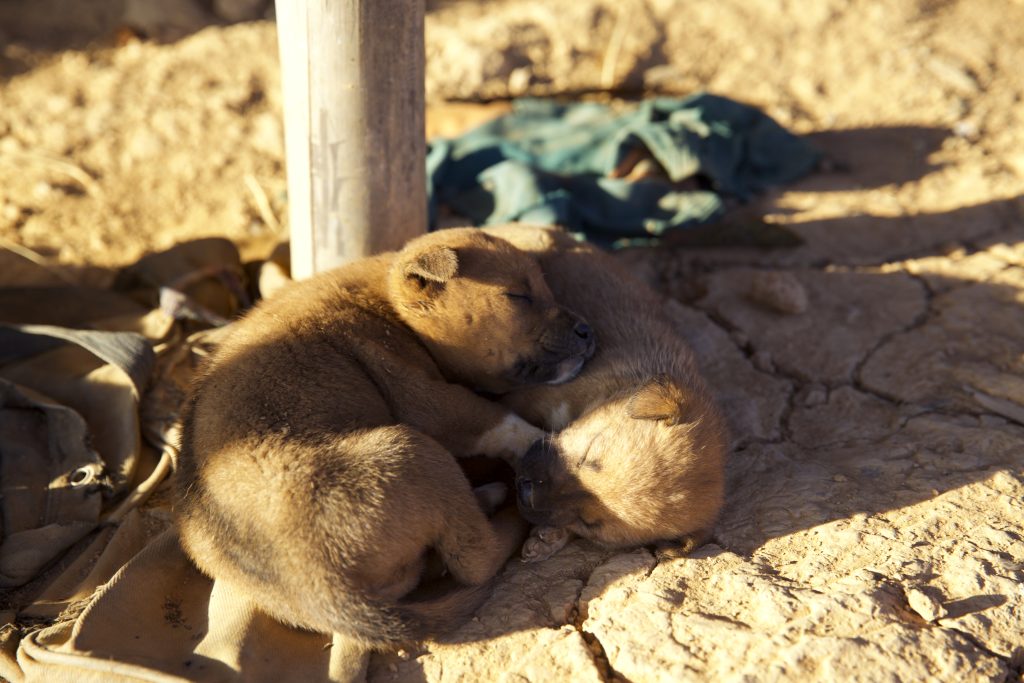
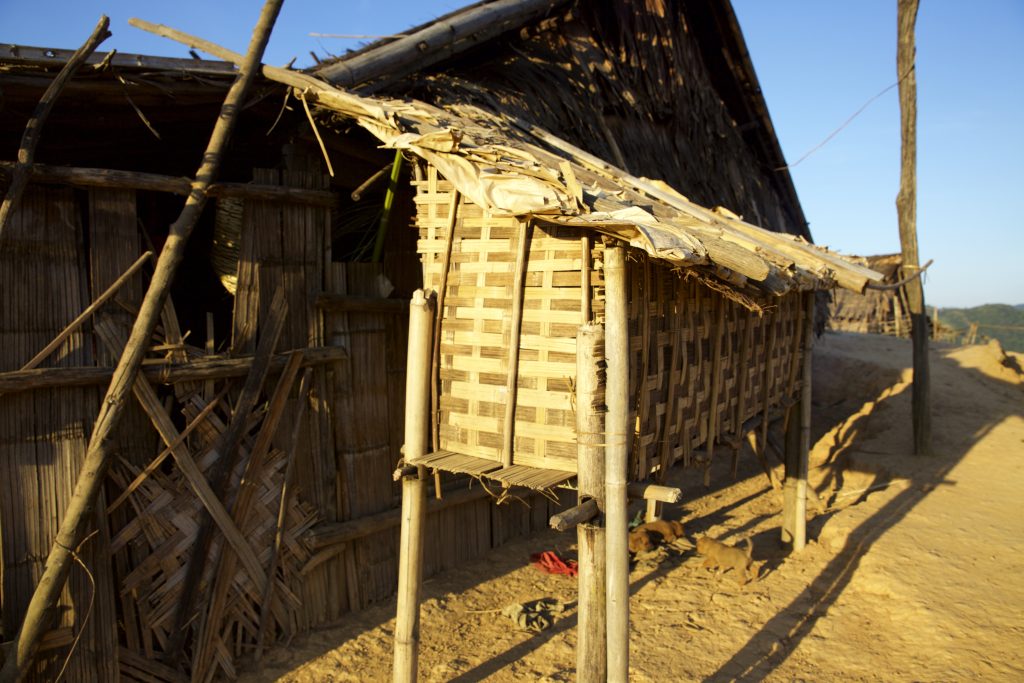
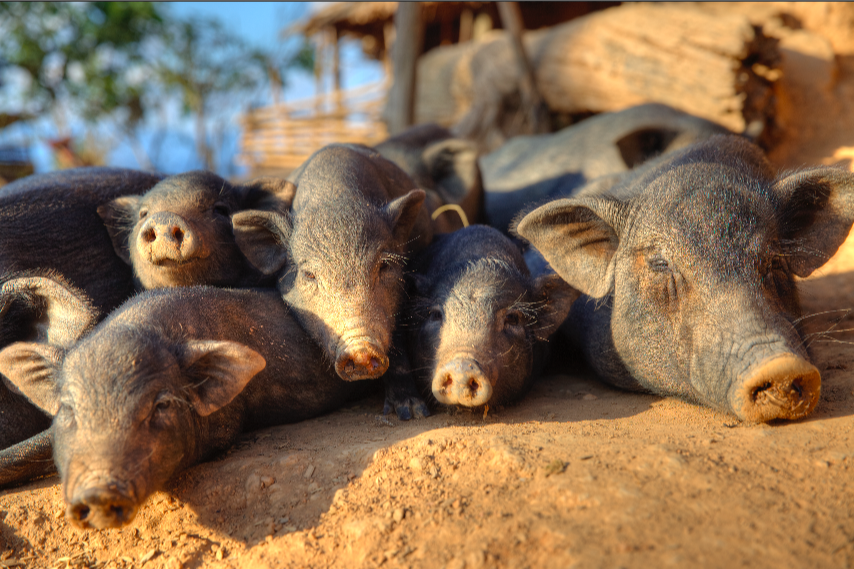
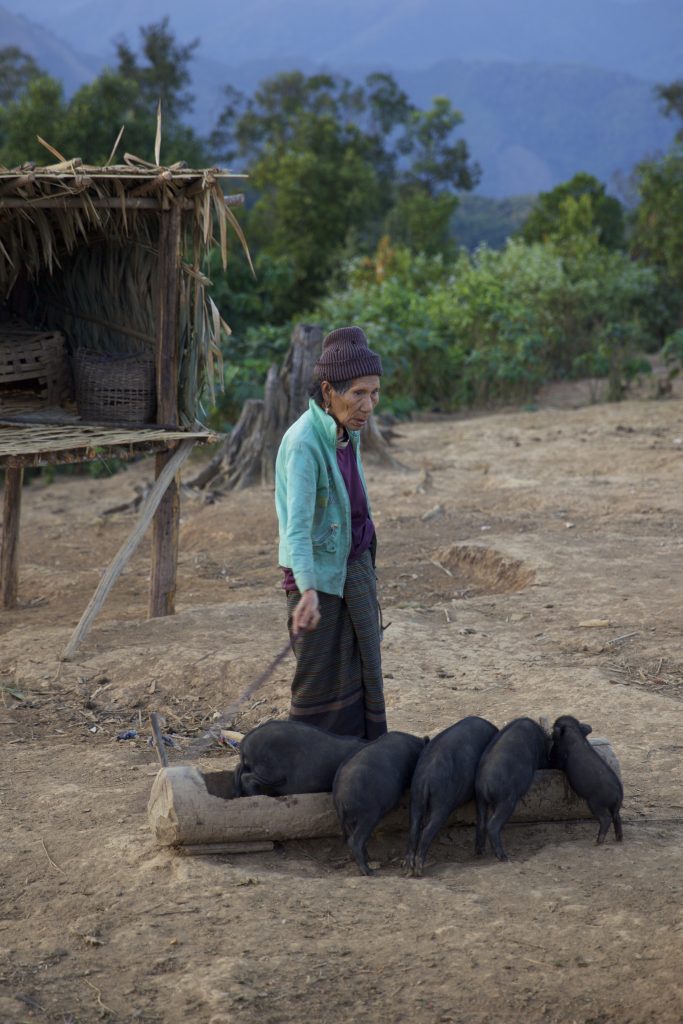
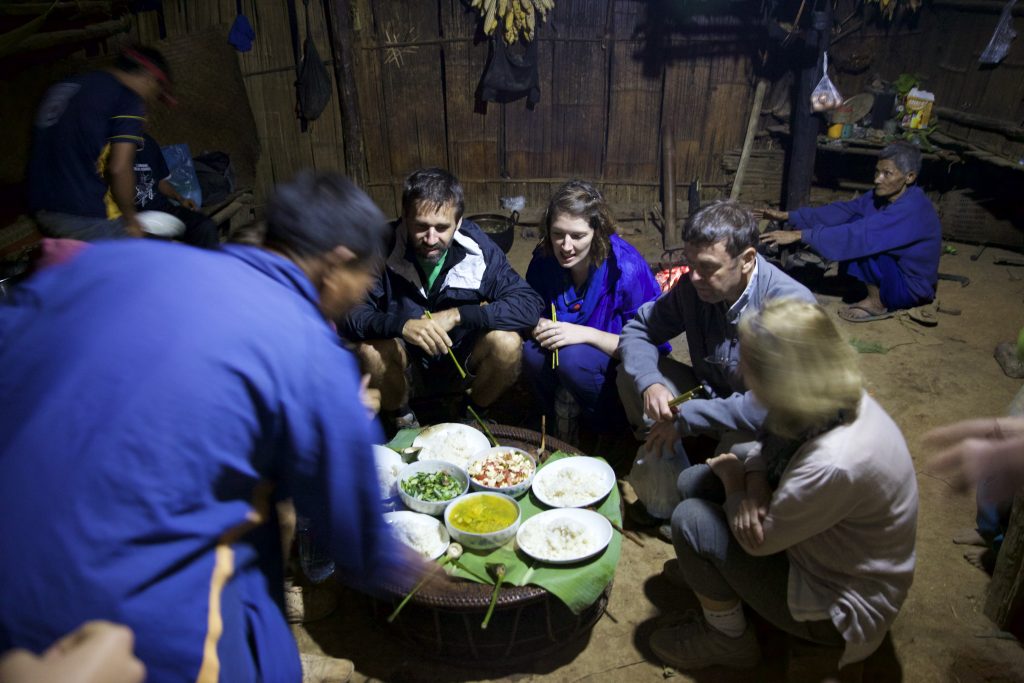
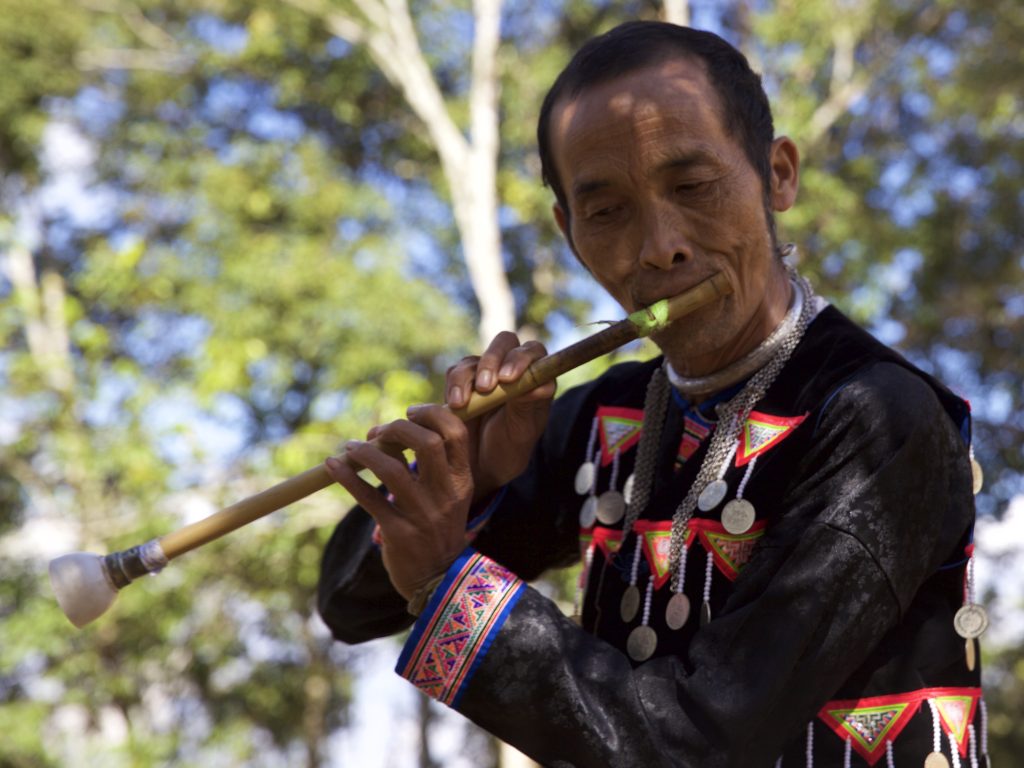
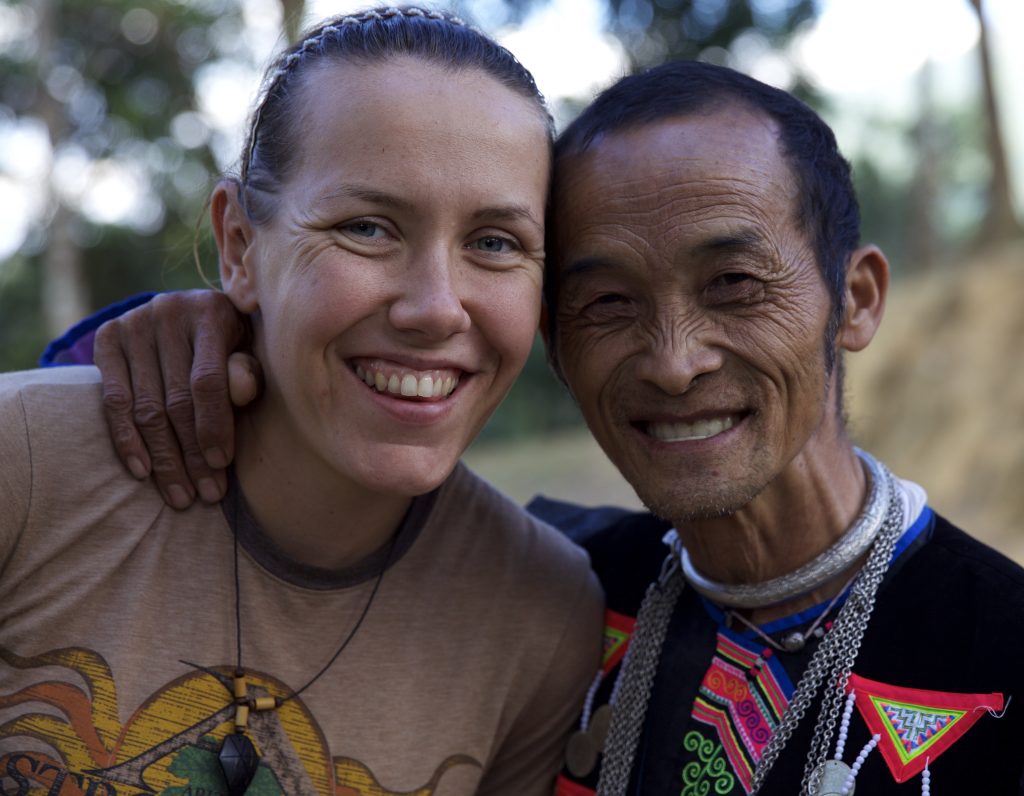
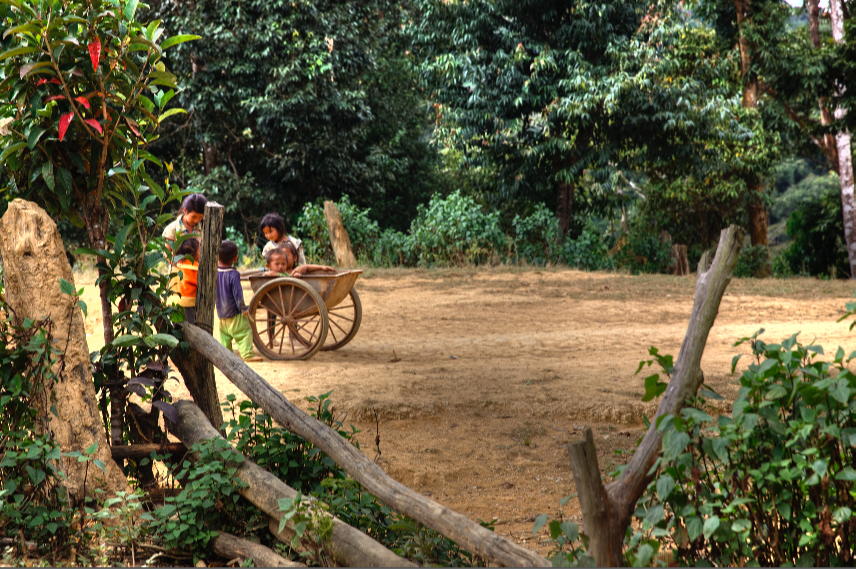
Try as we might, we failed at every turn to find someone who could dissect and explain life here — politics, education, daily realities. Unfortunately, our two-day hike with local guides didn’t bring more clarity. Failing to communicate with our Lahu homestay families — largely due to the guide’s inability to bridge the gap — left us mostly on the outside, observing what may have been the hardest, poorest life we’d seen yet.
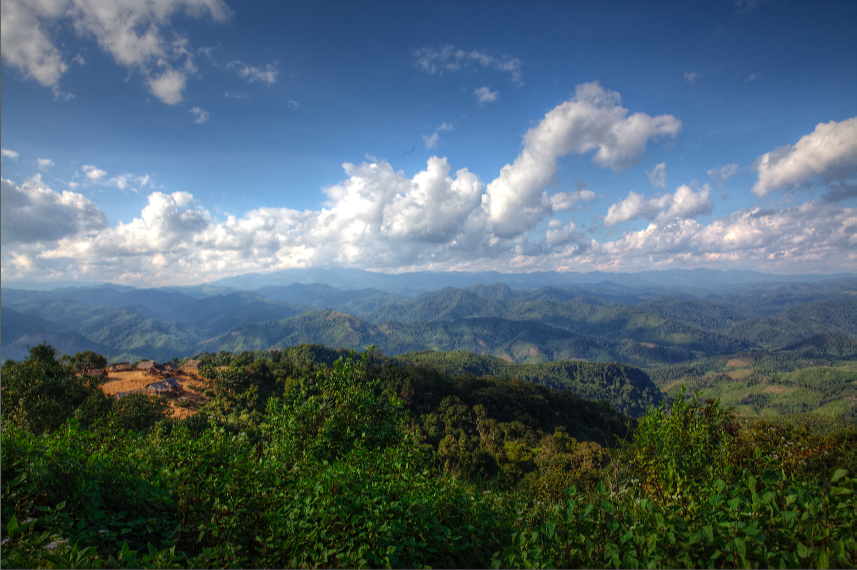
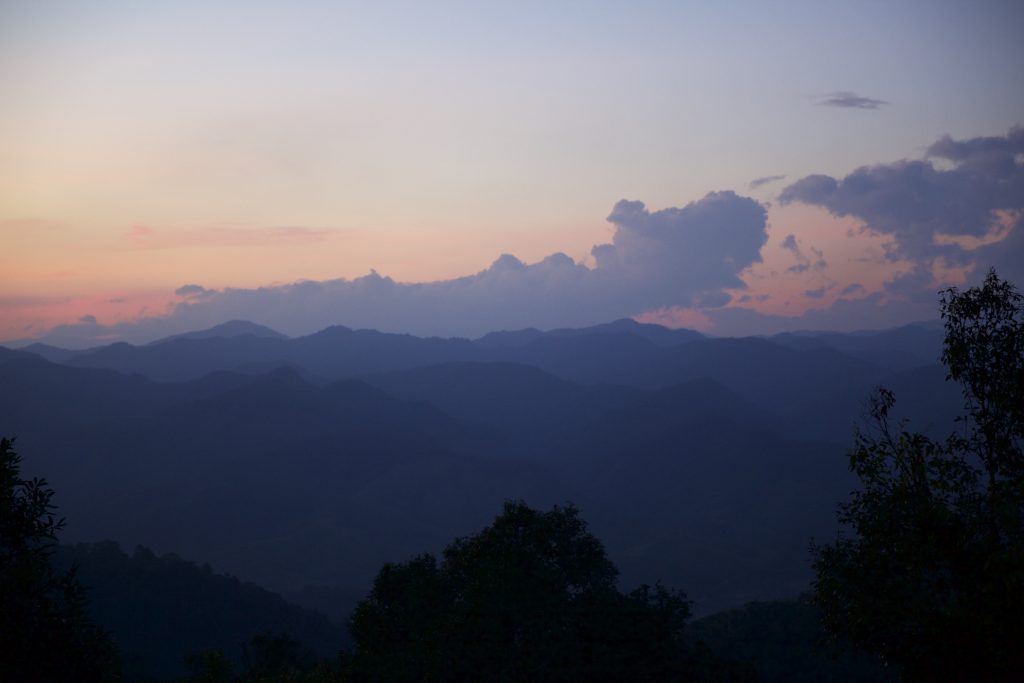
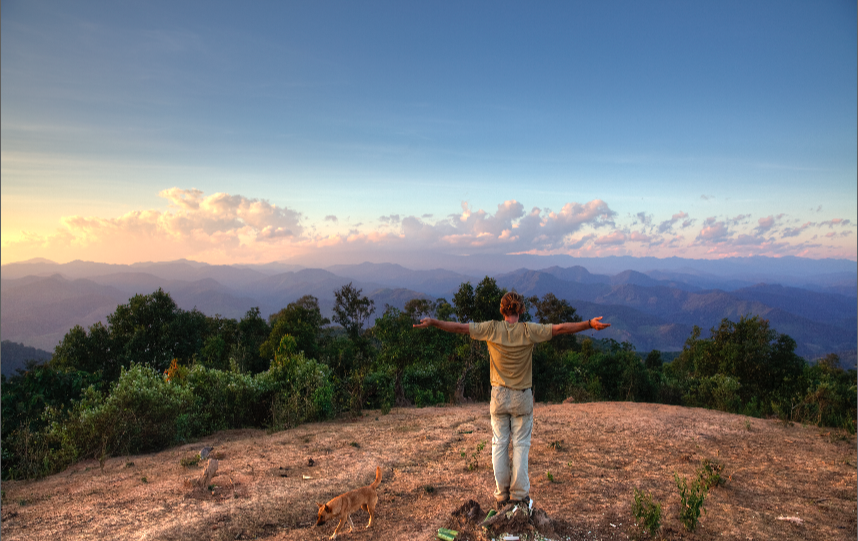
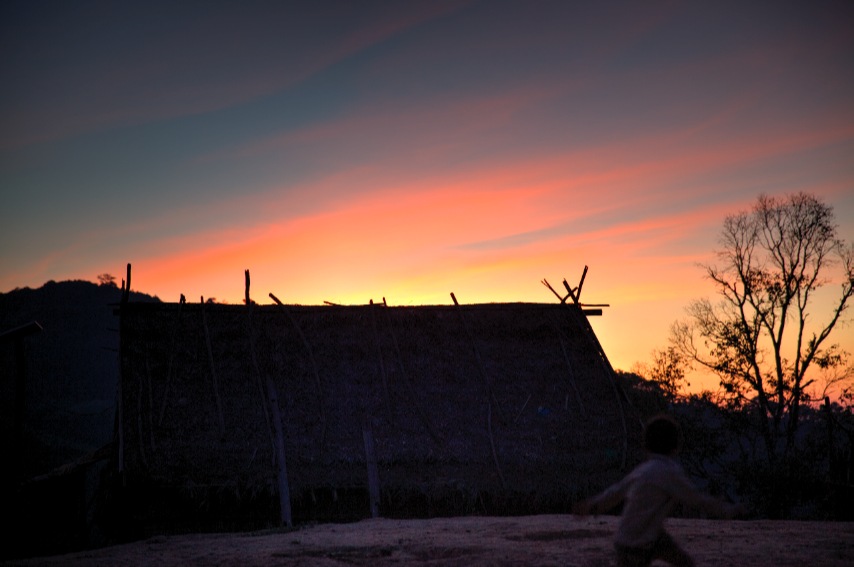
Their village, perched atop a mountain with stunning 360-degree views, was beautiful — but beauty does little to provide food, shelter, or clothing. Government assistance is offered only if they move closer to the roadside, something the elder population refuses, knowing it would lead to assimilation and the eventual erasure of a people, language, and culture that long predates Lao identity.
So they struggle — to preserve tradition — at the cost of cold mountain winds and nature’s harshness.
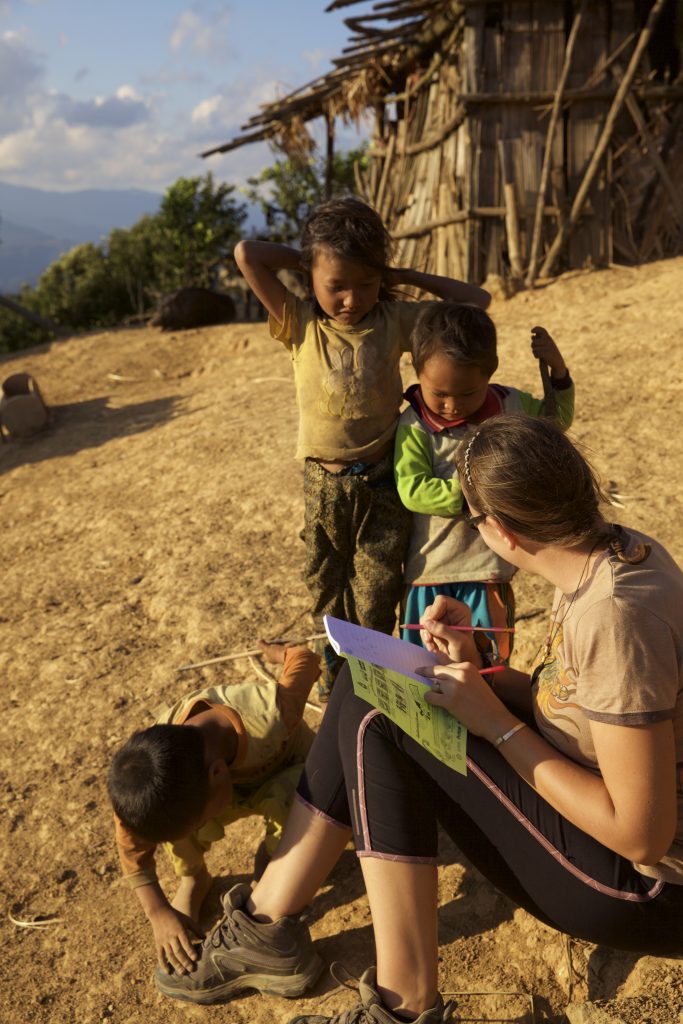
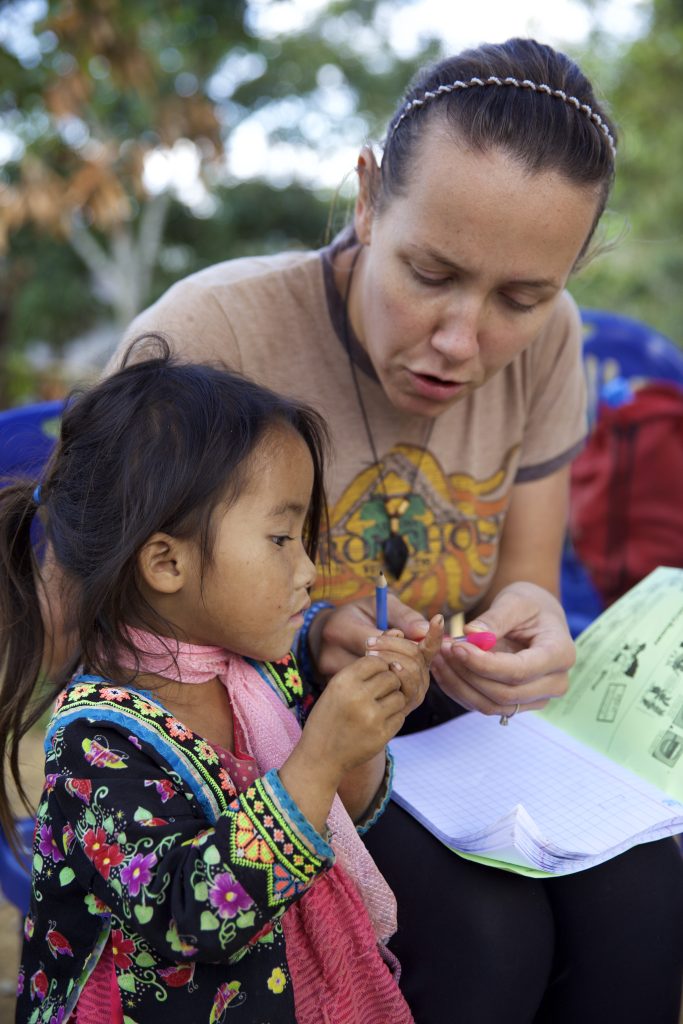
For better or worse, our group offered gifts to the children — toys, pens, paper — though after witnessing the level of poverty, clothes or food might have been more useful. We spent a day there. They will spend a lifetime.
It quickly brought into focus a question we carry everywhere: how fortunate we are — and what we choose to do with that fortune.

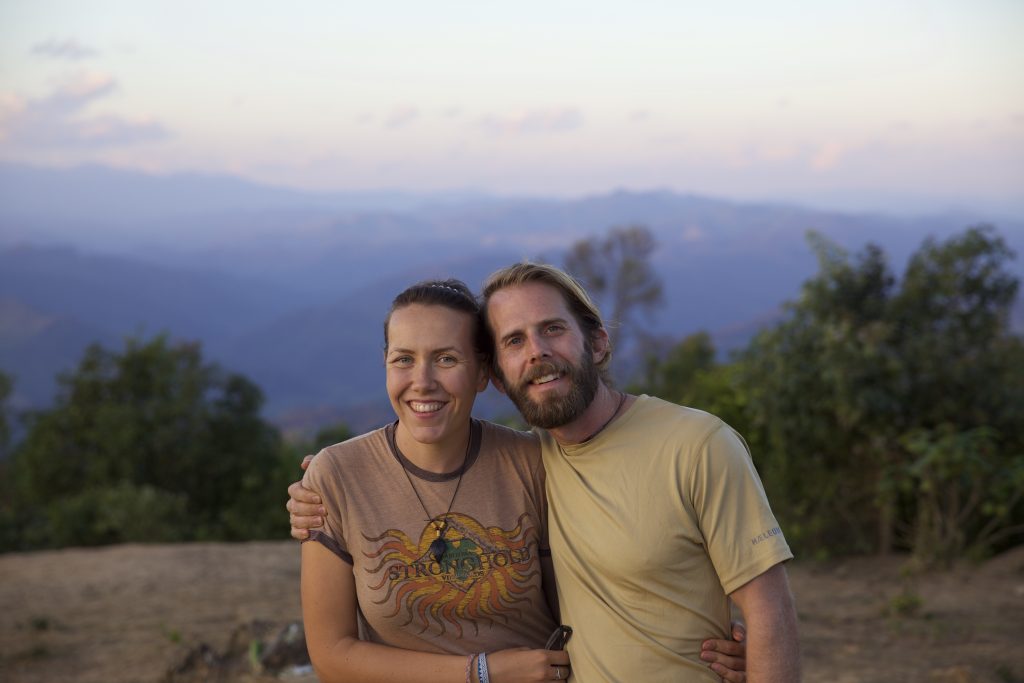
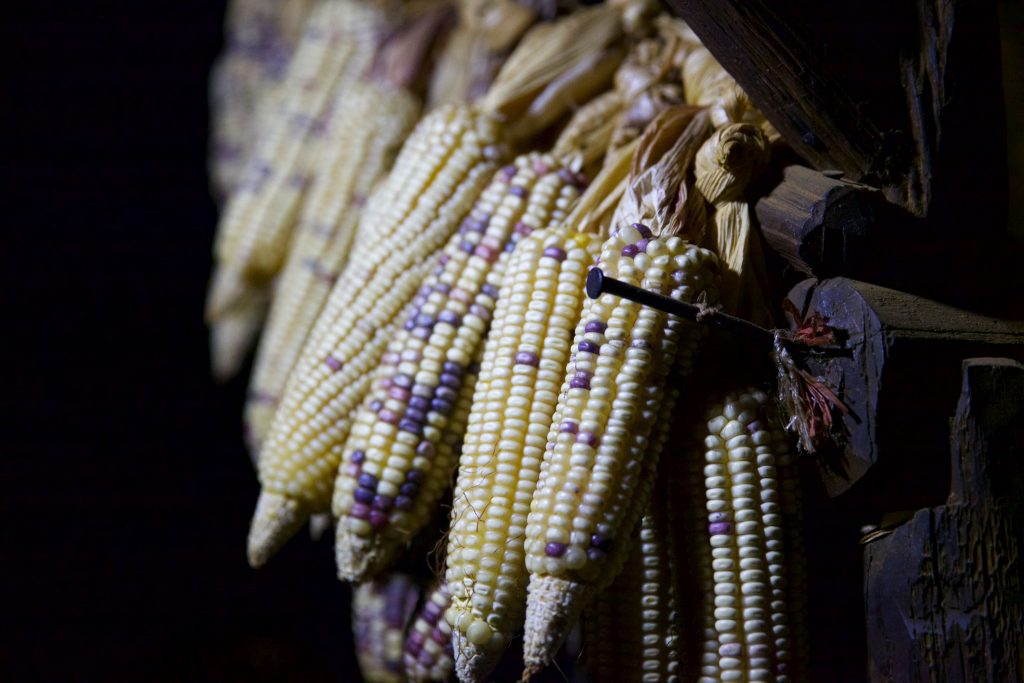
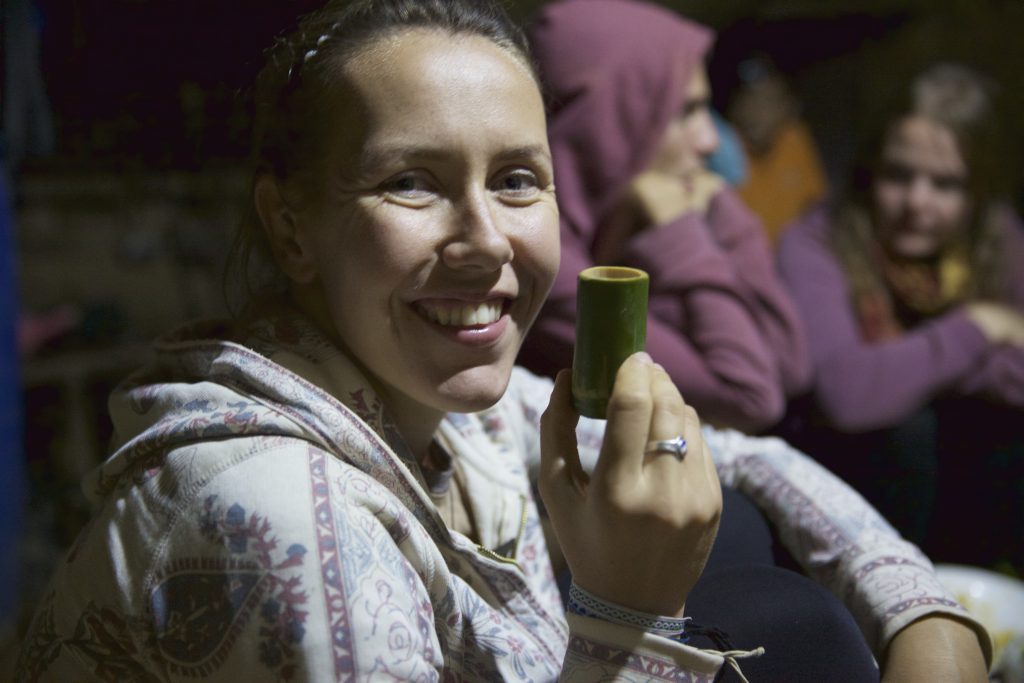
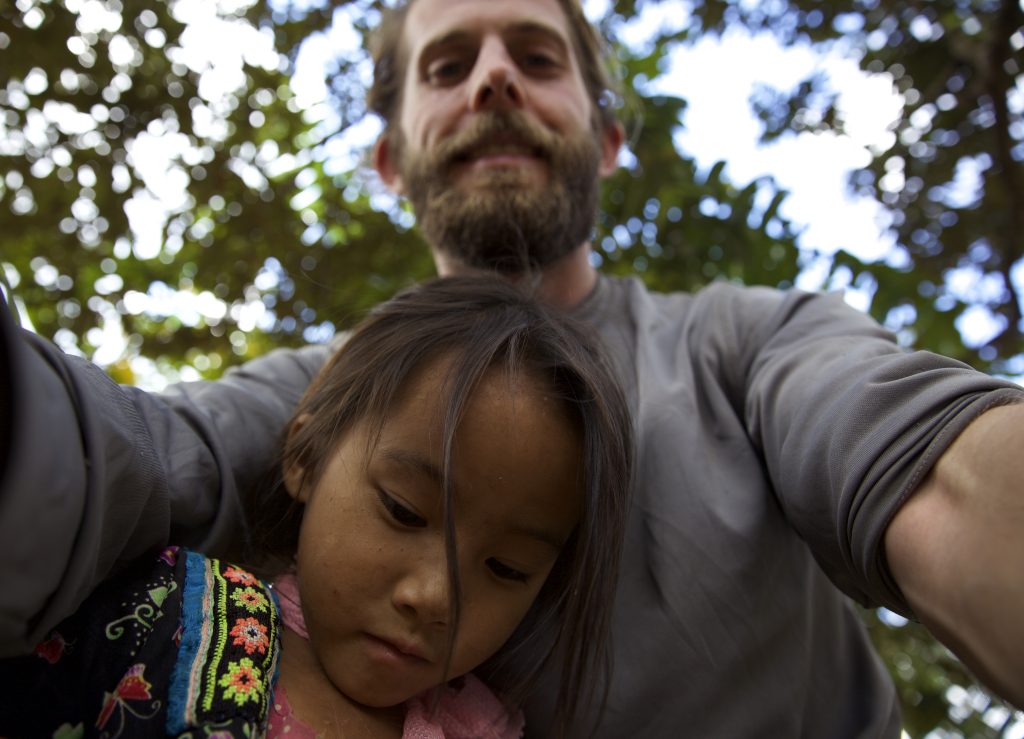
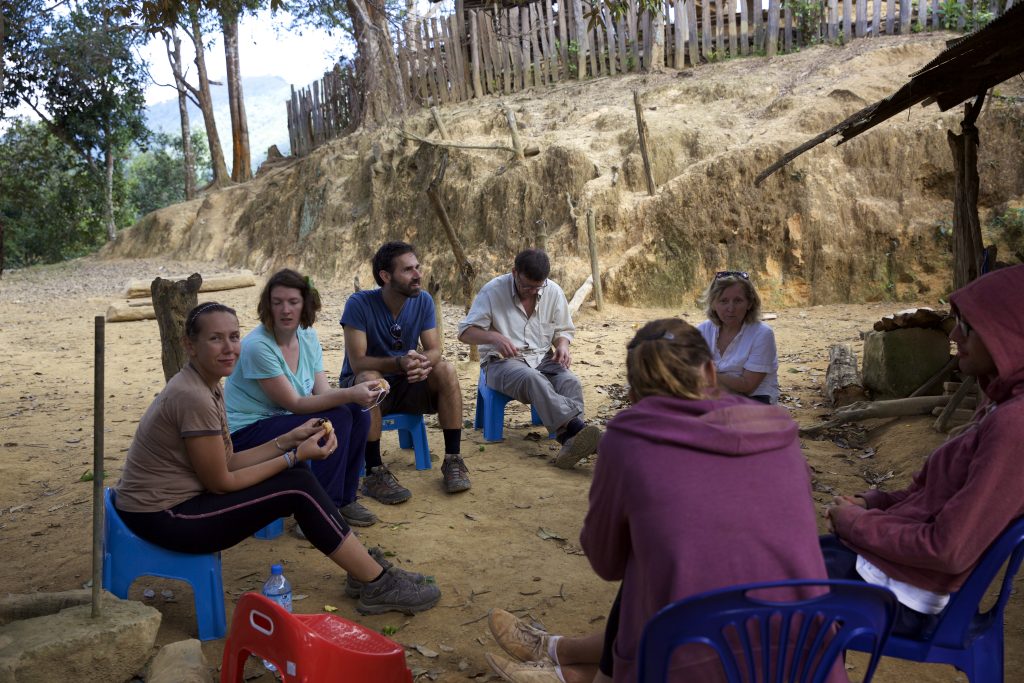
Les Stroud would scold you. First you rub the plant on your lips and wait. If no reaction rub it on your gums, than tounge and only then eat. Lucky you’re alive. And not sure what that last dude was doing would pass as music, but cool to see. Pro tip: don’t eat stuff that could kill you.