Moraine Lake Hiking Adventure to Sentinel Pass and Lake Edith
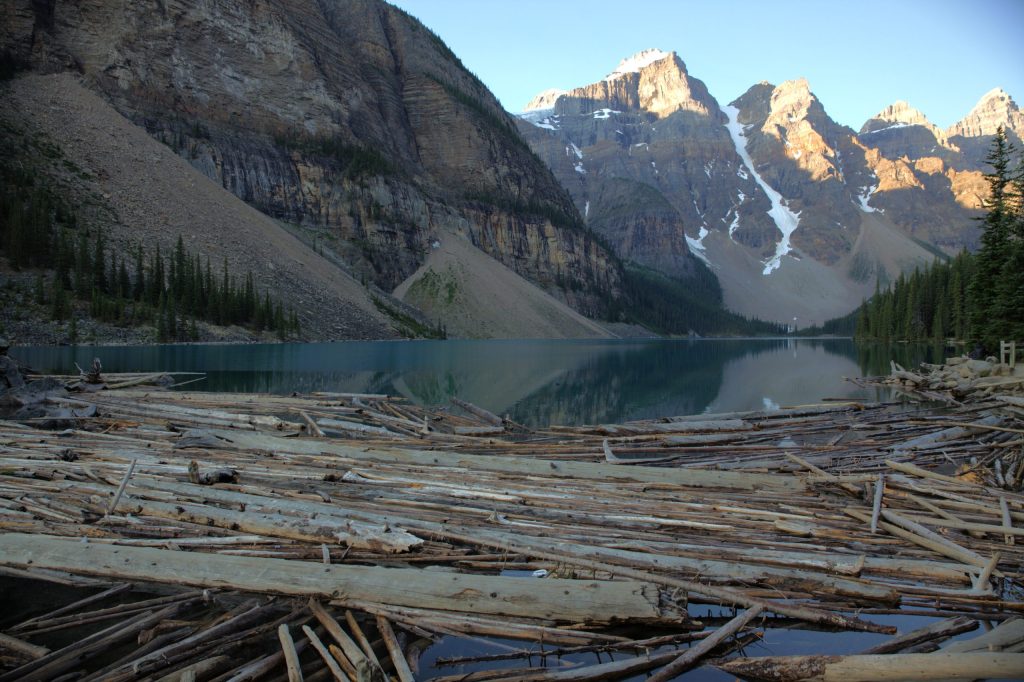
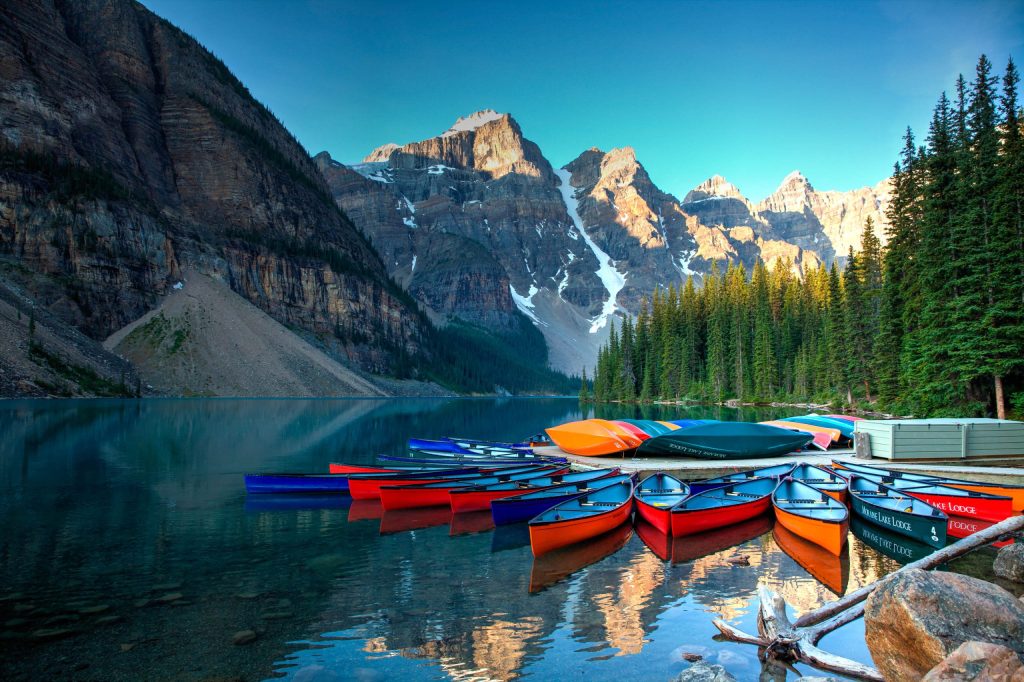
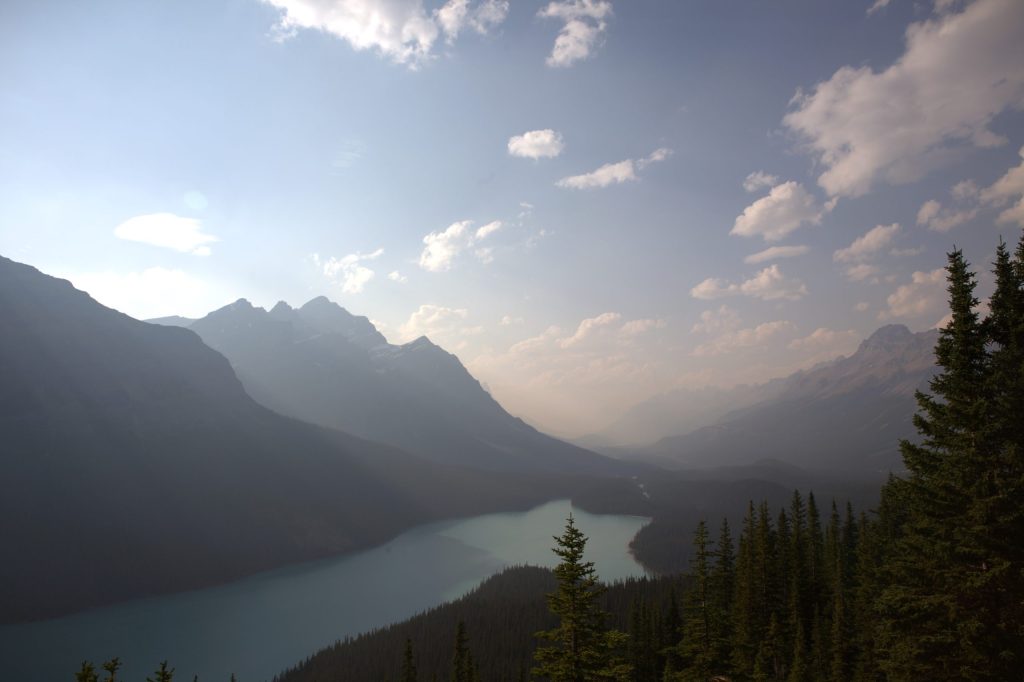
We woke this morning not to the roar of buses or the bustle of queues, but to the hush of the mountains. First stop: Moraine Lake — what a contrast to the crowded postcard that is Lake Louise. There, the canoes sat like colorful boats in a child’s watercolor palette, docked side-by-side and waiting for people who could treat them with reverence. The lake itself was a sheet of undisturbed blue-ice, no ripple daring even to whisper.
I half-expected the mountain peaks to lean down for a closer look, but they kept their distance. Still, the silence said more than a thousand guidebooks could.
From the lakeshore at Moraine Lake we took the branch to Larch Valley, footpath turning quickly from lake-side calm to forested climb. The trail zigged and zagged through spruce and fir, then opened into the larch forest and rolling meadows. From there, the plot thickened: we were headed for Sentinel Pass.
The trail from Moraine Lake → Larch Valley → Sentinel Pass is roughly 11–12 km round-trip, with an elevation gain around 760–820 m depending how high you push.
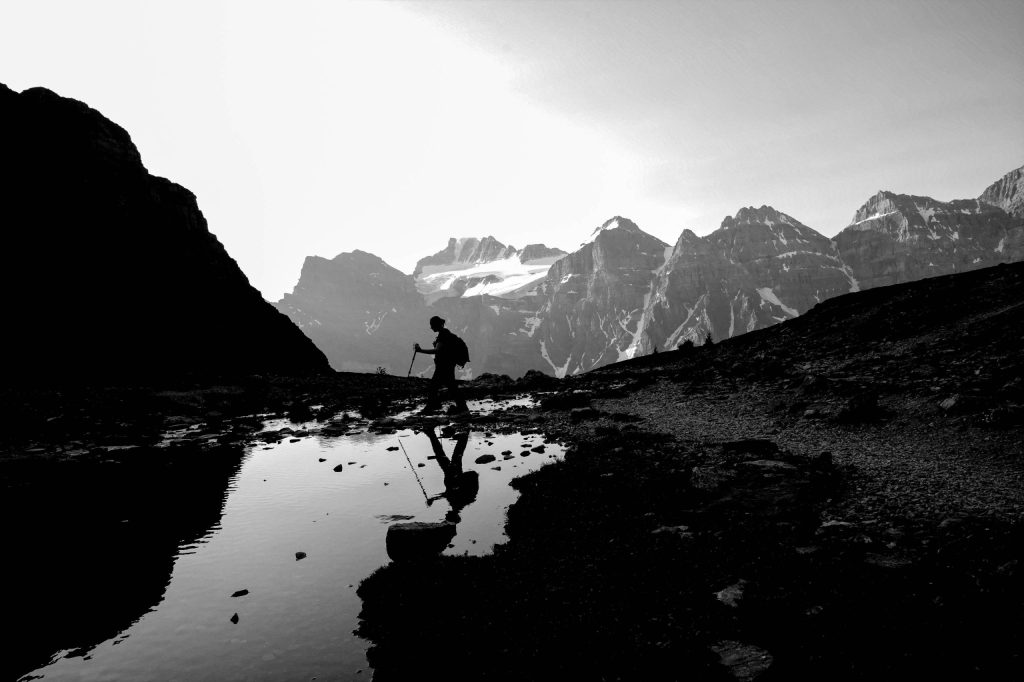
Once the forest thins and you enter the high country, the sense of vertigo begins — not sudden, but creeping, like the land is slowly pulling away. From the meadowed lakes and forest bottoms you climb scree slopes and switchbacks between high ridges.
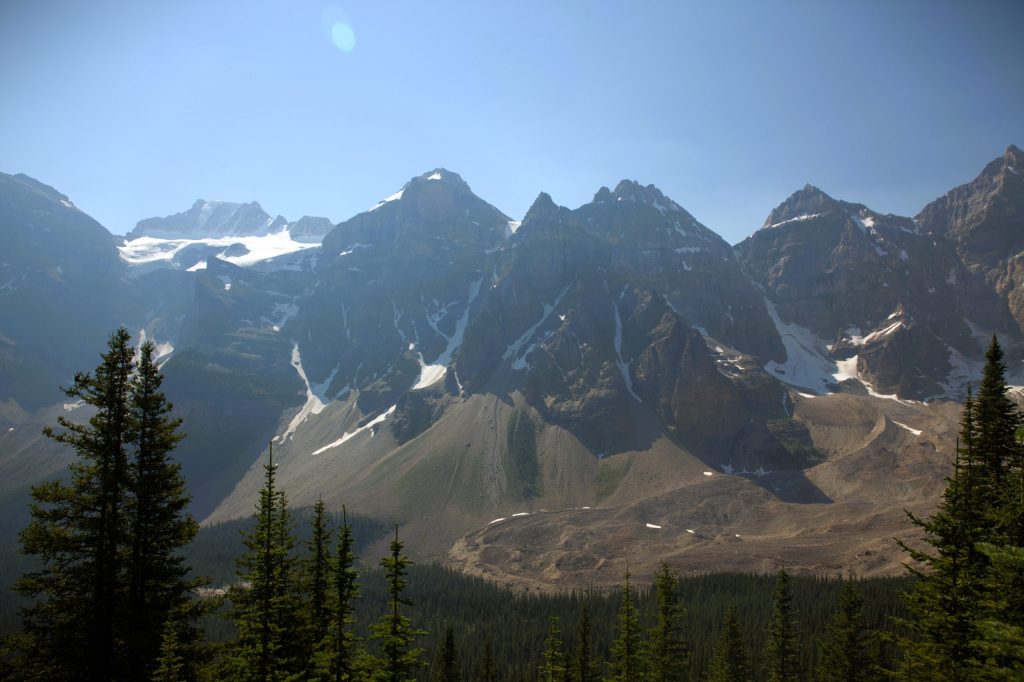
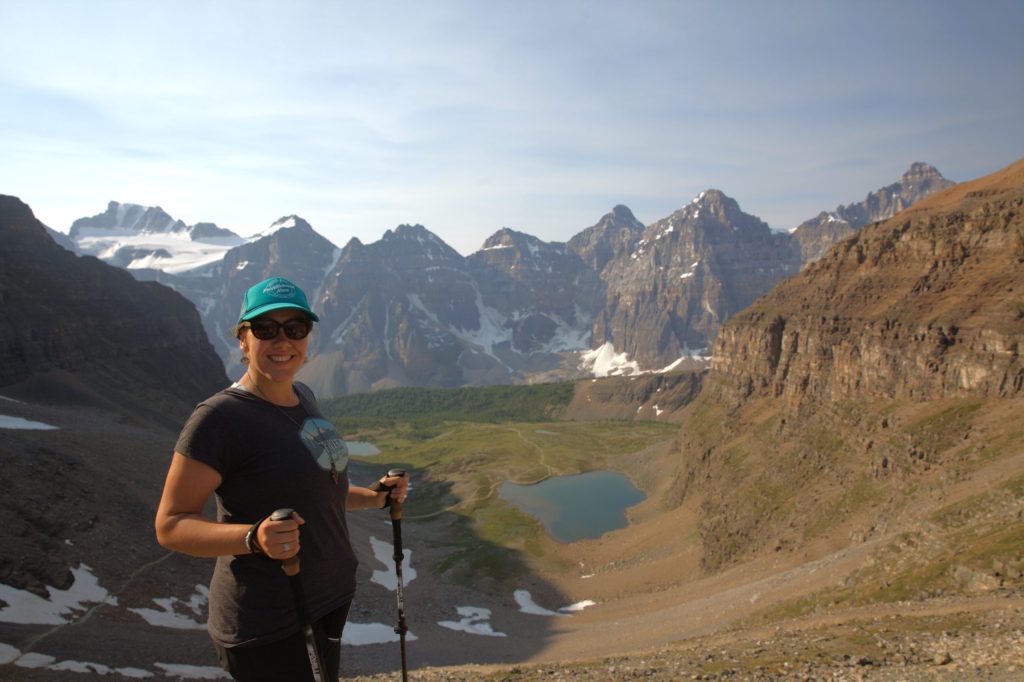
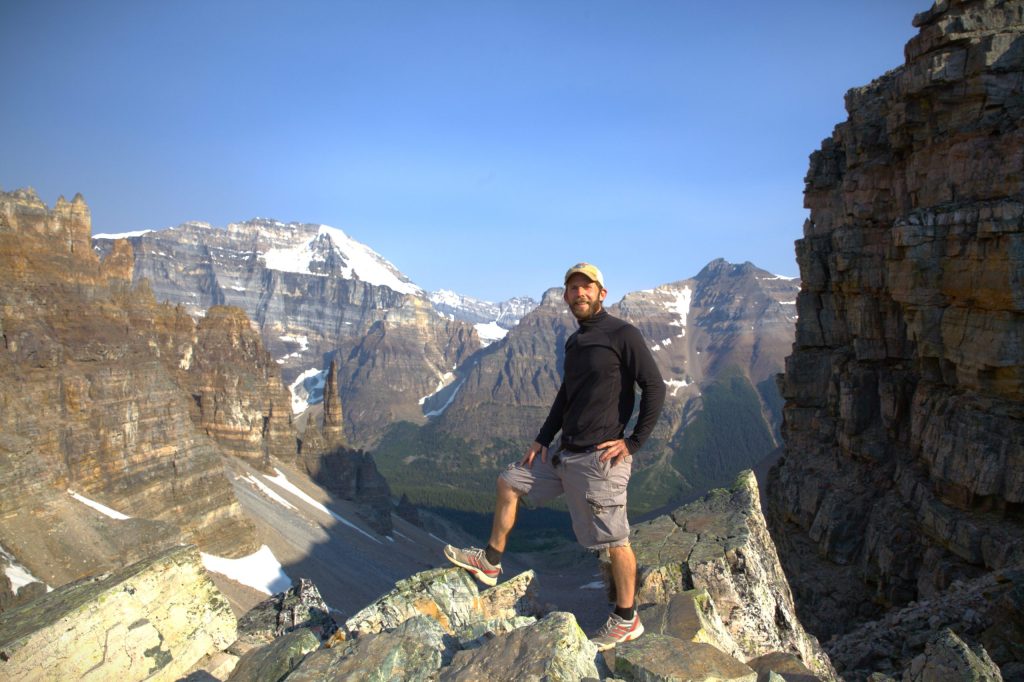
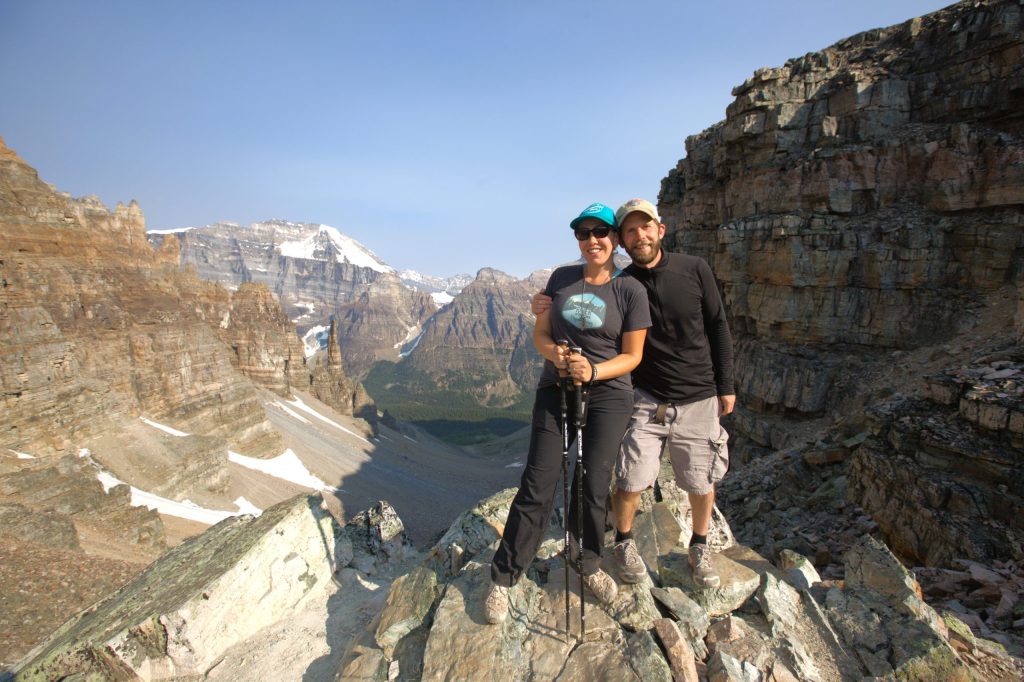
When you crest at Sentinel Pass (elevation ~ 8,566 ft, per most guides) that’s when the mountains really show their cards. Below: the patchwork green of Larch Valley turning slowly to talus and rock. Ahead: alpine ridges, pinnacles, and the sweeping grandeur of what the guides call the Valley of the Ten Peaks to the south — and across to the rugged ridges of Paradise Valley to the north.
For a moment you’re not just in the Rockies. You’re on their stage, inside their sweeping canvas. If the day before felt like being welcomed gently, this felt like being thrown into the epic.
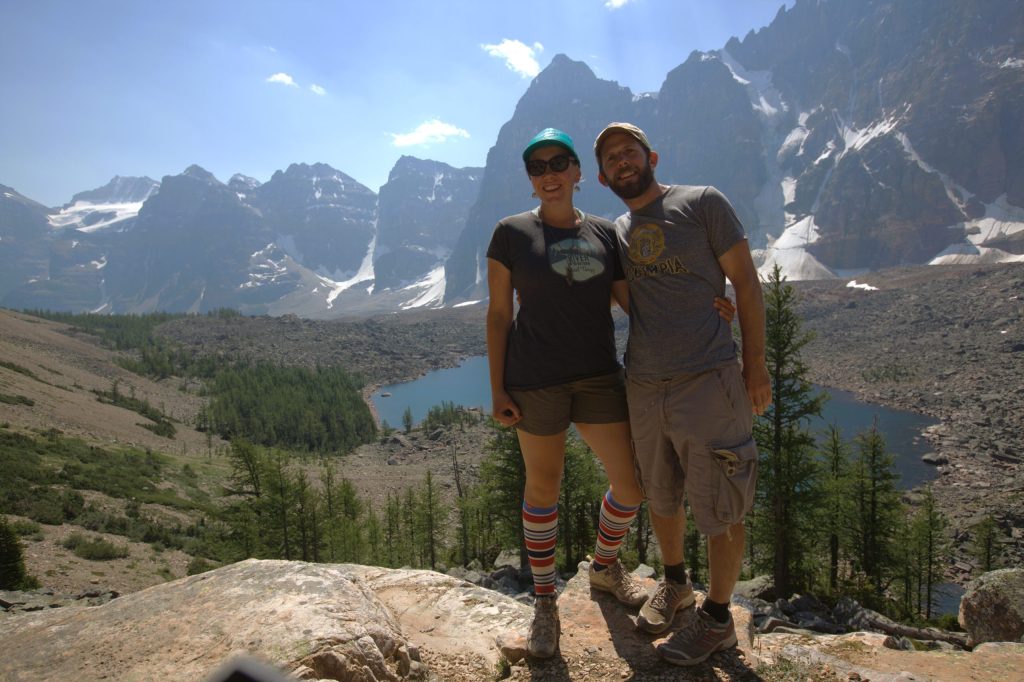
A few clouds drifted by, and the wind cut in — sharp, cold, and unlike anything from the valley floor. We sat on a rock outcrop and absorbed the silence, the spires, the altitude.
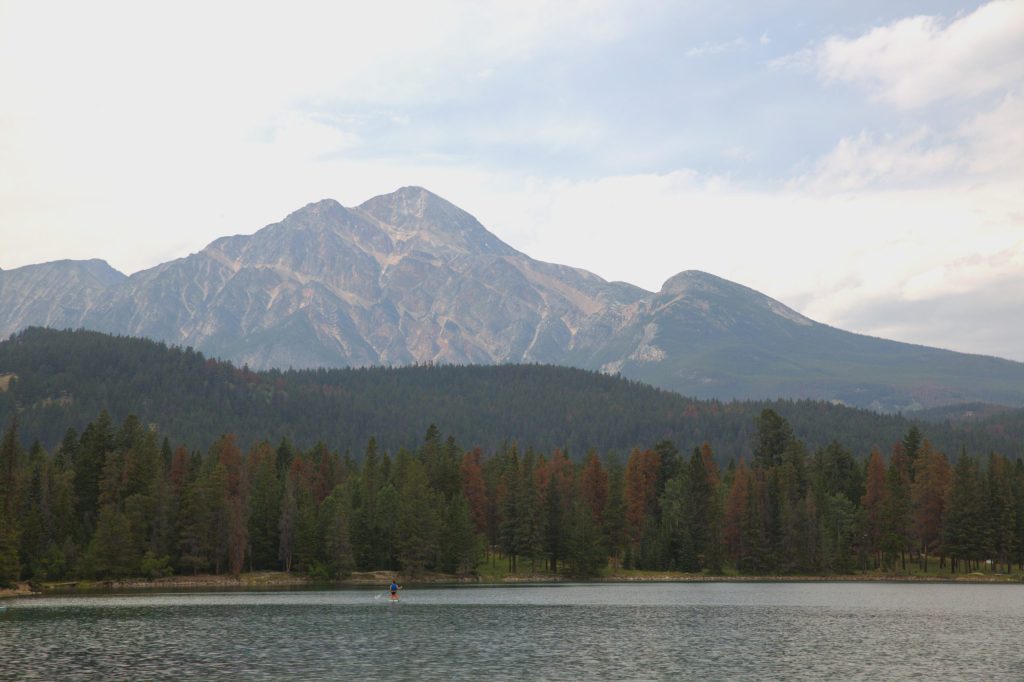
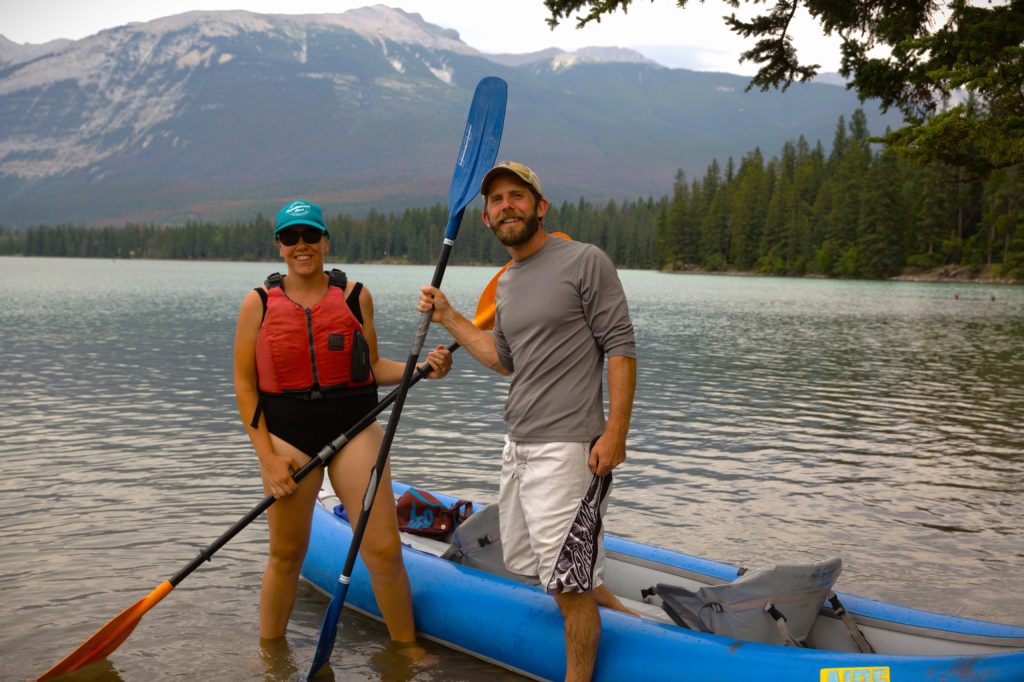
Down off the mountain and still riding the high of dizzying altitude, we didn’t go to bed. Instead we inflated a kayak — the soft, self-bailing kind, long road from solid plastic boats. The target: Lake Edith.
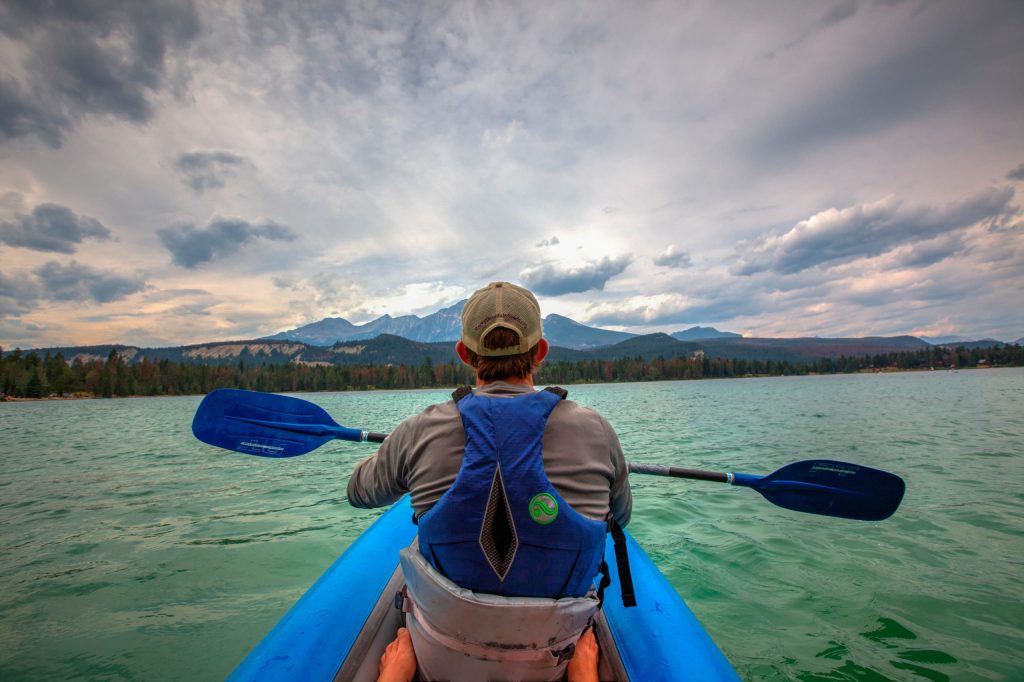
Glacier-fed water is not polite. It doesn’t warm. It doesn’t flirt. It demands attention. Getting into that kayak, sliding across the water, every shift of weight made you wonder if you’d end up flipping and tasting the mountain in ice shards. But also: you couldn’t mock that water’s beauty. It was cold. It was vast. It wanted respect.
We paddled slowly, careful, each stroke measured. The rocks, the trees, the fading light — all reflected in that water like we were looking into someone else’s memory. The kind you don’t frame, you just carry.