How to Experience Manuel Antonio National Park Costa Rica Without the Crowds
I don’t remember Southeast Asia ever being this hot — or this humid. Every ascent feels labored under the oppressive rainforest air, yet we climb on. Driven by the promise of our first wildlife sightings in one of the most biodiverse regions on the planet, we push forward, despite the checkerboard of palm oil plantations pressing right up against the park’s boundaries.
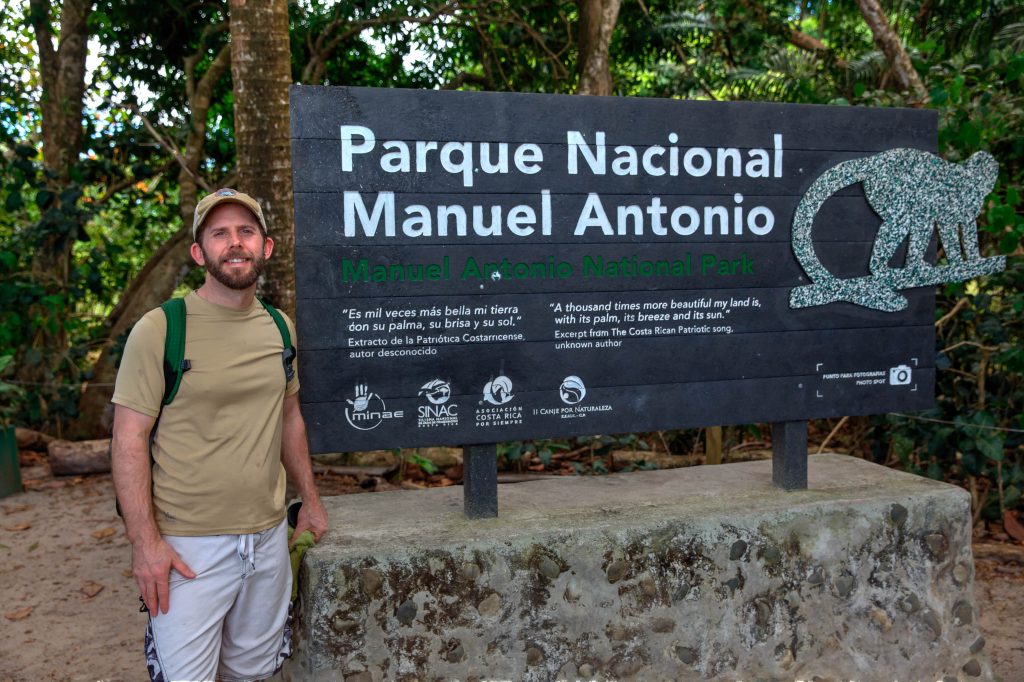
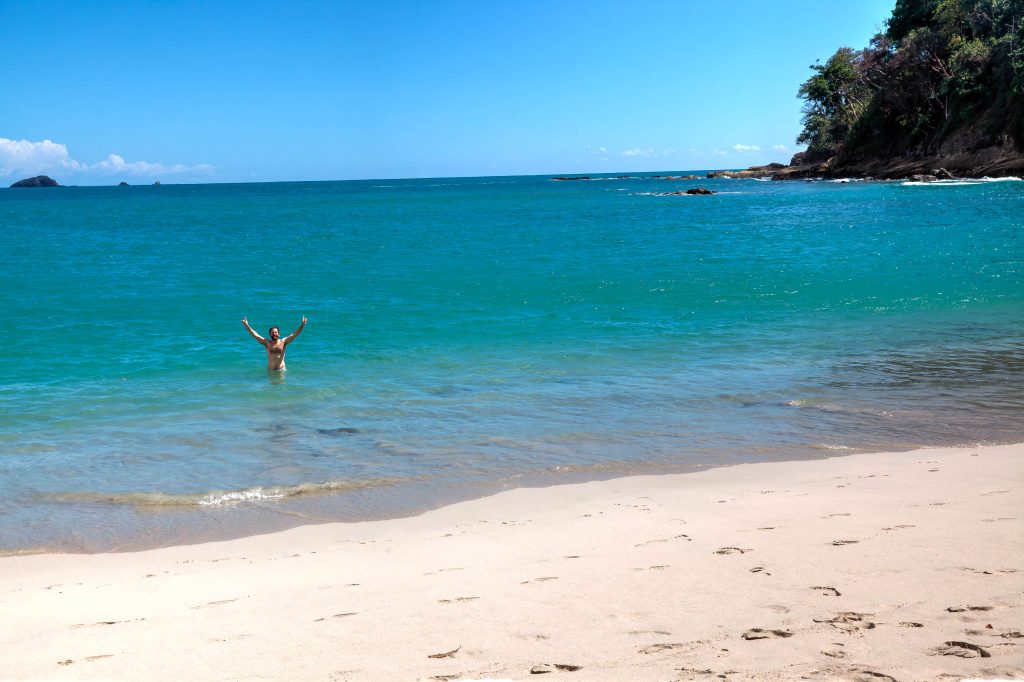
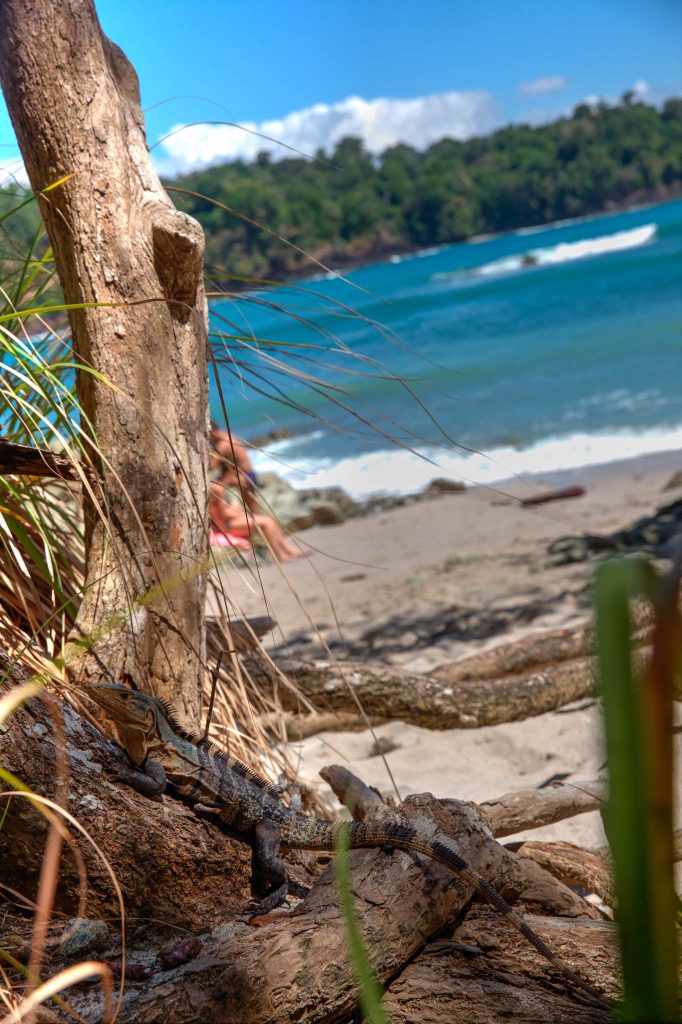
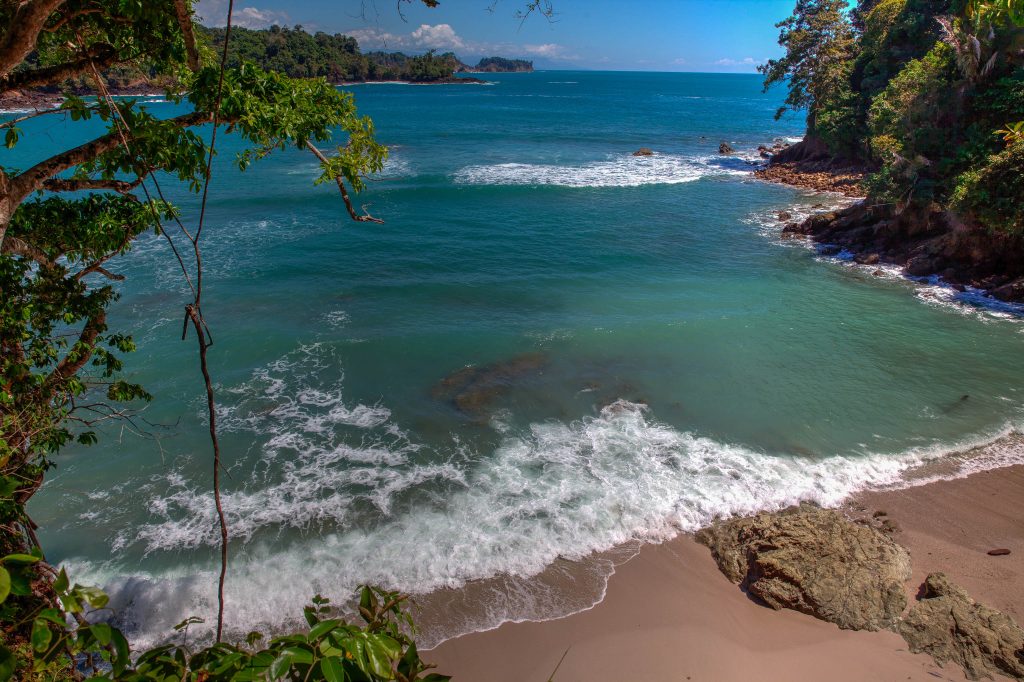
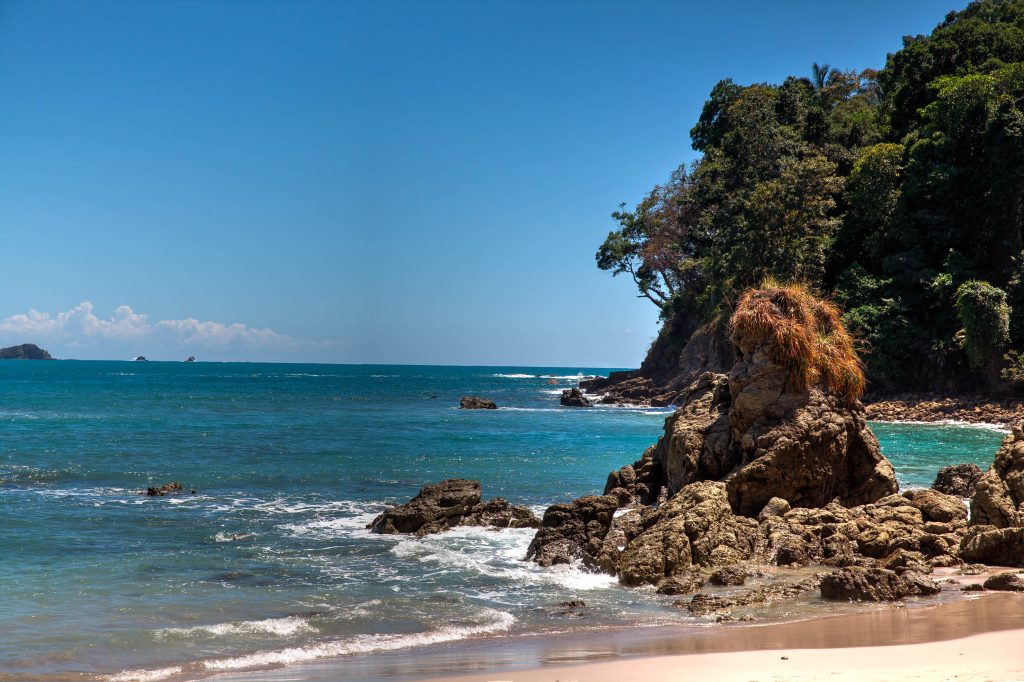
If Manuel Antonio National Park is known for anything, it’s the abundance of wildlife set against stunning beaches accessible only through the park entrance. Unfortunately, that same beauty makes it one of the most visited — and crowded — parks in Costa Rica. Sometimes, when you travel, you simply have to grin and bear it.
But there are always ways to escape the crowds if you’re paying attention.
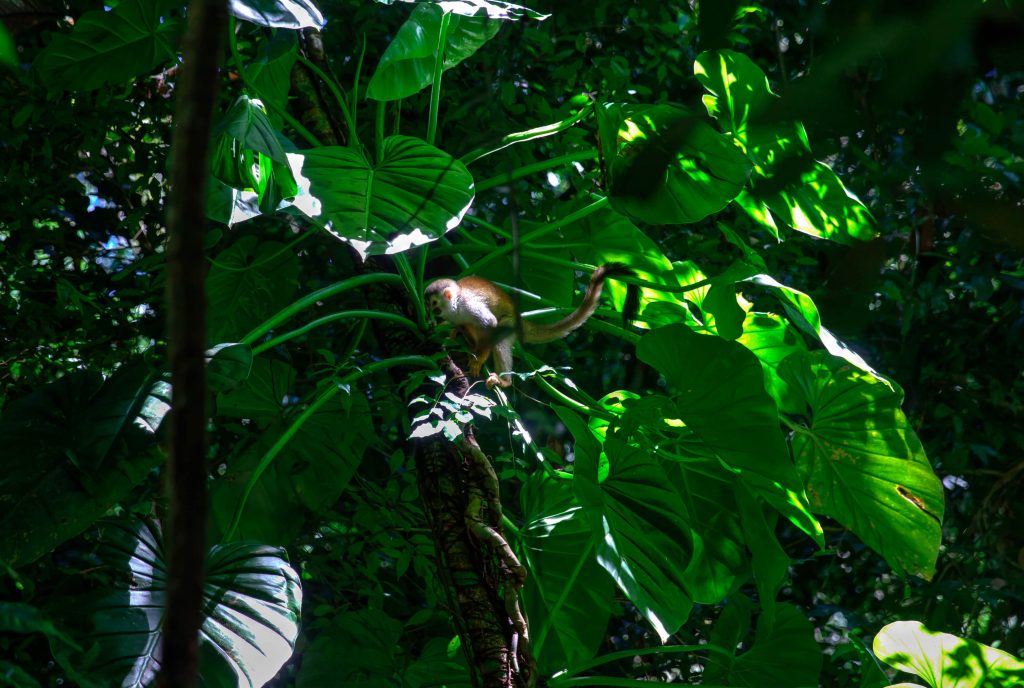
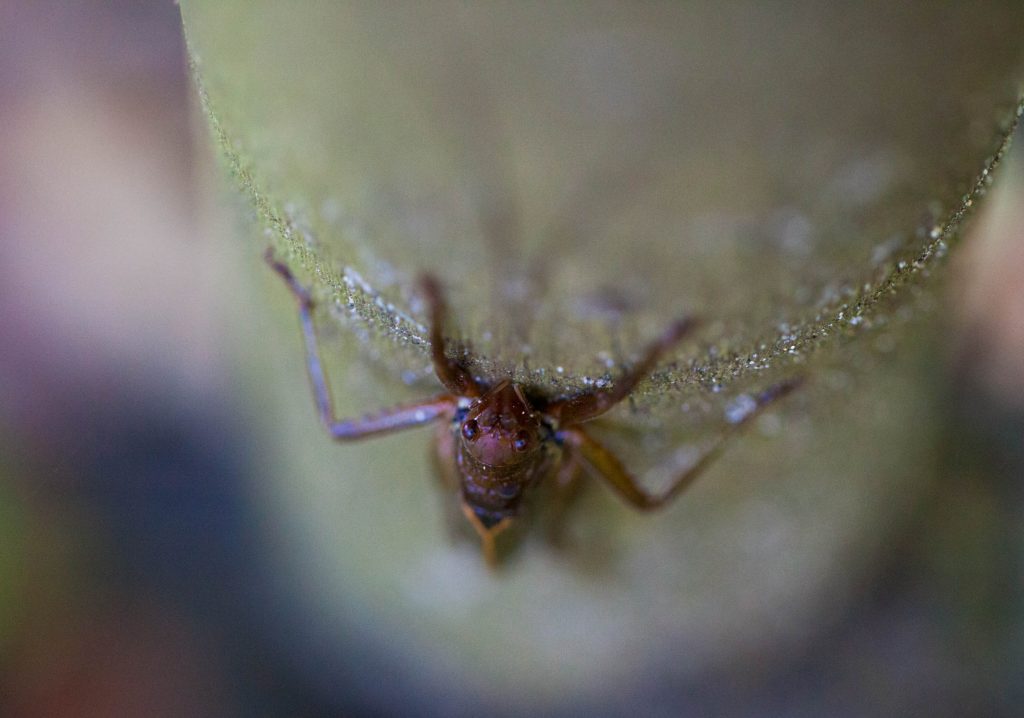
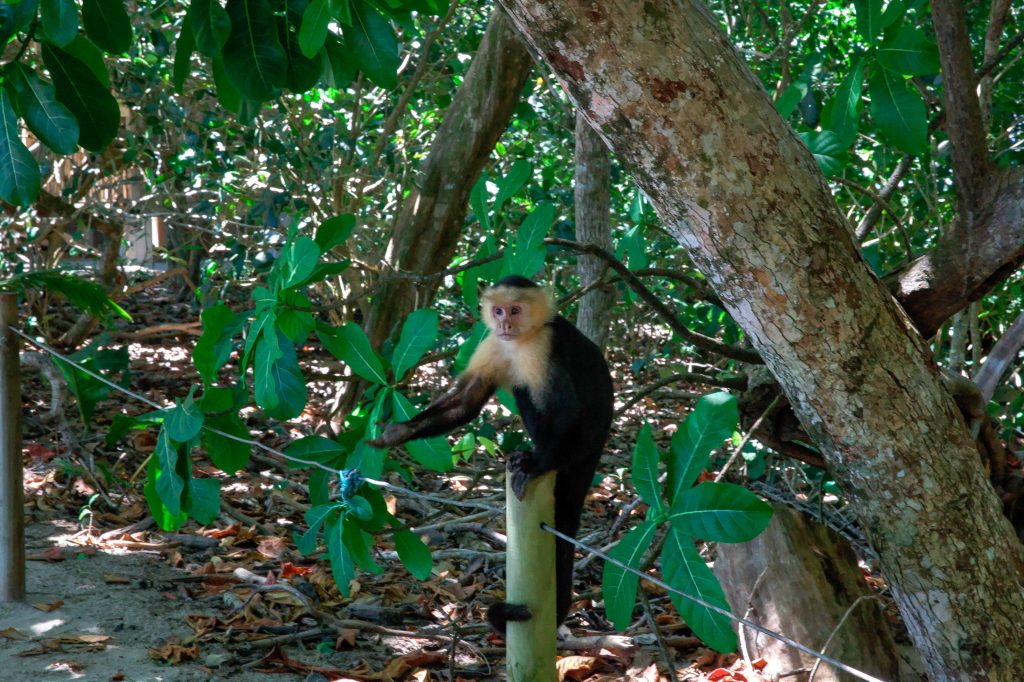
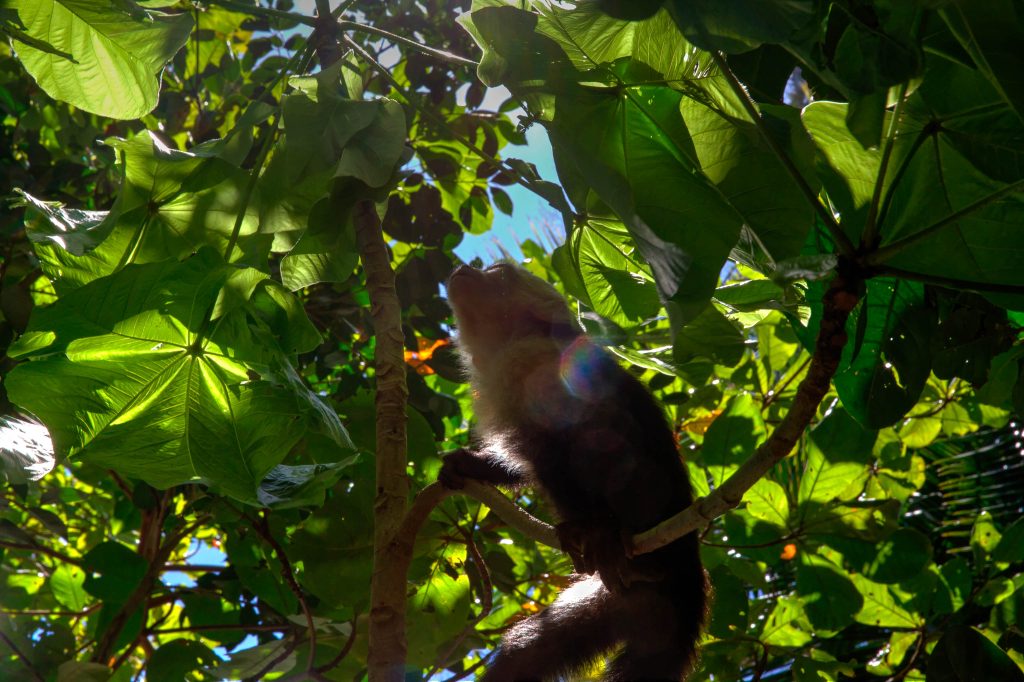
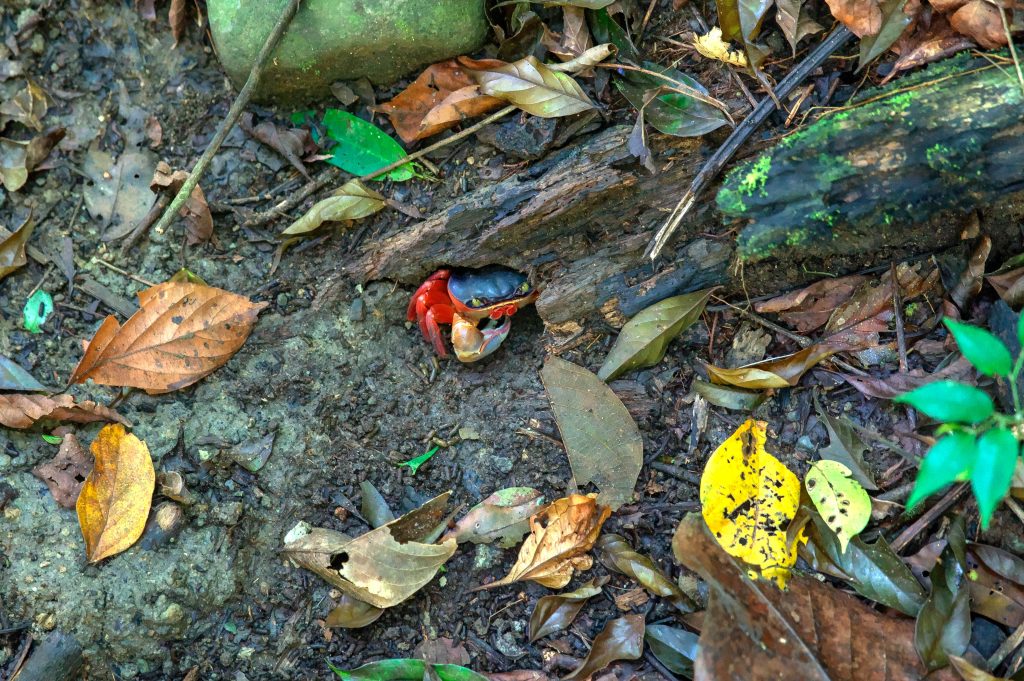
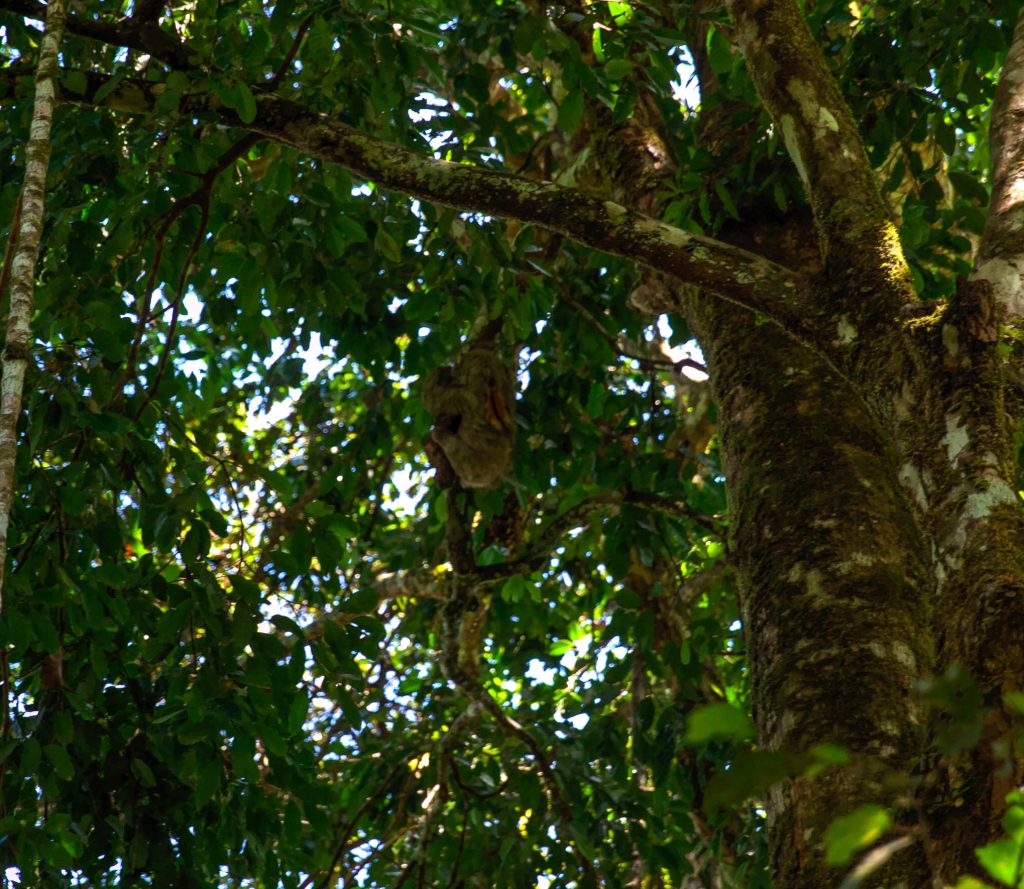
We chose trails that seemed more difficult and timed our walks to avoid the day’s main rush. The reward? Quiet. The ability to walk the jungle floor slowly and listen. And listening, I’ve learned, is everything. When you stop and tune in to the living, breathing forest around you, it reveals things invisible to travelers who rush past, oblivious to the smaller lives hidden in plain sight. Spotting a sloth or squirrel monkey on your own — without a crowd gathered around a guide pointing skyward — is a different kind of joy.
Don’t get me wrong, watching a sloth is always magical. But experiencing the rainforest in solitude, watching it awaken around you, is something else entirely.
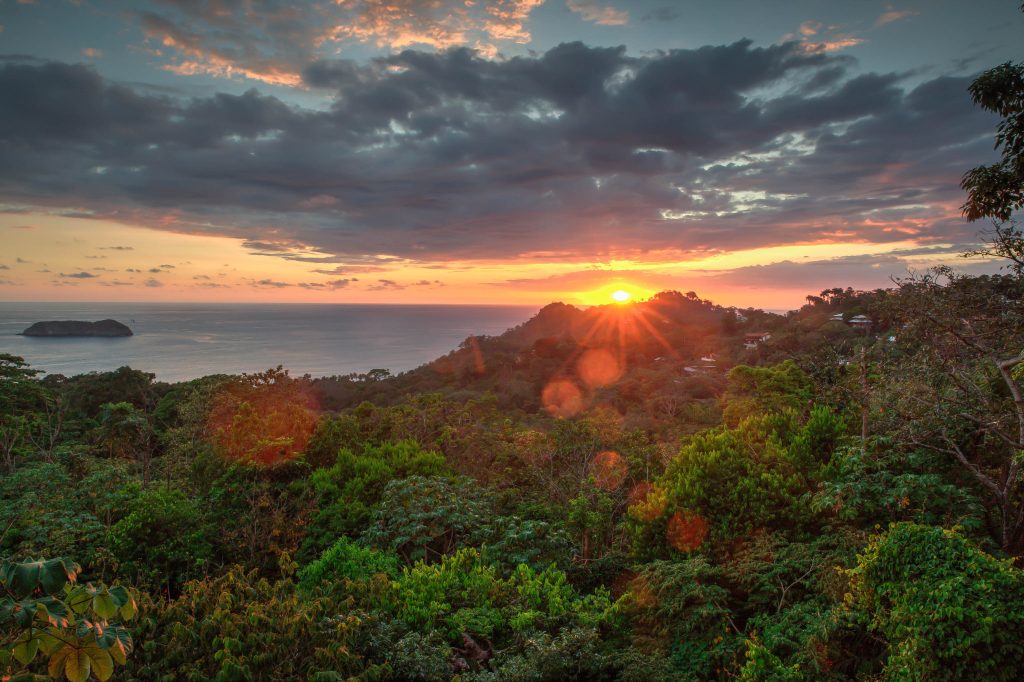
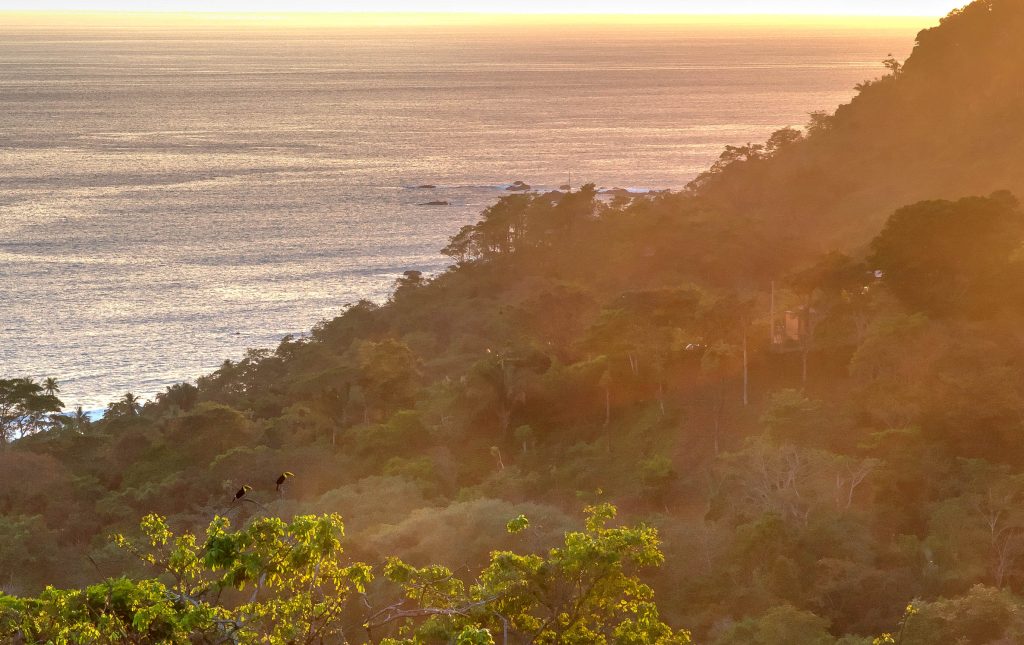
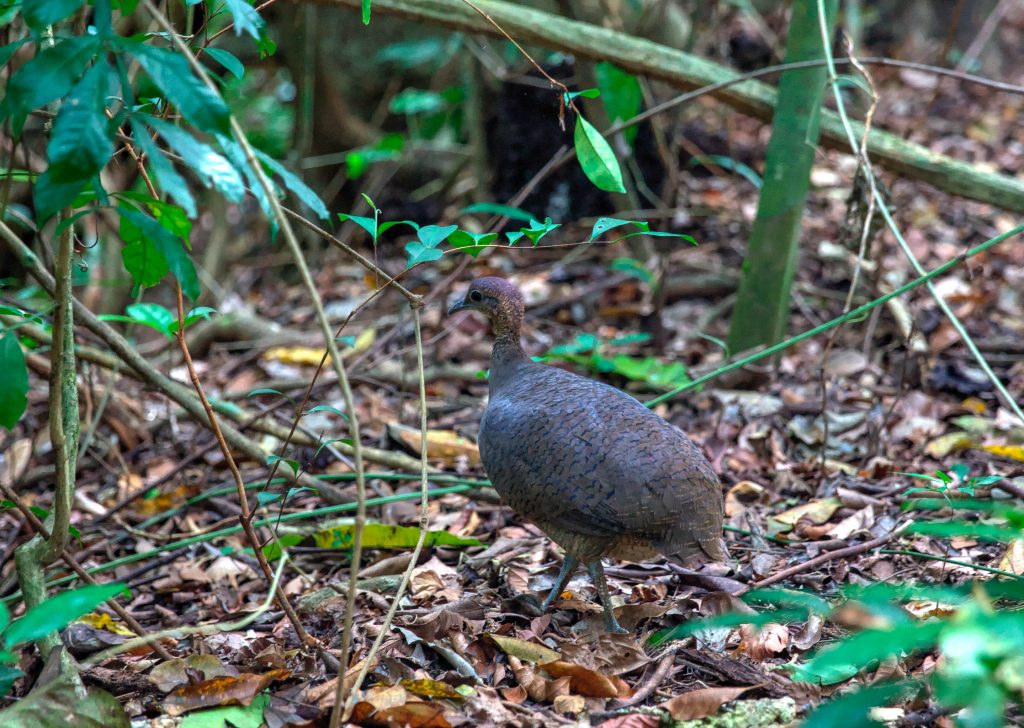
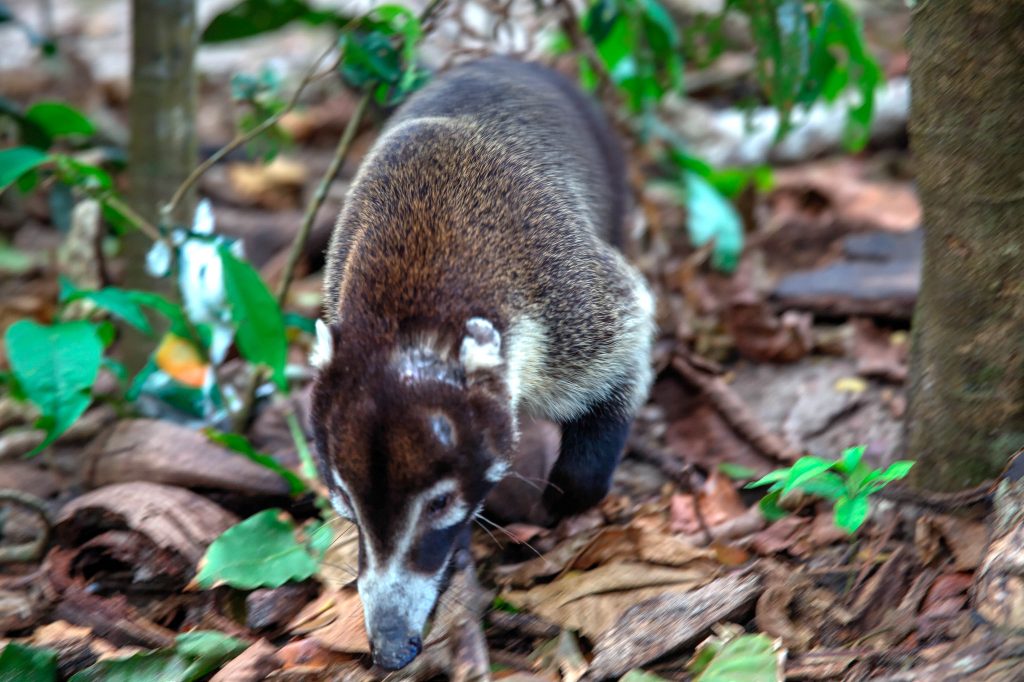
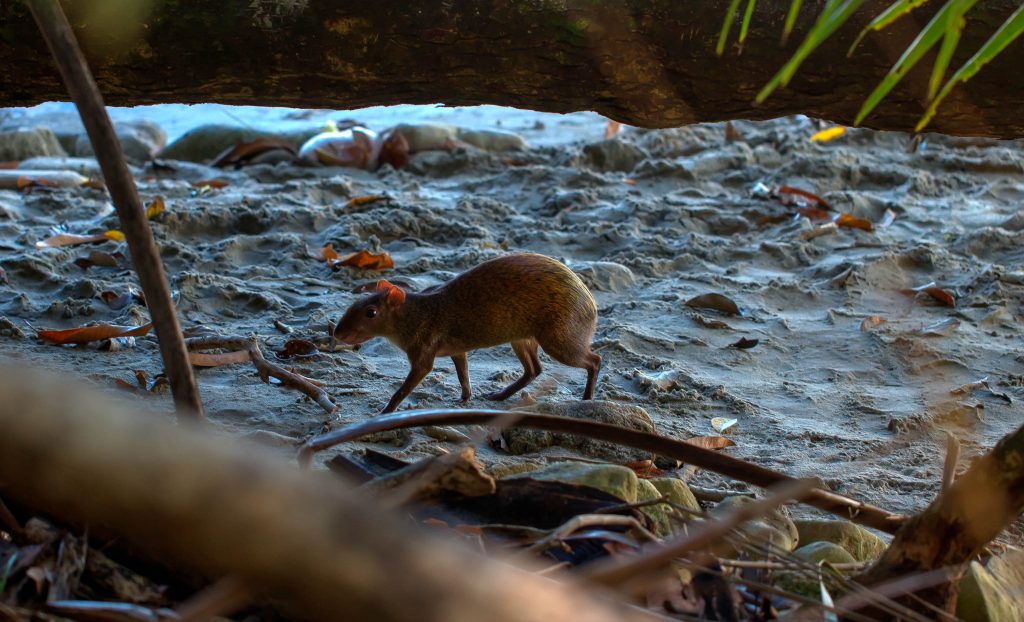
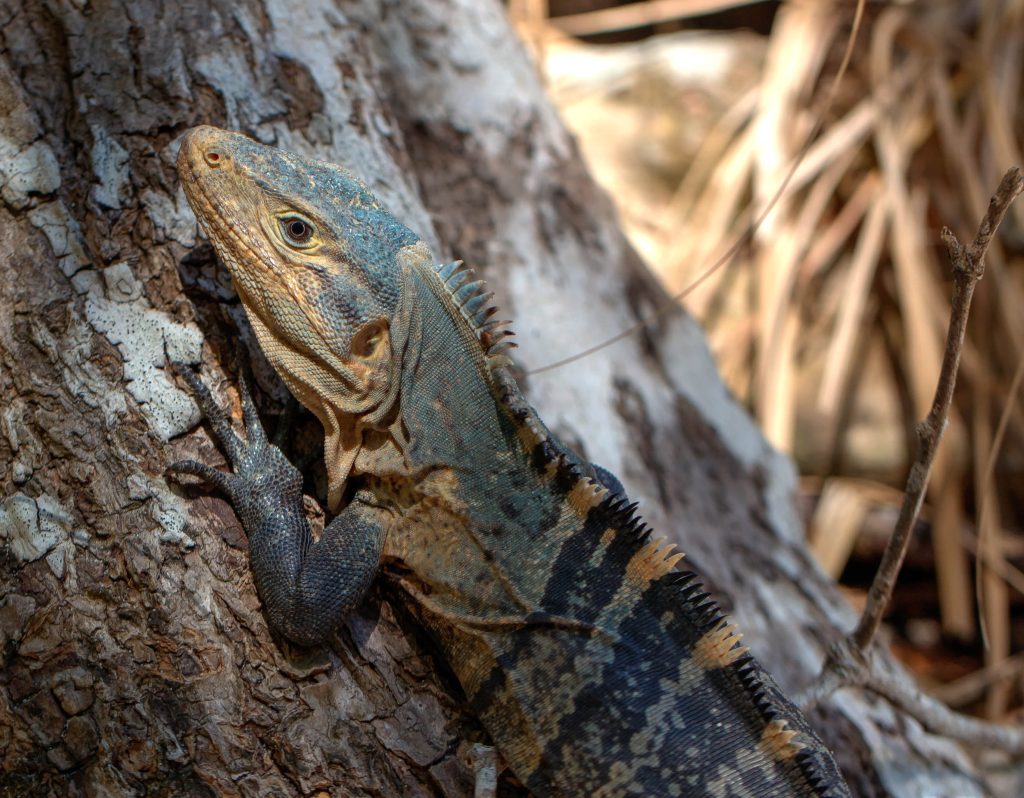
Armed with our wildlife guide, we checked off twenty-five species on our very first day. From delicate butterflies like the Small Postman and Julia to sought-after mammals such as coatis and agoutis. One unexpected highlight came at dinner, perched at a vista-view restaurant where the sunset gave way to two yellow-throated toucans playing in the treetops — nature’s version of dinner theater.
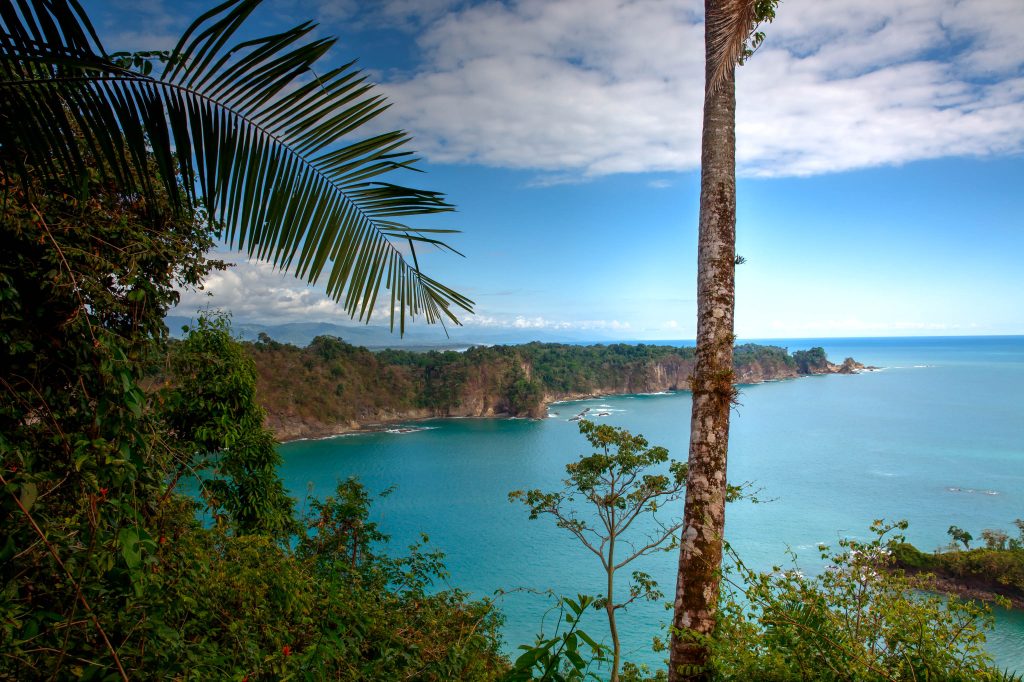
This is Costa Rica: lush green landscapes teeming with life, warm waters along an inviting coastline, and locals who welcome you in. It’s no wonder Americans moved here.
We do have a talent for ruining a good thing.