Kep Cambodia Travel Experience: Frogs, French Ruins & Famous Pepper Crab
Remember that fairy tale where the beautiful princess kisses the frog and it turns into a handsome prince? Fact: that doesn’t actually happen. Marii tested it. (More on this later.)
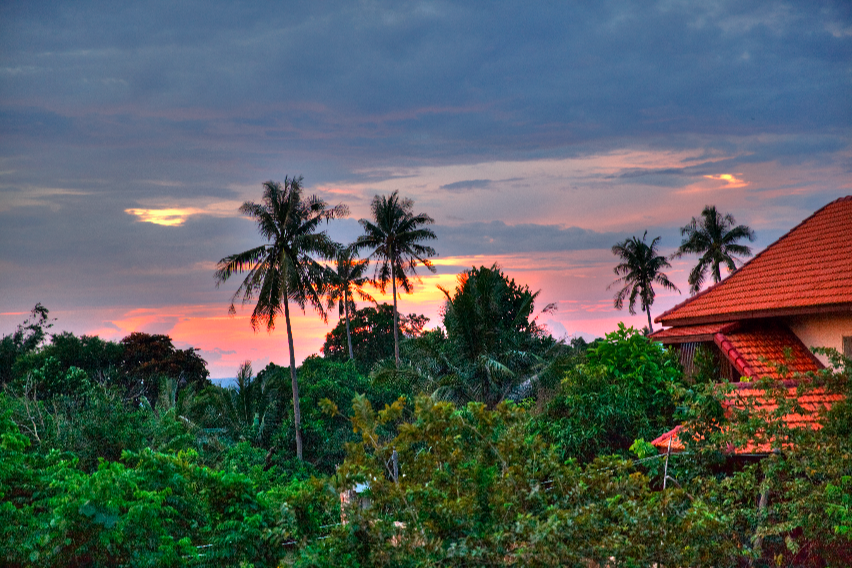
We left the farm for our last stop in Cambodia, Kep. Thinking we were finally out of the woods—rustic-conditions-wise—we arrived at a bungalow tucked into the trees. Normally, this is exactly what we love. But after a few hours of defending our territory from an onslaught of tree frogs, we came to a new conclusion: we love nature, we even love animals… we just prefer them behind the safety of a glass window.
Seriously. What is the deal with all the tree frogs?
Marii had already earned her frog trauma earlier in the trip when a palm-sized R. Kelly of a frog leapt onto her face, then promptly urinated down her back on Uncle Phil’s farm in Kampot. Here in Kep, it was my turn. Despite battening down the hatches of our mosquito net like a medieval fortress, one determined frog landed on top of it, failed to breach our defenses, and retaliated by raining a golden shower onto the back of my legs from his strategic ceiling position. Yuck.
Enough about frogs. Let’s talk about Kep.
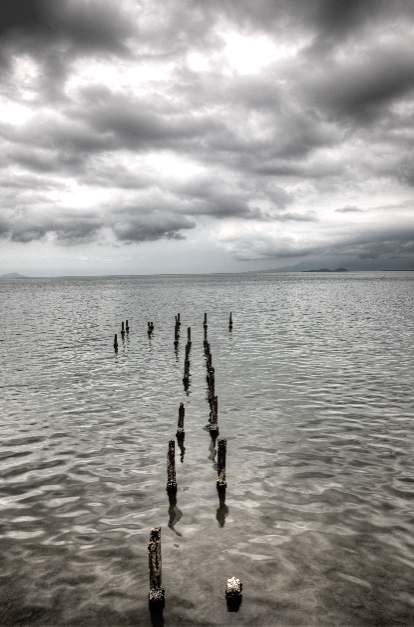
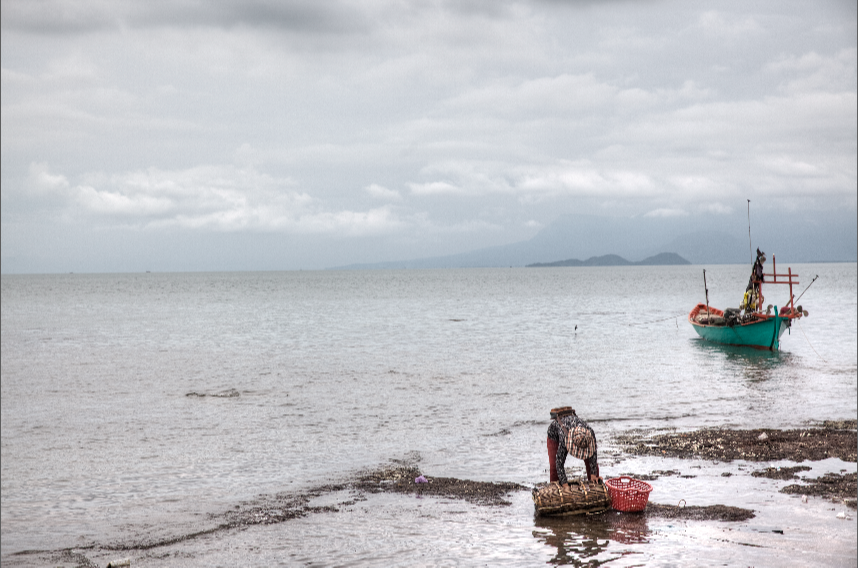
Kep is beautiful—easily the most comfortable, relaxing place we experienced in Cambodia. It’s no wonder that when it was a French colony, wealthy elites built their massive seaside villas here. It’s a quiet, calm, natural wonderland. Kep is slowly getting its legs back under it, like a paraplegic learning to walk again. One day in the not-so-distant future, all the prime real estate will be gobbled up. The burned-out shells of French villas left behind from the Khmer Rouge era will be replaced by massive hotels, unloading busloads of Chinese tourists who’ll step off to snap seaside photos like they’re the first ones ever taken. Until then, Kep remains mostly untouched, with new construction happening in harmony with the surrounding nature, preserving the same look and vibe it had 50 years ago.
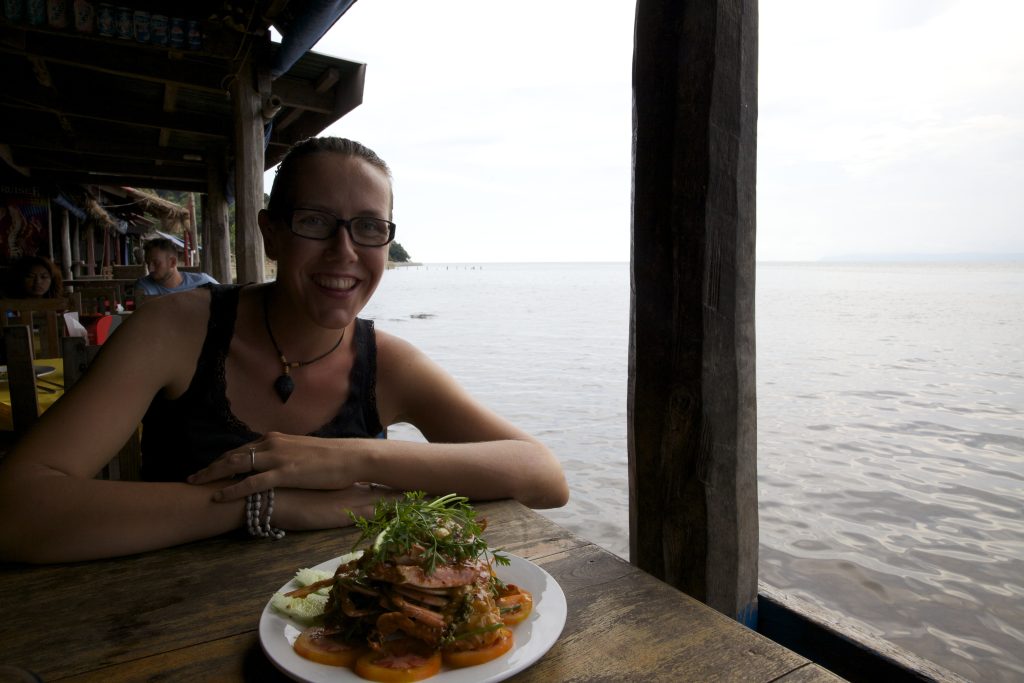
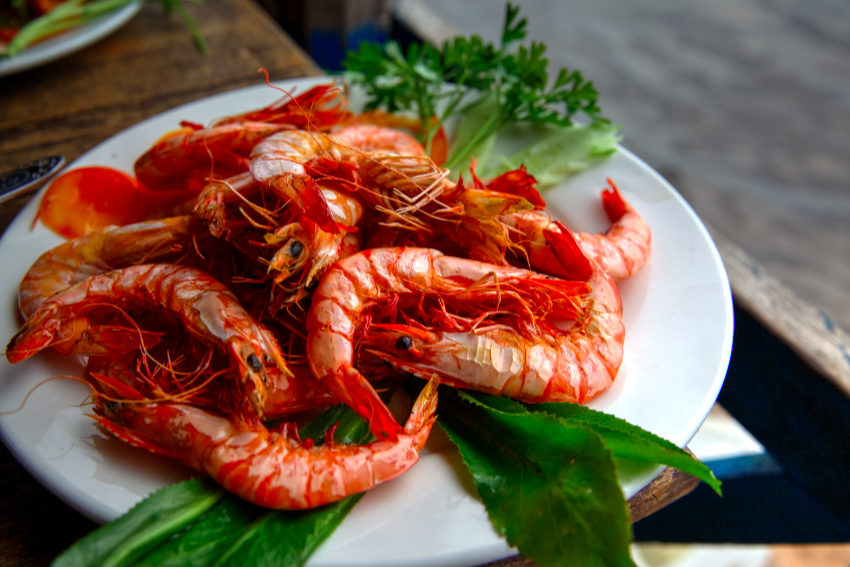
This was our last stand in Cambodia, and it’s where I finally got to eat that famed green peppercorn—the mysterious little spice so packed with flavor that other sauces need not apply. Kep’s bustling crab market fills with the day’s fresh catch each morning and transforms by afternoon into a seafood paradise serving crabs grilled, fried, baked, or raw. Shrimp, squid, everything imaginable, all lathered in that magical combination of lime juice, green peppercorn, black peppercorn, and a hint of sugar. Every single bite was pure joy. It was everything I’d hoped for and will remain one of the culinary highlights of this entire trip.
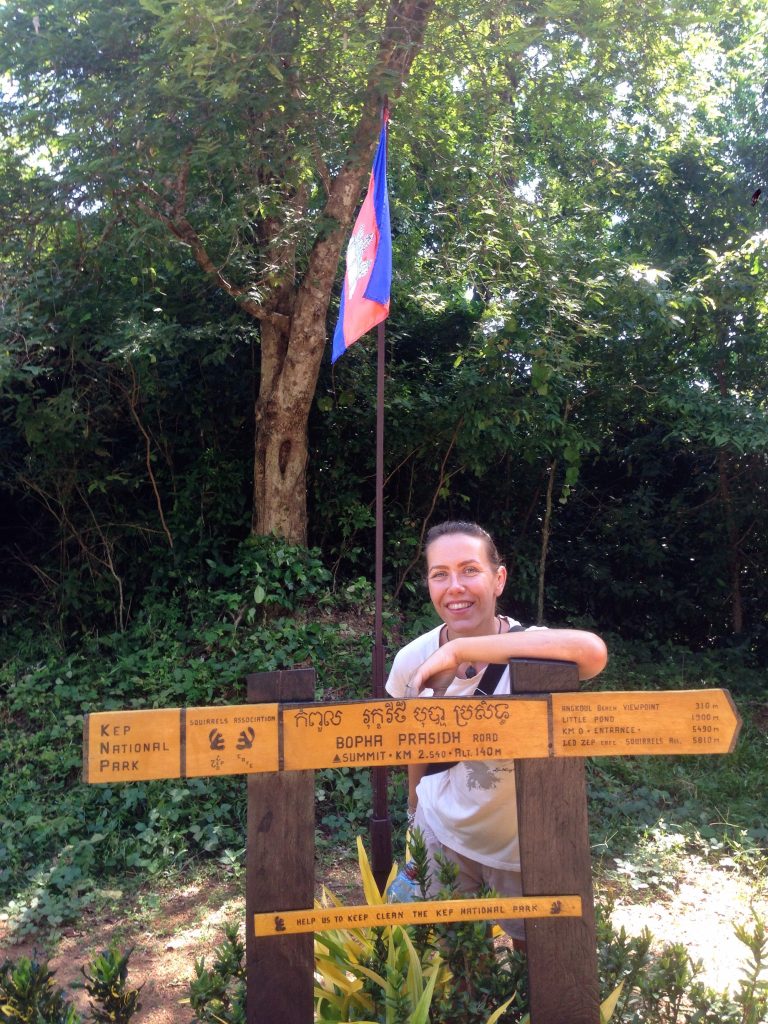
We took our time in Kep, engaging with locals and expats, easily understanding why so many choose to make this place their new home. We wandered through the national forest, soaked up the serenity, and savored the freshness of the seafood, quietly making mental notes of a town that will almost certainly look and feel very different the next time we visit.
Leaving Kep—heck, leaving Cambodia—reminded us why we travel. All your preconceived ideas, expectations, and other travelers’ warnings get shattered the moment you experience a place for yourself. The Khmer people, despite having one of the hardest recent histories imaginable, greet you with warmth and smiles. Fueled by a relentless drive for a better life, they continue to emerge from deep poverty and the shadows of their past, striving for unity and progress—not just for the individual, but for the whole. It’s a goal even the most developed countries are still struggling to achieve.