Couchsurfing in Portugal and the Space Between Dream and Reality
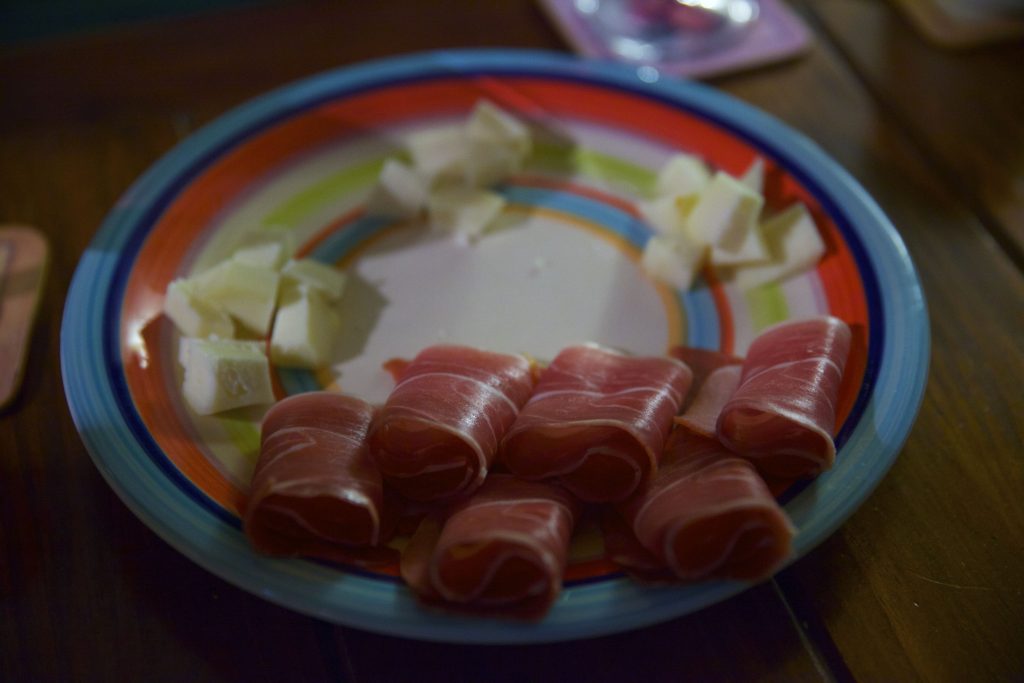
One of the first questions posed to me by our Couchsurfing host upon arrival in Faro, Portugal, continued the epic of our adventurous journeys: “What’s your Imaginarium of Portugal?” After digesting this, my mind wandered through exotic fantasies of the country: fresh local seafood, lively conversations over wine and cheese in cozy cliffside restaurants, winding cobblestone streets, and a sense of hospitality where even strangers are welcomed off the bustling street. How could a land live up to such an imaginarium? Ricardo, our host, countered with the question: where does this imaginarium even come from? Is it a movie, an image, a poem, the news, a story a friend told, a chance encounter with a local, or a brochure once glimpsed? The question lingered in our minds for the duration of our stay.
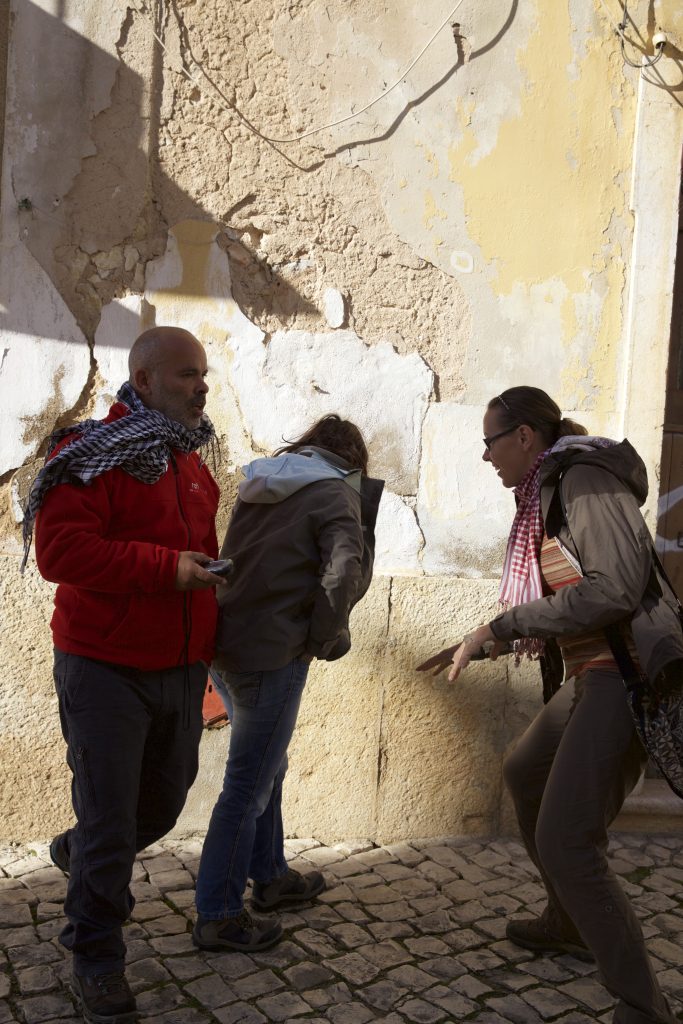
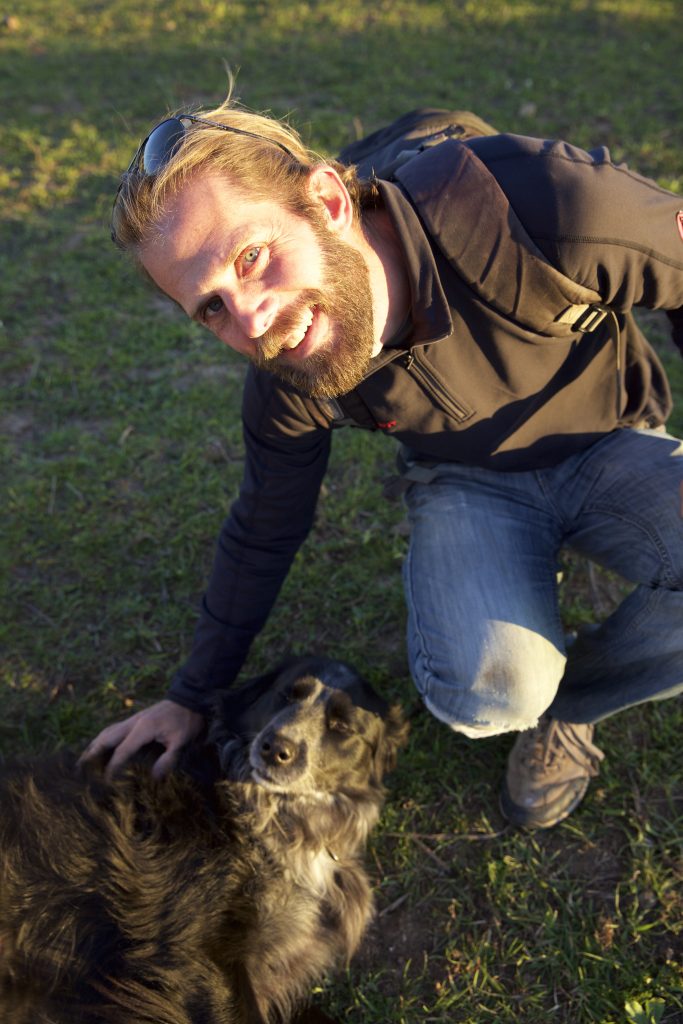
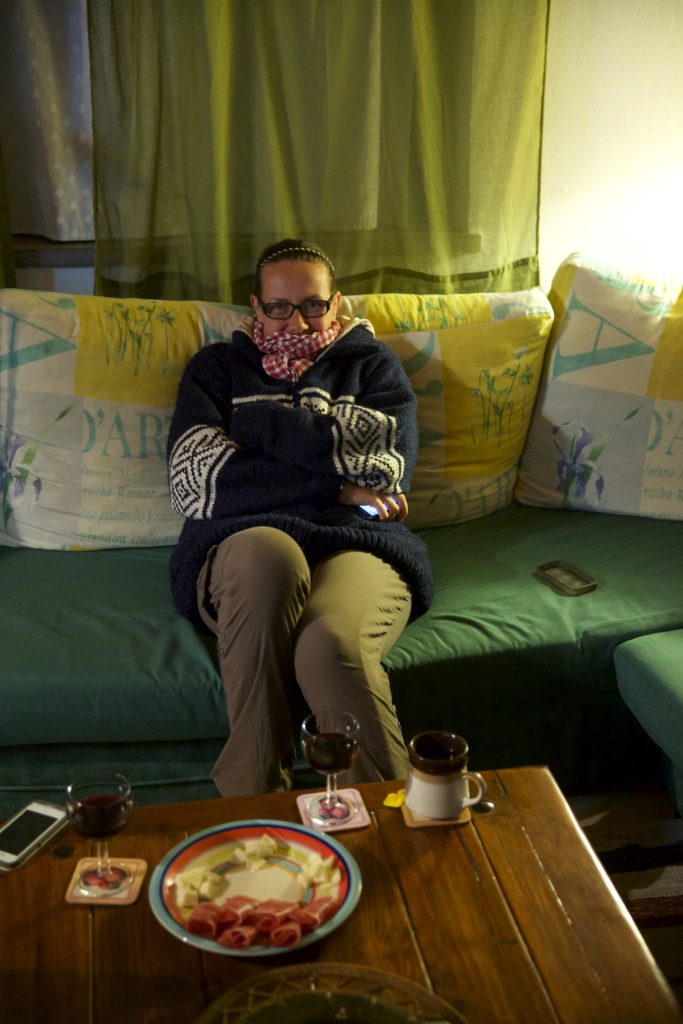
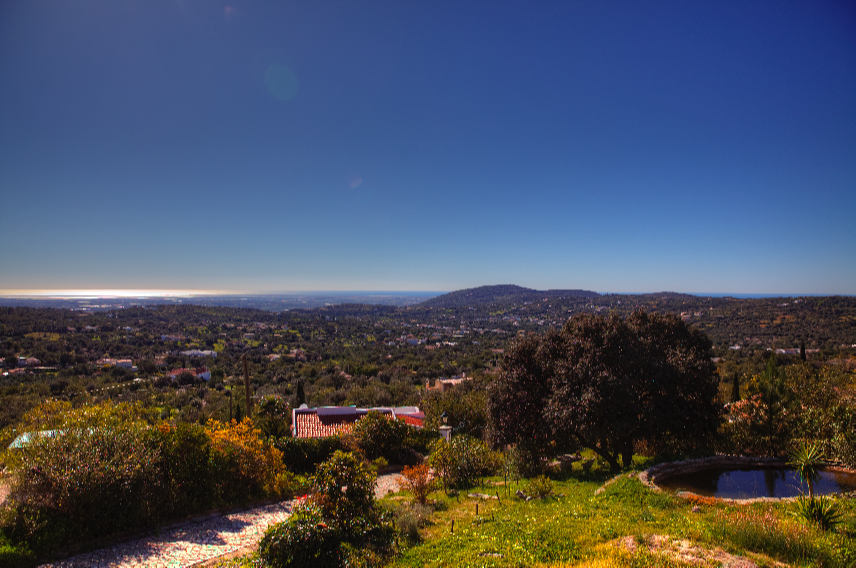
It’s not often someone warns you to bundle up for the brutal cold of Portugal’s southern coast, but for two spoiled, thin-blooded, equator-trekking travelers, this was the reality. Not Estonian cold, mind you, but still enough to make us unprepared. Peering out from under our electric blanket at the expansive hilltop view from our Couchsurfing hosts’ luxury villa in Bordeira didn’t quite capture all of Portugal. Thankfully, our hosts equipped us with proper winter attire, and we set out to explore the Algarve — a region largely inhabited by expatriates — through the wondrous world of geocaching.
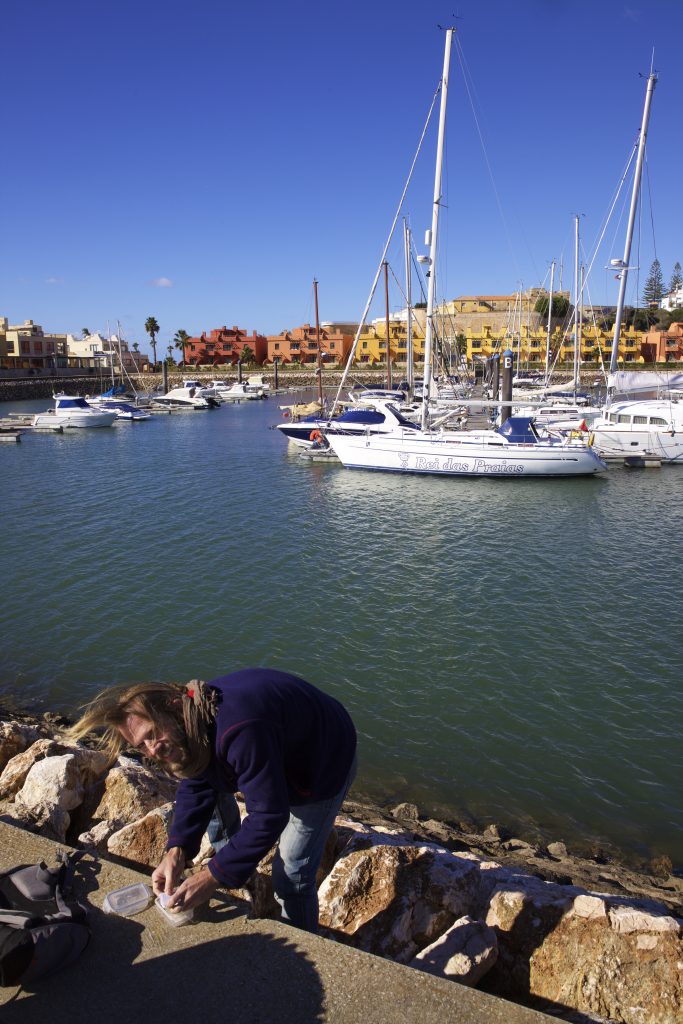
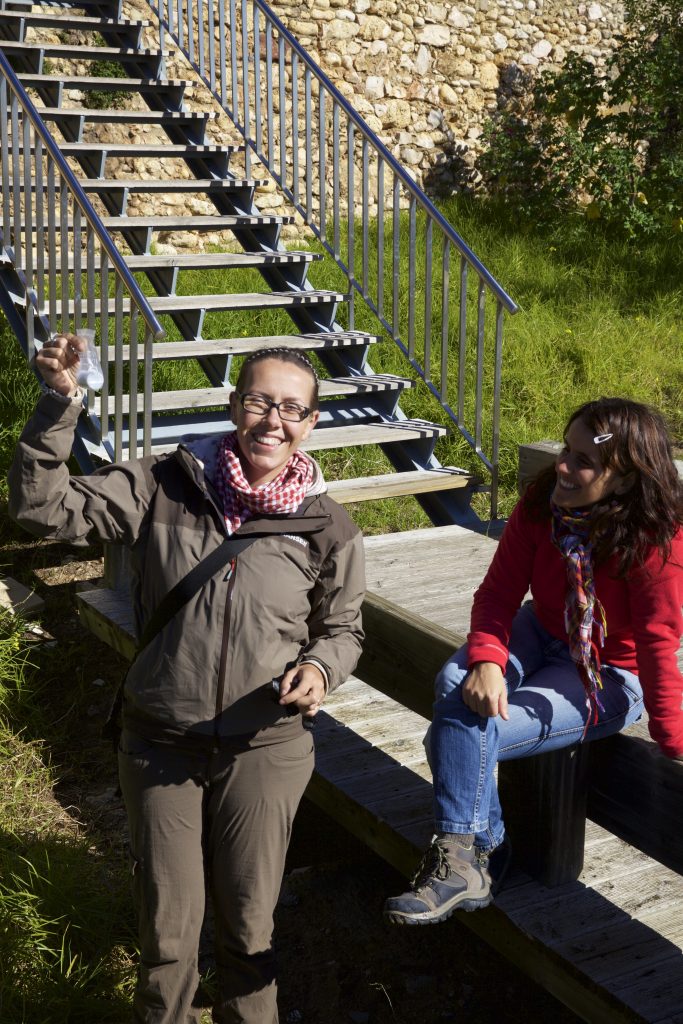
If you haven’t heard of geocaching, you’re not alone. It’s a modern-day treasure hunt that gets you out exploring parts of the world you might otherwise overlook. Armed with only a GPS and coordinates, you track down small boxes containing trinkets and logbooks recording your accomplishments. Some caches come with historical stories, riddles, or even math problems to solve. Ridiculous or amazing, it’s impossible to deny that geocaching sharpens your observation skills and injects adventure into your journey.
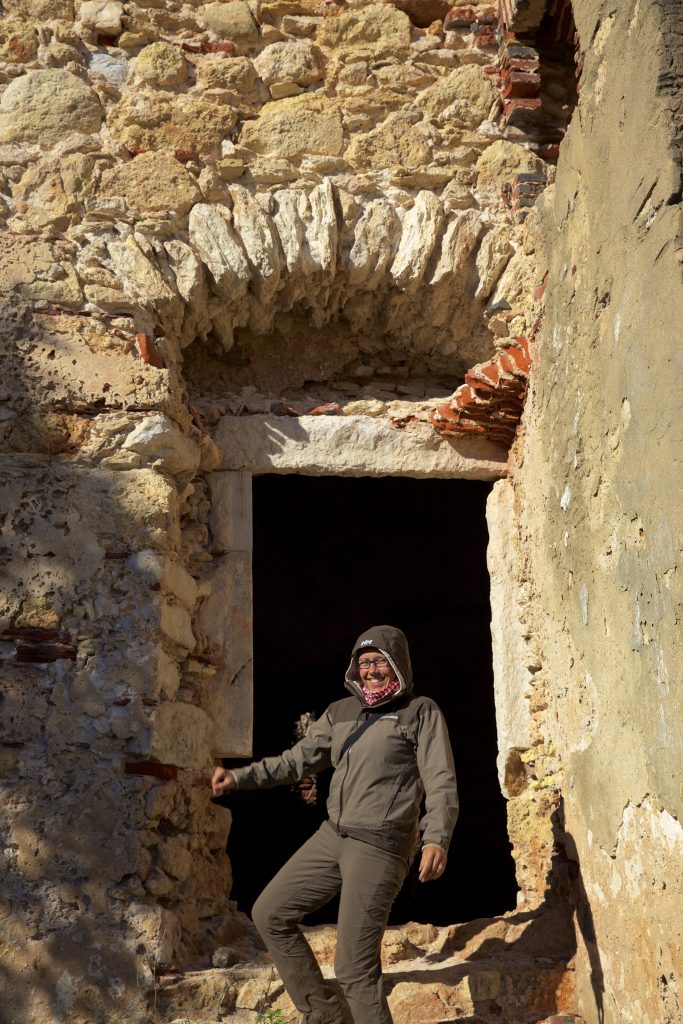
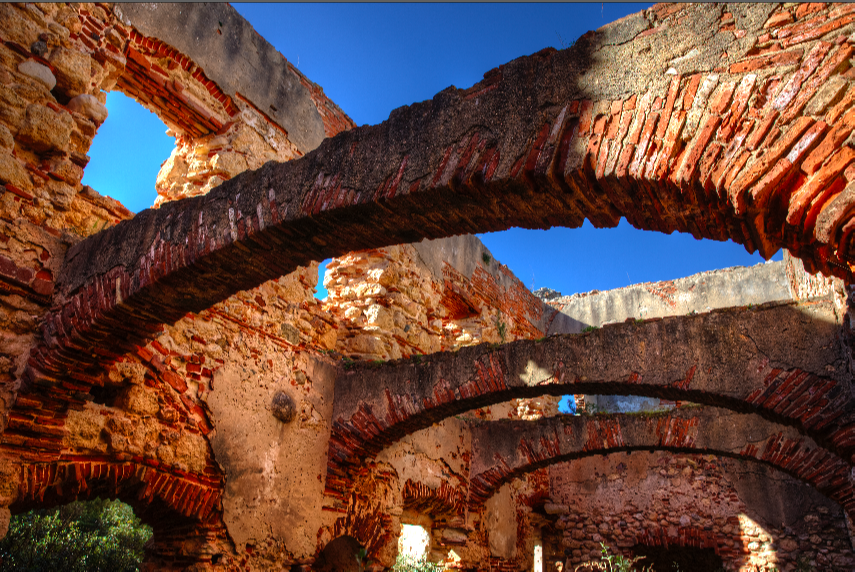
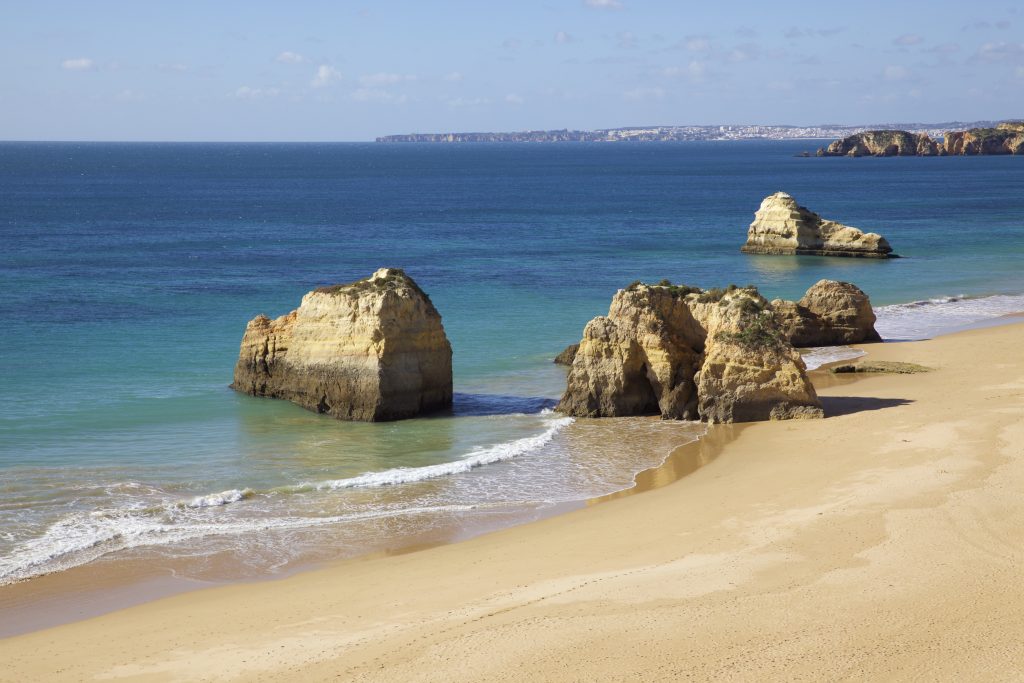
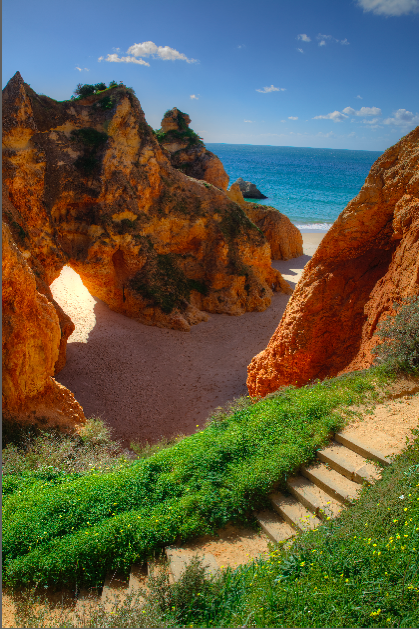
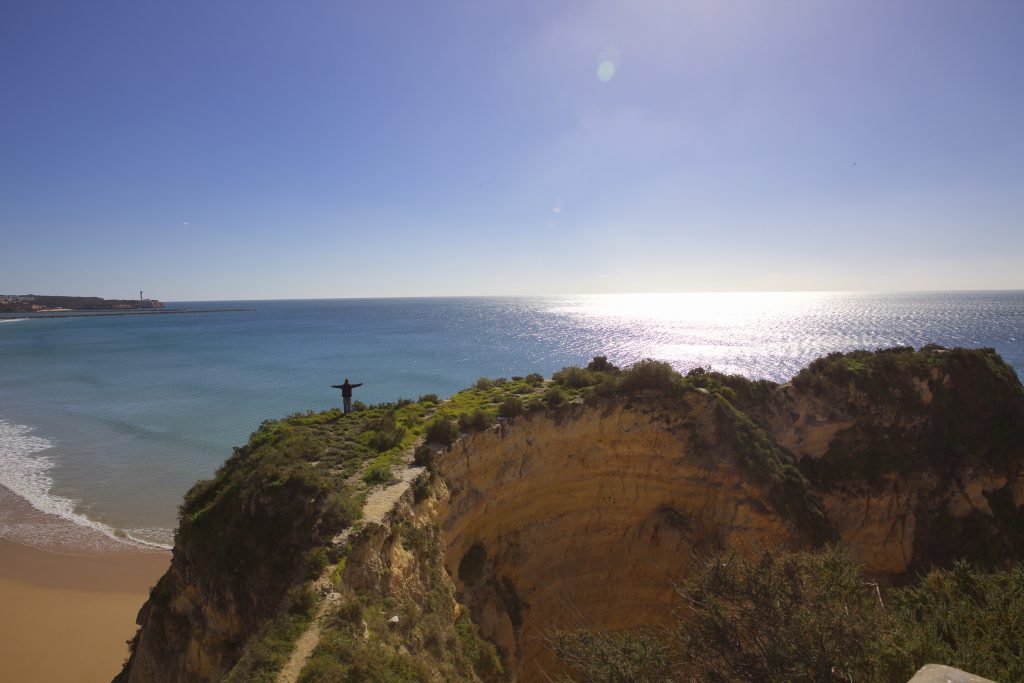
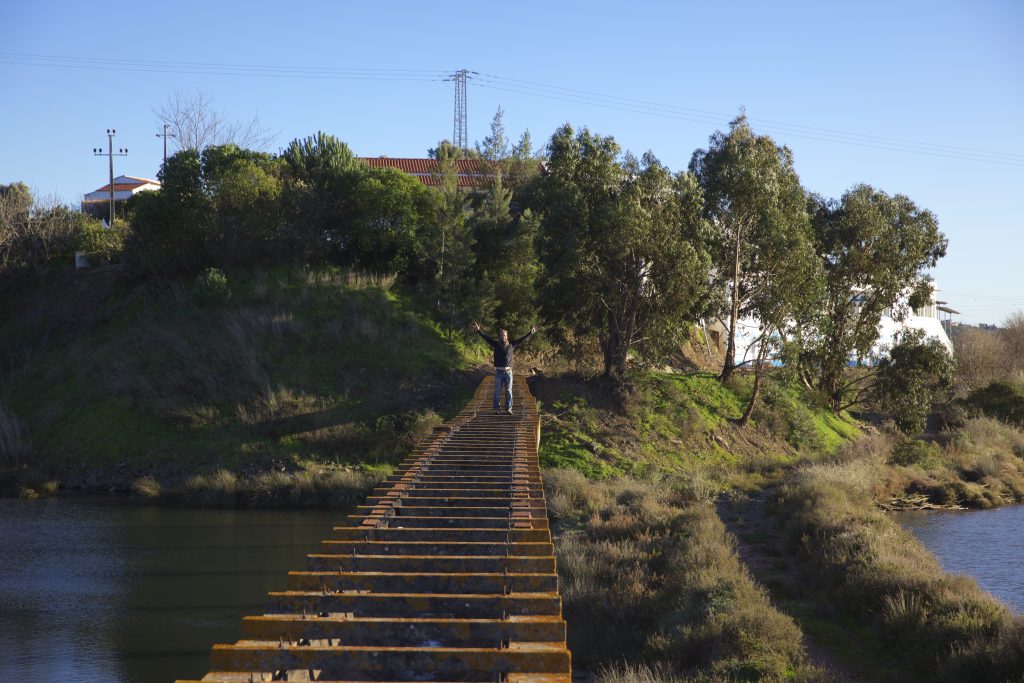
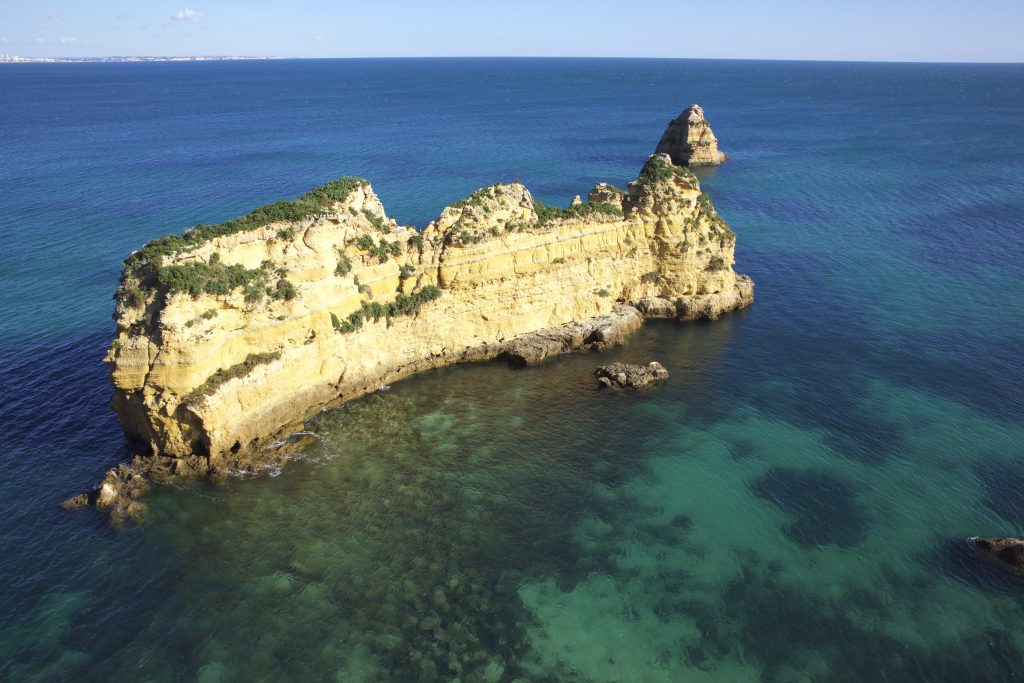
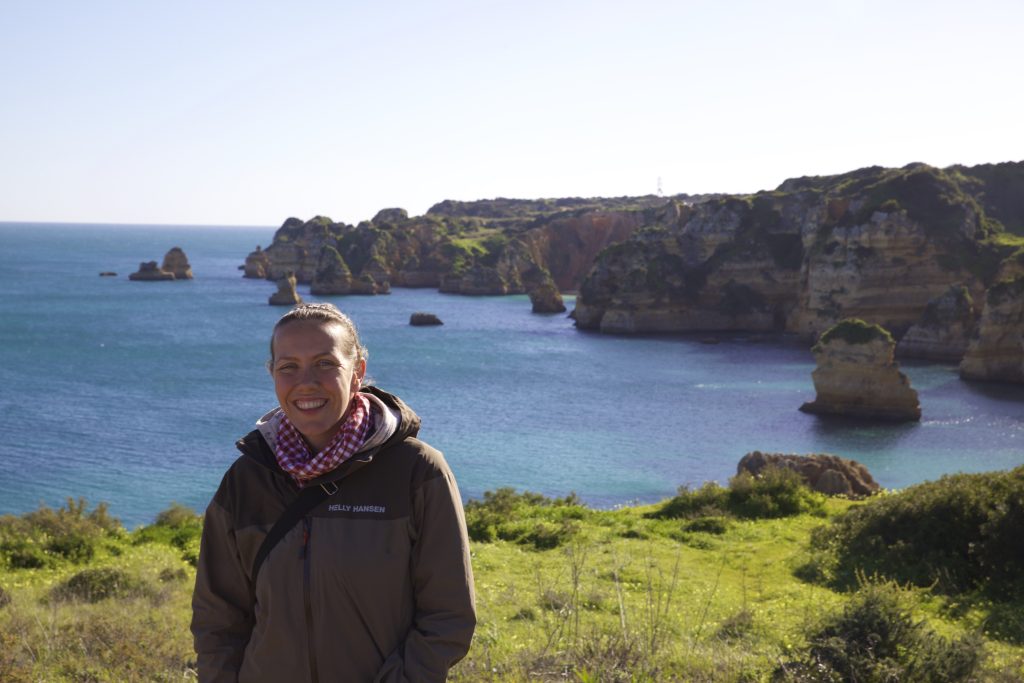
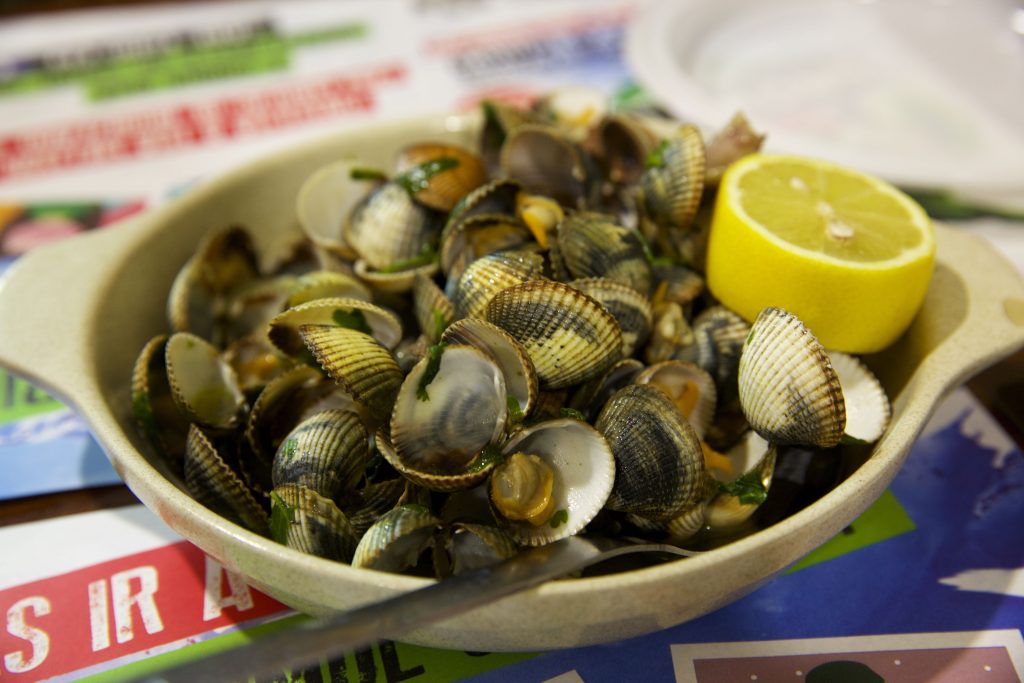
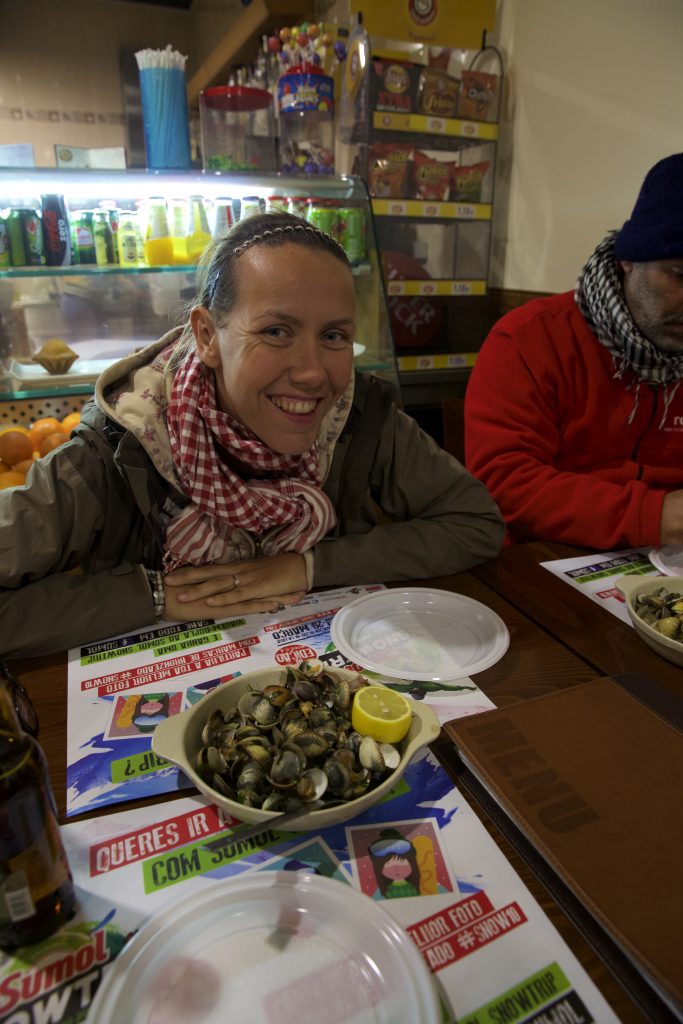
Our treasure hunt led us down the Algarve’s spectacular coastline, where yellow sandstone cliffs jutted into the clean blue sea, weaved through traditional Portuguese villages, and even into an ancient castle. After a full day of exploration, our empty stomachs were filled by a local seafood market — purchasing shellfish to be steamed next door by a nearby restaurant. A scene worthy of even the most imaginative imaginarium, made possible by Couchsurfing.
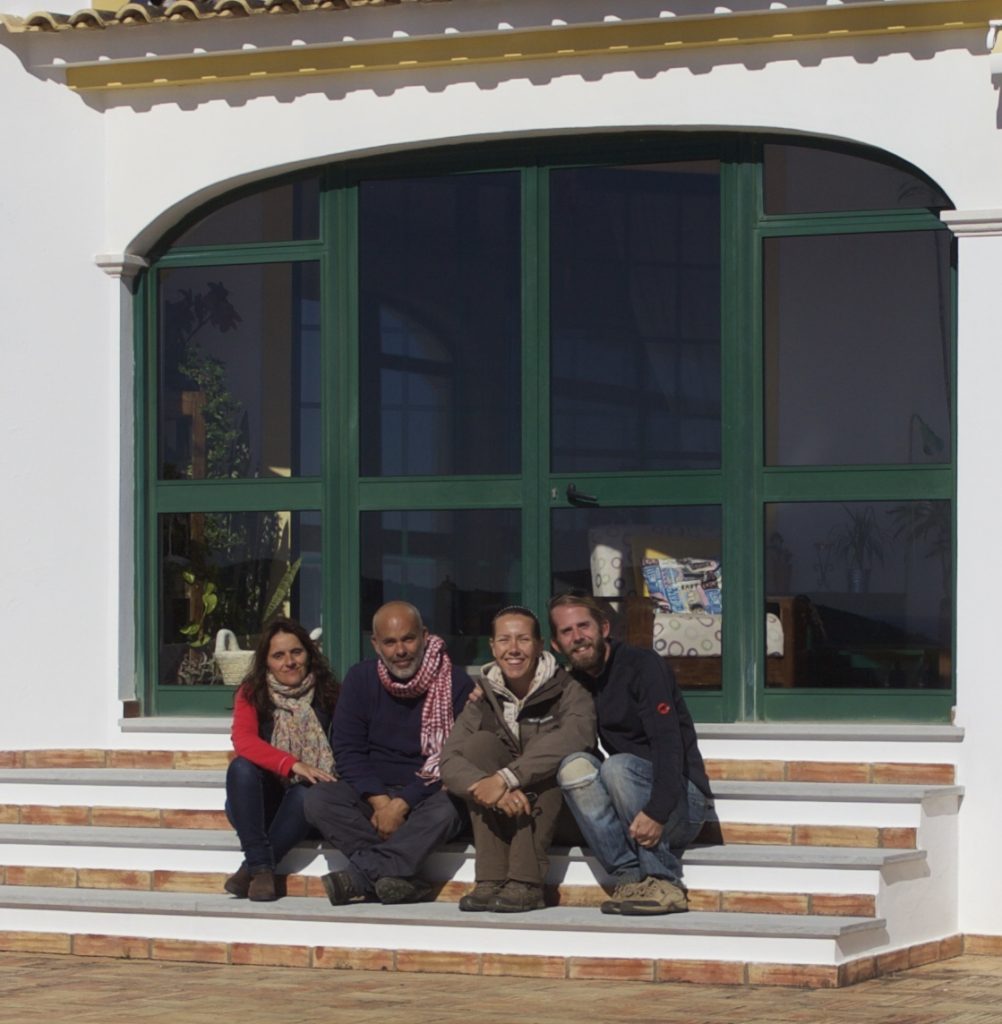
Couchsurfing is a traveler’s drug: it races through your bloodstream, allowing instant absorption of local experiences. You could land in a new country and join a rooftop party of fun-loving locals within two hours — an experience that might take a week to orchestrate alone. Thanks to Ricardo and Laura, we were given their villa and apartment, but also a month’s worth of cultural insight condensed into two days of heartfelt conversation, reshaping our understanding of a country still recovering from the loss of its once-great empire and long-ago economic crises.
These conversations and connections don’t happen by chance. When they do, they are special. This is the magic of Couchsurfing: it humbles you, molds your idealistic imaginarium into reality, and reminds you of the balance between dreams and the world as it is. It’s important to dream. Without an imaginarium, the world becomes bitter and harsh. But remember: your dream exists in a bubble surrounded by reality — not floating away into pure fantasy. Creating a balance between imagination and reality is what makes life worth living.
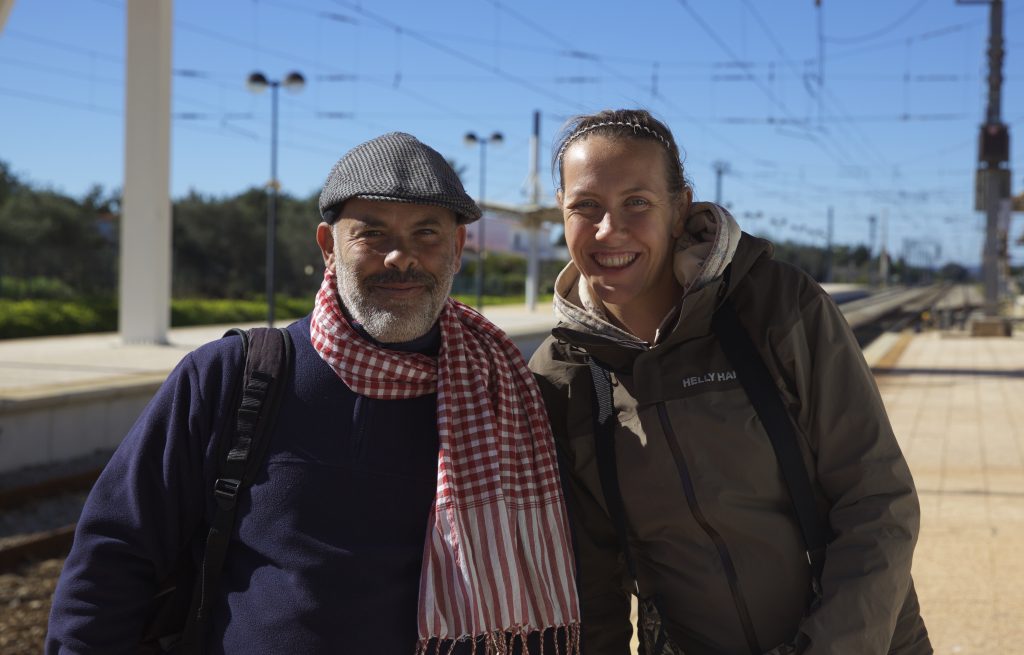
A change of pace for sure!