A Coimbra Portugal Travel Essay on Class, Culture, and Everyday Life
If you made it this far into our Adventure…congratulations! You and I have reached a milestone together: the 100th blog post! Insert balloons falling We did it! It’s been incredibly rewarding to keep you updated via this blog, and we’re thrilled we decided to maintain it along our journey. Thank you for all the support and comments along the way — they’ve definitely fueled the fire to continue writing. With that, let’s aim for 200, shall we? That just means more traveling, which shouldn’t be a problem. Enjoy the post!
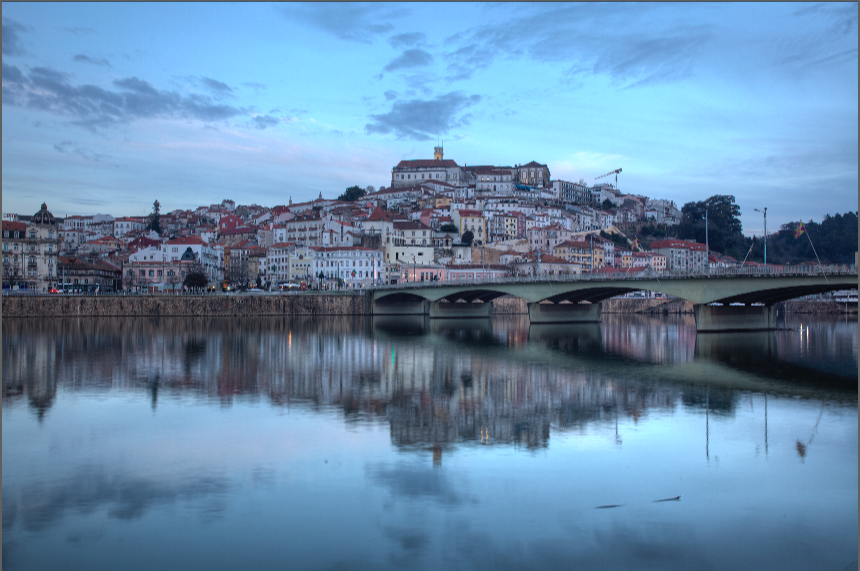
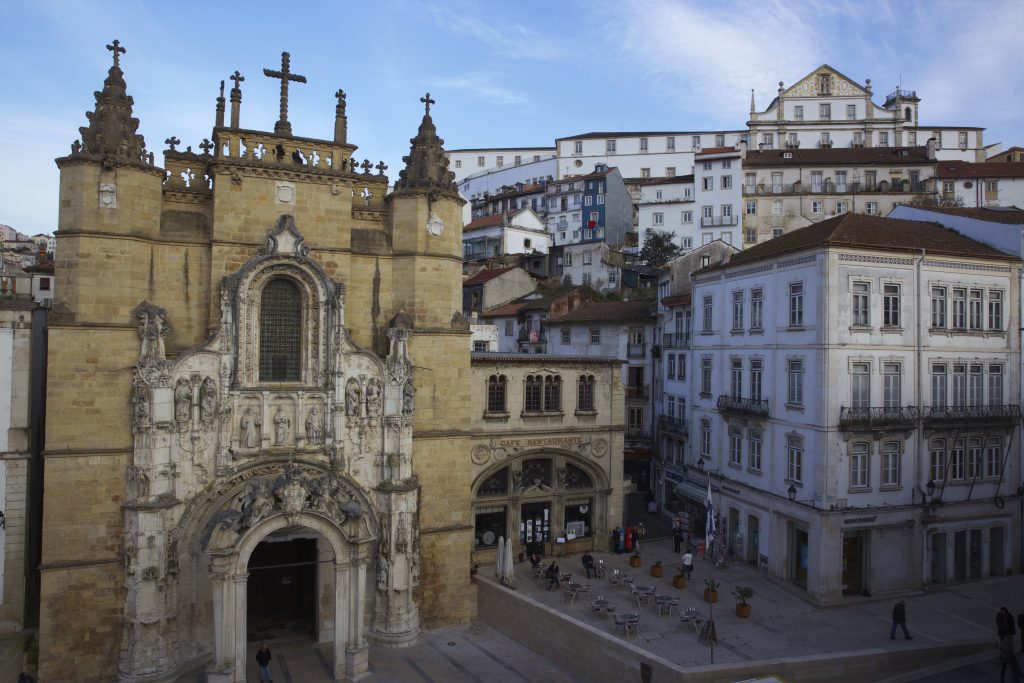
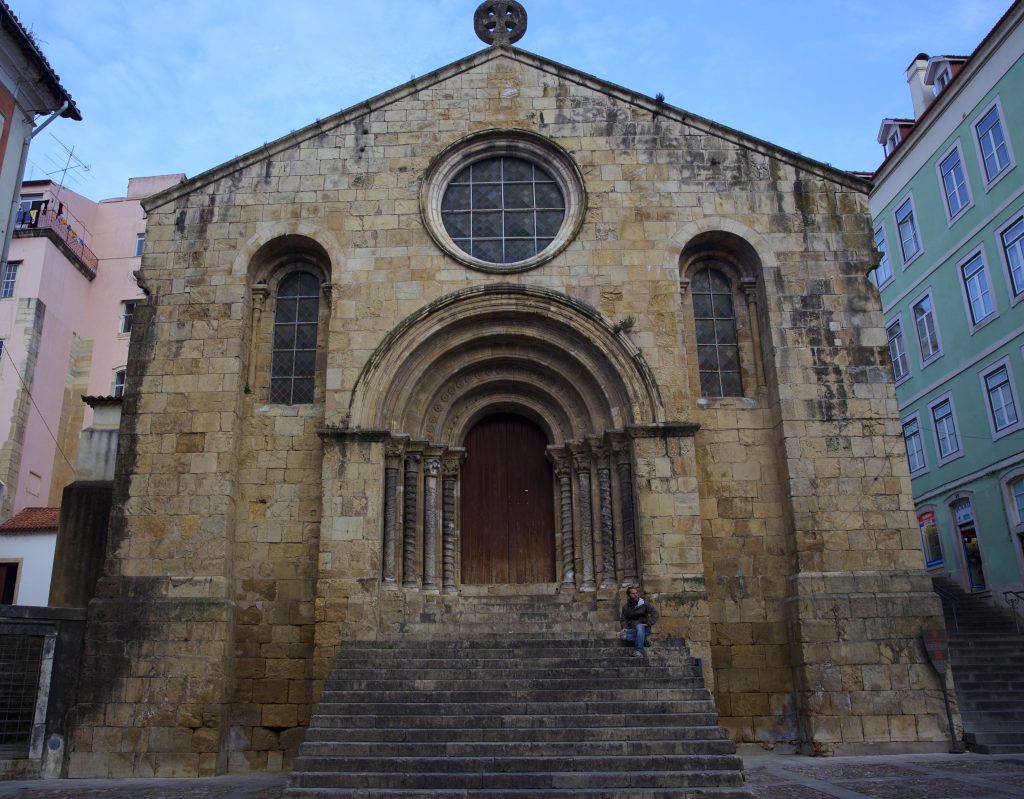
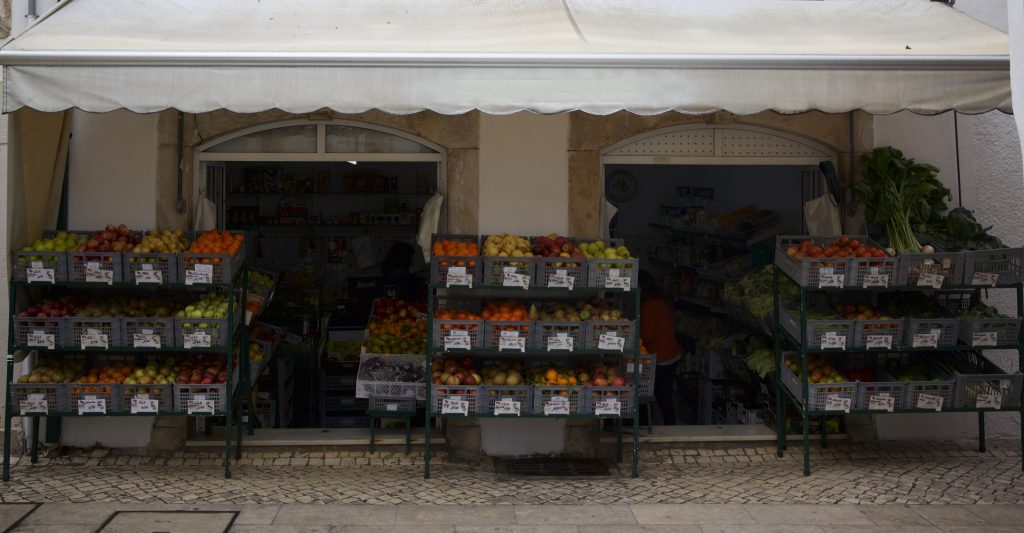
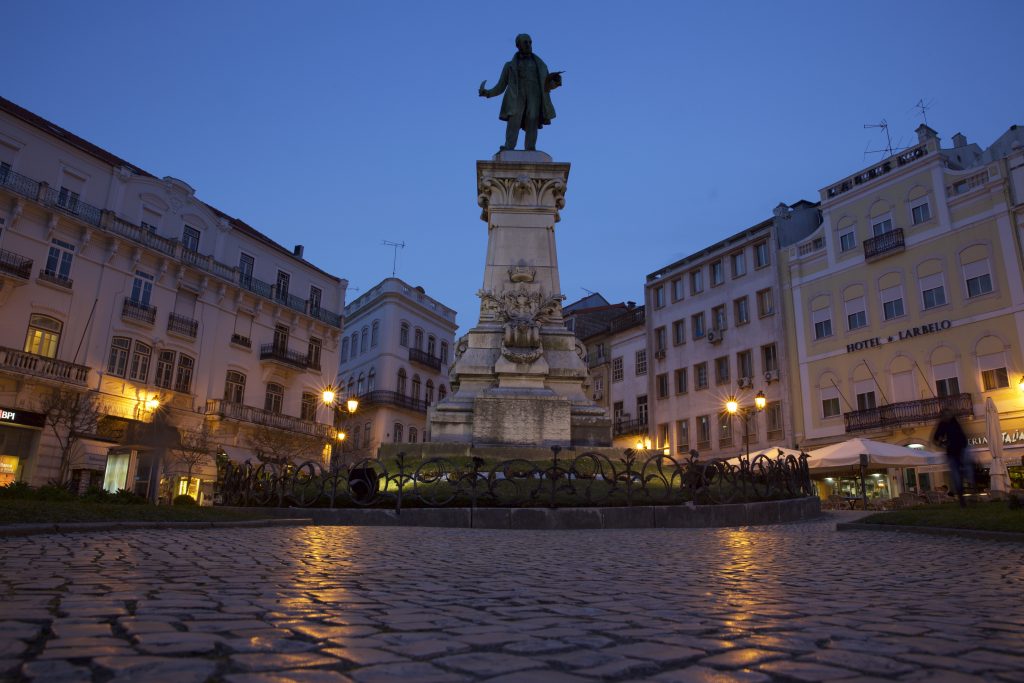
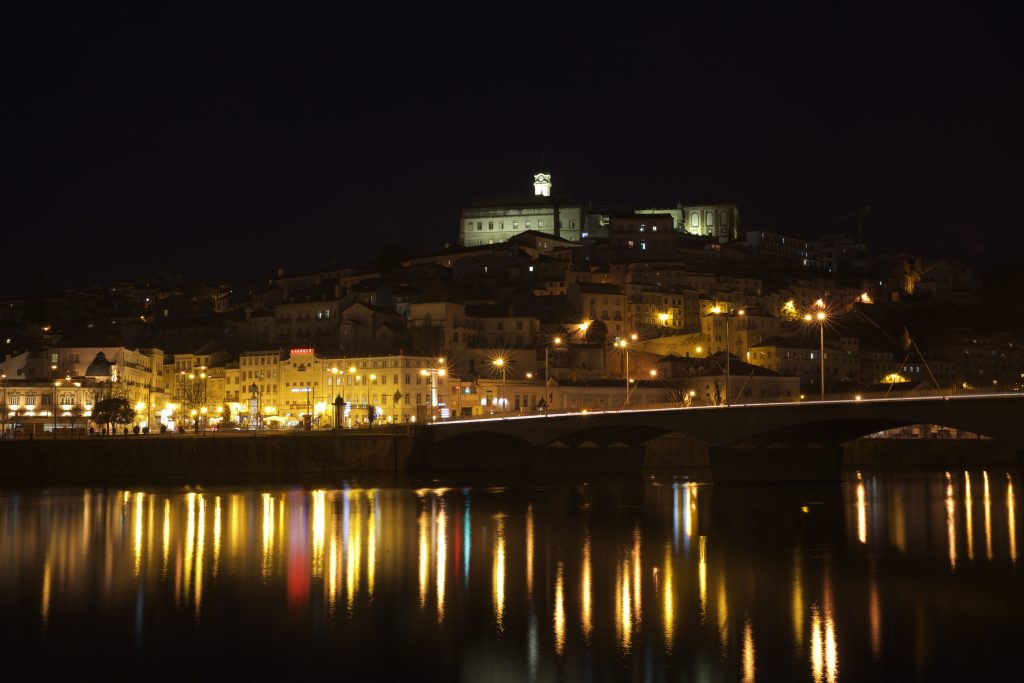
Gone were the mystical castles that invite you to play fantasy in a land seemingly designed for the world’s greatest LARP. In their place, Coimbra’s cracks and lines etched into the well-worn faces of its working class revealed a different story — where even the most unobservant passerby could tell where life had handed them hard lessons. From the outside, the city maintains the charm of its southern counterparts, but like a commercially assembled runway model, it betrays a fragility beneath the surface. Beyond the central plazas and winding streets, it’s obvious this city has weathered the storms of Europe’s economic crises. Whether it was the frequency of unrenovated buildings or the wary eyes of the elders, there’s a past even the best makeup job couldn’t hide.
The dichotomy of Coimbra is striking. Its rising youth, perched around the city’s main attraction — the university, proudly atop the highest hill — pursue education, hope, and passions. Whether their late-night parties are a rite of passage, a freshman 15 in the making, or a distraction from harsh realities, the truth remains: unless they become engineers or doctors, the odds of ending up like Grandpappy Pepe down the hill — struggling to make ends meet — are high. It’s a sobering glimpse behind the veil of the bubble our Imaginarium often creates.
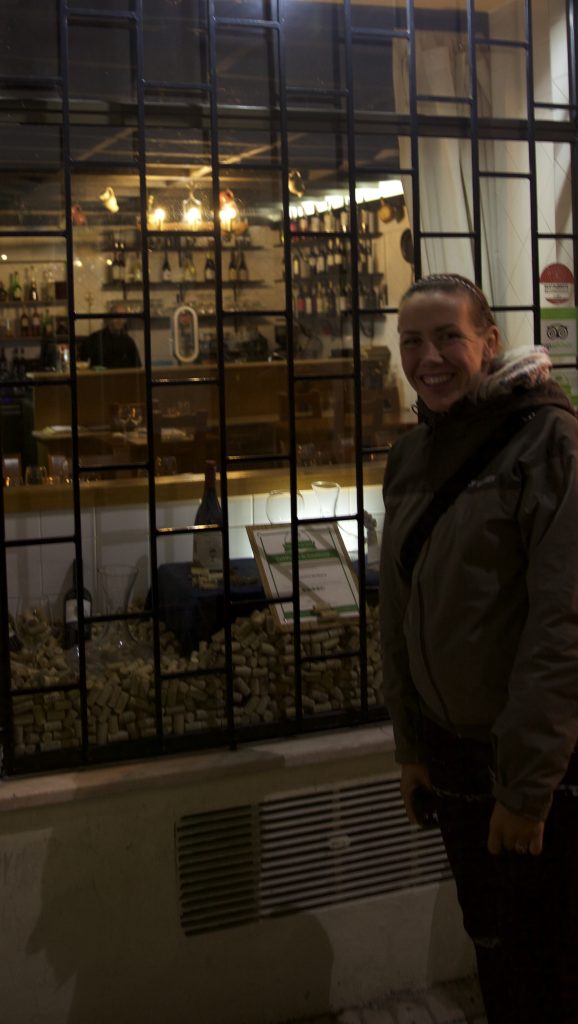
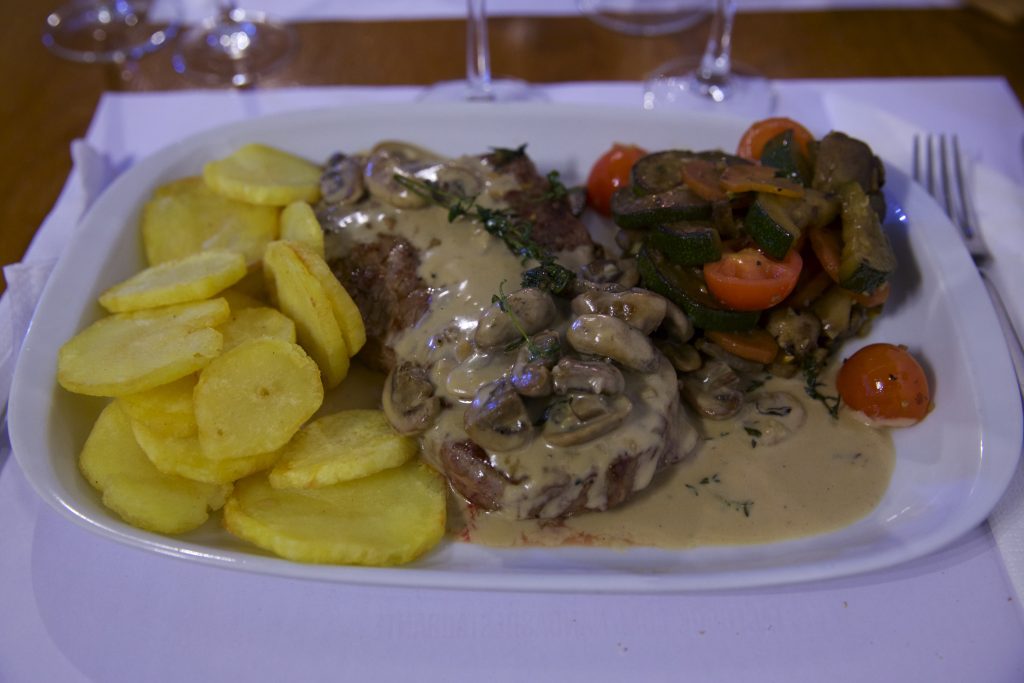
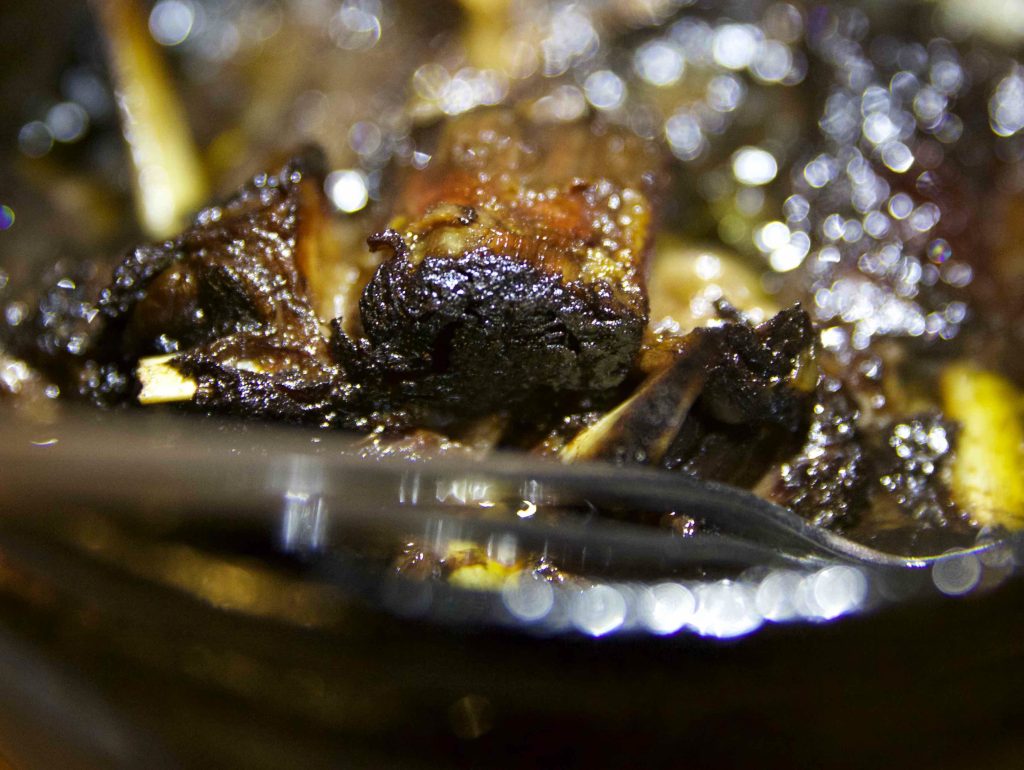
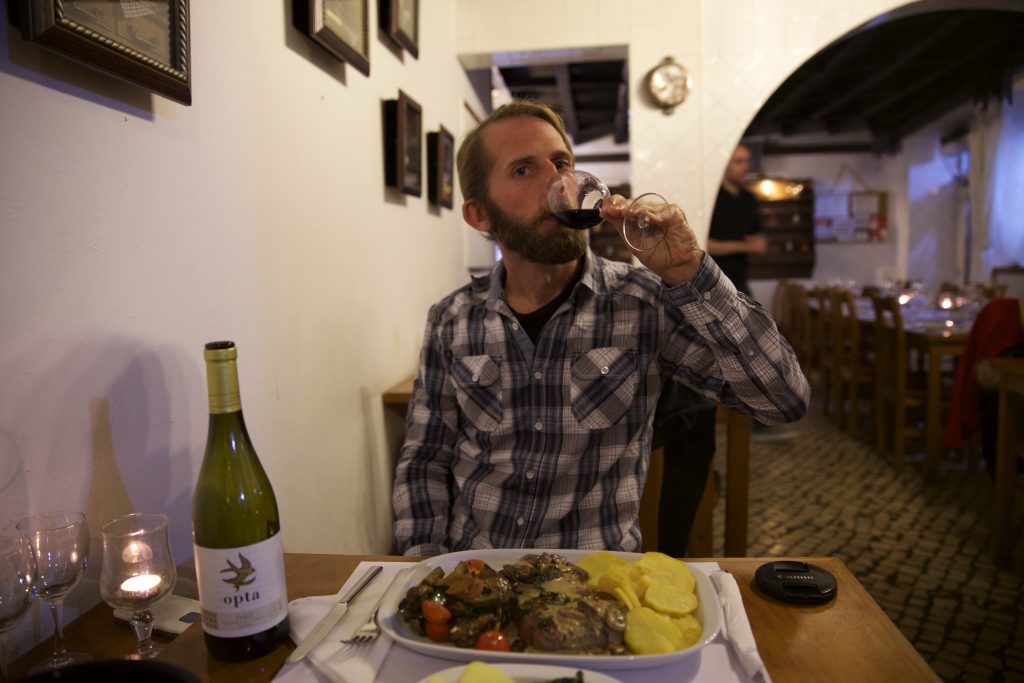
One bright spot of a hardworking community is how it shapes its food. Often, the best, most heartfelt dishes come from humble kitchens — cuisine cooked with care, designed to nourish without breaking the bank, honoring the daily grind of everyday life. Marii found us a family-run restaurant that exemplified this ethos: eight tables, packed regardless of the season, served by one diligent waiter. Here we dined on a regional favorite, Chafana — stewed goat in wine sauce that fell apart on the fork, caramelized to perfection, rich, and intensely flavorful. Each bite left your mouth craving more while your stomach tapped out.
Normally, at this point in the evening, you’re so deep into a food-and-wine coma that you blindly sign a bill that could cover your next car payment. But in Portugal? Bliss. Satisfaction outweighs practicality. Instead of questioning the cost, you bask in euphoria, plotting your next return and wondering why on earth you haven’t already moved to this glorious country.