Canadian Rockies: Yoho National Park & The Iceline Trail Experience
There are moments when a place is so impossibly grand that the brain simply stalls out and goes into screensaver mode. The Canadian Rockies do not warm you up to this gently; they fling open the curtains, blast the trumpets, and point directly at 10,000 years of ice as if to say, Welcome. You’re small here.
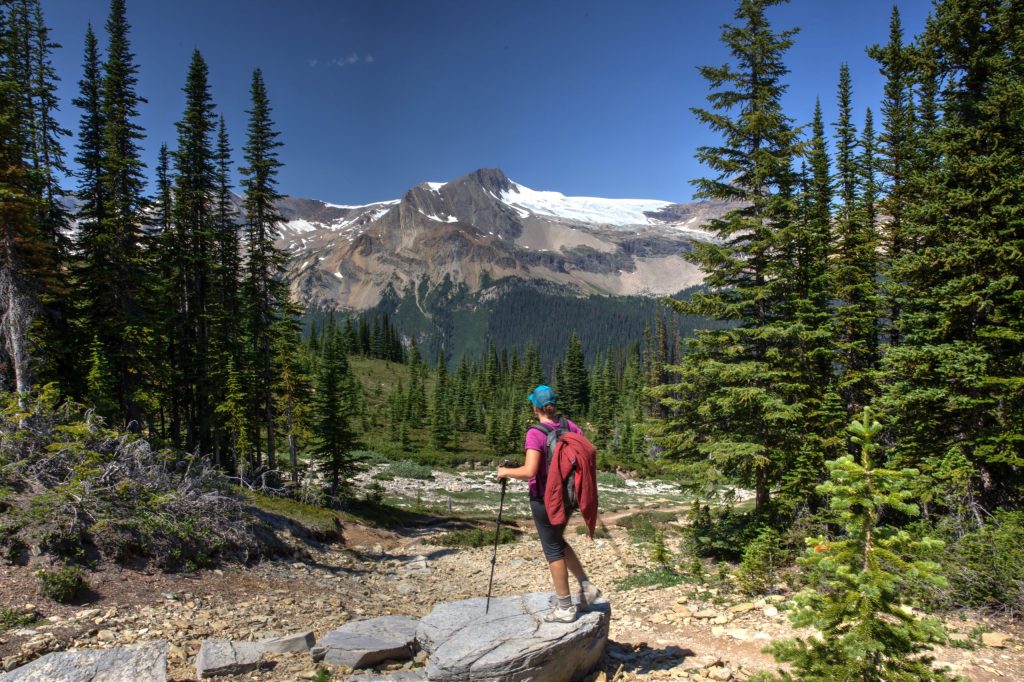
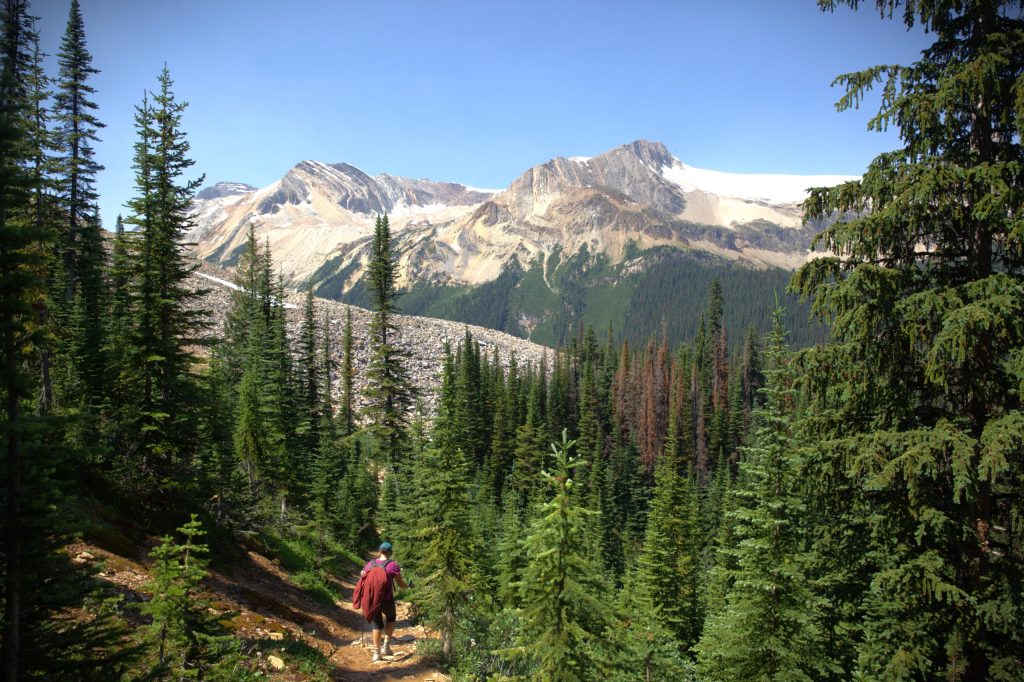
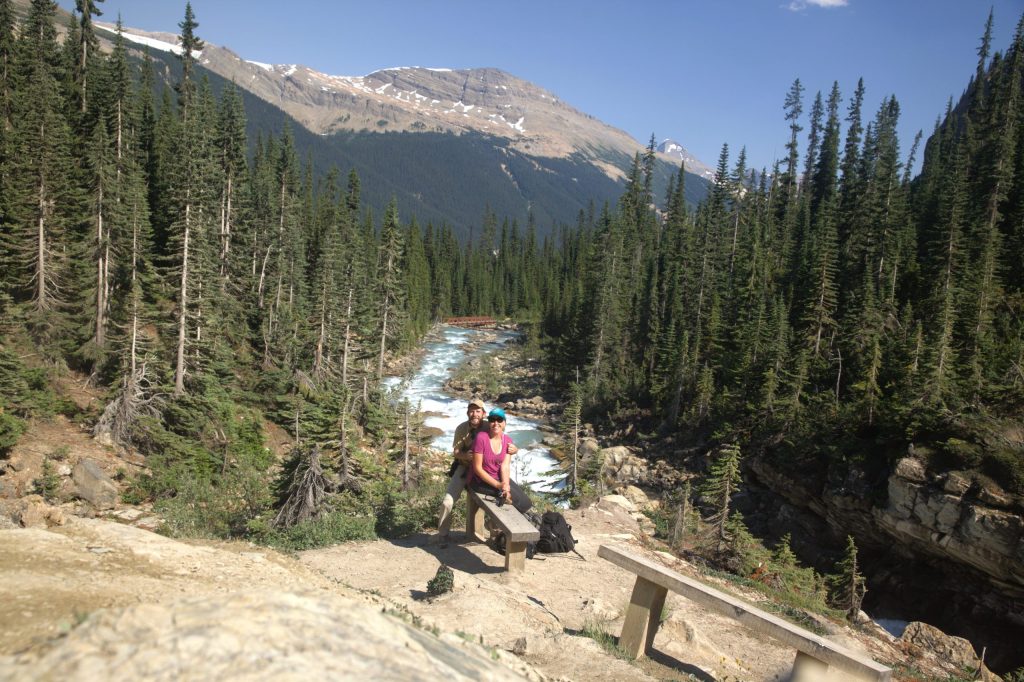
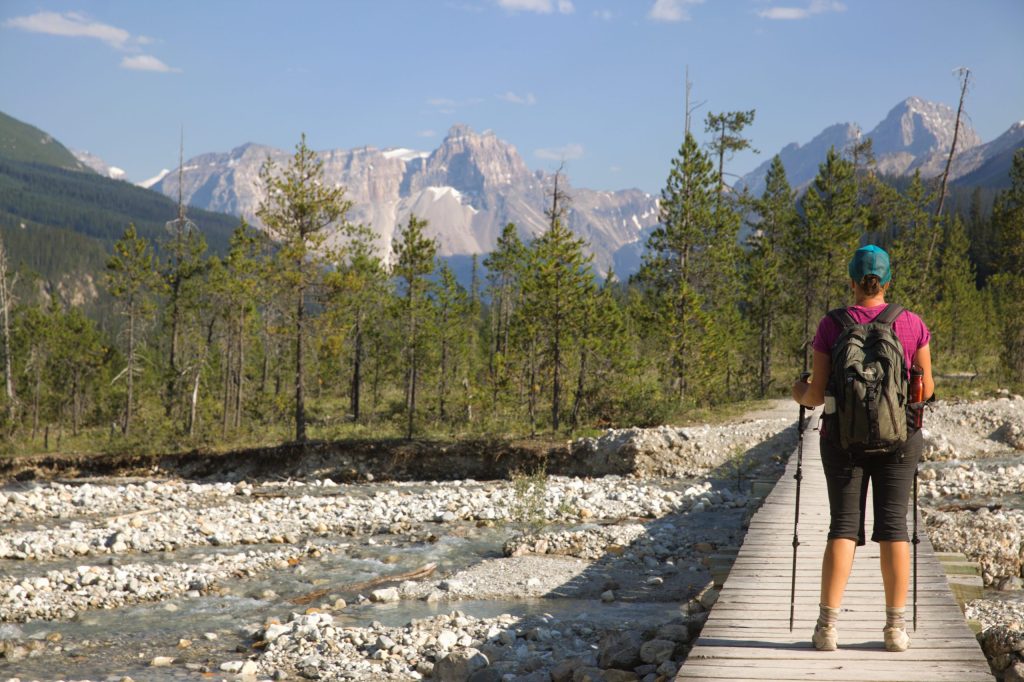
Our introduction came in the form of Yoho National Park’s Iceline Trail — 16.5 miles of what can only be described as high-altitude theater. Act I: glaciers staring back at you like ancient, unblinking judges. Act II: shale switchbacks where gravity negotiates with your lunch. Act III: waterfalls that do not so much fall as explode out of cliffs in full dramatic monologue.
But before the show, there was the hostel.
Whiskey Jack Wilderness Hostel: Full House, Full Hearts
We snagged the very last beds at Whiskey Jack, which instantly triggered the “Are we actually hostel people anymore?” internal crisis. The room was wall-to-wall hikers — packs, boots, Gore-Tex in every shade of sensible — but everyone kept to their bunks with monk-like courtesy. No snoring symphonies, no midnight food wrappers. Honestly, better sleep than any tent I’ve ever pitched in grizzly country next to campers who store toothpaste inside their sleeping bags.
This trip also marked our first-ever purchase of bear spray — the kind you hold with two hands like an awkward medieval weapon, hoping you’ll never need to read the instructions mid-charge.
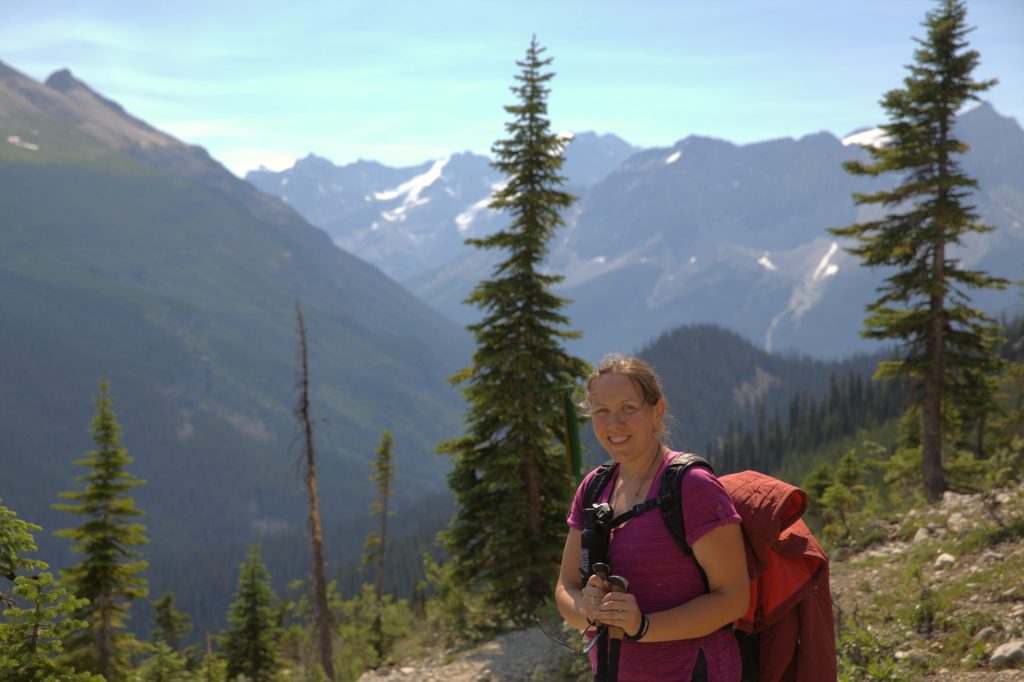
Outside, a campfire crackled beneath alpine dusk. Marii made fast friends in multiple languages, laughing somewhere in the glow while I settled into my bunk like a man twice my age, grateful to be horizontal.
Takakkaw Falls: Thunder in Water Form
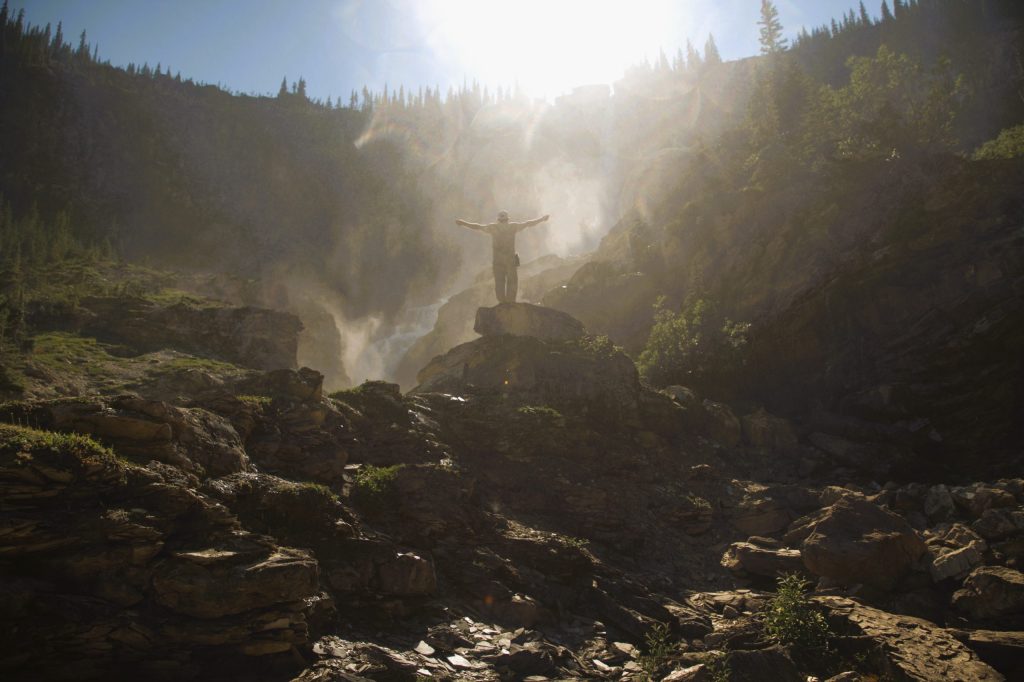
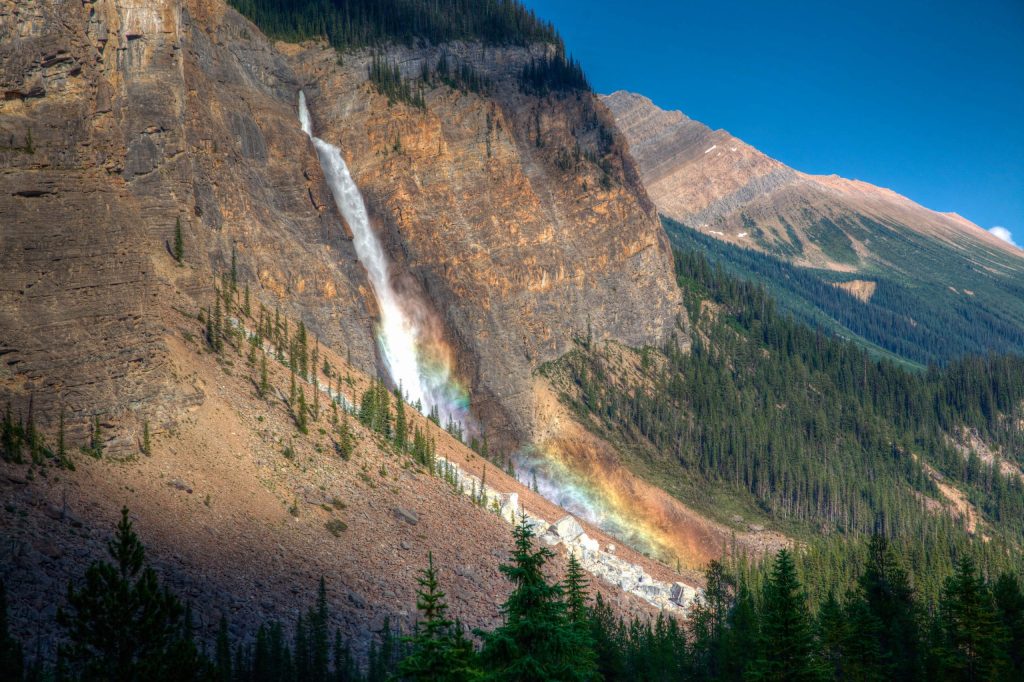
Morning came crisp and impatient, the kind that smells like spruce and glacier dust. Before tackling the Iceline, we stood at the base of Takakkaw Falls — a plume of meltwater so tall and thunderous it creates its own weather system. Mist drifted across the valley in ribbons, and a thin rainbow kept appearing and disappearing like it couldn’t commit.
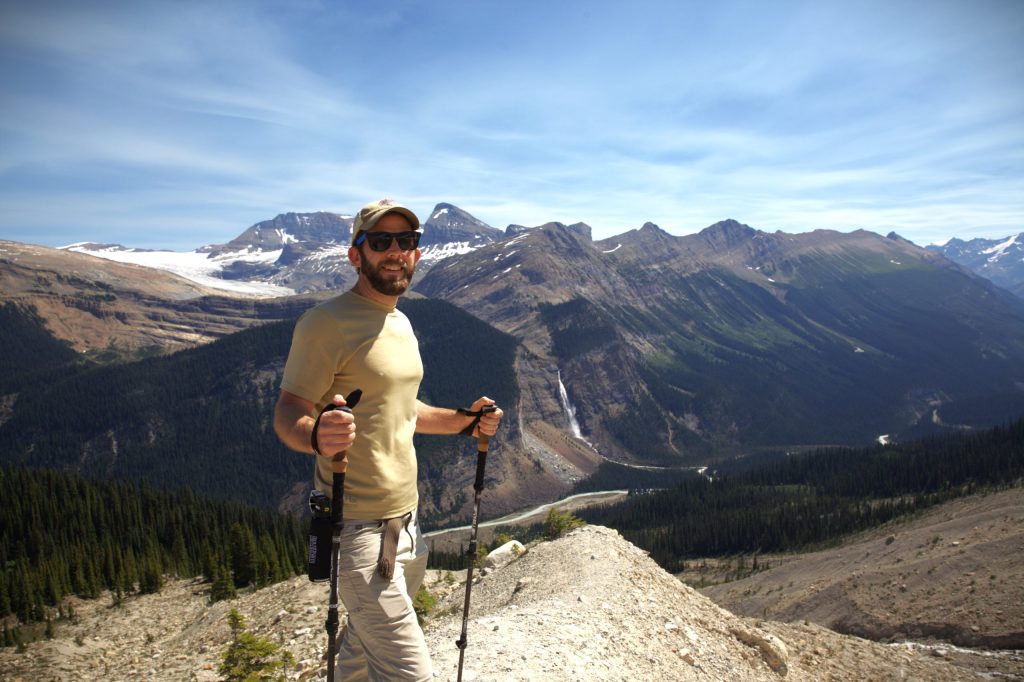
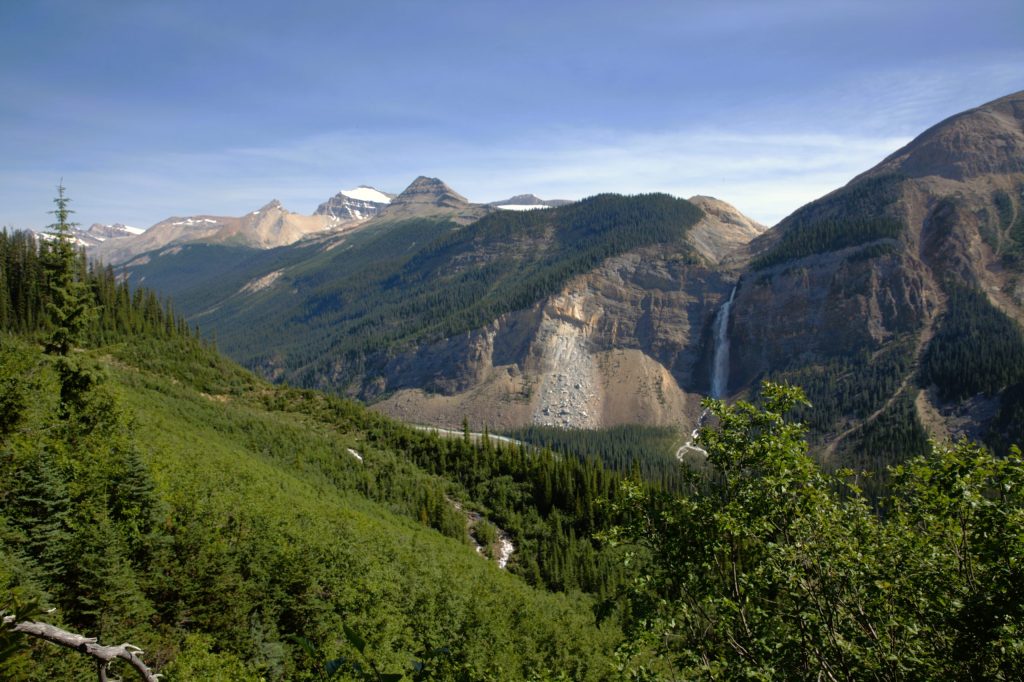
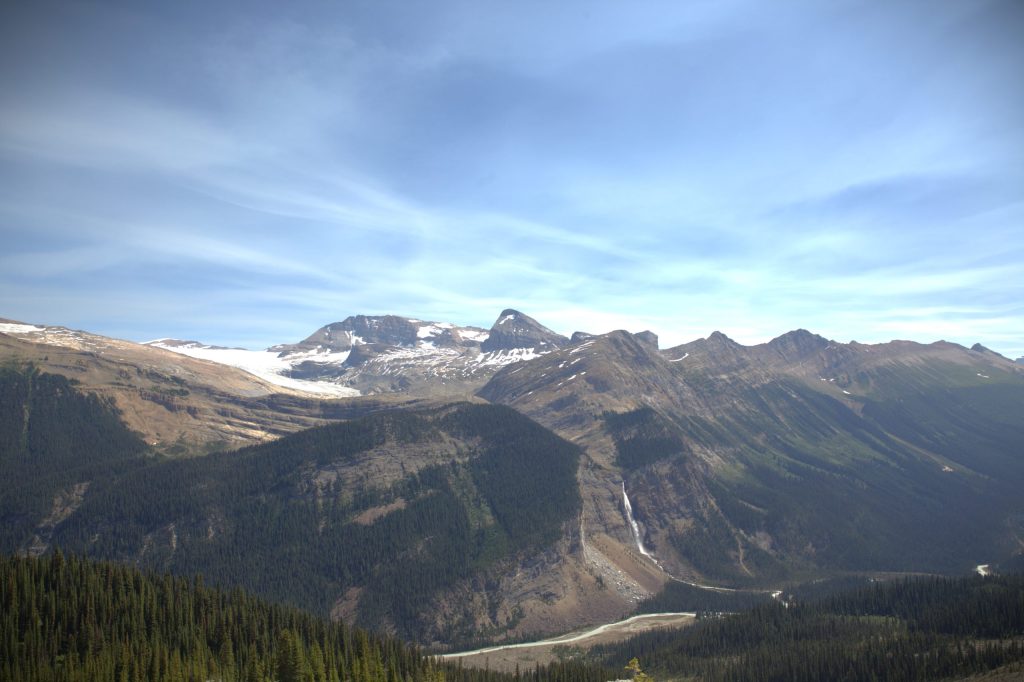
From above, later in the day, the falls looked like a white vein in a vast stone shoulder — Yoho’s heartbeat visible from miles away.
The Iceline Trail: Top of the World (Or Close Enough)
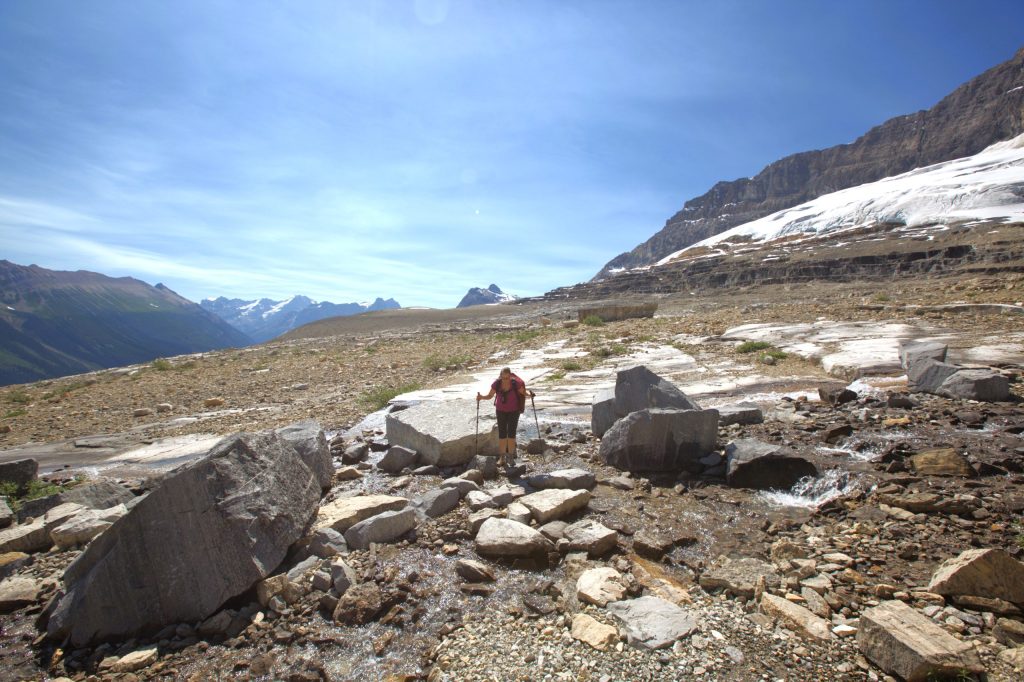
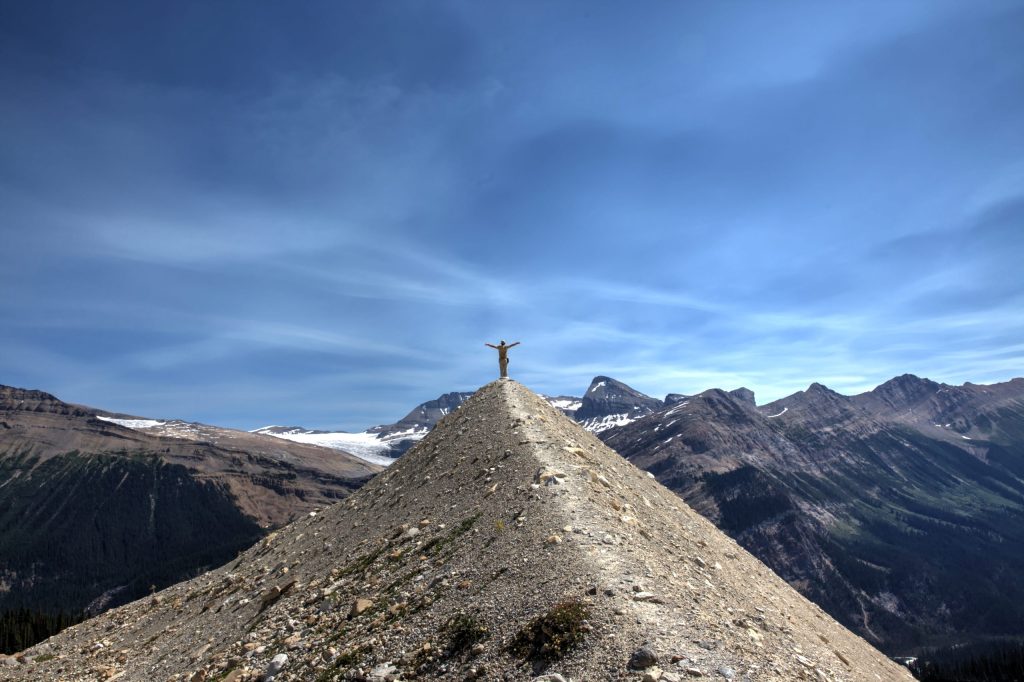
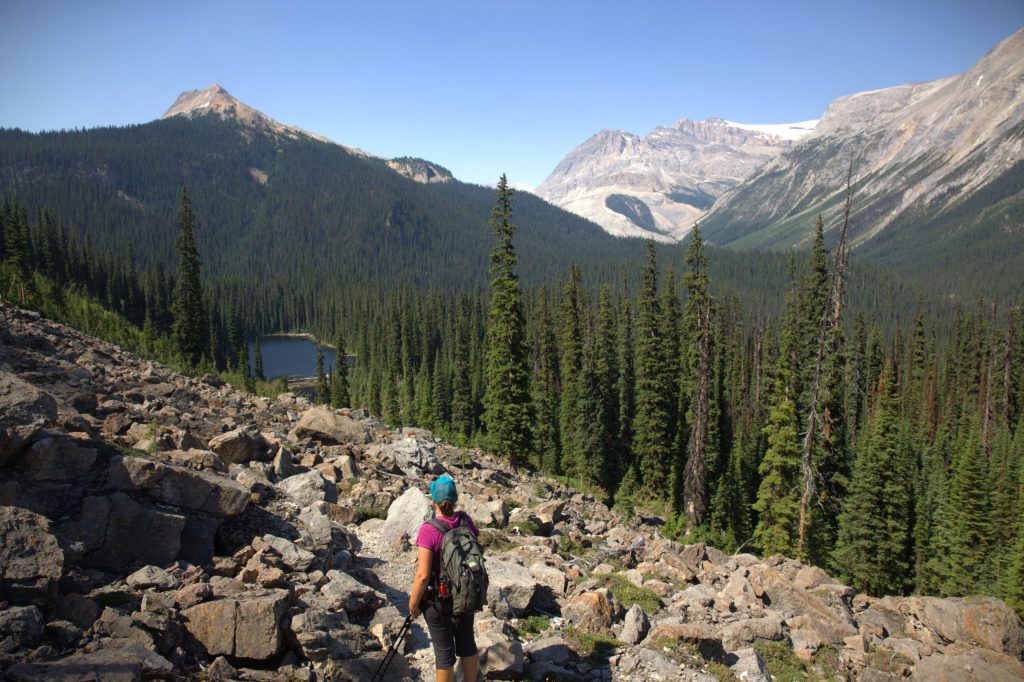
There’s a point on the trail where you step out of tree line, out of shade, out of everything familiar — and suddenly the world is made only of rock, ice, and horizon. Standing on that ridge felt like balancing on the spine of the continent. Below: carved valleys stretching like an open atlas. Ahead: peaks with names I instantly forgot because the view stole all available brain function.
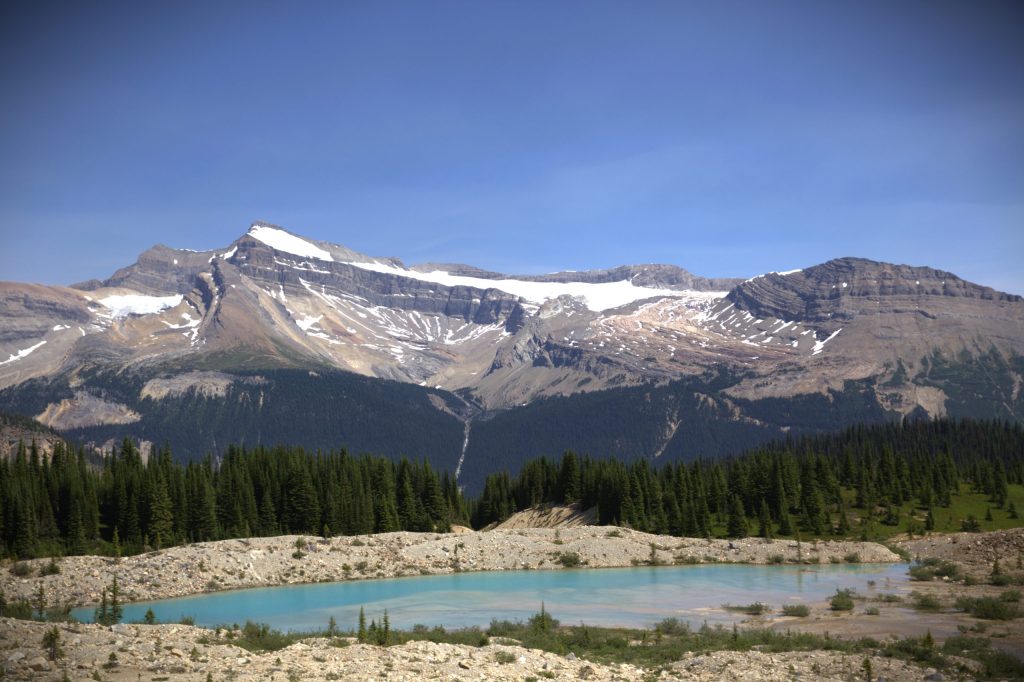
Every few steps, something changed — a glacial tarn so blue it seemed digitally corrected, a moraine edge that looked like the earth’s teeth, a wind that came straight off ice older than civilization.
You don’t hike the Iceline so much as you surrender to it. One long inhale of alpine air at a time.
Twin Falls & Laughing Falls: Curtain Call of Water
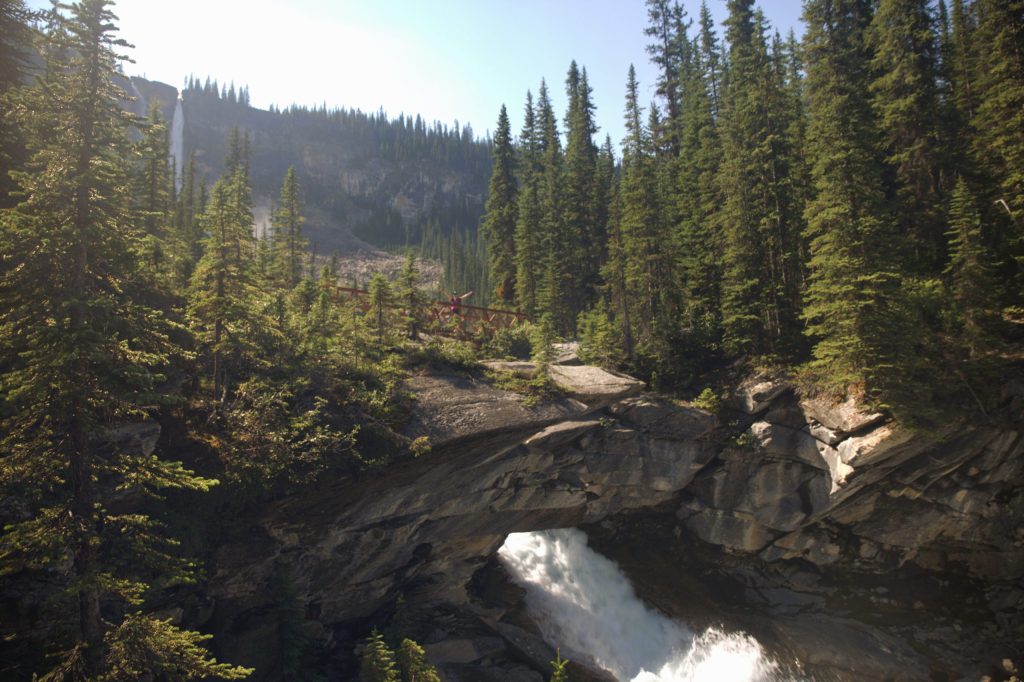
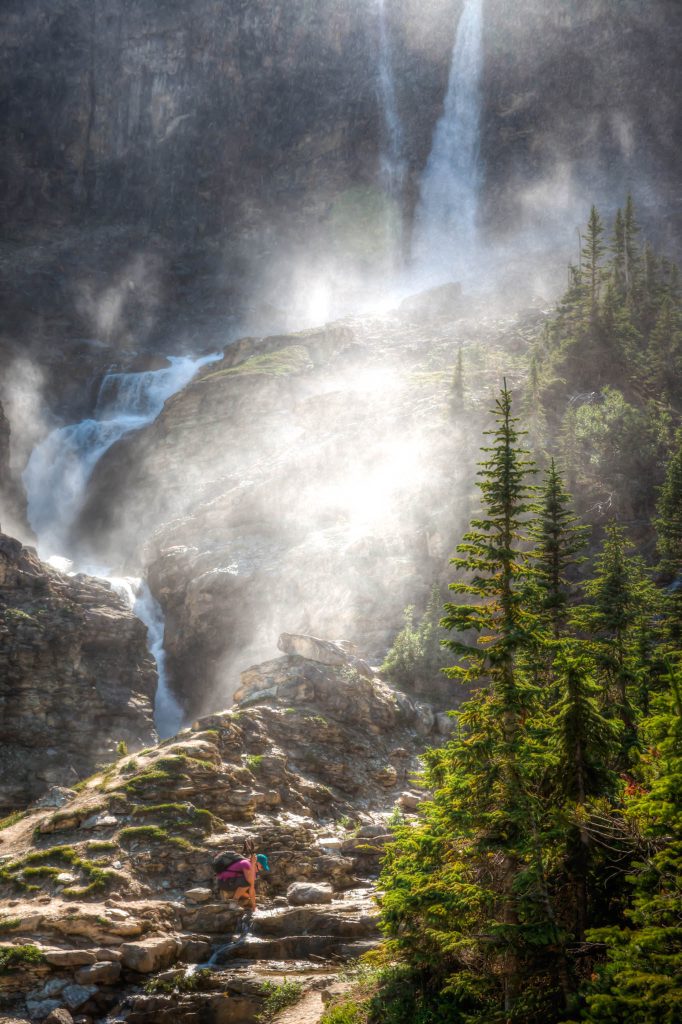
Because apparently one colossal waterfall wasn’t enough, we closed the day with Twin Falls and Laughing Falls — both living up to names that sound like they were invented by someone who had already run out of superlatives.
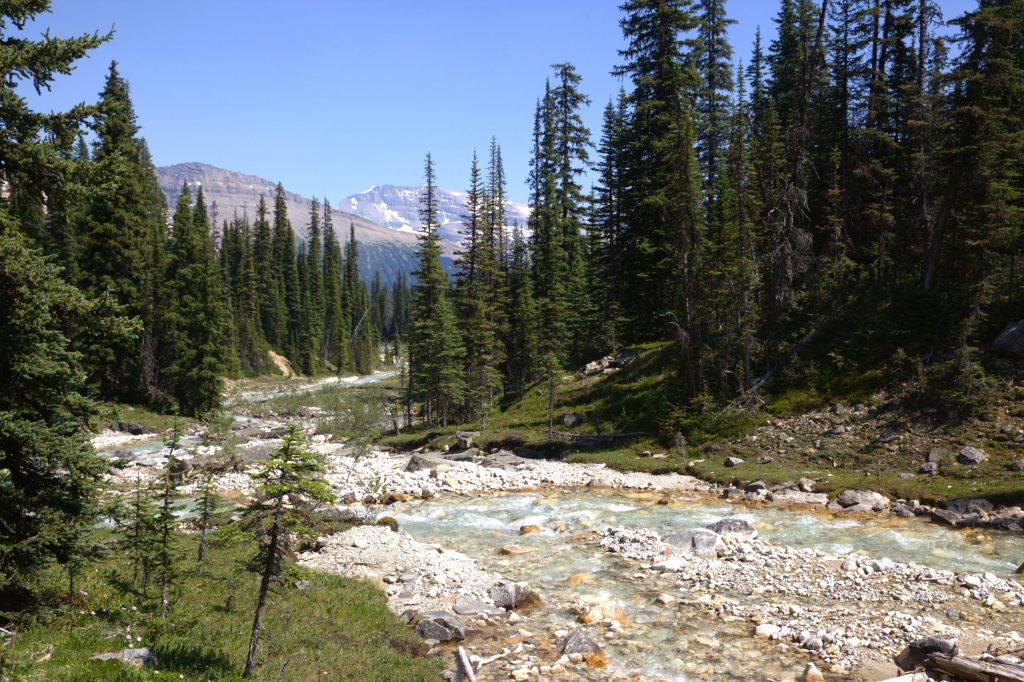
The forest down in the valley felt like returning to breathable reality. Wet stone, moss, cedar shade — that damp, green hush that belongs only to places with year-round meltwater pounding through them.
By the time we returned to Whiskey Jack, our legs had opinions. Marii drifted again to the bonfire, where travelers traded stories and summit counts. I lay in darkness listening to lodgepoles creak outside and wondered how a landscape could make a person feel both microscopic and wildly alive in the same breath.