Our Wild Encounter With Cahuita National Park Monkeys
The trouble with limited time is wanting to travel like you have nine months when, in reality, you have three weeks. The sacrifice is long days on public buses crisscrossing the country. Eventually, you surrender to the idea that buses aren’t just transportation — they’re part of the journey. Sit back, watch the countryside roll by, and accept the pace.
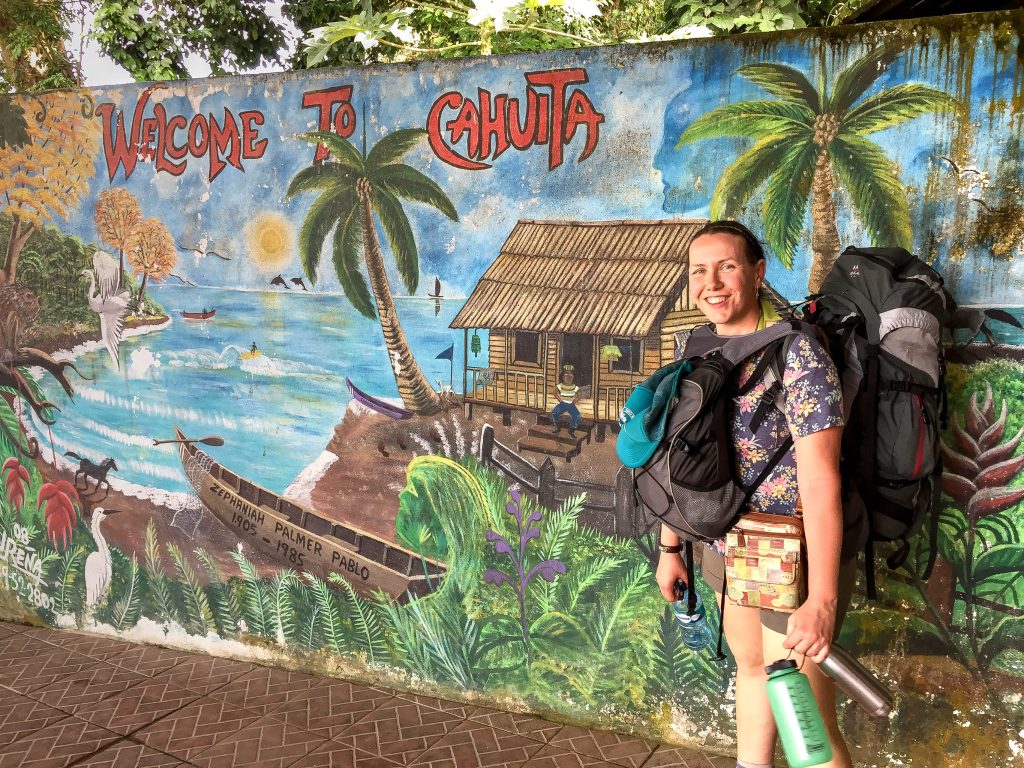
After a full eight-hour day, we arrived on Costa Rica’s Caribbean coast, a completely new region for us — and an entirely different culture from what we’d known. It felt like another country altogether. The complexion of the people darkened, the food shifted to bold Caribbean spices, and tourism felt less optional and more essential than on the central and western coasts. By observation, the communities felt rougher, attracting a type of traveler I’m admittedly polarized against: the beach-lounging, cookie-cutter backpacker surrounded by surfboards, beach bars, and cheap fabric souvenirs. The ones who say, “Yeah, I’ve been to Costa Rica.” To which a Costa Rican might reply, “Have you?”
So why were we there?
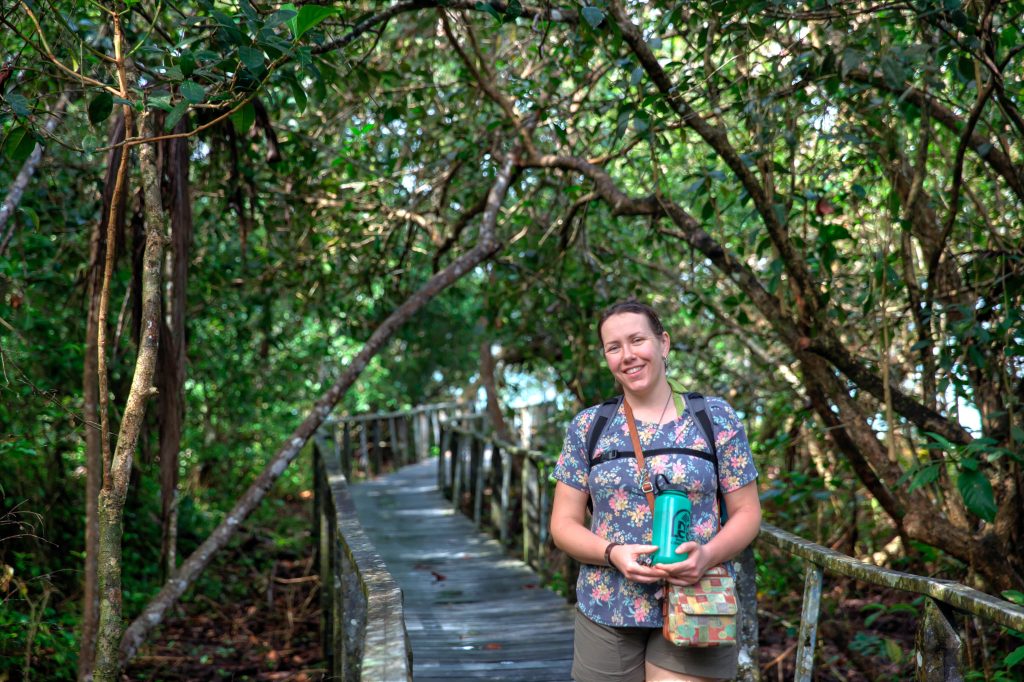
Because places like this don’t appear by accident. They exist because there’s something nearby worth seeing. In our case, it was Cahuita National Park — a stretch of lush tropical rainforest hugging crystal-blue water and white sand, packed with wildlife. And it delivered.
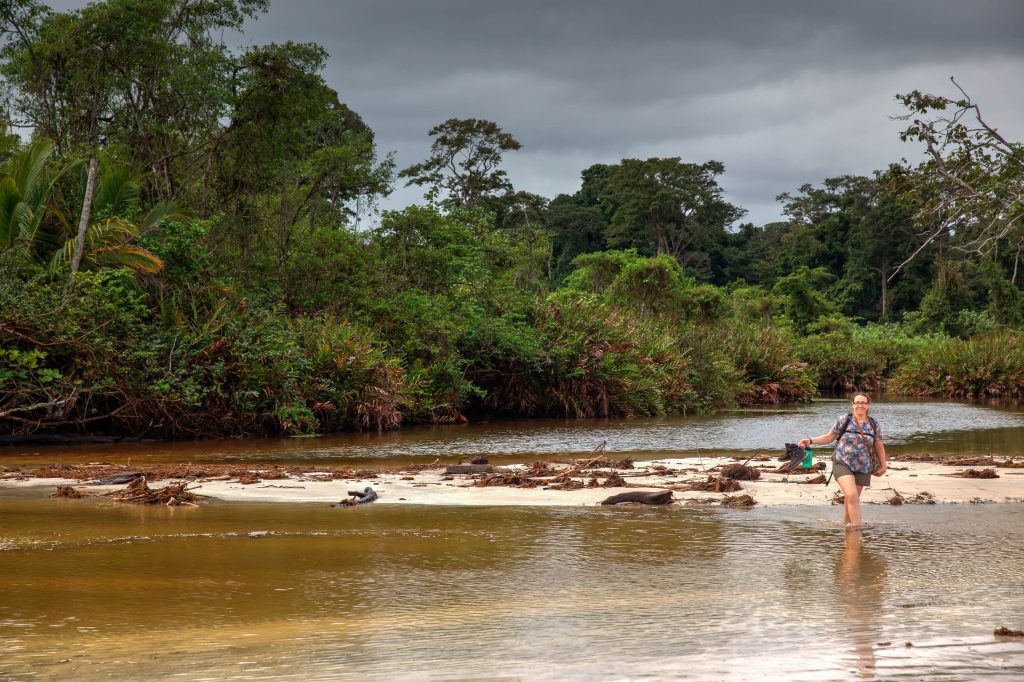
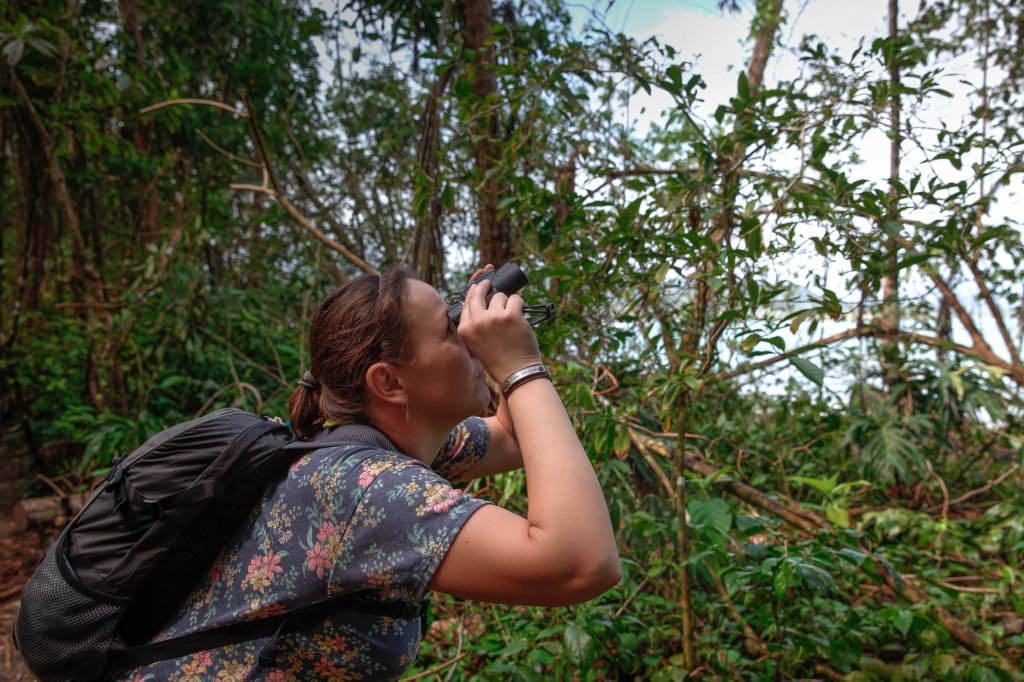
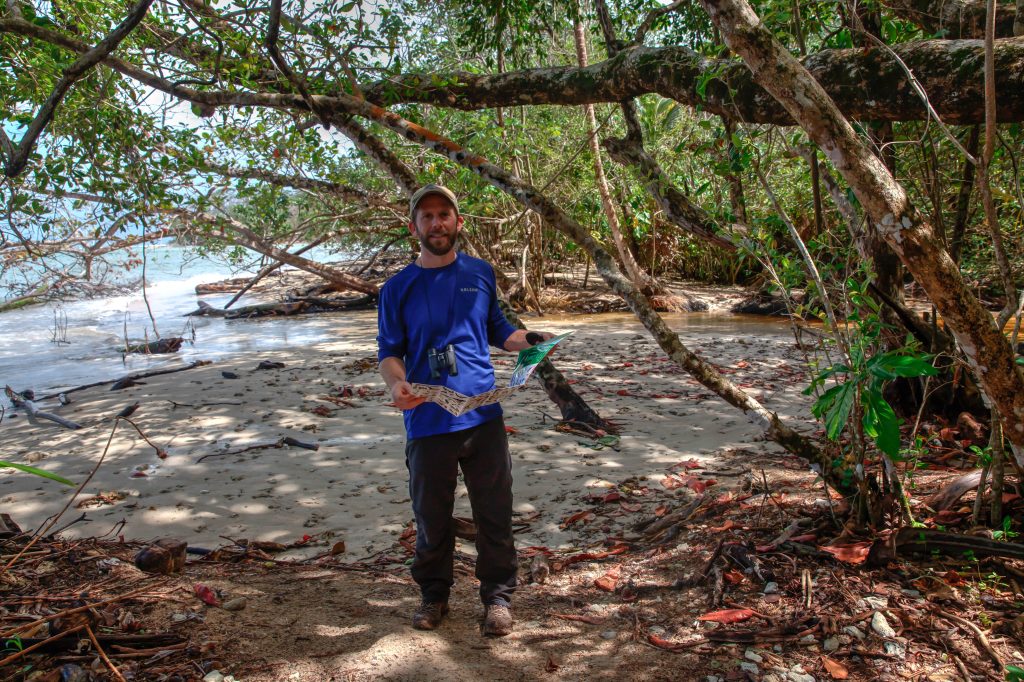
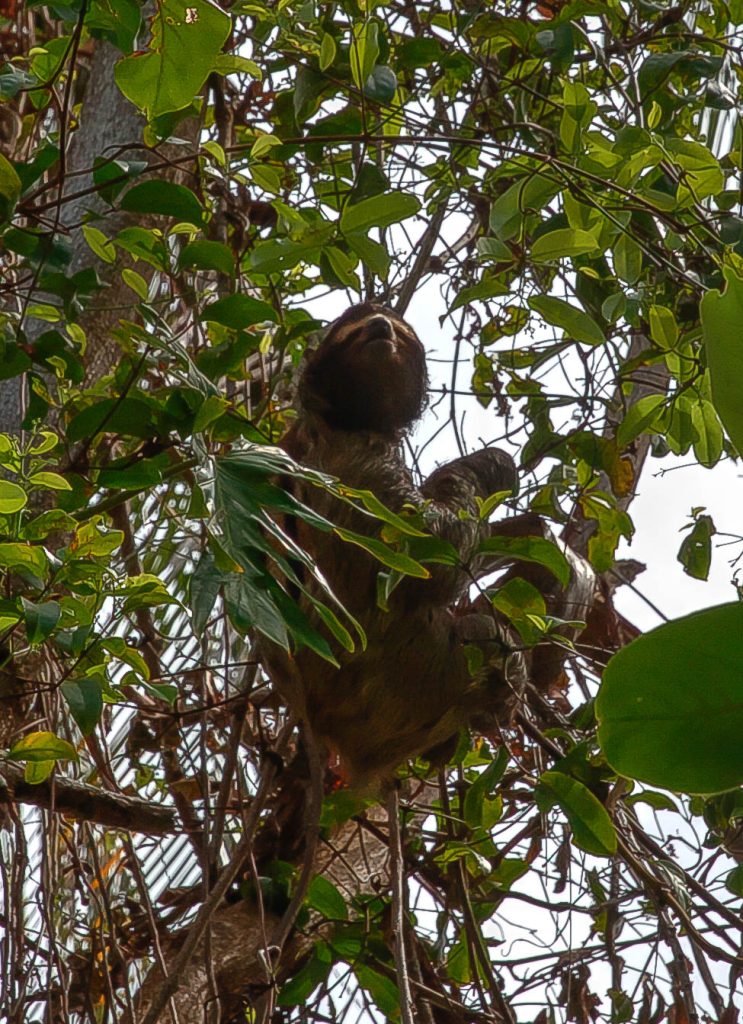
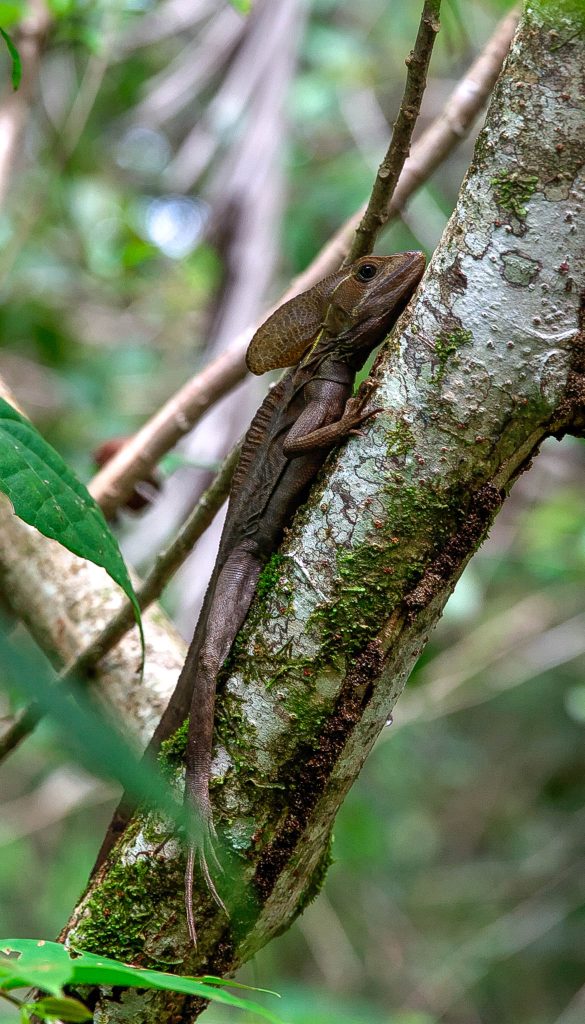
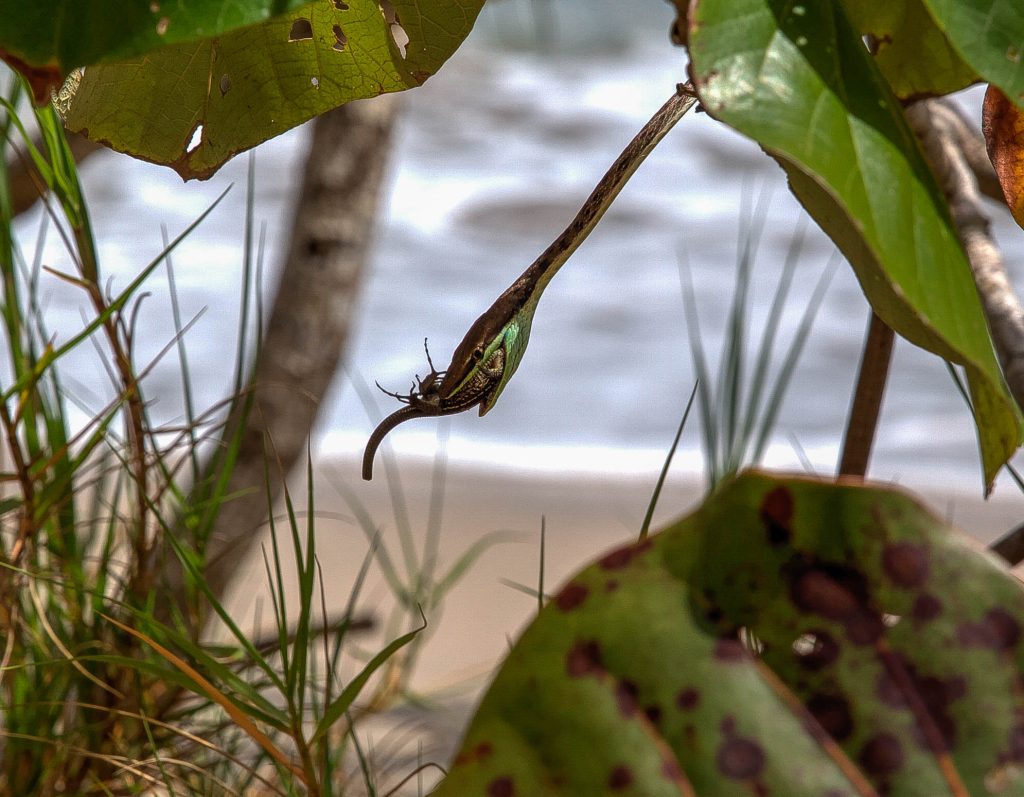
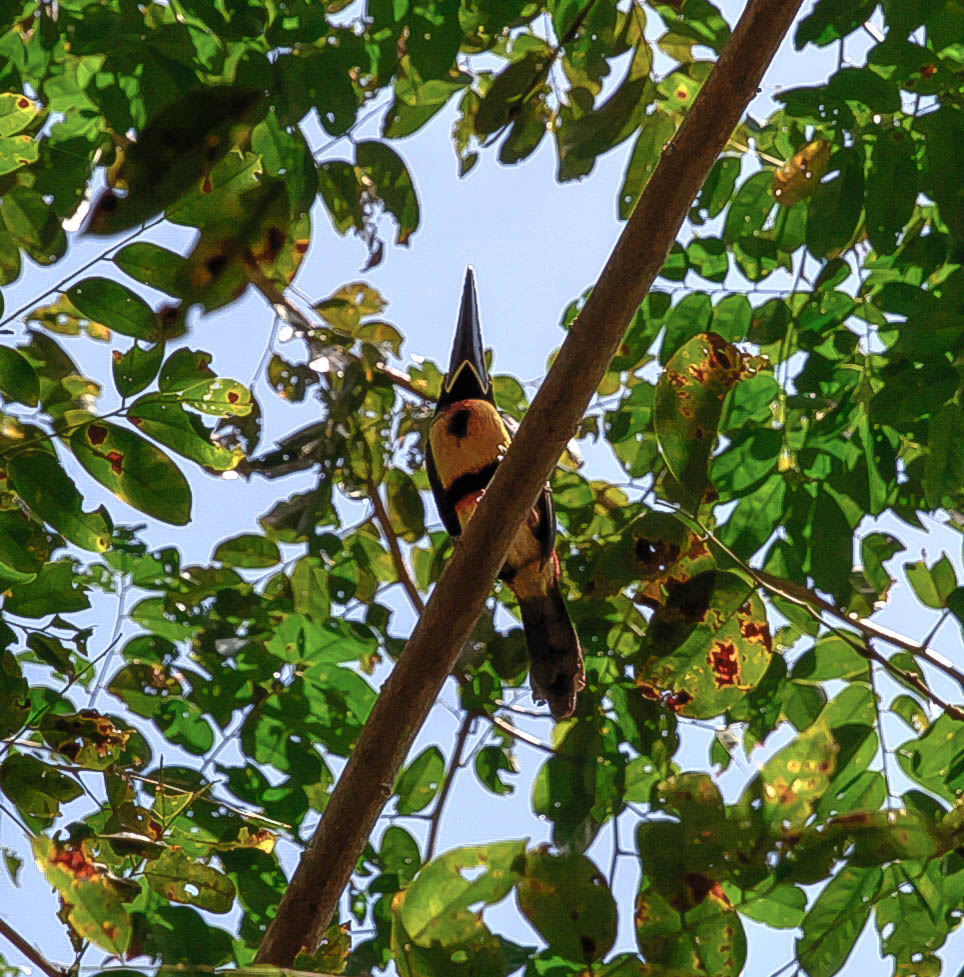
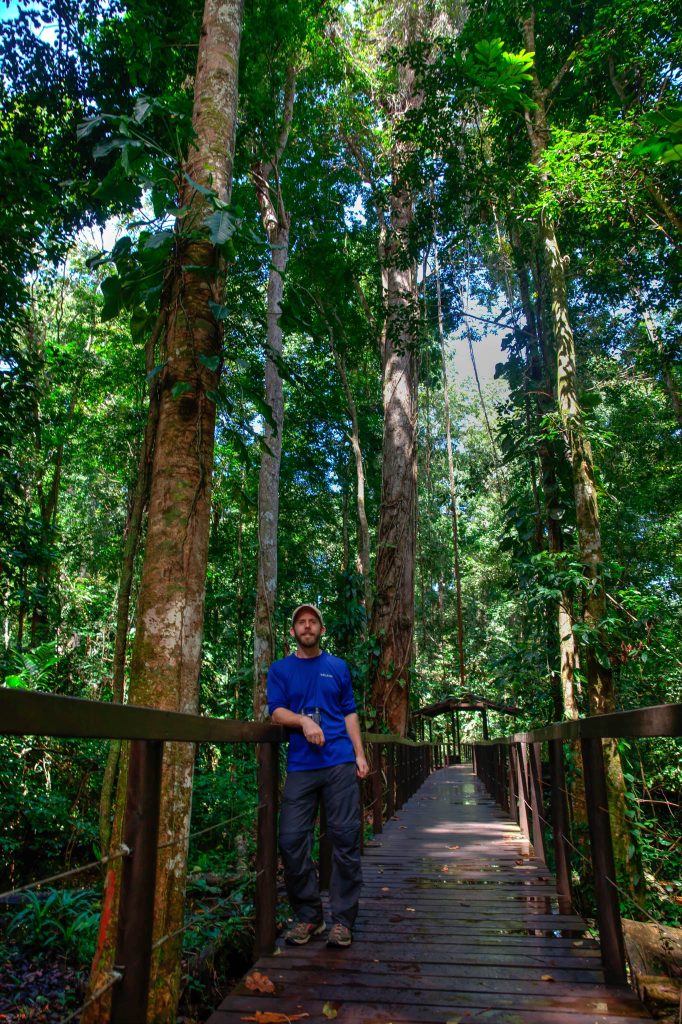
Traveling during the rainy season has its perks. Yes, you endure torrential downpours, but when the skies clear, the crowds stay away. As we stepped onto the beach, we realized we were one of only eighteen people along the park’s entire eight-kilometer coastline. Enter Jungle Jeff, binoculars in hand. We spotted agoutis, an emerald basilisk, a parrot snake eating a lizard, and our favorite perpetually smiling mammal — the sloth. It was like a zoo without fences… until it wasn’t.
We’d heard the stories. Read the blogs. But we’d never had an issue — until now.
Snacking quietly on nuts and prunes, we turned a corner near the park’s outermost point when two white-faced capuchin monkeys rappelled from the canopy. At first, they’re cute. Then they morph from Dr. Jekyll to Mr. Hyde in seconds. They smelled fruit and locked onto their target: Marii.
Teeth bared, they advanced aggressively, unfazed by her attempts to fend them off. Sand, water, even shoes were launched in defense — all of which only fueled their determination. We passed the bag of nuts back and forth like a football, playing a very literal game of monkey-in-the-middle. Wanting to avoid becoming that gringo on YouTube who steel-toes a monkey in self-defense, I made the executive decision to toss the bag back to Marii.
The monkeys won.
They escaped with their prize, leaving us stressed, shaken, and annoyed. Later, we learned we weren’t alone — fellow travelers had been attacked by the same group earlier that day. The reason? Previous tourists feeding wildlife, teaching the monkeys that humans equal snacks, leaving the rest of us as collateral damage.
Life is a series of lessons. Today’s was simple:
No matter what a monkey tells you, never trust a monkey.