Traveling Bogale Myanmar Off the Beaten Path
We are not in Kansas anymore, Toto.
Fresh off a win in Loikaw — adventure still coursing through our veins — our egos may have bitten off a little more than they could chew when choosing our next destination: Bogale. Armed with nothing more than a short blurb in Lonely Planet — which mentioned neither lodging nor food, but teased the possibility of visiting a wildlife sanctuary with crocodiles and perhaps an overnight camping trip to Turtle Island to watch hatchlings scramble toward the sea — our imaginations ran wild.
That was the story in our heads.
Reality? See below.
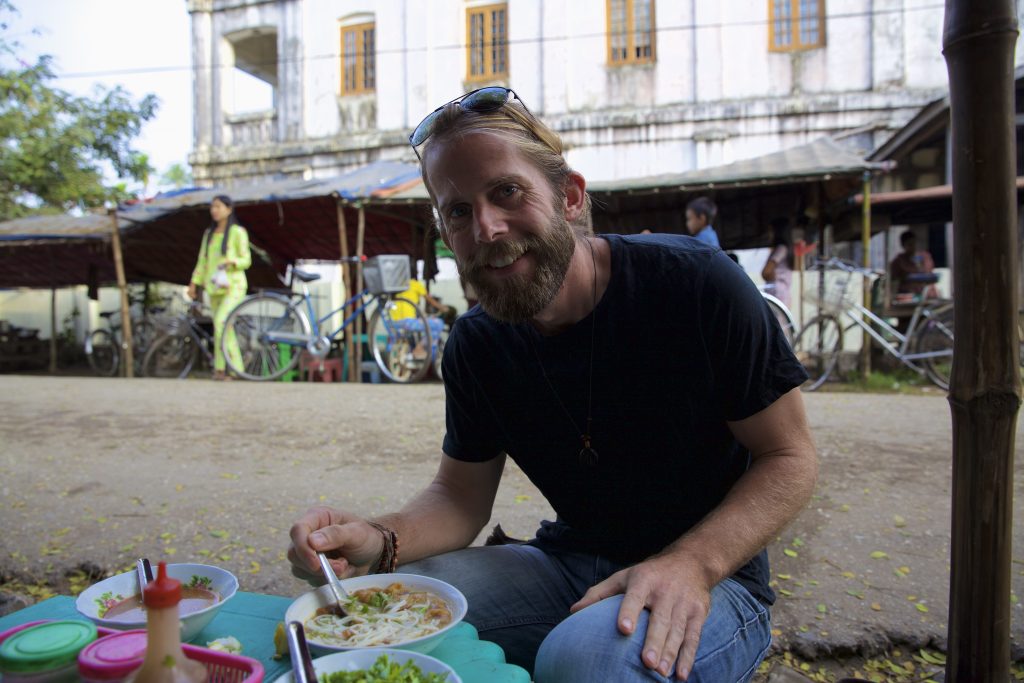
Reality was a 19-hour bus ride, complete with a frantic 5:00 a.m. transfer at Yangon’s bus terminal, followed by an even more local mode of transport that wiped away any lingering memory of foreign travelers for the next three days. Communication? Gone. Chances of finding a registered foreigner guesthouse in a town that rarely sees tourists — aside from NGO workers after Cyclone Nargis in 2008? Slim. Stomachs surviving exclusively local food and questionable sanitation? Good luck. Affordable access to the wildlife sanctuary near schools of Irrawaddy dolphins? Get real.
Even stepping outside without being met by long, unbroken stares — mouths agape at the mere presence of white skin seemed unlikely. From the moment we stepped off the bus in this largely unvisited port city, it was clear the next few days would be bumpy, to say the least.
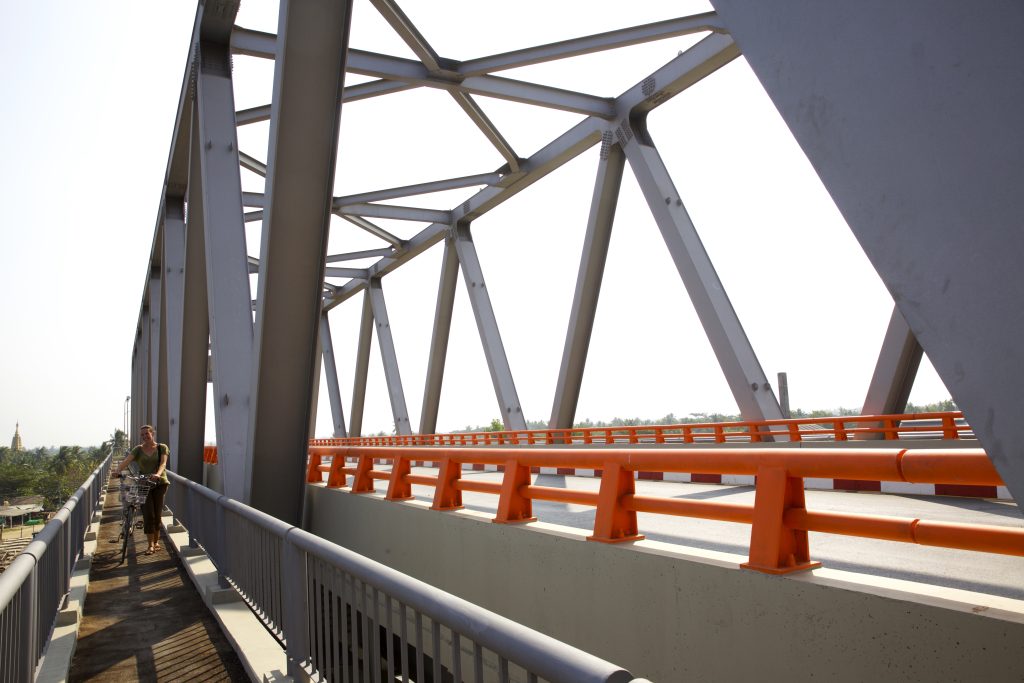
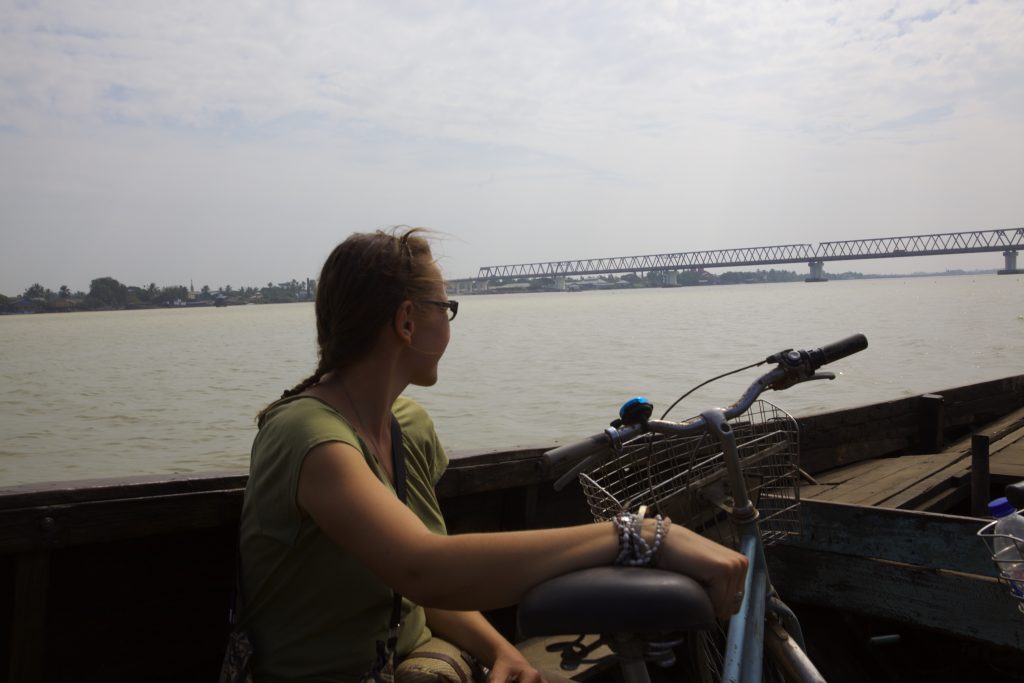
After learning that our Crocodile-Dundee-into-the-mangroves fantasy was priced more appropriately for Hiram Bingham than two low-key backpackers, we rebounded quickly by securing the only form of transportation permitted to foreigners in this country: a pair of good old-fashioned, human-powered bicycles.
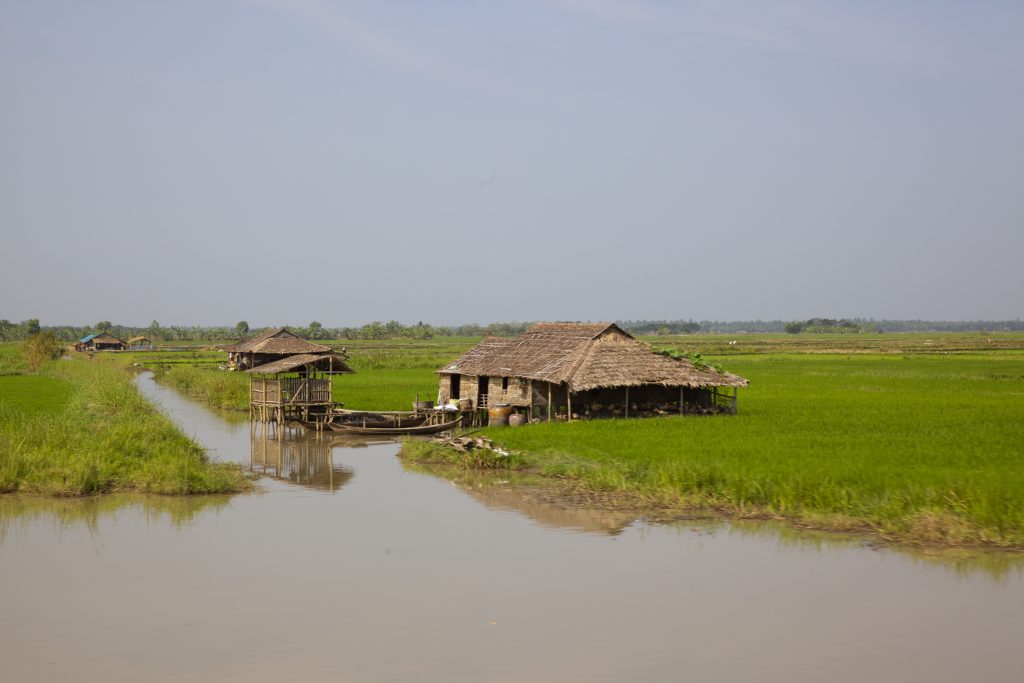
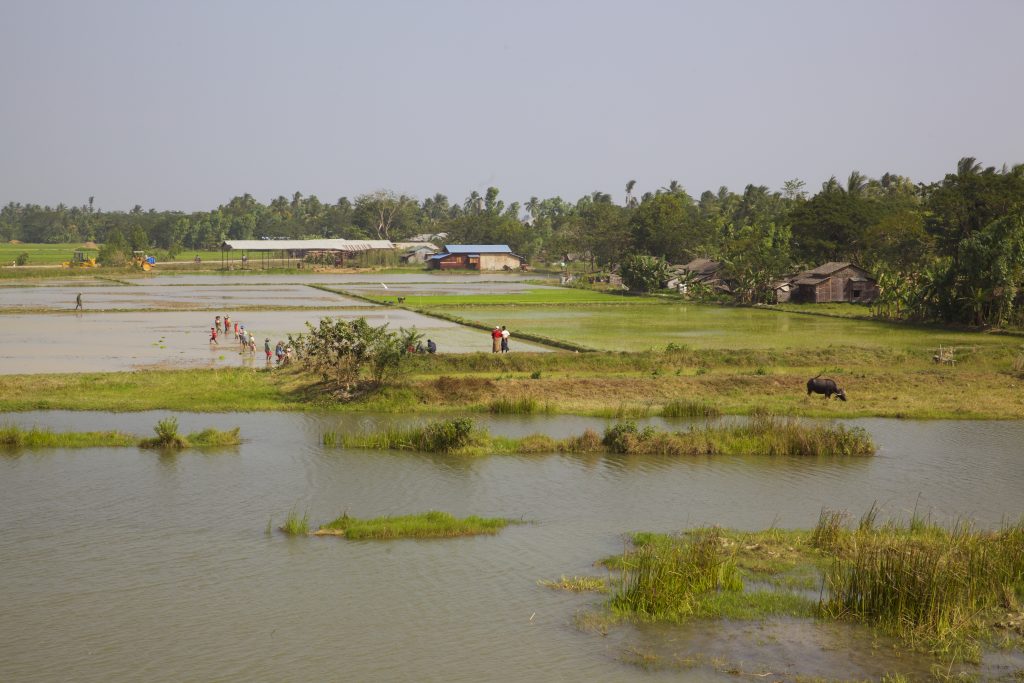
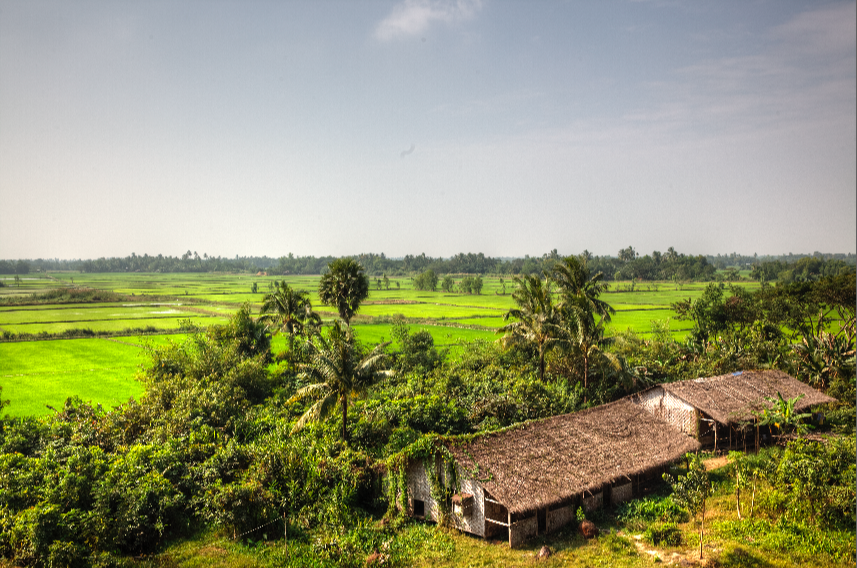
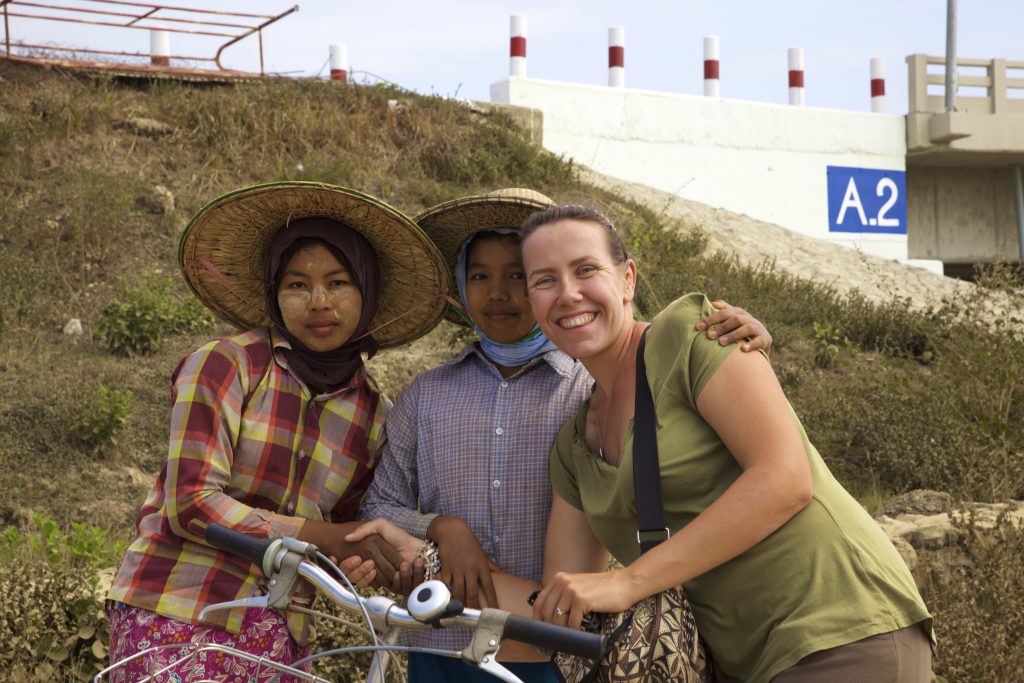
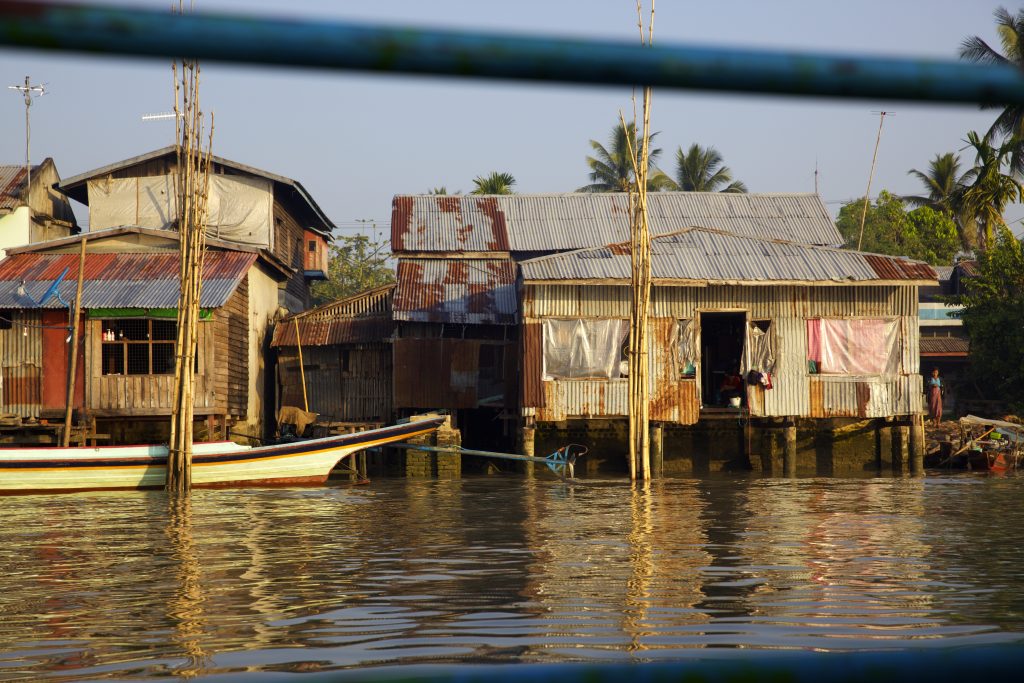
Leaving the cityscape immediately revealed our first real glimpse of the Myanmar Delta. The harsh urban edge softened into something warmer, more approachable. Long stares dissolved into a chorus of “Mingalabar!” Suspicion and curiosity gave way to rural hospitality sometimes bordering on uncomfortably long handshakes, paired with hopeful eyes that seemed to entertain the idea that their country really was changing, represented by these unlikely visitors.
Leaving behind these brief encounters stirred a familiar frustration, a desire to do more. Armed with nothing but a camera and a bag of peanuts, our options were limited, and pedaling onward came with a lingering guilt that smiles and photos just weren’t enough.
A boat taxi escorted us back across the Irrawaddy River for a mere $0.40, plunging us straight back into the heart of Bogale. Energized by the afternoon, we were determined to earn respect, not just for ourselves, but on behalf of future travelers. The only way to do that is immersion.
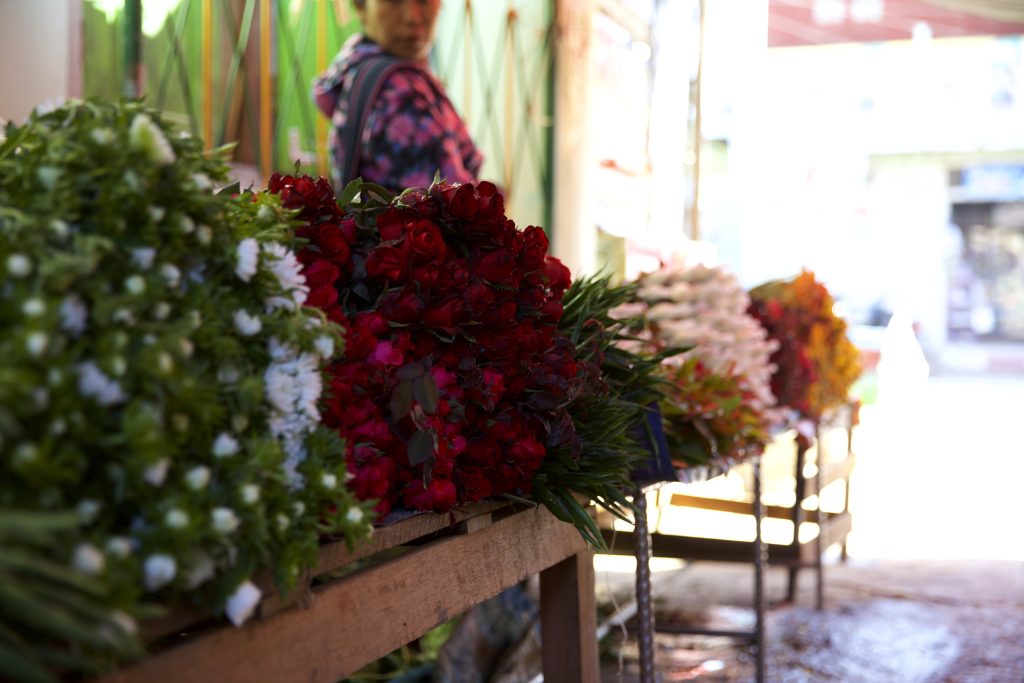
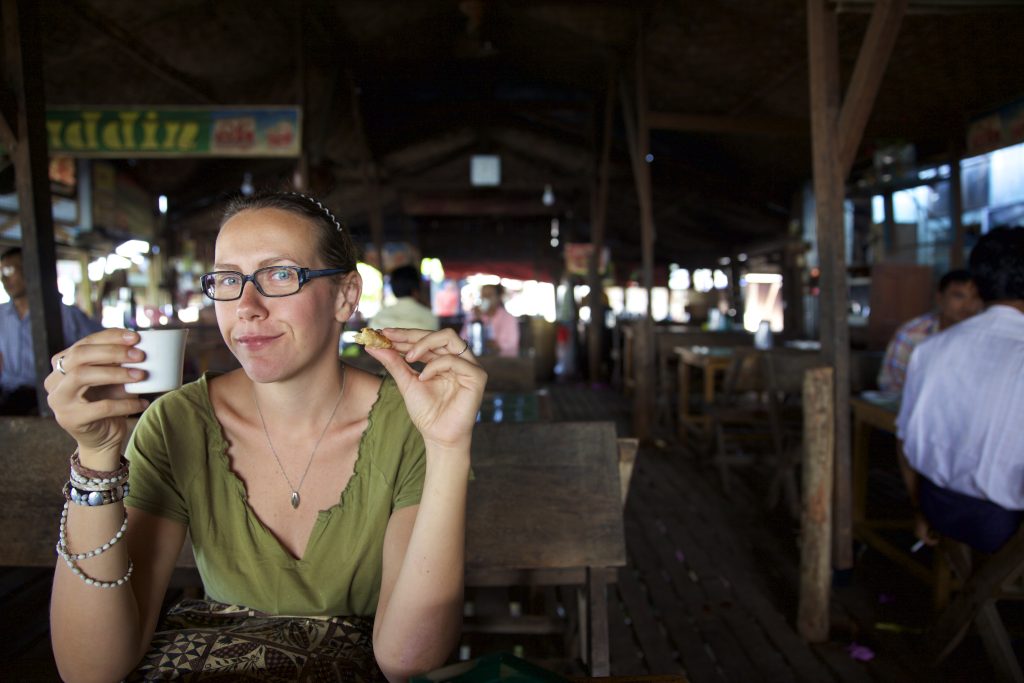
So we did what you always do: pulled on our mud-slinging boots and headed straight for the busiest place in any city, the market.
Markets are where walls come down. Where you barter, adapt, mispronounce, laugh at yourself, and slowly earn trust. Letting go of fear brings you closer to that ever-elusive goal: acceptance.
By day three, we were no longer the attraction but the accepted guest. Still far from locals, but no longer aliens. We left Bogale content, with the quiet satisfaction that we had represented ourselves and future travelers well.
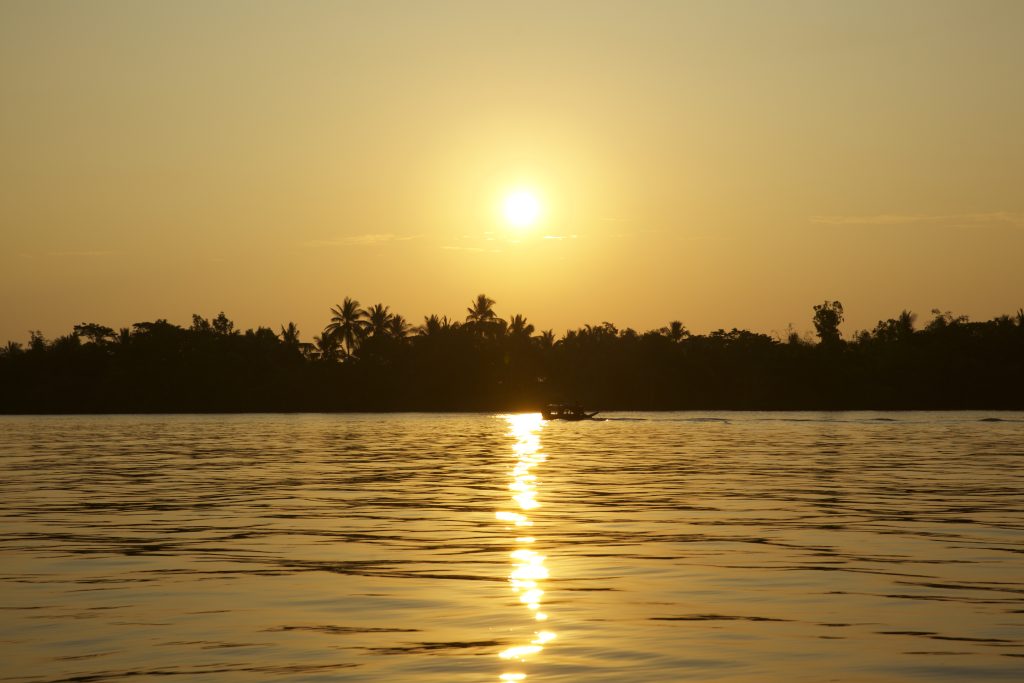
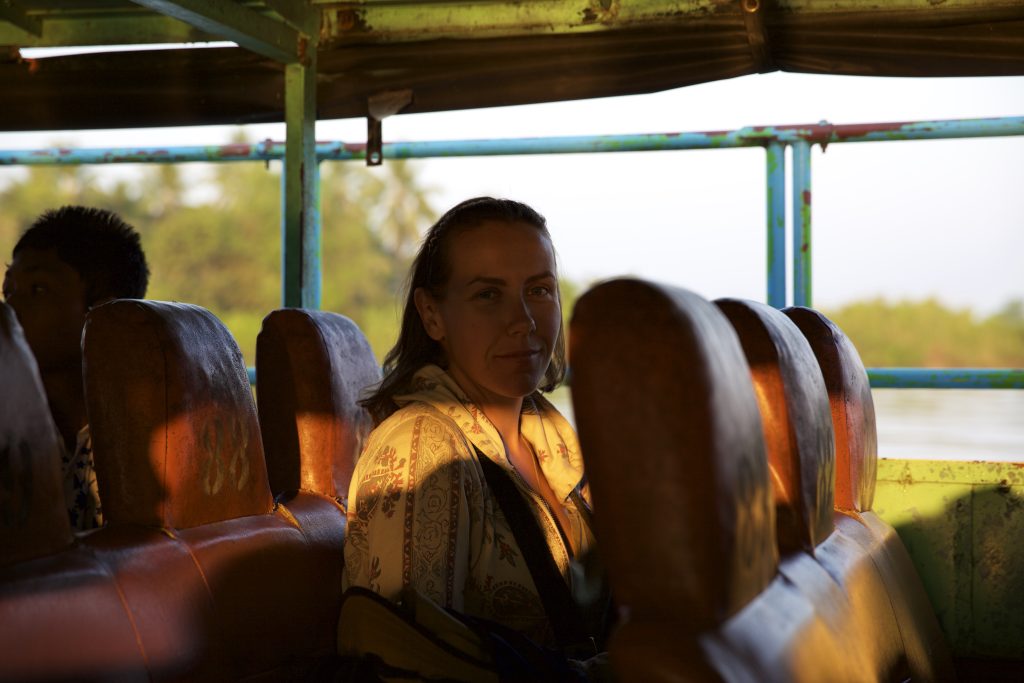
Another ferry ride followed, this one doubling as a scenic tour back toward Yangon. Passengers boarded in a near Somali-pirate fashion, leaping onto moving vessels, while entrepreneurial betel nut vendors risked getting stranded mid-route during hop-on, hop-off port stops.
As Yangon’s skyline reappeared, it came with the sobering realization that this was our final stop in what had become an increasingly beautiful country.